


 Rate Of Return
How to manage finances for ordinary people when banks cut interest rates?

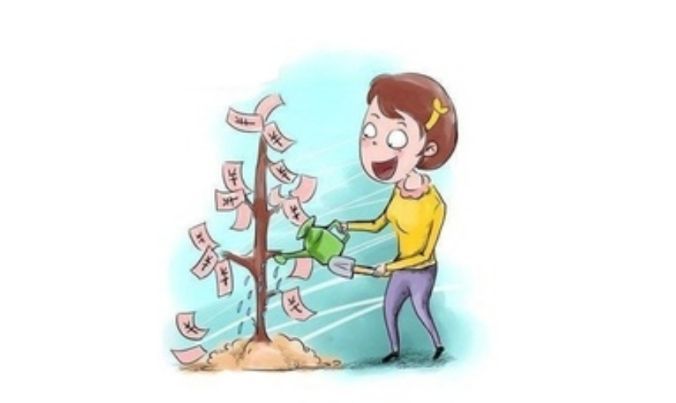
October 18, Beijing Daily reported that Industrial and Commercial Bank of China (ICBC), Agricultural Bank of China (ABC), Bank of China (BOC), China Construction Bank (CCB), Bank of Communications (BOCOM), and other banks have lowered the listed interest rates for RMB deposits. The listed interest rates for three-month, six-month, one-year, two-year, three-year, and five-year fixed deposits were all reduced by 25 basis points (BP) to 0.80%, 1.00%, 1.10%, 1.20%, 1.50%, and 1.55%, respectively. The seven-day notice deposit rate was cut by 25 BP to 0.45%, and the one-day notice deposit rate was reduced by 5 BP to 0.10%.
What does a 0.25 percentage point cut in the three-year deposit rate mean? If you have a deposit of 200,000 yuan for three years, the interest after the rate cut will be 1,500 yuan less over the three-year period.
So, how does the bank's rate cut affect most ordinary people? How should you plan your financial strategy?
First, it can be said that the rate cut affects ordinary people in multiple ways, such as deposits, loans, consumption, and investments.
The rate cut increases the availability of funds in the market and reduces borrowing costs for businesses and individuals, theoretically promoting economic growth. In contrast, rate hikes usually occur when the economy is overheating, aiming to bring money back into banks to prevent excessive economic expansion.
Returning to the topic of rate cuts, for ordinary households, a rate cut usually means reduced monthly payments for long-term loans such as mortgages and car loans. For example, if the original monthly payment was 6,000 yuan, it might drop to 5,700 yuan after the rate cut, saving 300 yuan per month that can be used for other household expenses or savings. However, this also means reduced returns on fixed deposits in banks, which is unfavorable for retirees who rely on deposit income.
If mortgages are affected, the same applies to car loans and other consumer loans.
For businesses and investors, the rate cut lowers financing costs, especially for capital-intensive industries, helping them expand production and improve market competitiveness. Additionally, a low-interest-rate environment encourages companies to engage in venture capital, potentially driving innovation and technological progress.
For consumer spending and market expectations, a rate cut is often seen as a signal of economic improvement. Consumers may expect better economic conditions, leading to increased purchasing power and willingness to spend, which could boost sales of big-ticket items.
Households with deposits exceeding 50,000 yuan: The rate cut reduces bank deposit returns, requiring these families to reassess their financial and investment strategies.
The long-term impact of rate cuts on the economy and the stock market: From a broader economic perspective, prolonged low interest rates may lead to asset price bubbles, such as overheating in real estate and the stock market. A sustained low-interest-rate environment could also result in "capital misallocation," where funds flow into less efficient sectors rather than those that best promote economic growth. Therefore, policymakers must strike a balance between stimulating the economy and preventing overheating.
The copyright of this article belongs to the original author/organization.
The views expressed herein are solely those of the author and do not reflect the stance of the platform. The content is intended for investment reference purposes only and shall not be considered as investment advice. Please contact us if you have any questions or suggestions regarding the content services provided by the platform.
