


The "Tesla-style" innovation is perfectly demonstrated by this tech-driven bathroom brand.

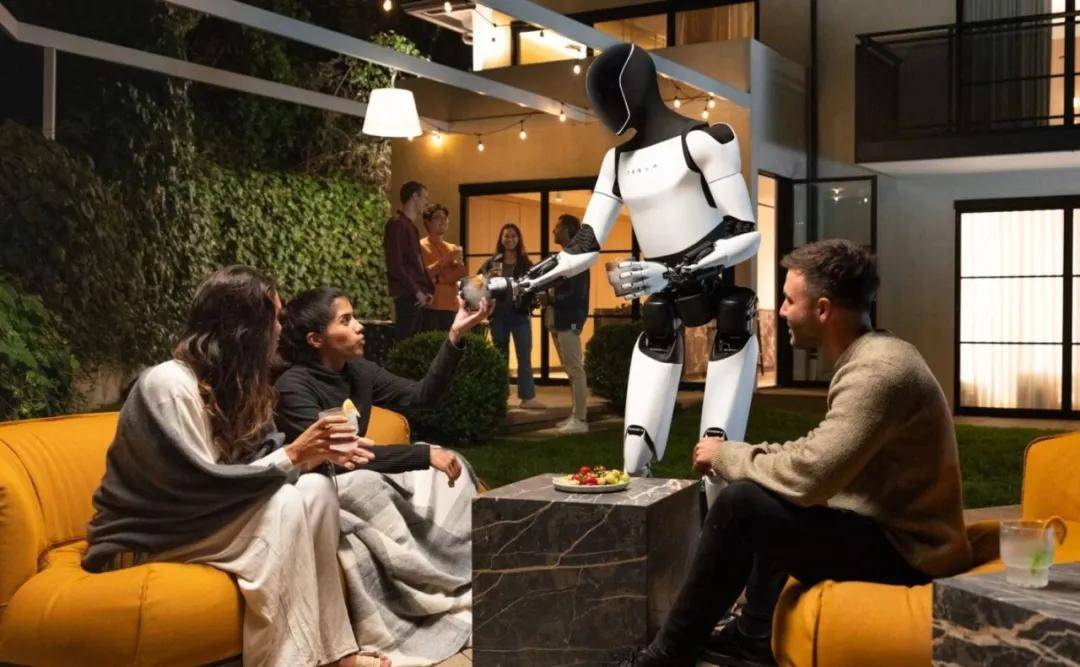
In the past week, Elon Musk has made it to the 'trending topics' at least twice.
The first was Tesla's "We, Robot" launch event, which focused on the Cybercab, defined as an autonomous taxi. It eliminated traditional steering wheels and pedals, relying solely on the central control screen inside the vehicle for passenger-vehicle interaction, with plans to go into production by 2027.
The second was the fifth test flight of SpaceX's "Starship," which successfully tested a new rocket recovery method humorously dubbed by netizens as "chopsticks catching a rocket." Many viewers of SpaceX's livestream excitedly declared: humans will establish a self-sustaining city on Mars within 20 years.
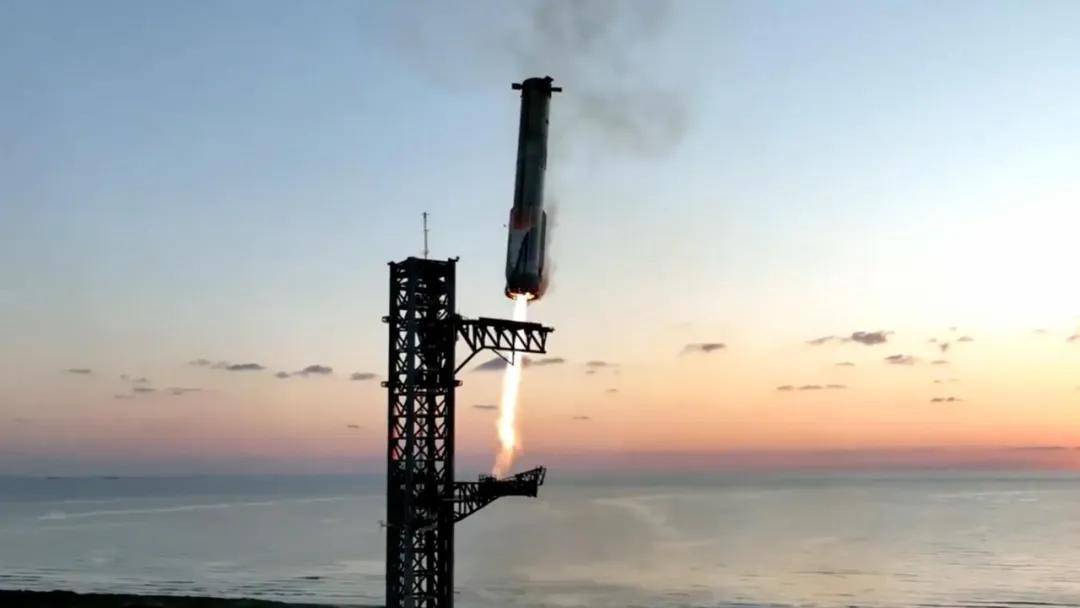
Image: "Starship" rocket returning to the launch tower
Tesla and SpaceX have once again achieved legendary status, further proving the allure of "Tesla-style" innovation: pouring all energy into products and innovation, avoiding superficial efforts, and letting global media voluntarily provide "free publicity" through tangible, groundbreaking products.
01 The Idealistic "Madman"
Clearly, the seemingly rational Wall Street has misjudged Musk yet again, despite countless such misjudgments over the past decade.
The reason isn’t hard to understand.
Capital prefers to speak with "verifiable facts," while Musk is a pure idealist. Delving into the core of an idealist’s spirit often reveals two traits:
One is a fervent dream, like when he sold PayPal to found SpaceX—the most common description was "that madman who wants to send humans to Mars," with few understanding his vision.
The other is a strong sense of mission. Whether it’s solar energy, electric cars, hyperloops, Mars colonization, or brain-computer interfaces, the driving force is to change people’s lives and potentially alter the course of humanity.
In the commercial market, for idealists, making money is a side gig; the main focus is creating disruptive products, with the true pursuit being to change the world—a vision beyond ordinary comprehension.
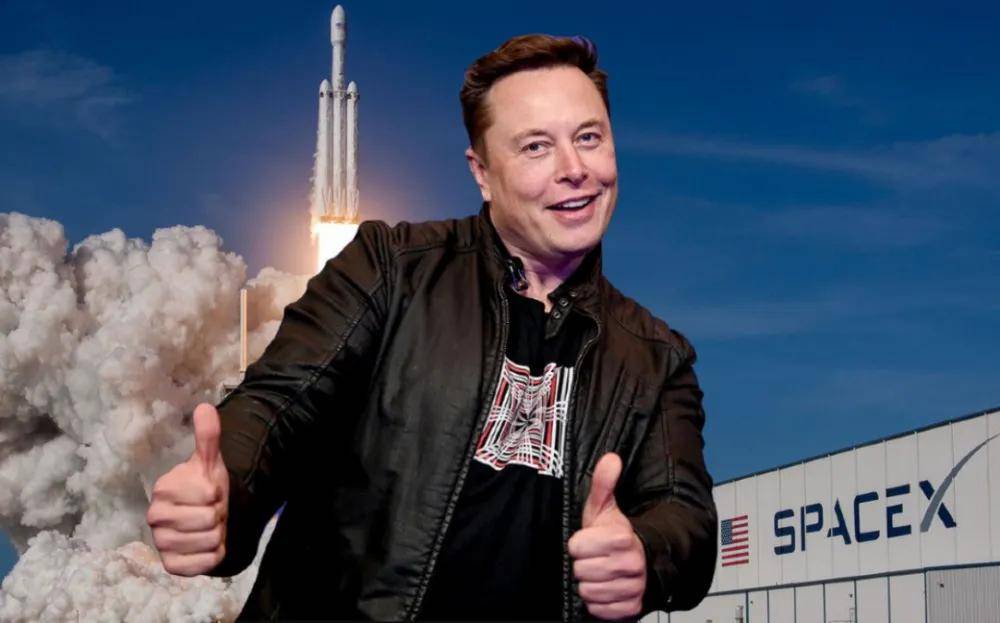
Image: Elon Musk
After every "trending topic," someone inevitably asks: Why doesn’t China have its own Musk?
There could be many answers.
Instead of mechanically searching for Musk’s successor in China, perhaps a better question is—Which Chinese companies are driven by "idealism"?
Aside from Luo Yonghao, who loves to call himself an "idealist," the most talked-about figure might be Lei Jun after the explosive success of the Xiaomi SU7. While Lei may not match Musk in creativity, the outcomes for Xiaomi and Tesla share similarities.
When Xiaomi announced its car-making plans in 2021, comments like "cannon fodder," "can’t even make phones well, now trying cars," and "Lei Jun transforming into Lei Musk" were rampant. But after Xiaomi’s car became a hit, Lei’s ventures—Kingsoft, Xiaomi, Shunwei—were quickly "mythologized," even earning him the label of "chosen one."
China isn’t short on idealists; what’s lacking is understanding and recognition, especially in less glamorous industries where many companies quietly pursue their dreams and missions.
Take Jomoo Group in the bathroom fixtures sector. Under the strategy of "Tech Bathroom, Global Jomoo," it has quietly transformed from "Made in China" to "Intelligent Manufacturing in China," achieving "China’s No. 1, World’s Top 3" status and recently earning Euromonitor’s certification as the "global leader in smart toilet sales."
02 Thunder in Silence
Idealists come in two styles: flamboyant and low-key. Tesla is the former; Jomoo is the latter.
The story begins in 2015.
Back then, Chinese tourists queued to buy Japanese toilet seats but hesitated to use them, fearing "local water quality standards."
If the problem was clear, why weren’t there solutions? Some argued that if global brands couldn’t fix it, neither could domestic players. Jomoo refused to accept this, despite skepticism.
To tackle water quality issues, Jomoo’s R&D team collaborated with the Chinese Academy of Sciences, eventually adapting nuclear submarine electrolytic sterilization technology for smart toilets—producing water clean enough to drink, eliminating all doubts.
Smart toilets evolved from "unusable" to a health necessity.
This experience led Jomoo to codify innovation into its corporate DNA with the "Jomoo Innovation Basic Law," mandating at least 10% of annual revenue for R&D—a ratio surpassing many tech firms. The result? Over 20,000 patents and a string of industry-first technologies.
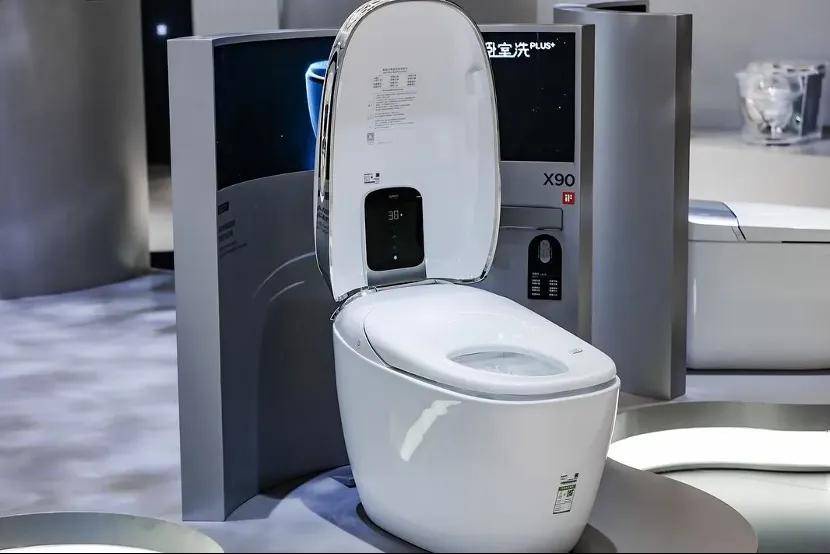
Image: Jomoo X90 Ultra-Quiet Smart Toilet
For instance, the Jomoo X90 features full-path sterilization and red-blue light therapy, achieving 99.99% bacteria removal and anti-inflammatory cleansing. Its one-click urine test function enables health checks without leaving home.
Jomoo also developed a waterless toilet dubbed "Mars tech," winning the Gates Foundation’s "Reinvent the Toilet Challenge" with its "extreme recycling" system—potentially addressing sanitation needs in arid regions and even supporting future Martian habitats.
Like Tesla’s strides in autonomous driving, Jomoo is advancing "robotization."
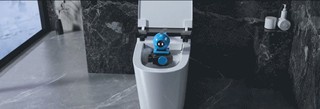
Image: Robot application demo in bathroom scenarios
In June, Jomoo broke ground on a $580 million home robotics industrial park, focusing on R&D for robotic shower systems, dryers, health toilets, and other AI-driven products, collaborating with global tech leaders to establish a new hub for smart bathroom and home robotics innovation.
03 Quietly Changing the World
While Musk’s dream of conquering Mars inspires, a global toilet revolution could equally reshape civilization.
In 2015, an Indian girl named Naer filed for divorce because her husband refused to build a home toilet, sparking the "No Toilet, No Bride" movement. That same year, China launched its "Toilet Revolution" under UN advocacy.
Committed to "making exceptional contributions to civilized living environments," Jomoo quietly developed solutions.
China’s vast regional differences—humidity in the south, corrosion in coastal areas, water scarcity in the northwest—demand tailored approaches. Jomoo’s tech tackles these: anti-bacterial coatings, rust-proof materials, water-saving designs.
By early 2018, Jomoo pledged to build 100,000 clean toilets nationwide, serving hospitals, schools, and tourist sites.
Unlike typical charity, Jomoo’s approach leverages innovation—developing anti-corrosion, sterilization, and water-efficient tech to set new standards for China’s toilet revolution.
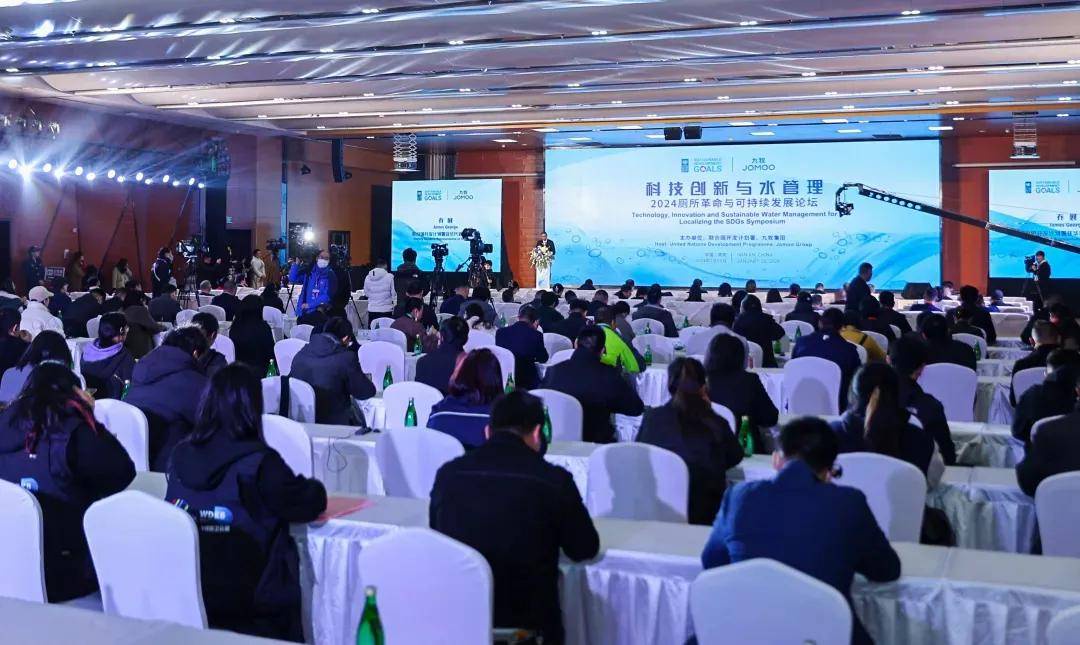
Image: 2024 Toilet Revolution & Sustainability Forum
In January 2024, Jomoo partnered with the UNDP to host the industry’s first Toilet Revolution and Sustainability Forum, sharing China’s expertise in sanitation innovation with the world.
If SpaceX seeks new homes in the cosmos, Jomoo’s goal seems modest: hygienic toilets for all. Yet this small space reflects societal progress and well-being.
04 Epilogue
It’s these idealists who persistently reshape our world.
For now, Tesla and Jomoo’s missions may remain misunderstood. But their "unrealistic dreams," "against-all-odds tenacity," and "tech-for-good" ethos narrate a unique romance—one that earns global respect through groundbreaking products.
The copyright of this article belongs to the original author/organization.
The views expressed herein are solely those of the author and do not reflect the stance of the platform. The content is intended for investment reference purposes only and shall not be considered as investment advice. Please contact us if you have any questions or suggestions regarding the content services provided by the platform.
