



China Feihe collaborates with global experts to discuss early life brain development

On October 22, the first Tan Jiazhen Foundation - China Feihe Global Brain Development Science Summit was held in Beijing. At the summit, experts from home and abroad engaged in lively discussions on cutting-edge research and achievements in early-life brain development.
Laying a solid foundation for health and brain development during infancy and early childhood is key to building a competitive advantage in national talent resources. Lu Lin, an academician of the Chinese Academy of Sciences and president of Peking University Sixth Hospital, stated in his opening speech: "Brain health is the core of human health and an important foundation for social well-being. We need social forces, including visionary organizations like the Tan Jiazhen Foundation and companies like China Feihe, to invest resources in scientific research and jointly strengthen brain health management throughout the entire life cycle, with a particular focus on early-life brain development."
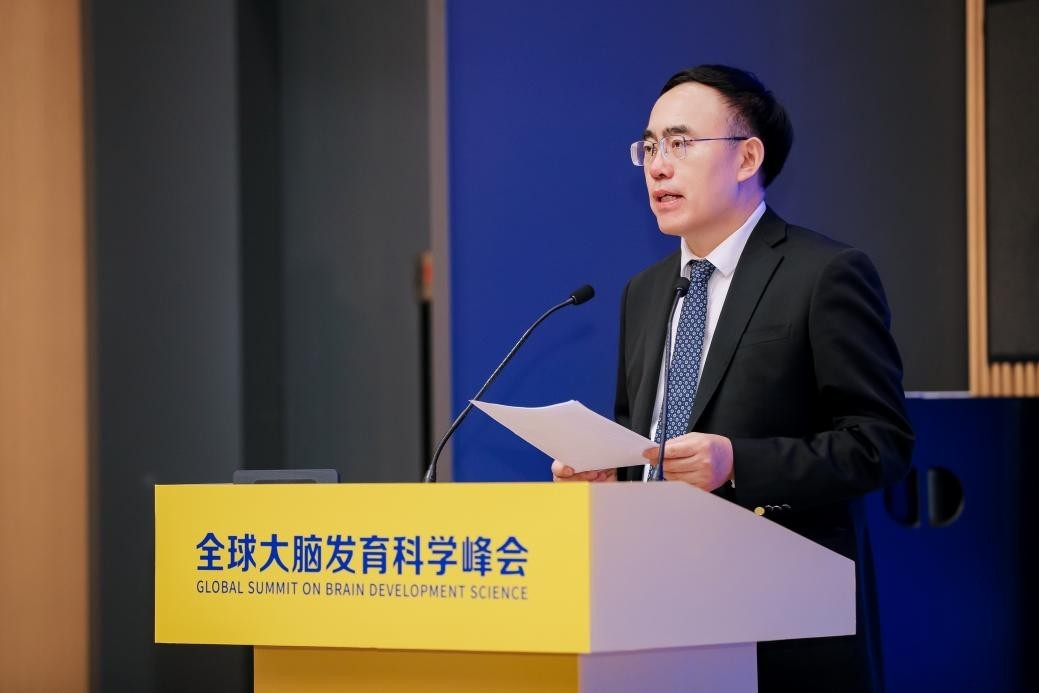
(Photo: Lu Lin, Academician of the Chinese Academy of Sciences and President of Peking University Sixth Hospital)
At the summit, Zuo Xiaoxia, director of the Nutrition Department at the Eighth Medical Center of the PLA General Hospital, pointed out: "Throughout the entire life cycle, investment in children yields the most cost-effective return, with a ratio of 1:7. Early intervention in brain development during childhood can positively impact physical growth, intelligence, and future behavior."
"We should not adhere to 'genetic determinism,' as the postnatal nurturing environment is also crucial. Nutrition and diet are particularly important for brain development, and this awareness should be prioritized. Moreover, nutritional supplementation is generally believed to be more effective the earlier it begins," Zuo Xiaoxia said.
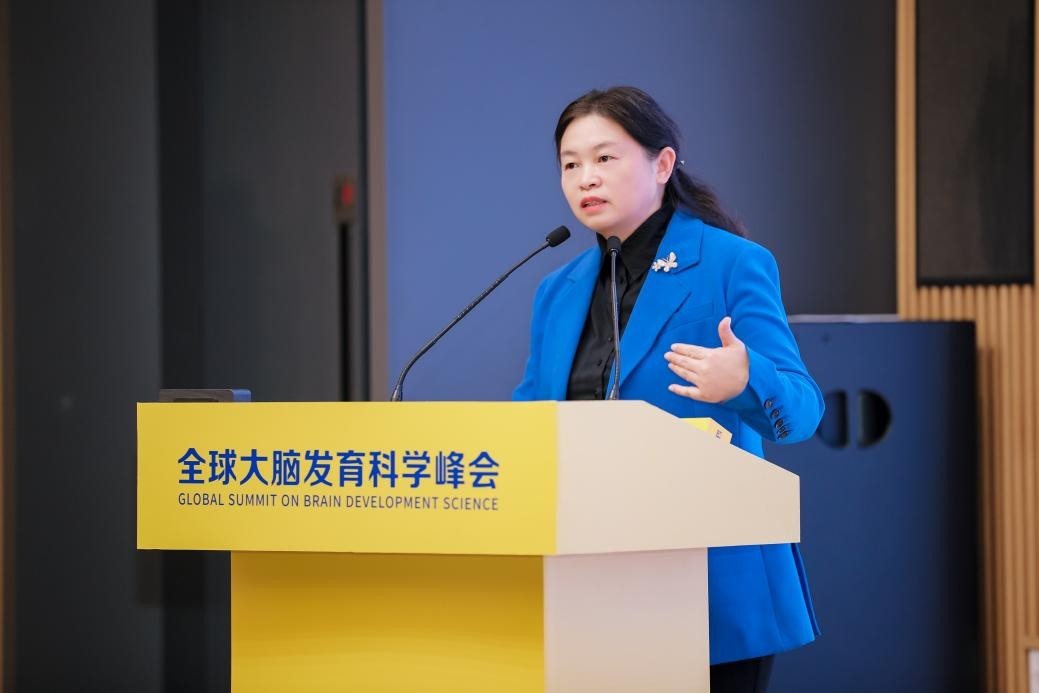
(Photo: Zuo Xiaoxia, Director of the Nutrition Department at the Eighth Medical Center of the PLA General Hospital)
"In fact, there is a 'TDD' concept in early-life brain nutrition that we should follow," explained Xu Yajun, deputy dean of the School of Public Health at Peking University. The first 'T' stands for Timing, referring to the need for specific nutrients at specific biological development stages; the second 'D' stands for Dose, the appropriate amount required for development; and the third 'D' stands for Duration, indicating the suitable length of time for the provision of these nutrients. We aim to provide the right amount during the critical window when the foundation for physical and cognitive potential is being built.
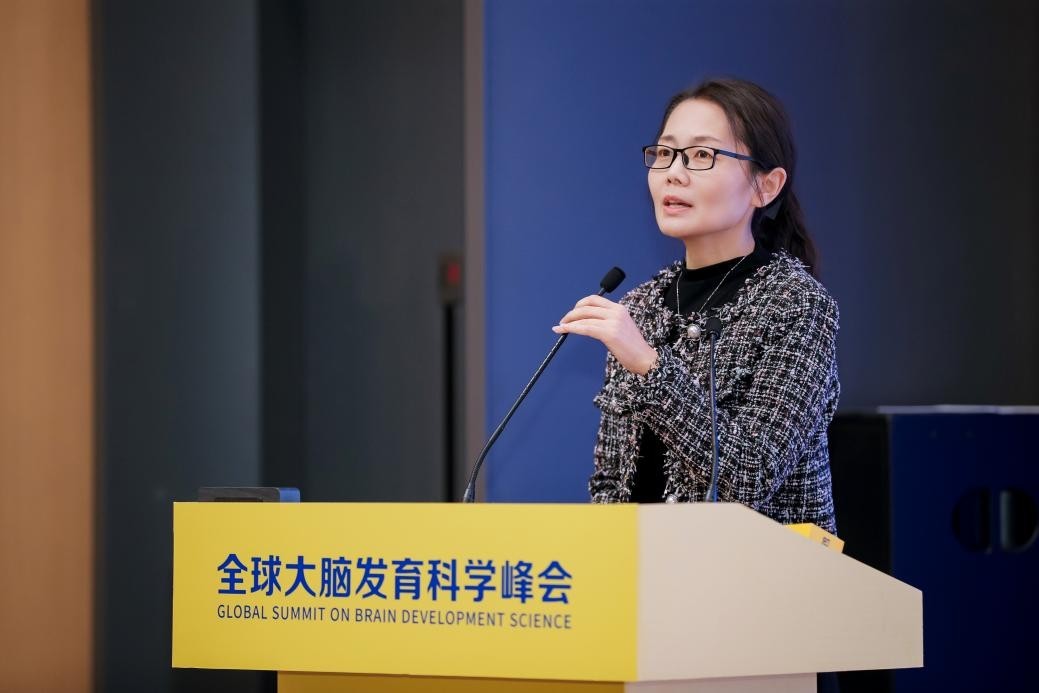
(Photo: Xu Yajun, Deputy Dean of the School of Public Health at Peking University)
Emphasizing brain health and timely nutritional supplementation has become a global consensus. Takao Hensch, a professor of neurology at Boston Children's Hospital and Harvard Medical School, reiterated: "For all of humanity, the infinite potential of the brain is the most precious resource. There is a critical period for brain development, but it gradually closes with age. Therefore, we must seize the time and prioritize brain health early on."
(Photo: Takao Hensch, Professor of Neurology at Boston Children's Hospital and Harvard Medical School)
As one of the organizers of the conference, Jiang Shilong, chief scientist of China Feihe, presented the company's recent scientific achievements at the summit. Feihe discovered that, as important components in breast milk for brain development, the ratio of DHA to ARA is not 'the more, the better.' The two compete and inhibit each other, and an imbalanced ratio can affect normal brain development in infants. Through long-term collection and analysis of breast milk samples across China, Feihe was the first to reveal specific differences in fatty acid ratios between Chinese and foreign breast milk: the ratio of DHA to ARA in Chinese breast milk is 1:1.7, compared to 1:3.5 in Africa and 1:1.9 in Europe. This discovery has brought Chinese infant formula closer to the golden standard of Chinese breast milk. Accordingly, all of Feihe's infant formula products maintain a DHA-to-ARA ratio of 1:1.7.
In the field of brain nutrition research, Feihe has undertaken a key national "14th Five-Year Plan" research project, leading the development of "next-generation infant formula." The company has produced a series of internationally advanced research achievements in areas such as breast milk and brain nutrition, the gut-brain axis, and brain cognition and disease intervention, publishing nine high-level papers in authoritative journals, one professional book, and filing 20 patents related to brain development nutrition.
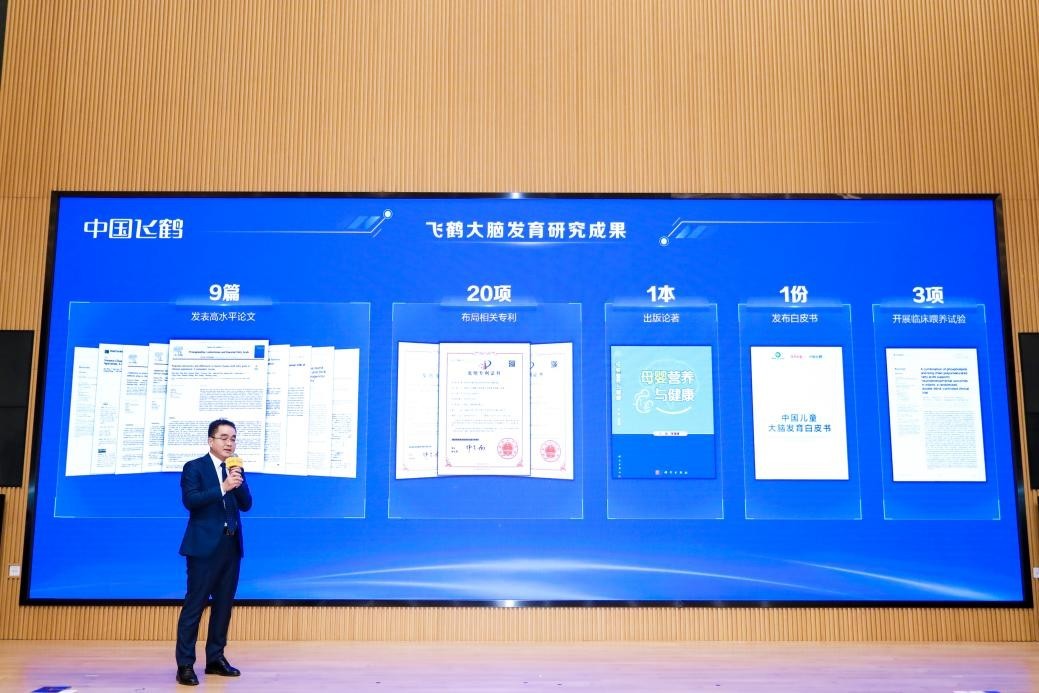
(Photo: Jiang Shilong, Chief Scientist of China Feihe)
At the summit, in addition to discussions on early-life brain development, Ji Xunming, an academician of the Chinese Academy of Engineering and vice president of Capital Medical University, emphasized that brain nutrition throughout the entire life cycle, especially for middle-aged and elderly individuals, should not be overlooked. He pointed out: "In China, hundreds of millions suffer from the 'three highs' (hypertension, hyperlipidemia, and hyperglycemia), and the control rate is alarmingly low, leading to high incidence and recurrence rates of stroke." He called on society to pay attention to and prioritize brain health in middle-aged and elderly populations.
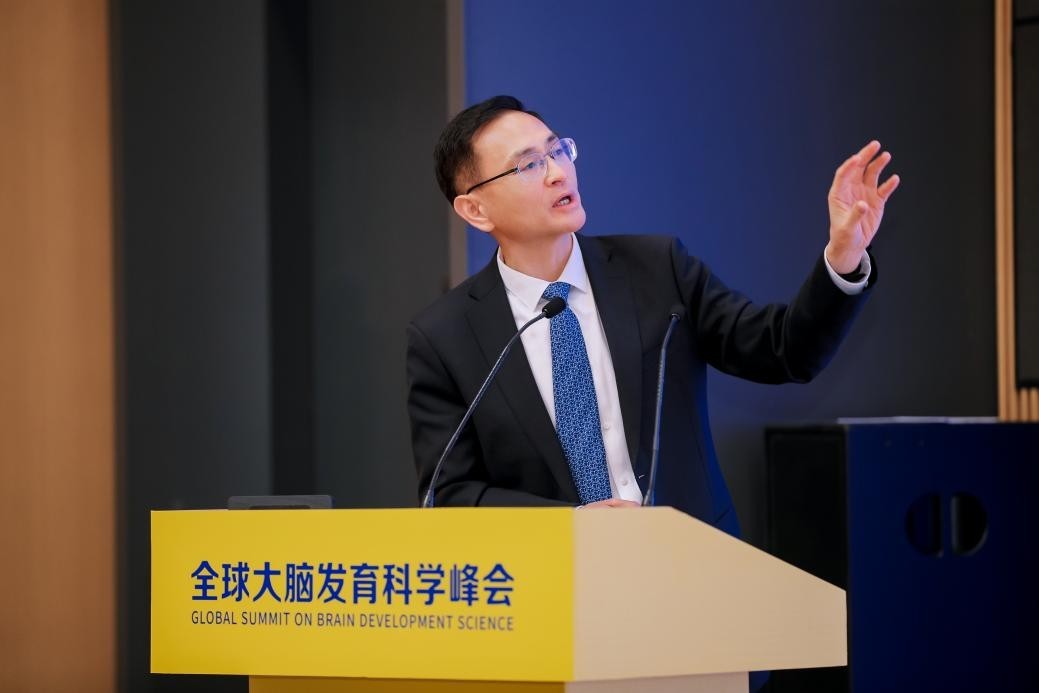
(Photo: Ji Xunming, Academician of the Chinese Academy of Engineering and Vice President of Capital Medical University)
The successful hosting of the Brain Summit has significantly deepened public understanding of brain nutrition science. In the future, Feihe will continue to advance research on infant and lifelong brain nutrition, contributing to the goal of "making the next generation smarter" and helping Chinese people live healthier, longer lives.
The copyright of this article belongs to the original author/organization.
The views expressed herein are solely those of the author and do not reflect the stance of the platform. The content is intended for investment reference purposes only and shall not be considered as investment advice. Please contact us if you have any questions or suggestions regarding the content services provided by the platform.
