


Moyang Biotech completed nearly 100 million yuan in financing: stepping into the hydroxyapatite medical aesthetics track, with broad product landing space but insufficient commercial feasibility?

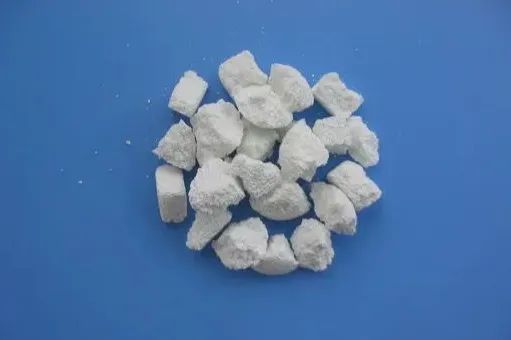
Moyang Biotech has tapped into the blue ocean of medical aesthetics but is also struggling with the commercialization of new products.
Source|Pharmaceutical Research Society
Turning our attention to the medical aesthetics sector, we can see that some startups are receiving strong support from capital, and certain product concepts are gaining traction.
For example, Moyang Biotech, a producer of regenerative medical aesthetic materials, recently completed a Series B+ funding round of nearly 100 million yuan. This round was jointly led by Boyuan Capital, SAIC Hengxu Capital, and Yanbei Capital, with continued support from existing investor Jinding Capital.
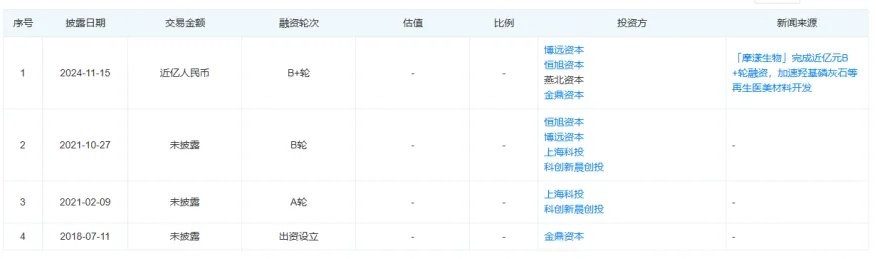
Specifically, the company was founded in 2018 and has focused on the R&D, production, sales, and consulting services of nano-medical biomaterials and absorbable Class III implantable products.
For investors, Moyang Biotech's key appeal lies in its core products, such as hydroxyapatite-based injectables, which have positioned it in an emerging market. However, the commercialization of these products also faces significant uncertainties.
I. Why Has Moyang Biotech Caught the Attention of Investors with Its Core Product R&D?
What is hydroxyapatite?
Hydroxyapatite is widely used in dental and orthopedic fields for bone defect filling. In medical aesthetics, it can be ground into nanoparticles and mixed with water or hyaluronic acid for injection under the skin to provide volume. Moreover, hydroxyapatite is a natural component of the human body, offering excellent biocompatibility and safety.
Given the growing demand for medical aesthetics, hydroxyapatite has broad application prospects. According to ISAPS data, the number of hydroxyapatite treatments in 2022 reached 350,000, a 21% year-on-year increase, with a 5-year CAGR of 16% from 2017 to 2022—higher than that of botulinum toxin (13%) and hyaluronic acid (6%).
It's worth noting that applying hydroxyapatite in medical aesthetics also requires overcoming technical challenges.
Specifically, in the medical field, hydroxyapatite is primarily used as a bioceramic for bone repair. As a dermal filler, it may face issues like slow cellular absorption and degradation, demanding higher R&D capabilities from companies.
Despite being a startup, Moyang Biotech has demonstrated strong technical prowess. Its core R&D team has been dedicated to research in medical calcium phosphates, calcium silicates, polylactic acid, polyamino acids, and bone morphogenetic proteins (rhBMPS) since 2000.
Currently, using its self-assembly technology for mesoporous hydroxyapatite microspheres, Moyang Biotech can customize facial rejuvenation fillers with specific degradation cycles and regenerative stimulation capabilities based on patient needs.
Founder Lin Guangming stated, "Our injectable hydroxyapatite facial filler has a degradation period precisely controlled to around one year, with a margin of error of no more than one month. In all animal trials and over 200 human clinical cases, the material has shown significant stimulation of Type I and III collagen with lasting effects. We expect to obtain Class III medical device certification early next year and begin sales in the first half of the year."
Overall, Moyang Biotech operates in a promising sector and has shown strong commercialization potential, making it hard for investors to ignore. But how much commercial space can it truly unlock with its hydroxyapatite products?
II. Immature Market and Intensifying Competition: Challenges in Commercializing New Products
In fact, Moyang Biotech has built a diverse product portfolio. Beyond hydroxyapatite injectables, its offerings include the "Magic Youth Bottle Series," daily care serums, nighttime repair serums, and antibacterial sprays. The "Magic Youth Bottle Series" alone has generated tens of millions in sales since its launch in the second half of last year.
If hydroxyapatite products gain traction, they could further expand Moyang Biotech's revenue. However, commercialization faces hurdles.
First, hydroxyapatite's application in medical aesthetics is still nascent, with challenges in microsphere preparation technology and limited awareness among doctors and consumers about bone-based fillers. Regulatory approvals are also stringent.
Lin Guangming admitted that ensuring product safety and compliance to meet regulatory standards is a top priority for market strategy. Coupled with the need for market education, Moyang Biotech's cost burden will only grow, necessitating external funding to support next-gen product R&D and promotion.
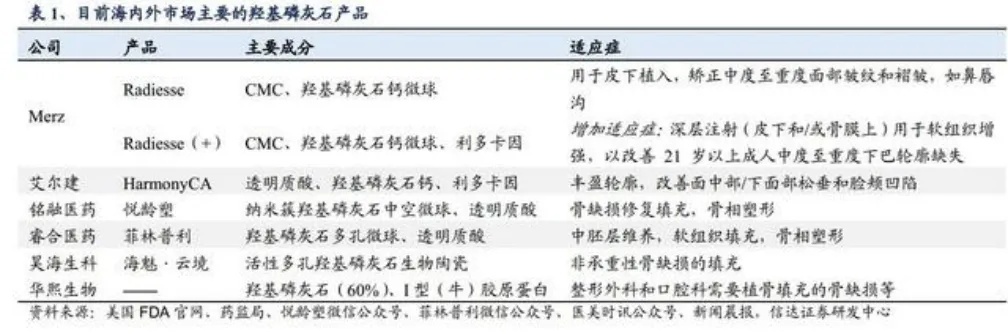
Second, while Moyang Biotech has entered a blue ocean with hydroxyapatite, competition is heating up. Existing products include Radiesse (Merz), HArmonyCA (Allergan), Yuellingsu (Mingrong Pharma), Feilinpuli (Ruihe Pharma), and Haimei Yunjing (Haohai Biological).
As a startup, Moyang Biotech still faces many challenges on its commercialization journey, testing its capabilities in R&D, product planning, and fundraising.
The copyright of this article belongs to the original author/organization.
The views expressed herein are solely those of the author and do not reflect the stance of the platform. The content is intended for investment reference purposes only and shall not be considered as investment advice. Please contact us if you have any questions or suggestions regarding the content services provided by the platform.
