


The Fall of Europe's Battery Star
Once hailed as Europe's battery hope, Northvolt is now mired in a financial crisis, facing a life-or-death test. Last Friday, Northvolt filed for creditor protection in the U.S., and CEO Peter Carlsson stepped down, marking the worsening of the company's predicament. Sales rose from nearly €100 million in 2022 to about €120 million in 2023, but losses far exceeded this, with a deficit of over €1 billion in 2023 and accumulated debts reaching €5.8 billion, leaving only €30 million in liquid assets. The company has struggled to increase battery production, and after BMW canceled its order, austerity measures failed to salvage the situation.
Major shareholders, including Volkswagen Group (holding about 21%) and Goldman Sachs (holding about 19%), have already written down their investments. Volkswagen previously invested about €1.4 billion in Northvolt and may further write it down due to the crisis; Goldman Sachs' managed funds invested nearly $900 million, with the stock expected to be written down to zero by year-end. Additionally, numerous Scandinavian pension funds and other shareholders are deeply concerned.
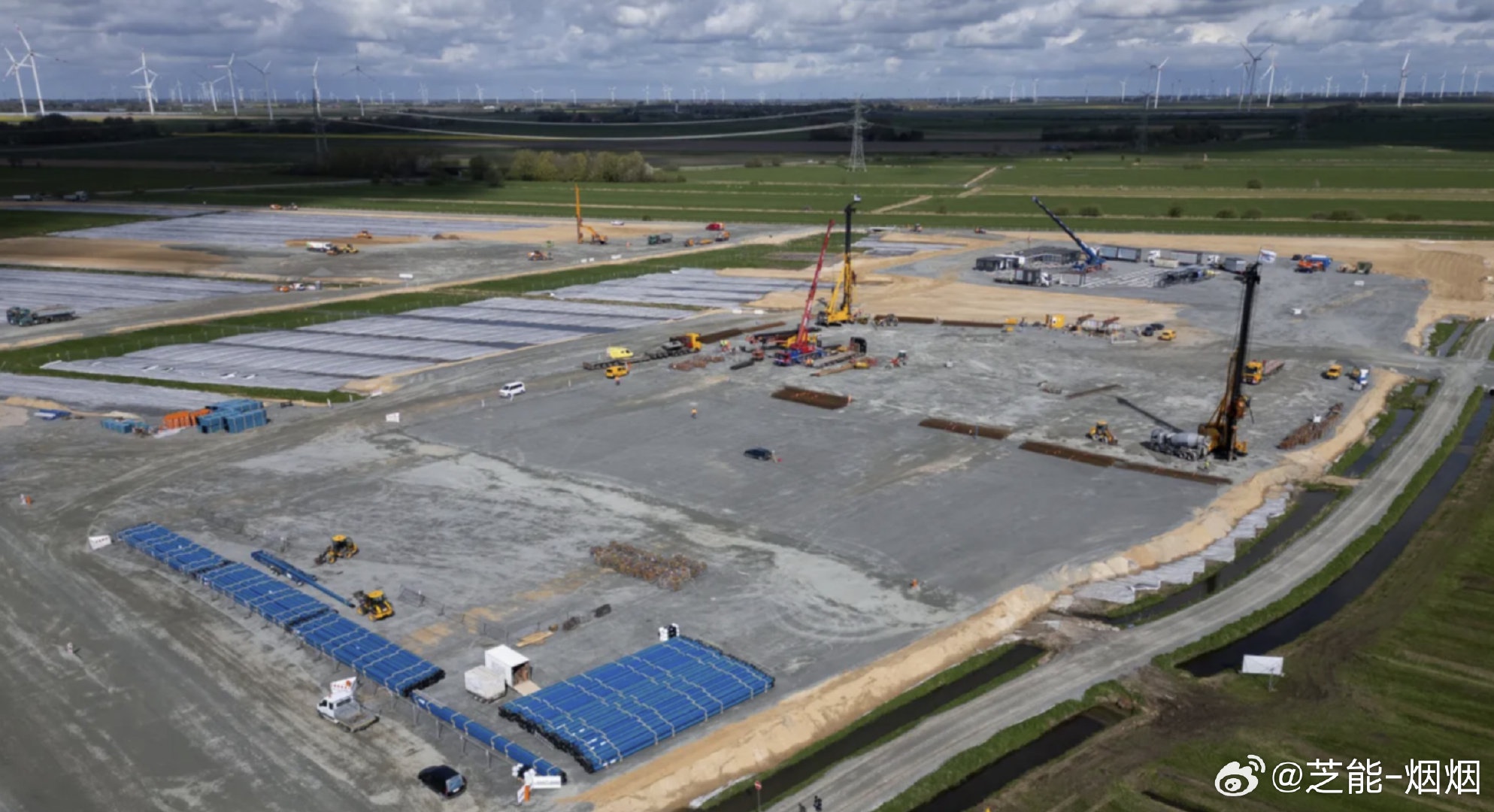
The German government has pledged funding and guarantees for Northvolt's factory in Schleswig-Holstein, but the funds have yet to materialize. Meanwhile, Northvolt faces the impact of Trump's tariff policies on its Canadian project. Despite this, the Federal Minister for Economic Affairs believes the issues are solvable and hopes for a successful restructuring, given the significance of local battery production in Europe. Whether Northvolt can revive remains uncertain.
Reasons for Northvolt's losses include:
Technical Challenges: Encountered technical difficulties in actual battery production, such as quality issues leading to low yield rates, requiring rework and reducing efficiency.Raw Material Shortages: Attempted to build a full battery supply chain but lacked sufficient capability. After financial troubles arose, it had to shut down its battery material factory, relying on imports and further depending on Asian battery supply chains.Low Production Capacity: Far below expected output, resulting in delayed deliveries and lost major orders like BMW.Aggressive Expansion: Adopted an aggressive strategy with monthly cash burn reaching $100 million, leading to massive operating costs. Global factory construction and R&D required huge upfront investments, and building a full supply chain further strained finances.Factory Location Issues: Chose a port city inside the Arctic Circle for its clean hydropower energy but lacked supporting industries and facilities. Mass production has been rocky, with total output by December 2023 reaching only 0.05% of theoretical capacity.Europe's automotive industry is facing a cold winter with weakening demand—this is a total collapse!
The copyright of this article belongs to the original author/organization.
The views expressed herein are solely those of the author and do not reflect the stance of the platform. The content is intended for investment reference purposes only and shall not be considered as investment advice. Please contact us if you have any questions or suggestions regarding the content services provided by the platform.
