
JOMOO's "AI Rhapsody": The bathroom scene enters the era of robotics

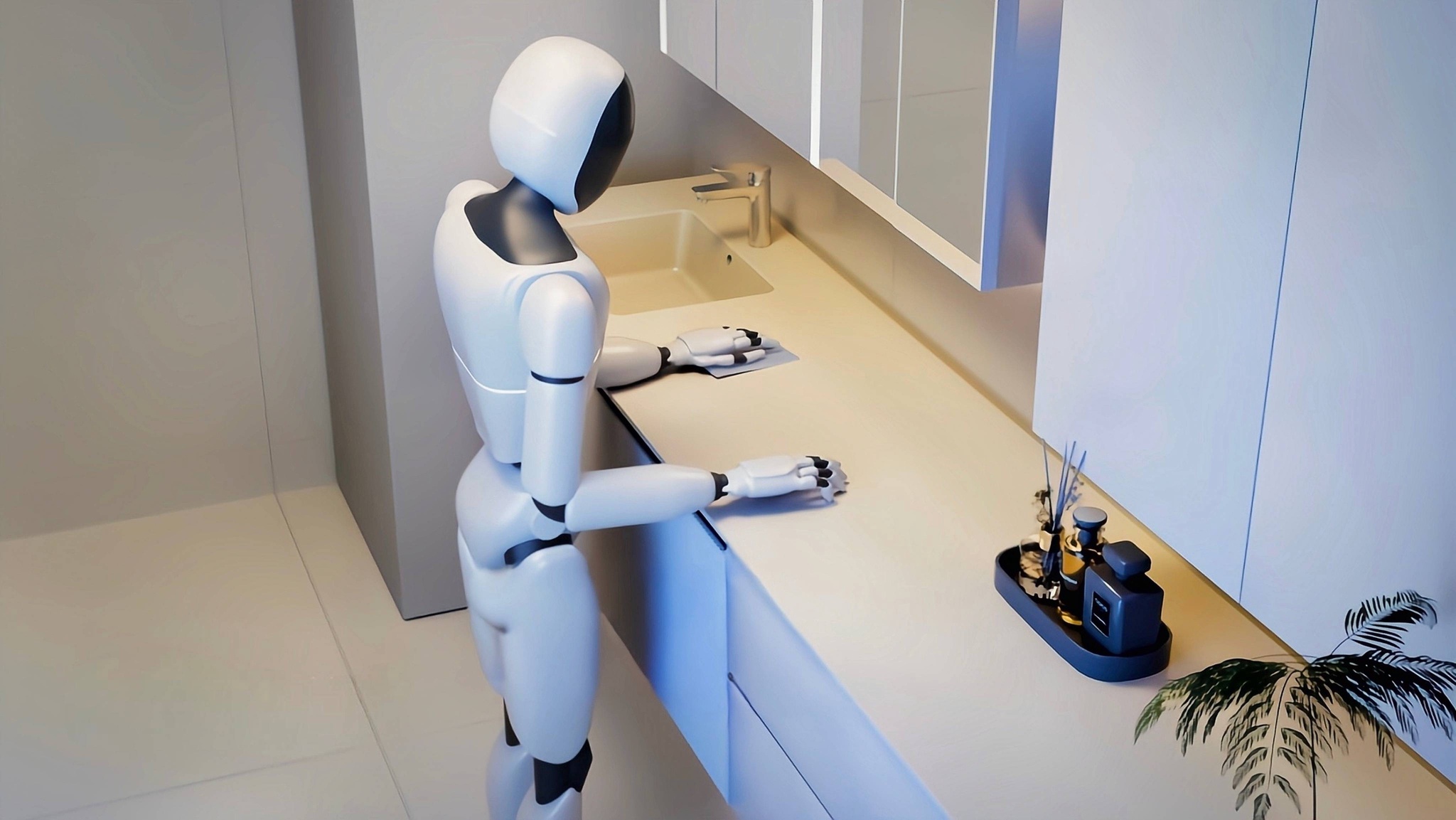
What will bathroom spaces look like in 10 years?
We posed this question to DeepSeek. After 16 seconds of "deep thinking," the output included descriptions like:
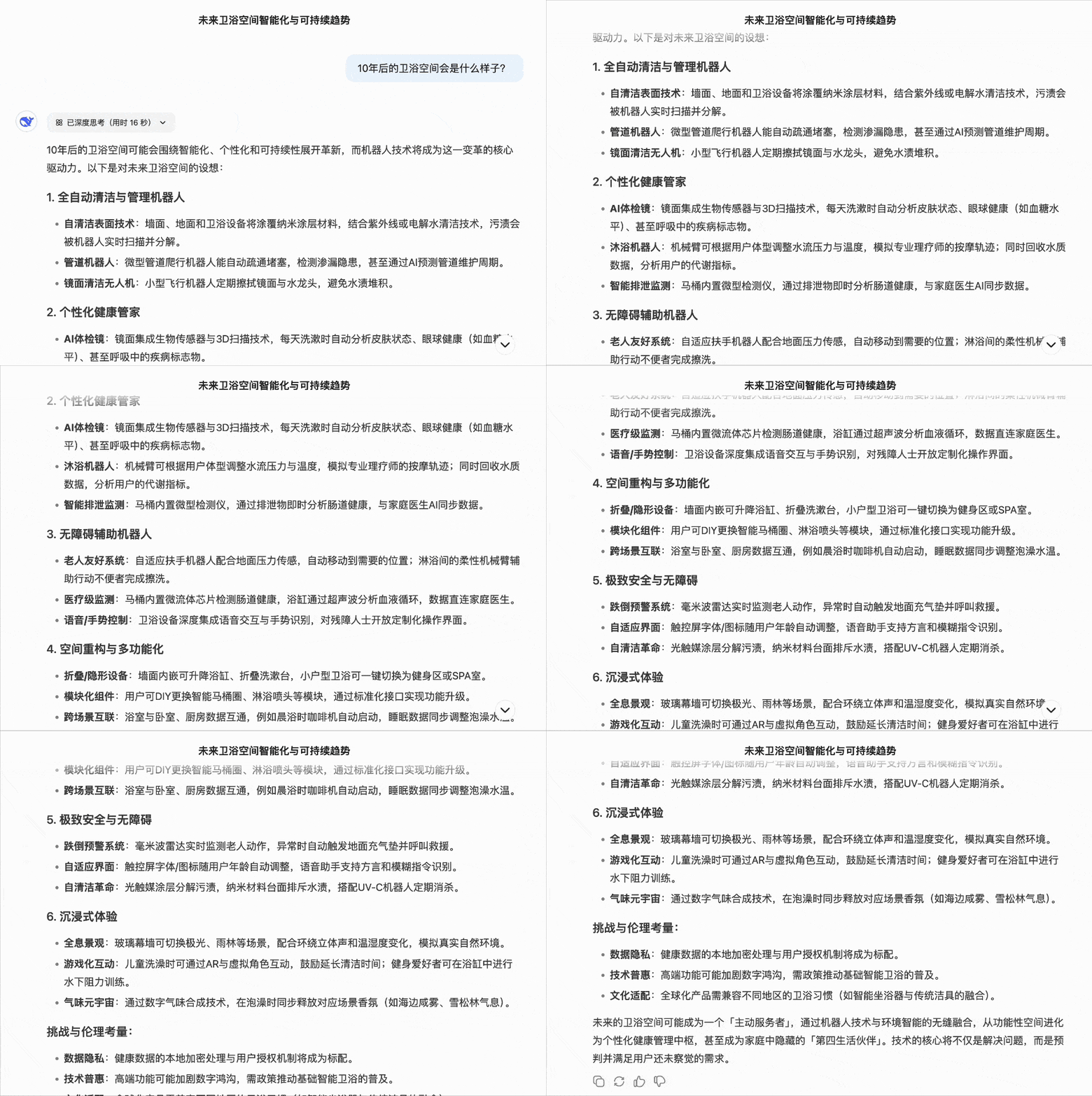
Fully automated cleaning and management robots, personalized health assistants, accessibility support robots... According to DeepSeek, bathroom spaces will evolve into "active service providers," transforming from functional areas into personalized health management hubs, even becoming the "fourth living companion" in households.
It might sound a bit "sci-fi," but a quick look at the cutting-edge trends in the bathroom industry reveals that some companies are already laying the groundwork for the future predicted by DeepSeek.
Recently, JOMOO Group officially launched the first phase of its AI Toilet and Home Robot Industrial Park project. JOMOO collaborated with representatives from several AI and robotics unicorns, including CloudMinds, JAKA Robotics, Tashan Tech, Dreame Technology, Benmo Technology, Inno Robotics, Realman Intelligent Technology, and Qingyun Intelligence, to unveil a trillion-yuan industrial ecosystem.
01 The "Spark" Between Robotics and Bathrooms
In 2025, the hottest economic topic is undoubtedly robotics.
After Unitree's humanoid robots went viral during the Spring Festival Gala, the industry gradually reached a consensus: 2025 is seen as the first year of mass production for robots, with home robots, elderly care robots, and companion robots entering households becoming a present reality.
This trend is reflected in the market. Beyond Unitree's humanoid robots, Midea has produced and delivered over 80,000 industrial robots, Haier Group expanded its robotics footprint by acquiring a stake in Siasun, and DJI, the disruptor in the drone industry, has included smart robots in its business scope... Driven by the "first-mover economy," more industry leaders are embracing robotics+ strategies.
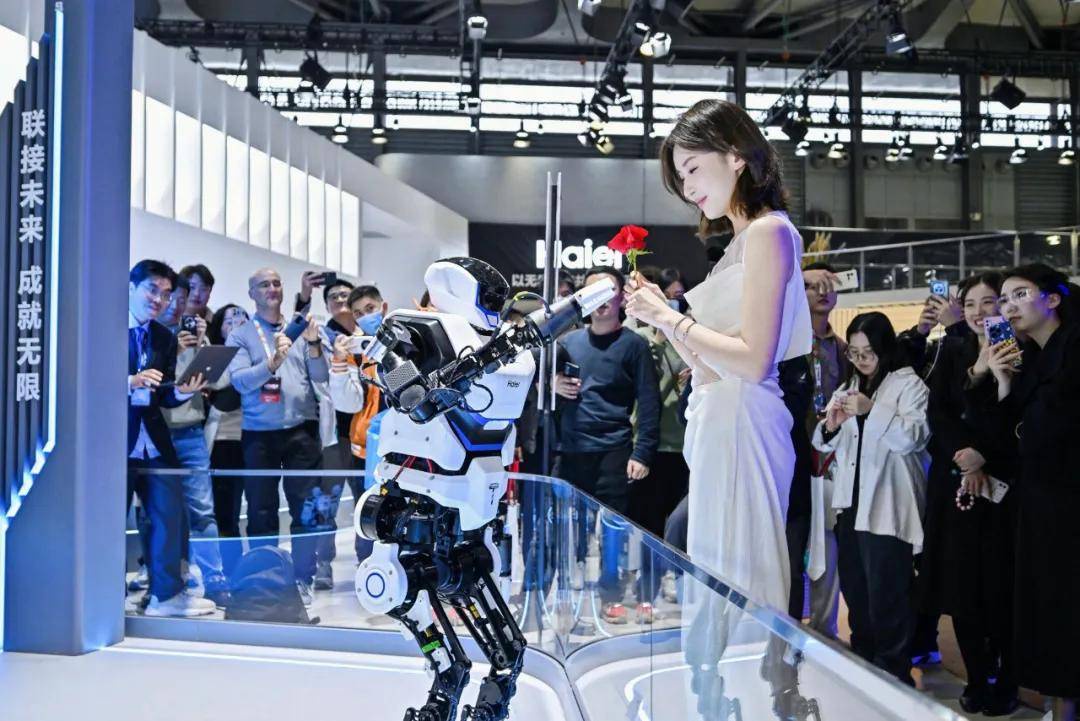
Image: Robotics products exhibited by Haier
Among them is JOMOO Group, a leader in the bathroom industry.
Rewind to September 2023, when JOMOO signed the agreement for its AI Toilet and Home Robot Industrial Park, located in Quanzhou's Nanying National High-Tech Zone.
According to reports, the industrial park has a total investment of 5.8 billion yuan, covering 330 acres. It will focus on "three centers and two lighthouse factories," including a global R&D and production conversion center, a global design and production conversion center, an industry-academia-research production conversion center, a core components lighthouse factory, a home robot lighthouse factory, and a high-end talent community.
The AI toilet and home robot factory will prioritize research and production of next-gen AI and robotic bathroom products, such as robotic shower systems, robotic dryers, robotic bathroom cleaners, and robotic health toilets, mainly for bathroom and kitchen scenarios to address daily household pain points.
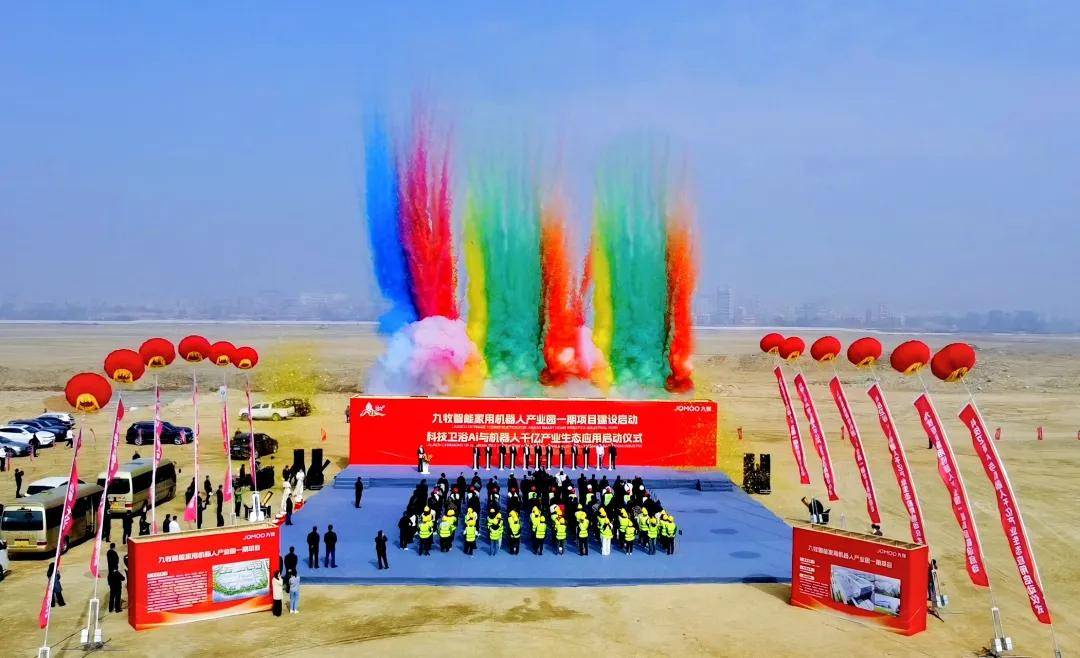
Image: Launch ceremony for Phase 1 of JOMOO's AI Toilet and Home Robot Industrial Park
The first phase includes the global R&D and production conversion center and the global design and production conversion center, integrating global resources to create a new hub for smart bathroom and home robot innovation.
This marks another step forward in JOMOO's "Tech Bathrooms, Global JOMOO" strategy. By seizing AI and robotics opportunities and deeply integrating bathroom robotics, JOMOO aims to lead the industry into the AI and robotics era.
From a consumer perspective, how will JOMOO's robotics strategy impact daily life?
A demo video of robotic bathroom products offers a glimpse. The most impressive is the "shower robot"—when you enter the shower, smart shower devices on the walls automatically spray warm water, robotic arms apply shower gel for a massage, and the system rinses you off. The entire process requires no manual intervention, offering a luxurious spa-like experience.
But the innovations don’t stop there.
Robots will "take over" our lives: toilet robots will clean automatically after use, cleaning robots will maintain dry and tidy countertops, and foot-washing robots will deliver warm water on demand... Scenes once seen only in sci-fi movies may become commonplace within a decade.
02 JOMOO's Mission as an Industry Pioneer
To some, this might still seem "sci-fi."
A decade ago, self-driving cars were considered a distant dream. Yet by early 2025, BYD and Huawei were promoting "universal smart driving," with even entry-level cars priced at 70,000 yuan featuring autonomous capabilities. The once-unthinkable has become mainstream.
This follows a proven industrial pattern: the "lead goose effect."
When geese fly in formation, one leads to make the group more efficient. Similarly, industry innovators—"lead geese"—drive progress through breakthroughs in tech, market strategies, and ecosystem development.
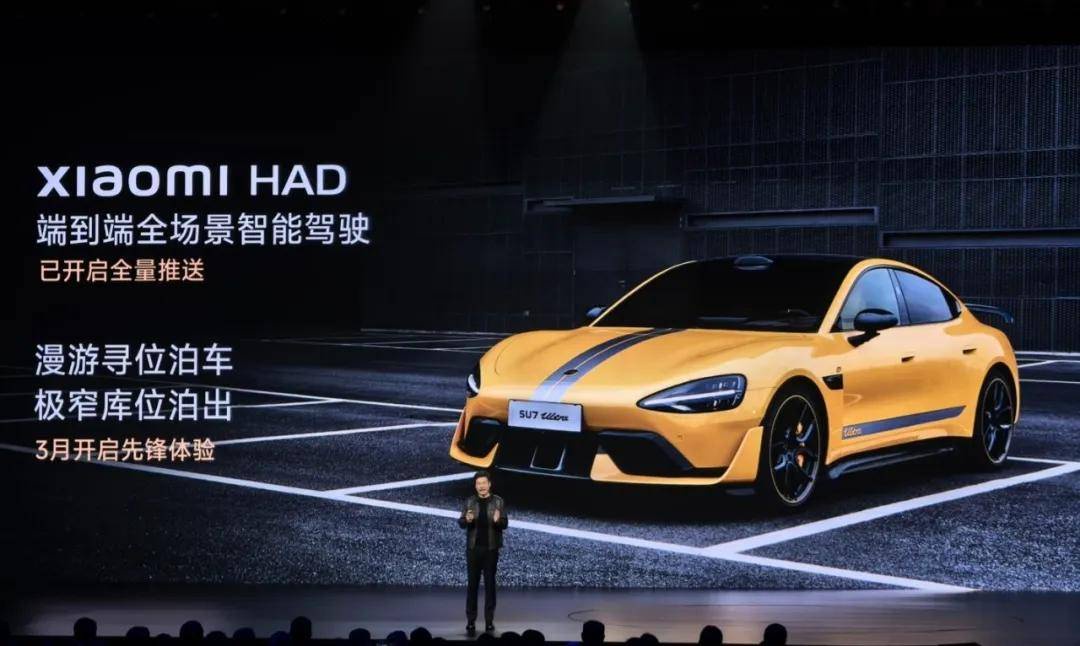
Image: Xiaomi rolls out full smart driving capabilities
In autonomous driving, BYD and Huawei were the "lead geese," tackling technical challenges and reducing costs to create new opportunities.
In the bathroom industry, JOMOO plays this role, driving digital and smart transformations.
The "toilet cover incident" a decade ago is often cited as a turning point, sparking a shift toward smart toilets and digitalization. JOMOO, known for adaptability, emerged as a leader.
Around 2015, JOMOO digitized its supply chain, marketing, and R&D. Older factories were upgraded, while new ones were built to Industry 4.0 standards. It also established technical standards for industrial robots, sensors, and hardware, accelerating digital transformation across the supply chain.
If digitalization reshaped management, the next phase—intelligent upgrades—is revolutionizing the entire industry.
JOMOO has pioneered multiple "firsts." For example, the X90 ultra-quiet smart toilet features the world’s first intelligent motor-flush technology, ushering in a "silent era." Its health-monitoring urine analyzer tracks 13 health indicators, setting new trends in "aesthetics, wellness, and health."
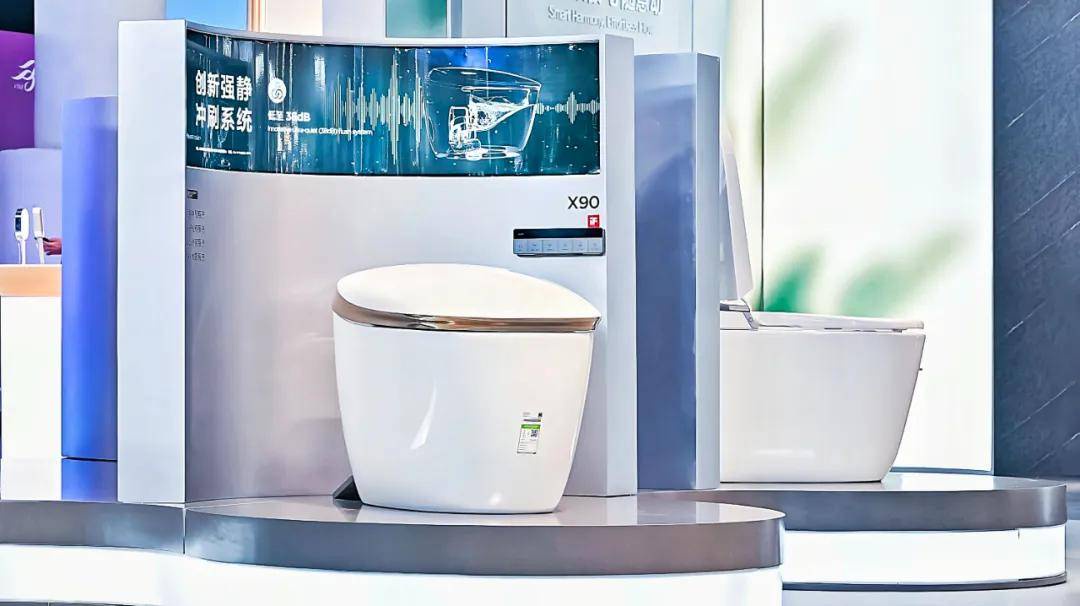
Image: JOMOO X90 Ultra-Quiet Smart Toilet
In production, JOMOO sparked an efficiency revolution.
Its "green lights-out factory" operates 365 days without human intervention, using 5G robots, AGVs for transport, and MES dashboards for real-time monitoring. This boosts productivity by 35%, cuts labor costs by 20%, improves management efficiency by 20%, and shortens R&D cycles by 15 days.
The results speak for themselves: DeepSeek lists "health monitoring" as a top smart toilet trend, and JOMOO’s factory ranks among China’s top 100 smart factories. Consumers have witnessed JOMOO’s innovations becoming industry benchmarks.
Now, as AI and robotics emerge, JOMOO is leading again, partnering with industry players to seize this trillion-yuan opportunity.
03 The Battle for a Trillion-Yuan Blue Ocean
Why is JOMOO, three years ahead of the industry, collaborating with partners to enter robotics?
This ties into an economic concept—the "first-mover economy," covering first releases of products, new business models, services, and technologies.
Unlike the "flagship store economy," the first-mover economy emphasizes full-chain development. Beyond short-term buzz from product launches, it builds ecosystems around R&D, promotion, and sales, driving innovation and industrial upgrades.

JOMOO’s "firsts" in smart toilets—like full-waterway sterilization, red-blue light therapy, and platinum deodorizing systems—earned it the title of "2023 global smart toilet sales leader" and "No. 1 in China, top 3 worldwide."
Having reaped first-mover benefits, JOMOO understands the importance of collaborative innovation.
While some cities wonder why they didn’t produce robotics "unicorns," Quanzhou, Fujian, is focusing on advanced manufacturing and strategic clusters, creating a regional "industrial brand" through chain aggregation.
This means encouraging leading companies to build industrial parks and attracting SMEs to join, sharing R&D, logistics, and energy resources to form "upstairs-downstairs" supply chains.
As a "chain leader," JOMOO has planned 13 industrial parks, built 2.9 million square meters of space, attracted 350 upstream/downstream firms, and increased local supply chain integration from 35% to 85%.
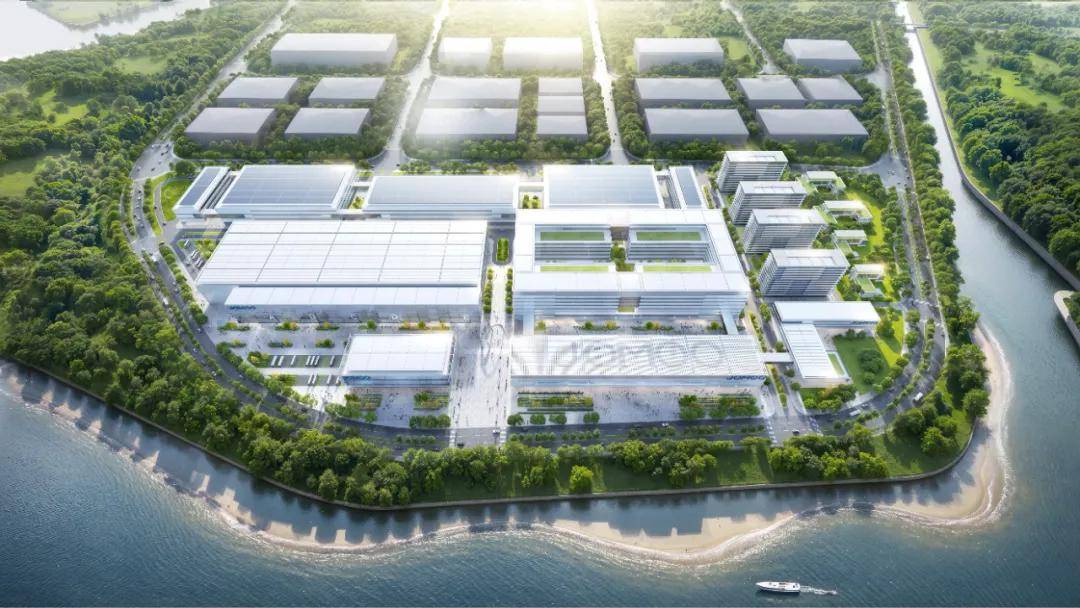
Image: JOMOO AI Toilet and Home Robot Industrial Park blueprint
The rationale is simple: cities must leverage local strengths. JOMOO’s project is Quanzhou’s answer—letting "chain leaders" guide growth and capture opportunities.
As robotics matures, the focus shifts from lab "potted plant" innovations to industrial "forest" expansion, requiring collaboration to break cost and tech barriers.
Like the EV revolution, robotics’ rise depends on ecosystem vitality. To become as ubiquitous as smartphones, robots need thriving industrial ecosystems. The real competition is over supply chains.
Soon, JOMOO may debut the first "AI bathroom product," harnessing first-mover advantages to dominate the smart bathroom and home robot market.
04 Closing Thoughts
Robotics is the "jewel in the crown of manufacturing," reflecting a nation’s tech and industrial prowess.
Bathrooms, too, mirror manufacturing capabilities.
In traditional manufacturing, Western brands ruled. In the electronic era, Japanese brands took the high-end market. Now, Chinese firms like JOMOO are shaping a global premium image through "smart manufacturing."
With AI and robotics, global manufacturing will transform, and JOMOO-led Chinese bathroom innovation may soon lead the world.
The copyright of this article belongs to the original author/organization.
The views expressed herein are solely those of the author and do not reflect the stance of the platform. The content is intended for investment reference purposes only and shall not be considered as investment advice. Please contact us if you have any questions or suggestions regarding the content services provided by the platform.
