

 Likes Received
 Posts
PostsUnderstanding Lei Jun (Kingsoft Chapter)

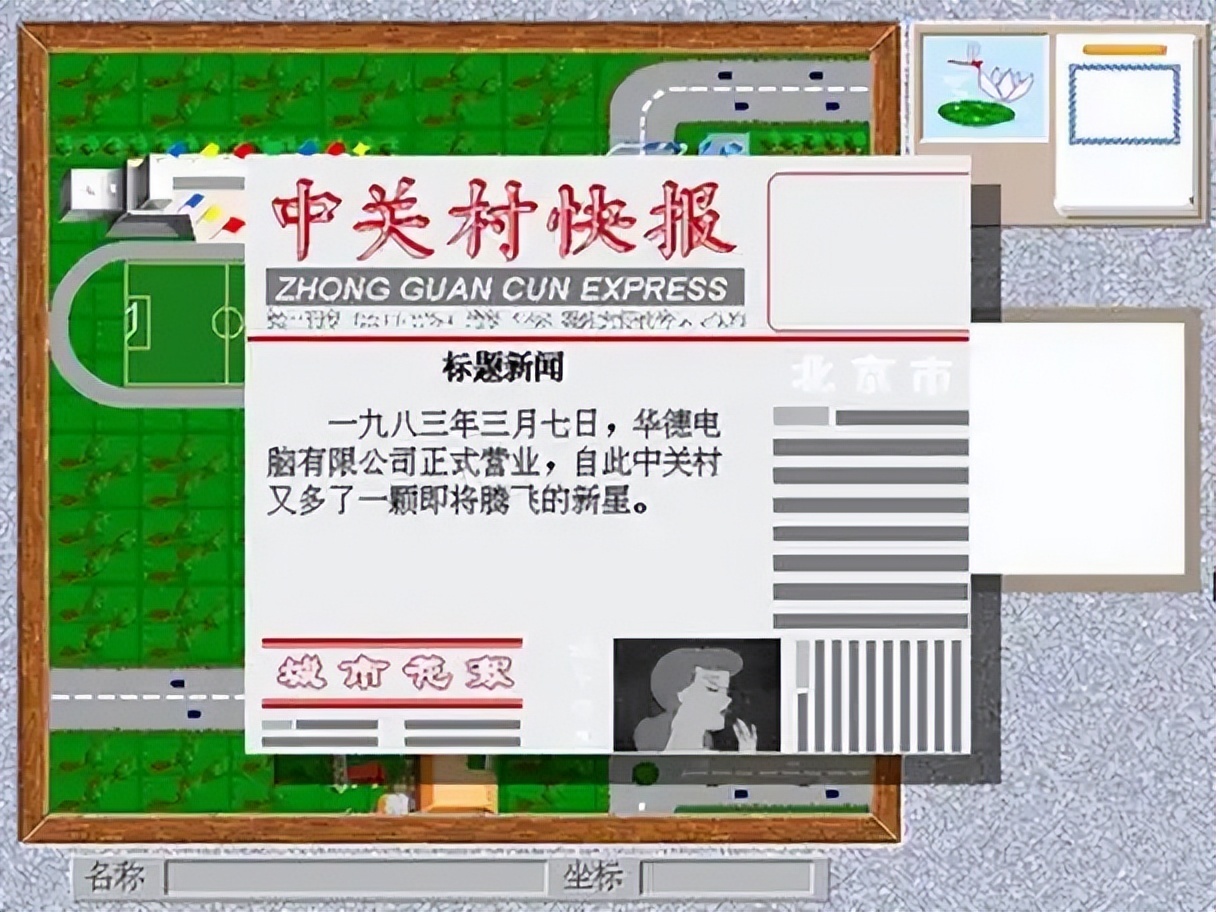
In 1996, Lei Jun led Kingsoft to develop the first DOS operating system version of a game called "Zhongguancun Revelation". Eleven years later, after years of hard struggle, Kingsoft went public relying on its gaming business, with a market value of 700 million HKD. Lei Jun felt a huge weight lifted off his shoulders.
Lei Jun holds a special significance for me. I was both a former employee of his at Kingsoft and a user and shareholder of Xiaomi. More importantly, the values he advocated when founding Xiaomi deeply influenced me. Because of my work in financial content creation, I have now become an entrepreneur in the content creator industry.
Beyond admiring this "national idol," can his experiences and thoughts bring some inspiration to ordinary people's lives and work?
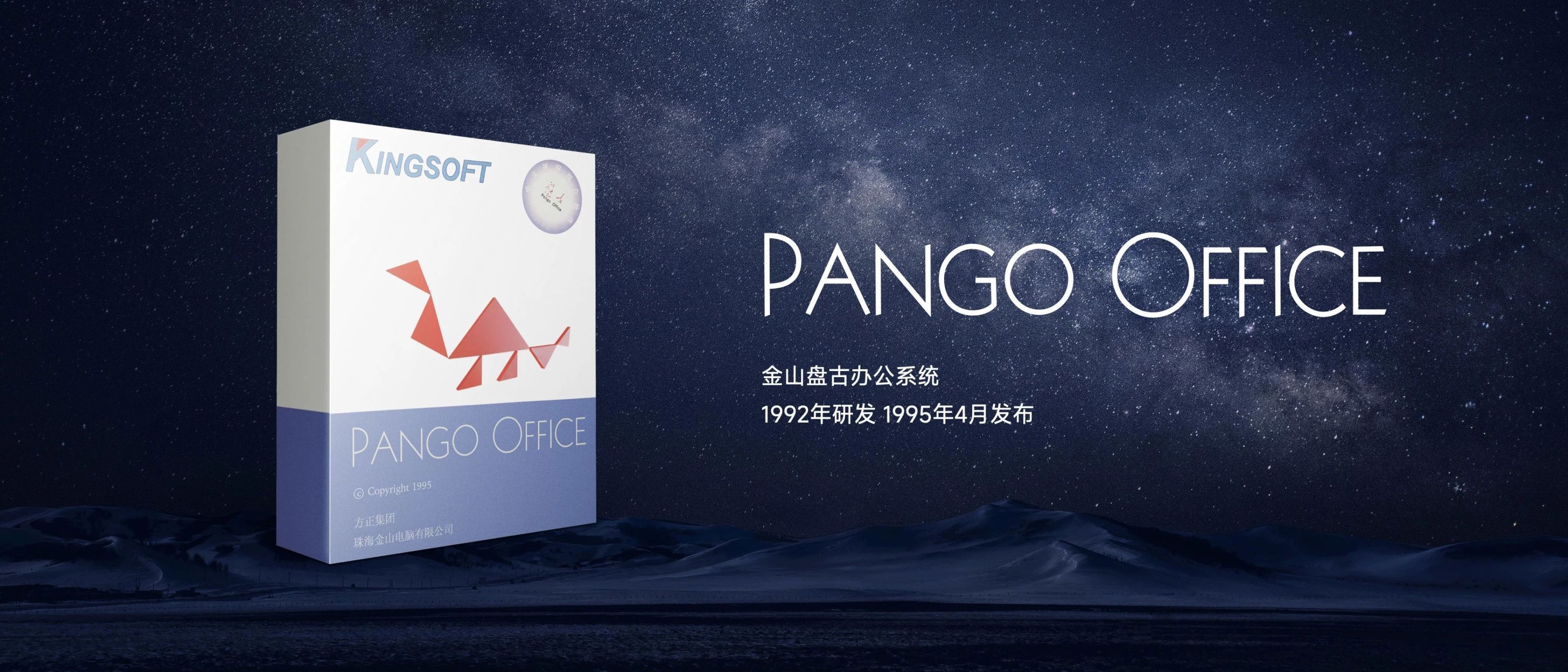
In fact, in 1995, before the release of "Zhongguancun Revelation," Lei Jun had just experienced a major career setback. He personally led and developed the "Pangu Suite" for three years, which failed due to unclear market demand. Before developing "Zhongguancun Revelation" in 1996, Lei Jun took a six-month leave of absence after resigning. That year, he was 26 years old.
It can be said that Lei Jun's 20s were no different from most ordinary people. By today's standards, a top university graduate with a computer science degree working as a R&D lead at a small startup might not be considered an outstanding resume by Xiaomi's HR. In fact, how Lei Jun joined Xiaomi remains a mystery today.
If one word could describe Lei Jun before 30, it would be "stubborn."
In school, he was the top student, finishing "Fire in the Valley" in one day, then going to Wuhan University's track to test the rubber surface, deciding to complete all credits in two years, and vowing to start a great company.
However, before 30, Lei Jun had dreams but hadn't made much tangible progress toward his goals.
At this time, Lei Jun was smart but relied more on brute force. After meeting clients during the day, he would write code alone at night. Like other young people, he believed hard work would pay off. If there were no results, it must be because he hadn't worked hard enough.
After the "Pangu failure" in 1995, Lei Jun refused to communicate with colleagues, spending his days as a "keyboard warrior" on forums. He even wrote a resignation letter to Qiu Bojun, who told him to take a break. In reality, Kingsoft was on the brink of survival, with almost no money left to pay salaries.
That year, outsiders described Lei Jun as "having lost his ideals and fighting spirit."

For Lei Jun, the only thing that could limit him was time.
Even during his low point, Lei Jun wasn't idle. He just switched tracks to things outsiders saw as "distractions," like forum moderation.
Because of his programming background, he typed quickly and soon became a BBS forum moderator, where he met two future tech giants: Ding Lei and Pony Ma.
Although Lei Jun had no direct business dealings with these two internet moguls later—competition far outweighed collaboration—Ding Lei and Pony Ma were significant to him. Through these friends who started businesses in the south, Lei Jun gained a crucial insight: the "internet" boom was coming.
After the "Pangu" failure, Lei Jun regrouped and returned to Kingsoft. This time, he did three things.

First, he ventured into gaming. The Xishanju Studio released "Zhongguancun Revelation" in late 1996. This rudimentary DOS project laid the groundwork for the later hit "Swordsman" series. More importantly, Lei Jun found Guo Weiwei, who would become Xishanju's core figure.
Second, he launched the WPS97 project, compatible with Windows and competing with Microsoft Word97 while retaining Chinese-specific features. WPS97 officially launched in September 1997, selling 13,000 copies in two months, becoming Kingsoft's turning point. Through the "Red Genuine Storm," they not only priced it at one-third of Word's cost but also cracked down on piracy, gradually reclaiming lost ground.
Third, he closely monitored internet developments. Overseas, Netscape was founded in 1994 and went public in 1995; Yahoo was founded in 1995 and went public in 1996. The first wave of the internet boom made the under-30 Lei Jun feel the power of the "trend." The internet's technological wave was 颠覆 ing the traditional software industry. Lei Jun thought if he didn't act, he might lose the initiative again, as in the competition with Microsoft.
Lei Jun's first idea was investment.
In 1998, he approached Ding Lei, founder of the year-old NetEase, hoping to acquire it for 10 million RMB. Ding declined. Two months later, NetEase announced a $10 million funding round at a $60 million valuation—this time in USD.
Failing to invest, Lei Jun decided to build internally.
That year, Kingsoft restructured. Lenovo invested $4.5 million, becoming its largest shareholder, and Lei Jun became CEO, leading management and strategy. He also founded the 卓越事业部, precursor to Joyo.com.
Lei Jun partnered with Gao Chunhui, a top personal webmaster, isolating Joyo from Kingsoft's existing business. After over a year of development, Joyo launched in May 2000.

With immature internet infrastructure, Lei Jun would test every banner and button on Joyo daily as "Tester Xiao Lei," ensuring no errors. He knew software had no silver bullet—Murphy's Law was magnified here; anything that could go wrong would.
But Joyo was ill-timed. The 2000 dot-com bubble burst. E-commerce required long-term investment. Though Lei Jun had early success and some wealth, it wasn't enough for platform operations.
In 2003, SARS introduced Alibaba's new 淘宝. In 2004, Tencent listed in Hong Kong at a 7.2 billion HKD valuation. Joyo, unlucky to meet Alibaba's rise, struggled for years before selling to Amazon for $75 million. Though profitable, Lei Jun again missed his dream of "building a great company."

Reflecting on Joyo's "failure," Lei Jun gained his second insight: "Entrepreneurship needs luck. No matter how smart or hardworking, never underestimate timing."
By 2005, Lei Jun refocused on Kingsoft's internet 转型. Products like "Kingsoft Antivirus" and "Kingsoft PowerWord" emerged. Kingsoft seemed stable, but its IPO was urgent.
Employees asked Lei Jun when Kingsoft would list. Every year, they promised family "next year," but it dragged on.
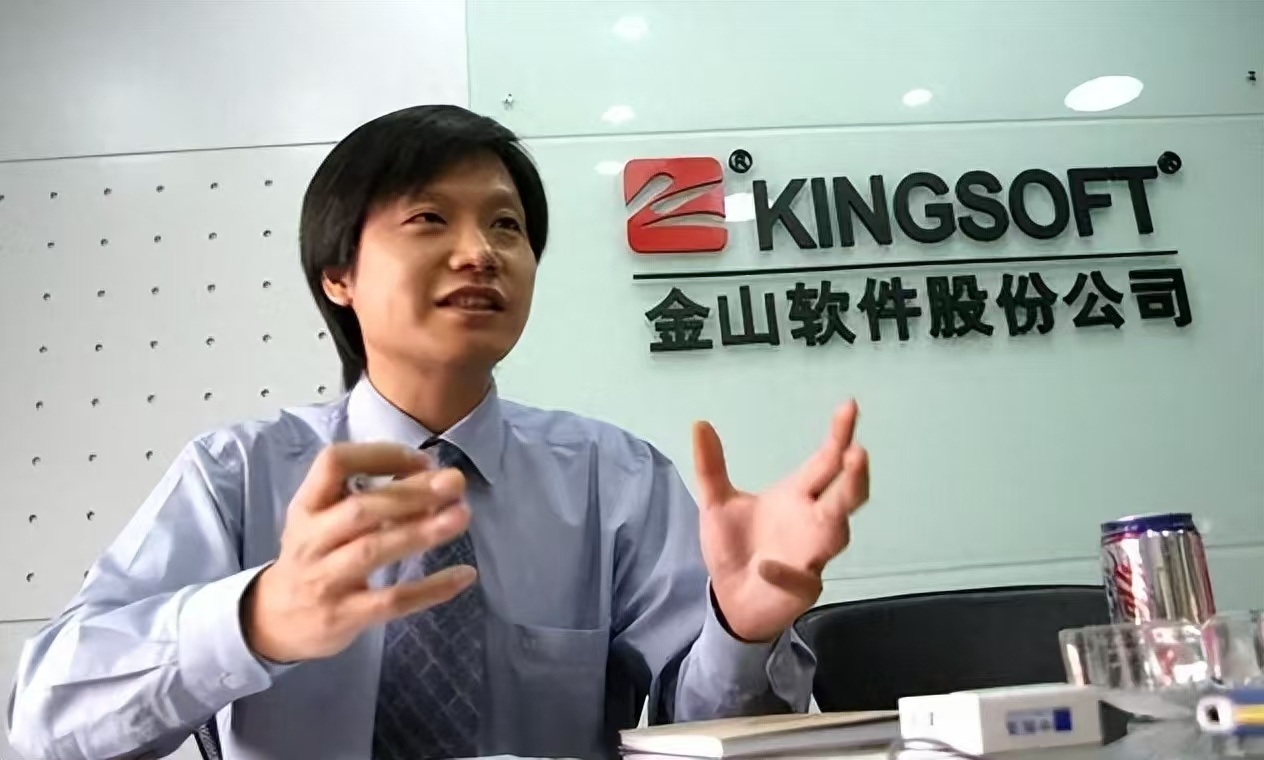
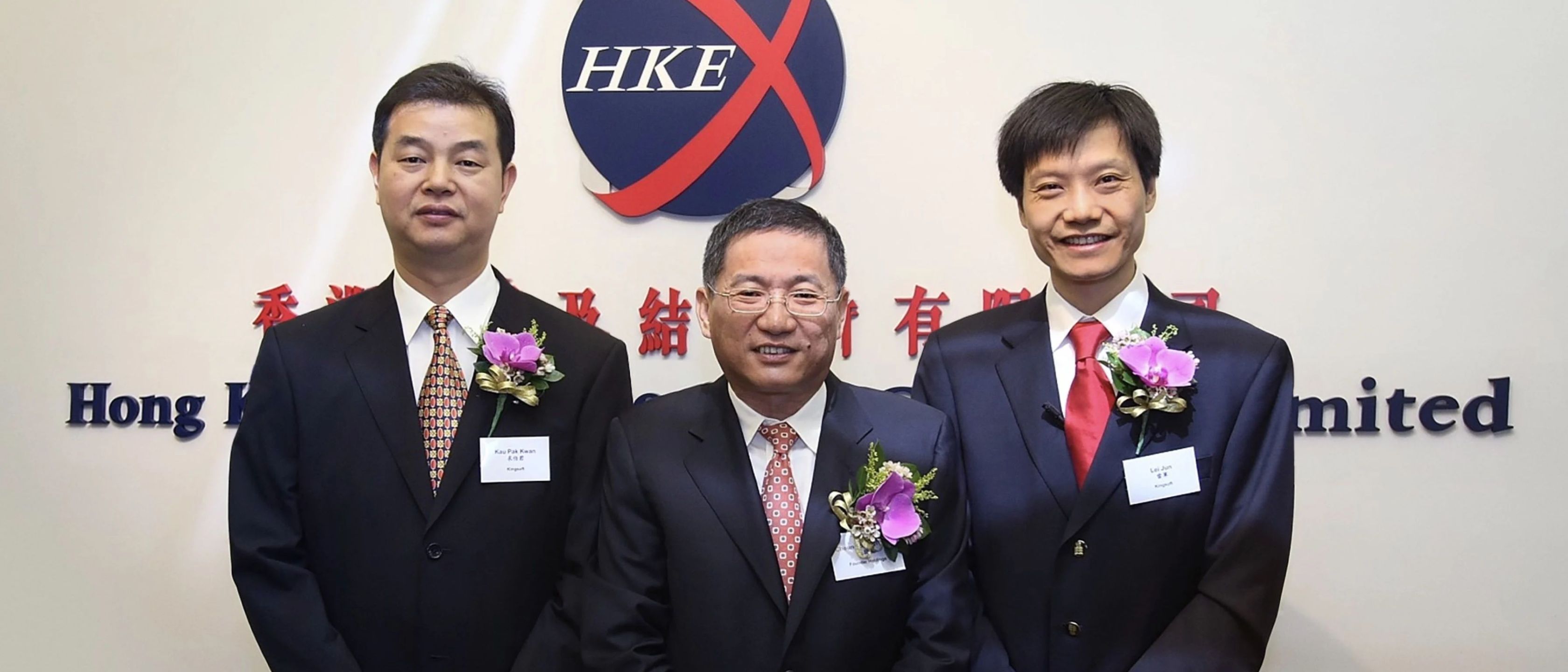
Finally, through gaming, Kingsoft listed on the Hong Kong main board on October 9, 2007. The one-hour trip from Zhuhai to Hong Kong took 19 years. Ironically, Kingsoft's core revenue wasn't from WPS but Xishanju's games.
"Dreaming Kingsoft" records: Compared to Tencent's high-profile IPO, Kingsoft's was quiet, even obscure.
Eight years of IPO efforts exhausted Lei Jun. At year-end, he wrote a farewell letter, retaining shares but leaving management.
The rest is familiar: angel investing, founding Xiaomi feeling "unaccomplished," coining "a pig can fly in a whirlwind."
But as Xiaomi 1 development surged, Kingsoft faced crisis.
On a May 2011 morning, Kingsoft co-founders Zhang Xuanlong and Qiu Bojun visited Lei Jun: Kingsoft was to be "sold."
Fan Haitao's "Endless Life" details this. Post-Lei Jun, Kingsoft stagnated, losing talent. New management lacked his cultural and strategic grasp.
The visit was a "coup." The message: "If you won't return, let's sell to end the pain."
After they left, Lei Jun sat alone, recalling meeting "WPS Father" Qiu Bojun in 1991. Qiu,高大英俊, had coded WPS 1.0's 120,000 lines alone in 400 days at a Shenzhen hotel, becoming legendary.
At that exhibition, Lei Jun handed Qiu a 名片 with just his name and pager number. Qiu's read: "Vice President, Hong Kong Kingsoft."
Twenty years later, selling Kingsoft—his 青春—was unbearable. But with Xiaomi 1's launch imminent, he couldn't act emotionally. After months of discussion with Xiaomi's co-founders, they told him: "If it's this painful, just take it. We'll face it together."
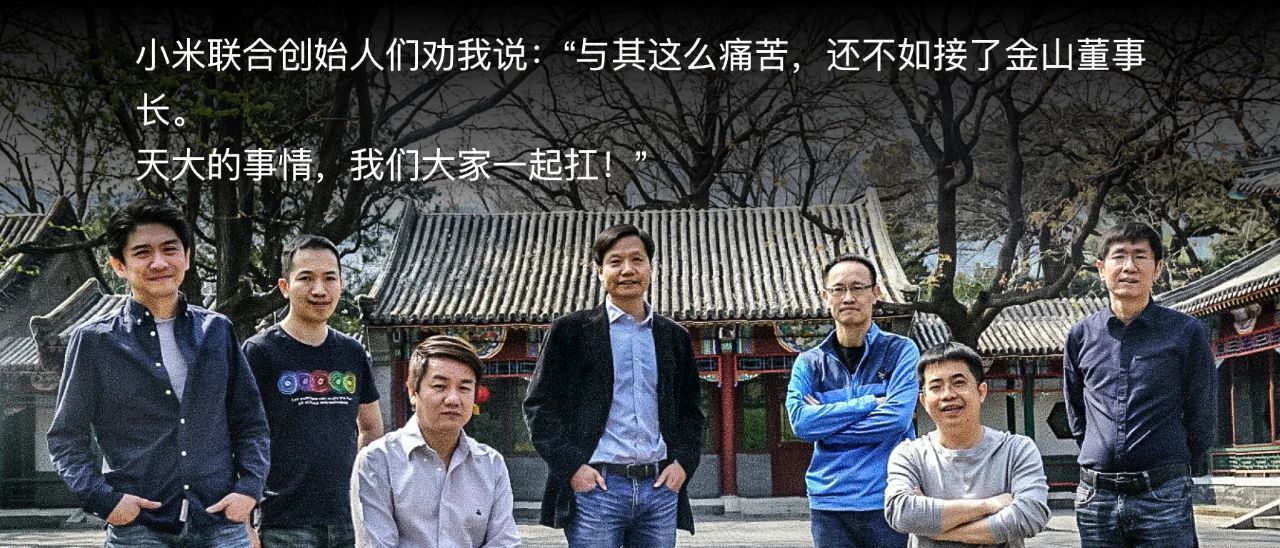
On July 7, 2011, Lei Jun tweeted a photo with Kingsoft's elders, announcing his return as chairman.
He overhauled Kingsoft with "household responsibility," assigning Zhang Qingyuan and Ge Ke to WPS mobile, Zou Tao to Xishanju, each 独立核算。
At the group level, he hired Dr. Zhang Hongjiang from Microsoft Research as CEO, later making him chairman of Kingsoft Cloud to lead its development.
Today, Kingsoft Office is a 科创板龙头 worth over 100 billion. Kingsoft Cloud rebounded last year. That emotional decision a decade ago boiled down to: "Friendship is priceless."

This concludes Lei Jun's Kingsoft chapter, an attempt at 传记-style storytelling to help understand Lei Jun and his path before Xiaomi. For deeper dives, consider:
"Dreaming Kingsoft" -- Xu Xiaohui
"Endless Life" -- Fan Haitao
"Xiaomi Entrepreneurship Reflections" -- Lei Jun, compiled by Xu Jieyun
"Lei Jun's 2021 Annual Speech," "Lei Jun's 2022 Annual Speech"
March 23, Mars, Qinghe.
$XIAOMI-W(01810.HK) $Kingsoft Office(688111.SH) $KINGSOFT CLOUD(03896.HK)
The copyright of this article belongs to the original author/organization.
The views expressed herein are solely those of the author and do not reflect the stance of the platform. The content is intended for investment reference purposes only and shall not be considered as investment advice. Please contact us if you have any questions or suggestions regarding the content services provided by the platform.
