



When the shelves of the 'world factory' turn to the domestic market, who can catch this wave of 'reverse cross-border shopping'?

"From fully loaded export orders to piles of return labels in just three months." This was the sigh of a toy exporter at the Canton Fair, revealing the collective anxiety of domestic foreign trade companies.
Recently, weak global demand, plummeting shipping prices, and high overseas inflation—the once unstoppable "world factory" in exports is now facing unprecedented survival challenges.
But recently, Oriental Selection officially launched the "Foreign Trade Premium Products Entry" initiative, bringing more high-quality export products into live-streaming rooms; JD.com's procurement managers, armed with a 200 billion yuan "procurement budget," are knocking on the doors of export factories one by one; Yonghui Supermarket has opened a "green channel" to achieve rapid shelf placement within 15 days, collaborating with supply chain companies.
This e-commerce-led "reverse cross-border shopping" wave is 颠覆 ing traditional foreign trade logic. As shifting from exports to domestic sales upgrades from a "lifesaving measure" to a "strategic track," can premium export products become the "new bullet" to 激活 domestic demand? The answer may lie in the present.
External Drivers and Market Pressures: The Inevitable Logic of Export-to-Domestic Shift
Recently, the tightening of U.S. tariff policies has had the most significant impact on the market, directly hitting export-dependent foreign trade companies.
Customs data shows that in Q1 2025, China's exports to the U.S. fell by 12% year-on-year, with electronics, machinery, and other export-reliant industries hit the hardest.
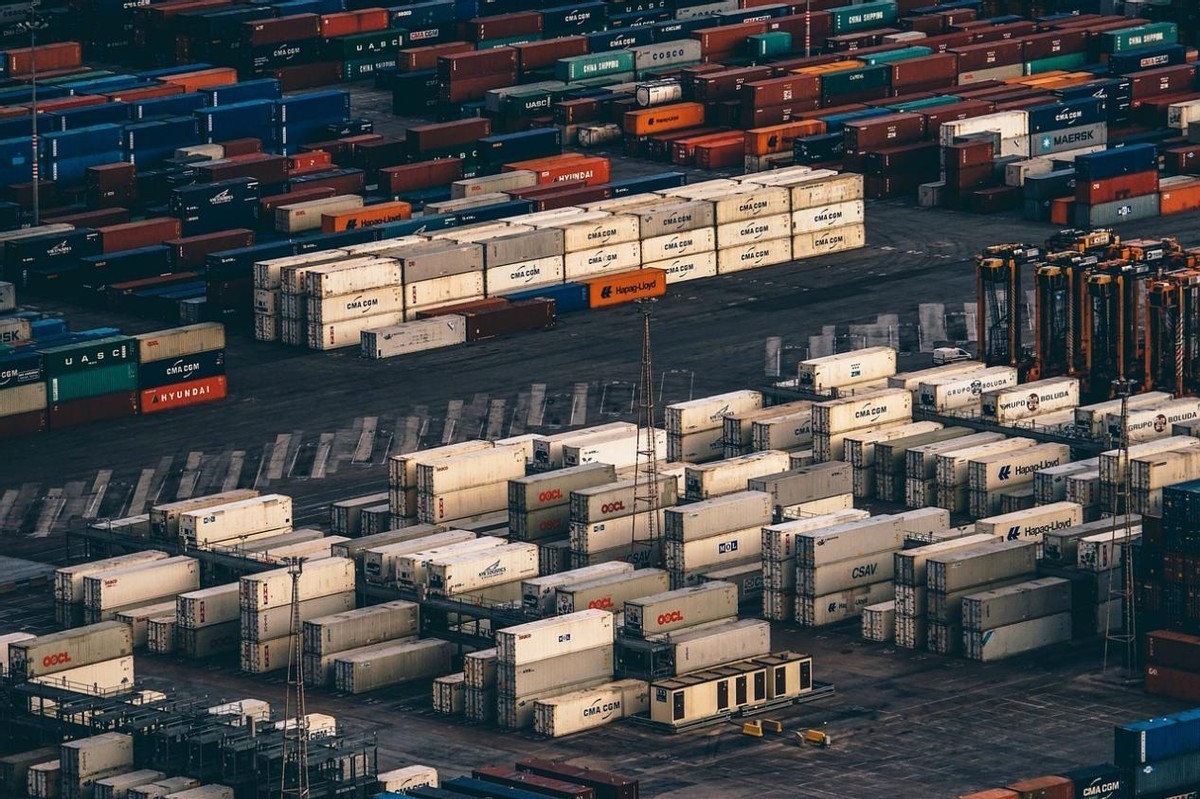
Image source: pixabay
Meanwhile, the domestic consumer market is undergoing an upgrade from "quantity" to "quality," with surging demand for cost-effective, differentiated products.
Data from the China Internet Network Information Center shows that as of October 2024, China's online shopping user base exceeded 900 million. Taobao data indicates that annual per-user purchase frequency rose to 5.2 times, with average order value up 7.3% quarter-on-quarter. This means consumers no longer chase "low prices" but are willing to pay for "quality."
This supply-demand mismatch has 催生 ed the urgency for foreign trade companies to 转型. E-commerce platforms have become the critical bridge connecting the two.
On the policy front, the China General Chamber of Commerce has voiced support for "export-to-domestic shift," calling it a key path to new growth. On the market front, platforms like JD.com and Oriental Selection are slashing trial costs for exporters through 流量倾斜, commission subsidies, and 快速入驻通道。
For example, Baidu announced it will use AI and platform 流量 to 优先 support 1 million companies in shifting exports to domestic sales. Suning launched a "24-hour 快速入驻通道" for exporters, waiving deposits and simplifying processes to enable 开店 in just 1 minute.
Retailers like Hema and Yonghui have also launched support programs. CR Vanguard rolled out four measures on April 9 to help exporters tap domestic markets; Hema opened a 24-hour "green channel" and plans to launch a "foreign trade zone."
The dual shocks of U.S. tariffs and domestic consumption upgrades are 重塑 ing China's foreign trade logic. Faced with export declines and quality-driven domestic opportunities, e-commerce platforms are leveraging 流量, tech, and supply chains to build "缓冲带 s" and "accelerators" for 转型。
From Baidu's AI 赋能 to Suning's "1-minute 开店," from CR Vanguard's four measures to Hema's "foreign trade zone," platform competition has shifted from 流量扶持 to 生态赋能。
These innovations reflect not just e-commerce giants' strategic bets on foreign trade but also foreshadow the next phase of competition:产业链整合 and 场景化运营效率. A 生态战 over "foreign trade premium products" is quietly 升级 ing.
JD's "Buyer System," Yonghui's "Express Channel": E-Commerce Giants Stake Claims in Foreign Trade
In this trend, supply chain efficiency may become the focus. Traditional exporters are stuck at the bottom of the OEM "smile curve," with profits 瓜分 ed by brands and distributors. E-commerce platforms are helping them leap via data 反哺 and 流量倾斜。
Yonghui's "15-day shelf placement" and Hema's "foreign trade zone" aim to shorten supply chains, turning export inventory into domestic supply. JD's 200 billion yuan procurement plan 消化 s export capacity directly via its self-operated model, avoiding price wars.
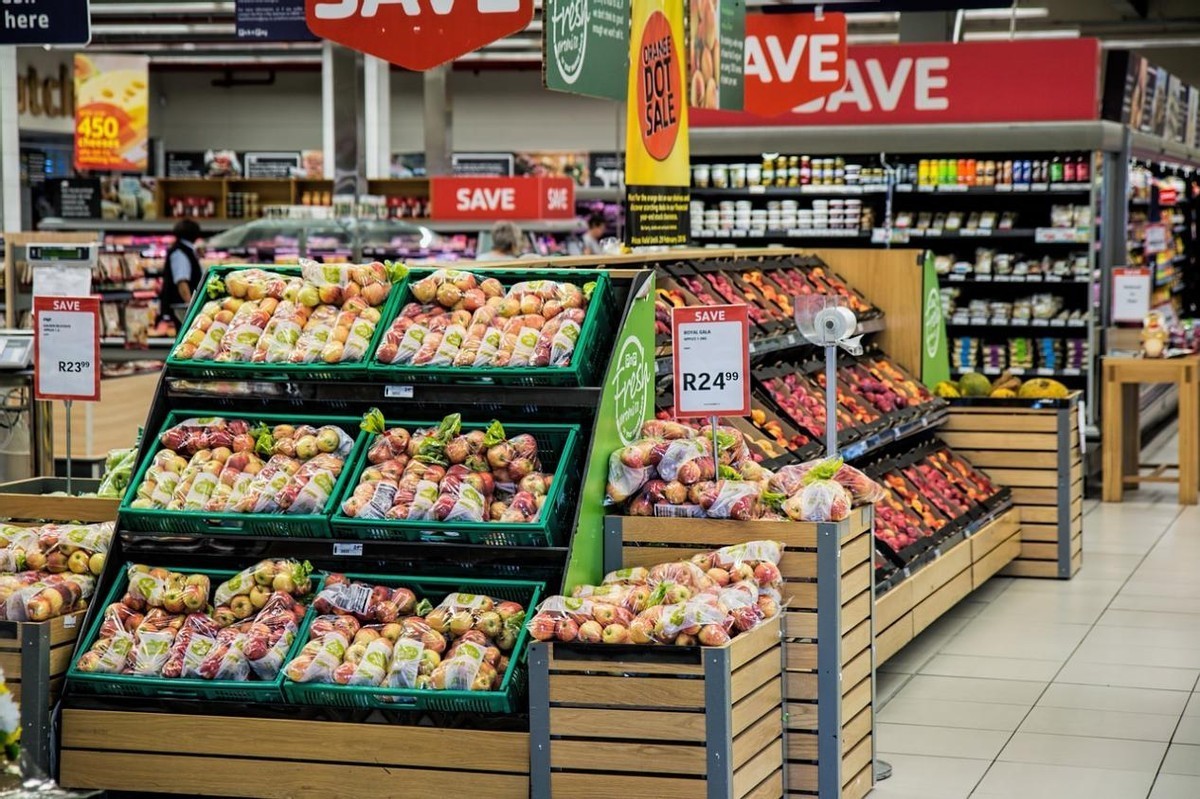
Image source: pixabay
From packaging to after-sales, a "基因重组" for the Chinese market is underway.
Deeper still, e-commerce strategies have moved beyond 流量扶持 to 生态构建. Live-streaming is the core battleground—Oriental Selection's "transparent factory" streams turn production strength into brand trust.
Platforms can also 破局 via "cultural IP + 场景化营销." Oriental Selection, for example, embeds export products into themed streams like "Italian Kitchen Aesthetics" or "Nordic Minimalism."
Retail giants like JD invest heavily in supply chains. JD Logistics' automated warehouse for MW Logistics, with AGVs, boosted efficiency by 250% and cut labor costs by 60%.
This "保姆式赋能" is rewriting rules. While Yonghui offers 15-day shelf placement, JD is building moats with logistics 效率。
Fresh e-commerce is in a "window 期争夺战." Hema's "foreign trade zone" hints at ambitions to compress import lead times further.
Tech 赋能 is moving upstream. Suning's "reverse customization" uses consumer data to tweak product designs; Baidu's "AI 主播计划" lowers 直播 barriers for millions of firms.
From supply chain 效率 to tech 赋能, e-commerce's role has evolved from "channel 替代" to "生态重构." Whether Yonghui, JD, or Oriental Selection, the goal is to break the "smile curve" trap via data 反哺,场景化营销, and supply chain 穿透。
Tech's deepening role signals that this 转型 isn't just about optimizing 商品流通 but a 全链路 digital leap from production to consumption.
"East Wind" Arrives: Foreign Trade Premium Products May 催生 E-Commerce "New Species"
As platforms mine niche demand via "cultural IP + 场景化营销" and retail giants rewrite rules, a deeper question emerges.
Amid "east wind" tailwinds and tech 赋能, can foreign trade premium products break traditional e-commerce molds to 催生 "new species" blending flexible supply chains, instant response, and global brands?
The answer may lie in future practices—as policy 红利 and tech innovation converge, the endgame may not just be corporate survival but 重塑 ing Chinese e-commerce's 底层逻辑。
Cross-border supply chains are seeing "Chinese new solutions." Tmall Global, for instance, could 试行 "domestic orders,保税仓 direct shipping" for "next-day delivery" of export goods.
This "in-bond + domestic demand"叠加效应, enabled by tech, is blurring trade boundaries to 催生 "global supply chain + localized service"新物种。
Image source: pixabay
Data 壁垒 s remain. Exporters, long reliant on B2B orders, lack C2C sensitivity. Turning data into actionable strategies requires deep platform-company synergy.
JD's "smart pricing system" uses AI to dynamically adjust prices based on supply-demand, competition, and user behavior. Post-launch, conversion rose 15%, with higher satisfaction.
For exporters, entering domestic markets is both 反向渗透 and "brand 觉醒." Many lack domestic 运营 experience and brand awareness. From "OEM" to "own design," they need e-commerce to complete 品牌化跃迁。
Oriental Selection's "transparent factory" streams and Yonghui's "promotion support" tackle trust via 场景化展示; JD's training targets 运营短板。
Finally, as EU carbon tariffs force supply chain upgrades, e-commerce may embed ESG standards into selection. Future "foreign trade premium products" without green 认证 may lose "入场券."
As global trade shocks meet domestic demand 觉醒, foreign trade premium products are 破茧 ing from "export 受阻" to become levers for Chinese e-commerce's evolution.
From JD's 200 billion procurement to Yonghui's 15-day shelf placement, from Oriental Selection's 透明工厂 streams to Hema's 保税仓 model, this e-commerce-led wave has shifted from inventory 消化 to a 生态革命 spanning supply chain 效率, tech 赋能, and brand 再造。
The endgame may not just be saving exporters but using "foreign trade premium products" to 重构 e-commerce's 全链路 value from production to consumption.
Author: Jiang He You Di
Source: Hong Kong Stock Research Society
The copyright of this article belongs to the original author/organization.
The views expressed herein are solely those of the author and do not reflect the stance of the platform. The content is intended for investment reference purposes only and shall not be considered as investment advice. Please contact us if you have any questions or suggestions regarding the content services provided by the platform.
