


 Rate Of Return
As the smoke of the tariff war gradually dissipates, the real direction is...

The US stock market is currently trapped in a typical news-driven volatile pattern, with bullish and bearish forces repeatedly wrestling at every key level. The S&P 500 index closed with four consecutive losing sessions on Thursday. However, a closer look at the candlestick structure reveals that only one of these four sessions was a significant drop, while the others were minor or fake declines. Overall, it remains oscillating within the range formed since April 9, with the weekly and monthly downtrends still intact. This technical pattern often signals that the market is waiting for a clearer catalyst—either economic data confirming a soft landing or a substantial easing of geopolitical risks. Moreover, TSMC's earnings report perfectly mirrors market sentiment: despite hitting a record high in Q4 revenue, with 3nm process technology accounting for 26% and gross margins reaching the upper guidance of 59%, concerns over seasonal demand weakness from Apple in Q1 still led to a sell-off after a higher open. This "sell the news" behavior precisely reflects the hesitation of capital at current levels—unwilling to miss out on the earnings momentum of tech giants yet wary of profit-taking pressure at elevated valuations.
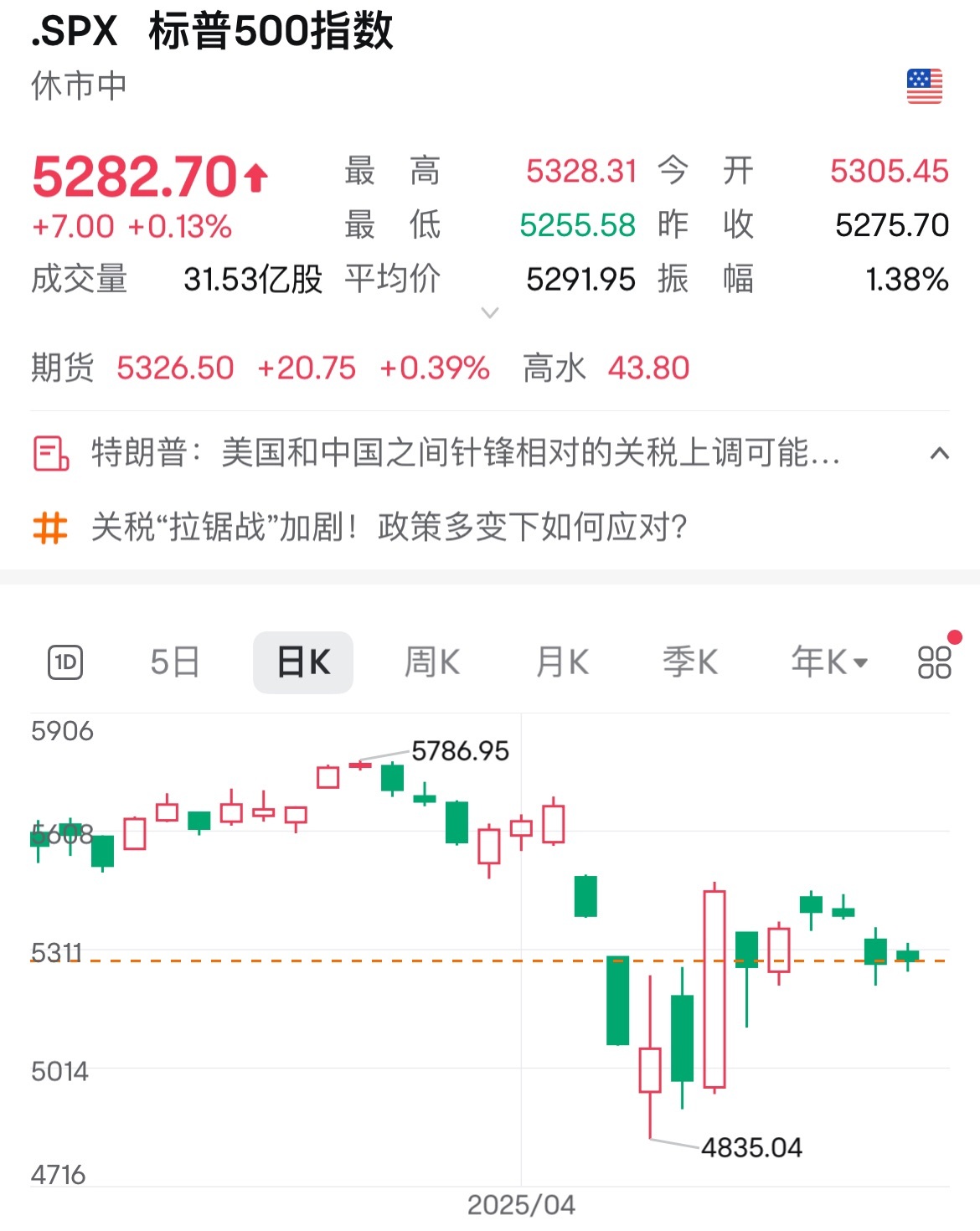
From a news perspective, the clash of bullish and bearish factors makes it difficult for the market to form a unified direction. On the bullish side, US initial jobless claims fell to an eight-month low, indicating ongoing labor market resilience, while TSMC's forecast of 25% revenue growth in 2025 and its $42 billion capital expenditure plan reinforce the long-term logic of AI computing demand. On the bearish side, the weakening Philadelphia Fed Manufacturing Index hints at localized economic cooling, and the sharp drop in heavyweights like UnitedHealth exposes structural risks in the healthcare sector, directly weighing on the Dow. More alarmingly, US-China tariff tensions have entered deeper waters—after the Trump administration imposed 54% tariffs on China, Beijing retaliated with seven countermeasures including rare-earth export controls and reciprocal tariff hikes, triggering an immediate sell-off in US stocks. This policy risk has evolved from mere trade friction into a catalyst for tech supply chain restructuring, with globally reliant firms like NVIDIA bearing the brunt. Chinese AI firm DeepSeek's low-cost models are eroding NVIDIA's GPU demand, while tariff-induced cost pressures have pushed its stock down nearly 15% from its peak. However, long-term, the computational edge of its Blackwell architecture chips maintains its tech moat—any Q1 earnings surprise or tariff negotiation progress could fuel a rebound.
At this juncture, investors need more refined strategies. For US stocks, focus on two opportunities: (1) hard-tech leaders like TSMC and NVIDIA near key technical support levels, positioning for valuation recovery during earnings season; (2) domestic-demand sectors less exposed to tariffs, such as utilities and consumer staples. For Hong Kong stocks, high-dividend banks and tech ETFs benefiting from mainland policy tailwinds remain relatively safe, while A-shares' brief consolidation after a rally offers a chance to rotate into themes like self-sufficiency and import substitution. Ultimately, the market stands at the eve of a major shift—once tariff war dust settles, the true directional drivers will be corporate earnings' cyclical resilience and global capital's repricing of risk.$NASDAQ Composite Index(.IXIC.US) $NVIDIA(NVDA.US) $SPDR S&P 500(SPY.US)
The copyright of this article belongs to the original author/organization.
The views expressed herein are solely those of the author and do not reflect the stance of the platform. The content is intended for investment reference purposes only and shall not be considered as investment advice. Please contact us if you have any questions or suggestions regarding the content services provided by the platform.
