

Why should simulated trading share profits? Understanding the capital logic behind proprietary trading exams


In the trading world, "paper trading" has long been regarded as a learning tool, but it is difficult to directly associate it with "making money." In recent years, a new type of proprietary trading exam mechanism has been breaking this common perception: candidates trade with simulated accounts, but after passing the exam, they can receive real funding support and even enjoy profit sharing of up to 90%.
Many people's first reaction is: Where does this money come from? Does the platform pay out of its own pocket? Aren't they afraid of losses? If you don't understand the logic behind it, it might indeed seem like a scam. But in fact, this exam model is very mature and rigorous.
The Exam Tests Not Profit but Profitability
Taking EagleTrader as an example, the purpose of the proprietary trading exam is not to test short-term explosive performance from the beginning. What the platform really wants to see is: Do you have a stable, clear, and replicable trading system? Do you have the ability to consistently profit under controllable risks?
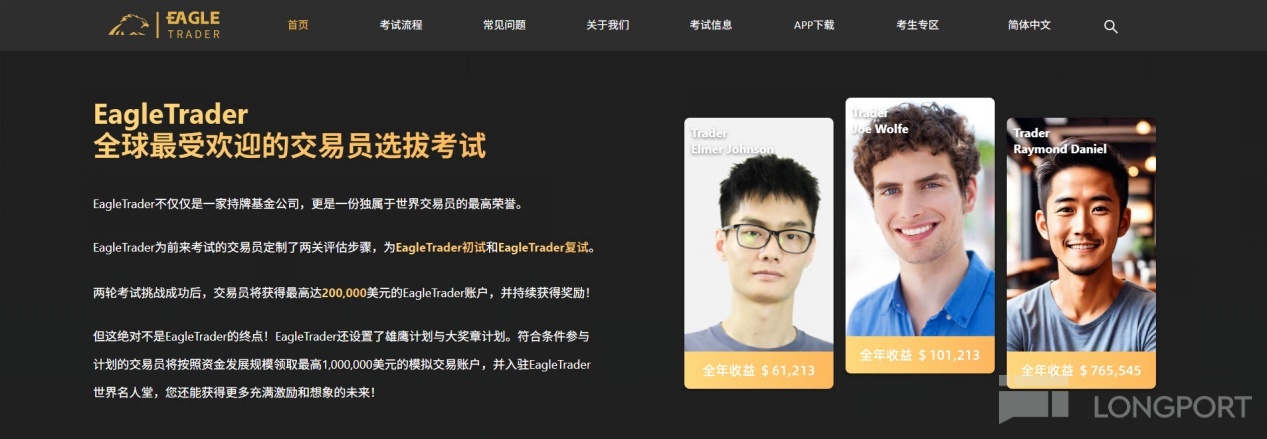
This exam uses a simulated capital account, but there is a complete risk control system monitoring it in real time during execution. For example, the maximum drawdown must not exceed a certain threshold, single trades cannot be overly concentrated, and there are clear rules for trading frequency and position logic.
In other words, the platform wants to identify "people with live trading ability," not "people who got lucky once." Therefore, profit is not the focus; stable profitability is the underlying logic the platform is willing to bet on.
Where Does the Profit Sharing Come From?
Many people mistakenly think that the platform "gives out bonuses" after passing the exam, but that’s not the case. Traders who pass the exam will have their accounts connected to the platform’s capital replication system—you still operate a simulated account on the front end, but the platform will synchronize every trade you make in a live account on the backend.
In other words, the platform provides the capital for you to operate, but the risk is borne by the platform. If you make a profit, the platform will give you a portion of the profit (up to 90%) as profit sharing; if you lose, the platform bears the loss.
This is not a benefit but the platform "investing in your ability with capital." This also explains why the risk control standards are so strict—because once you pass, it means the platform will entrust you with real capital. Only by meeting risk control standards can you earn the trust of the platform’s capital.
Why Is the Platform Willing to Hand Over Capital?
Daring to do this is not blind trust but is based on a systematic verification mechanism. The exam phase is essentially the platform observing your trading behavior model. Once this model is identified as robust by the system, its risks can be visualized and managed through risk control rules.
Combined with phased assessments and evaluation mechanisms in the simulated environment, the platform can clearly judge: Who can trade stably, and who is just "lucky." Compared to traditional methods like submitting resumes and discussing experience, this is much more objective.
For the platform, this is a way to "incubate high-potential traders at low cost"; for traders, it is a career path that doesn’t require personal capital or connections—just trading skills.
More Advantages of Proprietary Trading Exams
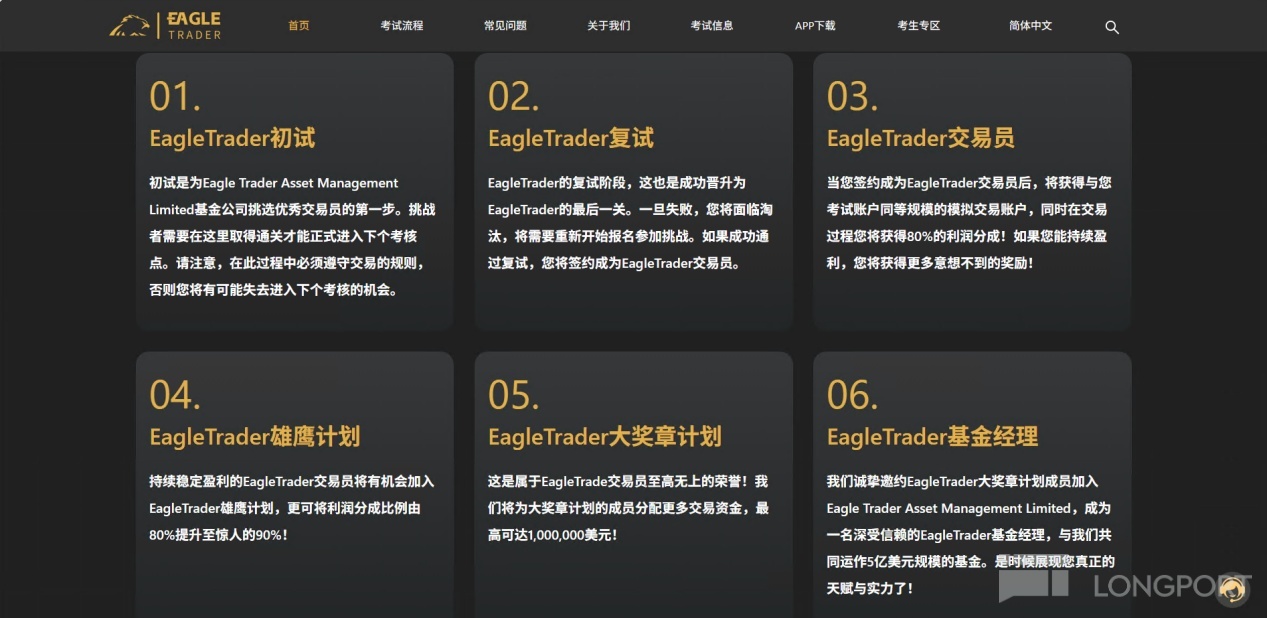
Traditionally, many excellent individual traders are ultimately held back by capital barriers, psychological pressure, or a lack of a professional path. But now, proprietary trading exams provide a clear pathway: using rules to control risk, exams to verify ability, and platform capital to amplify returns.
Passing the exam not only means you can participate in profit-sharing accounts but may also lead to platform-recommended professional positions, transitioning from a retail trader to a true "professional trader."
For those who truly want to make a living from trading, this is a solid path.
Maybe you’re still in the assessment phase or have just experienced a drawdown, questioning whether you can enter the profit-sharing stage. But don’t underestimate the power of a stable trading system. In mechanisms like EagleTrader, as long as you pass the exam on merit, you can earn the trust and support of the platform’s capital, turning trading ability into real profits.
After all, no one is born with capital. Many professional traders emerge from repeated simulated exams—trading relies on ability, not luck.
#EagleTrader# #Trading Exam# #Proprietary Trading# #Trading Behavior# #Profit Sharing#
The copyright of this article belongs to the original author/organization.
The views expressed herein are solely those of the author and do not reflect the stance of the platform. The content is intended for investment reference purposes only and shall not be considered as investment advice. Please contact us if you have any questions or suggestions regarding the content services provided by the platform.
