

Smart toilets enter the '3C era', JOMOO takes the lead in delivering high-scoring answers

Recently, due to multiple incidents of fire and smoke, the Civil Aviation Administration has clearly stipulated in the "new regulations" that power banks without 3C certification marks are prohibited from boarding.
After the policy was introduced, it immediately caused an unprecedented shock in the industry, with multiple power bank brands caught in a whirlpool of public opinion. The affected range was not limited to power banks, as another news related to 3C certification also entered the public's view.
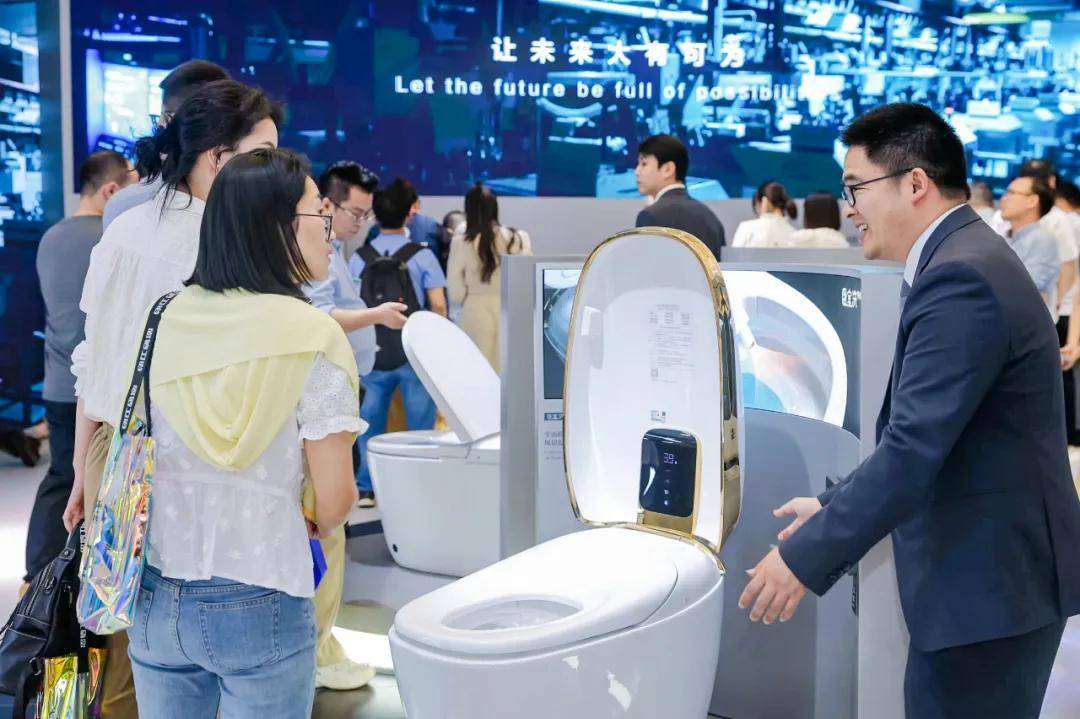
The announcement from the State Administration for Market Regulation shows that starting from July 1, 2025, 3C certification will be mandatory for smart toilet categories, and companies that produce or sell electronic bidets without obtaining 3C certification will be fined between 50,000 and 200,000 yuan.
As early as July 2024, the China Quality Certification Center issued the first batch of CCC certifications for electronic bidets to brands including JOMOO. A year later, when the "shoe" landed, there were still many products that had not passed 3C certification, even playing word games like "the plug has 3C certification".
Unlike the trust crisis of power banks, the 3C certification for smart toilets is more like an opportunity for industrial transformation, a "coming-of-age ceremony" for the healthy development of smart sanitary ware.
01 Elimination Competition: Good Money Drives Out Bad
Smart toilets need to hold "3C certification" to be employed, which has almost become an "open secret".
After the "toilet lid incident" in 2016, there was a call in the industry to "include smart toilet lids in 3C certification"; in September 2023, the China Household Electrical Appliances Association expanded the scope of "Household Appliance Safety Service Life", including smart toilets in the management standards for "household appliances"; by April 2024, the Market Supervision Administration officially implemented CCC certification management for smart toilets.
Why are there still many brands of smart toilets that have not passed 3C certification by July 2025? The answer lies in the strict certification process.
Companies first submit technical materials such as circuit diagrams, structural diagrams, production processes, and quality system documents. After the certification body accepts them, the products are sent to nationally recognized laboratories for testing on electrical safety, waterproof level, grounding, electromagnetic compatibility, etc., while also conducting on-site evaluations of the factory's production equipment, quality management system, production process, and testing capabilities. After obtaining 3C certification, regular sampling inspections, supervision of factory consistency execution, and maintenance reviews within the certification cycle are also required.
3C certification is like a mirror, reflecting the true colors of various sanitary ware companies. A direct example is JOMOO, which was among the first to obtain 3C certification.
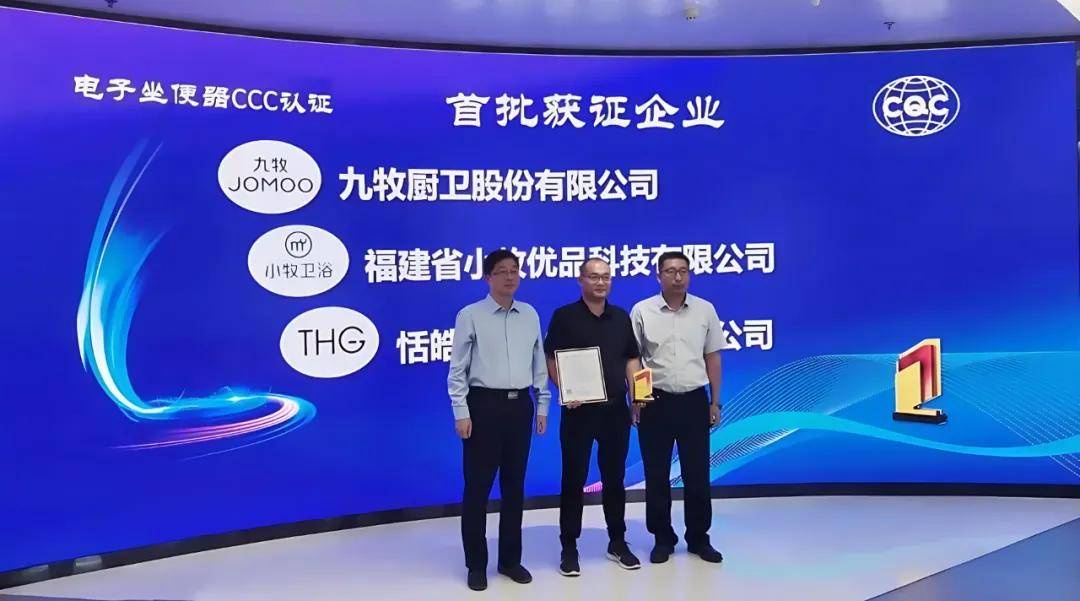
Image: JOMOO becomes one of the first sanitary ware companies to obtain 3C certification
Back in 2012, JOMOO proposed the famous "Innovation Basic Law", stipulating that at least 10% of annual revenue should be used for technological innovation and product development, and constructed a "three-year application, five-year foundation, ten-year theory" pyramid innovation and development system.
At that time, smart toilets were still a niche concept, and the entire sanitary ware industry was still stuck in traditional manufacturing thinking, while JOMOO was continuously improving the "smart puzzle".
With 16 R&D centers established globally and a research team of over 5,000 people, they played the role of "innovation engine"; the industry's first "green black light factory" achieved unmanned operations in production, storage, handling, and testing, refreshing the new standard of intelligent manufacturing; they were the first to establish the industry's first quality technology transformation center, strictly controlling product quality throughout the entire process from product development, production, and manufacturing, and led the formulation of more than 20 international standards and over 200 national standards.
In March 2023, JOMOO released the industry's first "Technology Strategy", proposing the concept of "Technological Sanitary Ware, World JOMOO". The outside world gradually understood JOMOO's long-term layout of insisting on high R&D investment: the increasingly rich functions of smart toilets are breaking away from the "building materials and hardware" positioning, getting closer to "consumer electronics", and must move towards a new path driven by technology.
Thus, in the topic of 3C certification, a polarized phenomenon emerged: for "Technological Sanitary Ware" JOMOO, it was just a verification of system capabilities, becoming the leader in obtaining 3C certification; for miscellaneous and white-label brands lacking quality assurance, it was almost an insurmountable "mountain".
When e-commerce platforms like JD.com have already regarded 3C certification as an entry threshold, and smart toilets that have not passed 3C certification are banned from sale by regulatory authorities, a new "good money drives out bad" elimination competition and quality upgrade competition has already begun.
02 Second Half: Industry Accelerates Differentiation
The public opinion storm of power banks may be the watershed of the entire consumer market: users pay more attention to 3C certification, behind which is a desire for quality assurance and an expectation for industry standardization, which will promote the industry to evolve in a more positive direction.
An information that should not be ignored is that more than 15 provinces and cities including Shanghai, Jiangsu, Guangdong, Guangxi, Fujian, and Zhejiang have already classified smart toilets as "smart home", providing subsidies of 15%-20% based on product prices, similar in strength to home appliances.
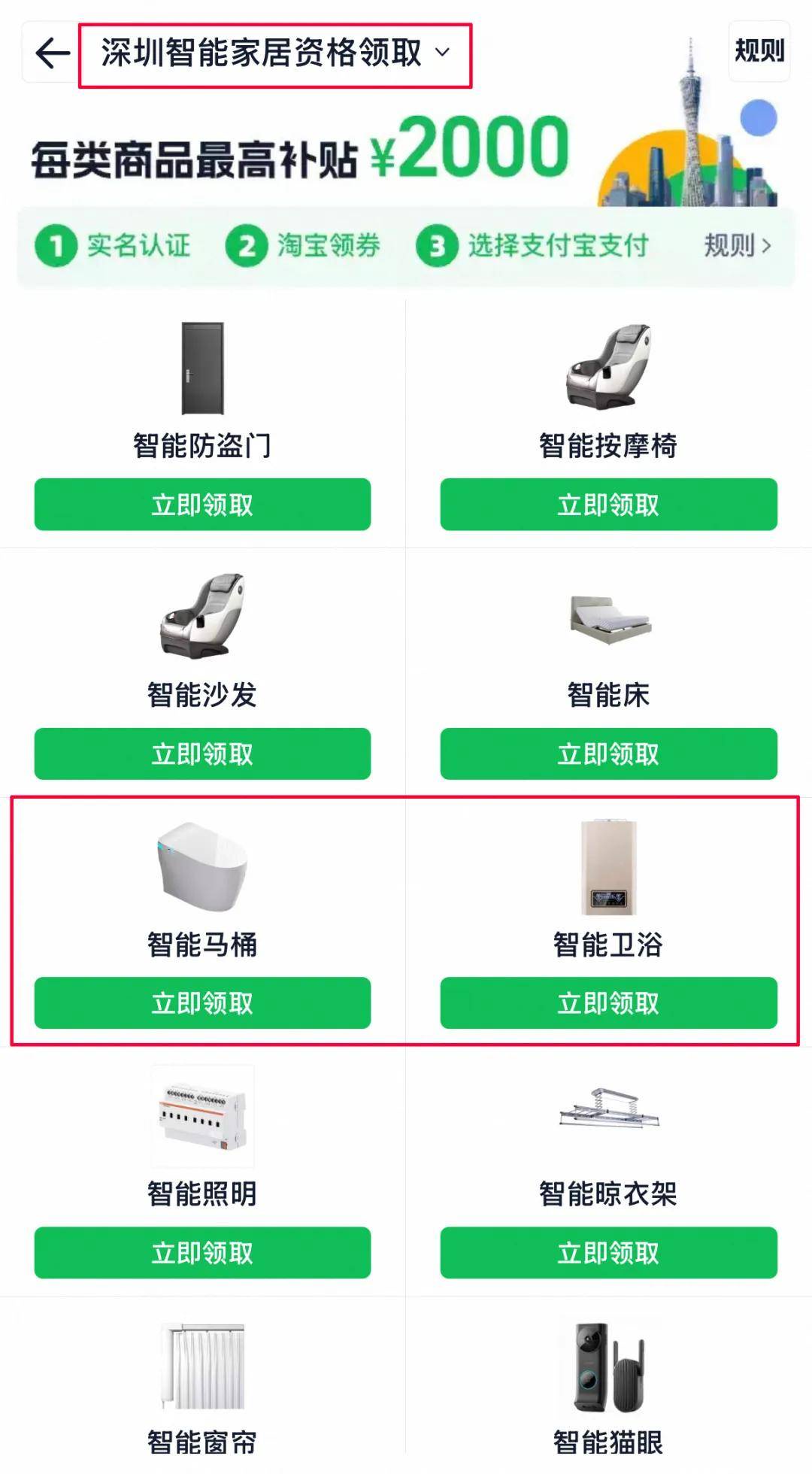
Image: Shenzhen City State Subsidies Classification
The shift in positioning from "sanitary ware" to "smart home" means that "smart sanitary ware applianceization" is an irreversible trend.
Following the development trajectory of the home appliance industry, it is highly likely that smart sanitary ware will experience a scene where white-label and small brands' strategies of impacting the market with price will no longer work, and products that do not meet quality standards will gradually exit, with more and more consumers voting for leading brands with innovation capabilities and quality assurance. Under the "Matthew Effect", market share will concentrate on leading brands, presenting an inverted pyramid structure where leading brands occupy most of the market share.
The reason for this judgment is that JOMOO, which is at the forefront of innovation, has already demonstrated new growth space to the outside world.
The first trend is scenarization
At the end of May 2025, at the technology innovation conference, JOMOO was the first in the industry to launch the AI BATH scene brand, solving the user pain points of "pseudo-intelligence" through a full-link AI proactive sanitary ware solution, making sanitary ware another living space reconstructed by AI.
Unlike the stacking of single-point functions, JOMOO AI BATH constructs four major scenes: new toilet, new shower, new washing, and new safety.
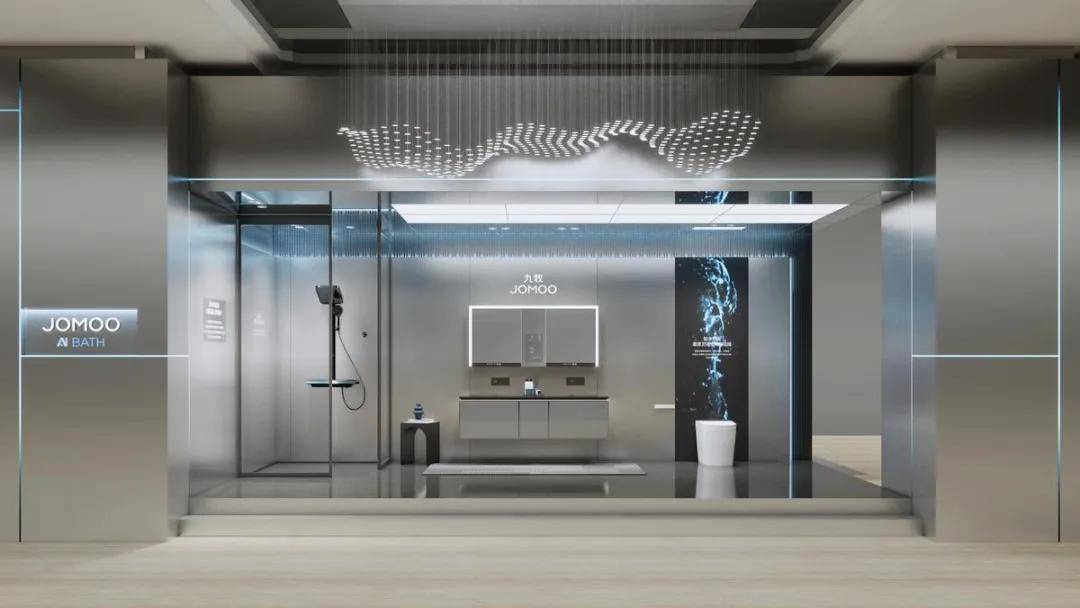
Image: JOMOO AI BATH Scene
In the new toilet scene, users' toilet habits can be intelligently recognized, automatically completing functions such as lid flipping and deodorization and dehumidification; in the new shower scene, the system can link lighting, fragrance, and water temperature changes to create an emotional healing scene; in the new washing scene, AI voice digital humans automatically broadcast weather and itinerary reminders, providing real-time oral health detection; in the new safety scene, a safety alarm system is set up to monitor abnormal situations such as leg numbness and falls from prolonged sitting on the toilet, hypoxia from prolonged soaking in the bathtub, and slippery bathroom conditions.
The second trend is healthification
At the 2025 Wuzhen Health Conference held in April, JOMOO launched a strategic cooperation with well-known national chain pharmacies, extending health care products from traditional building materials channels to community pharmacies, creating a new model of "bathroom into pharmacy".
In the AI BATH scene, JOMOO further upgraded its health management capabilities, opening up the health loop of "perception - reminder - intervention - management".
For example, JOMOO's light urine test toilet can accurately obtain mid-stream urine through dynamic cruise sampling and thermal sensing systems, achieving high-precision detection of indicators such as pH value, specific gravity, glucose, protein, and leukocytes. With user authorization, the detection data is expected to provide dynamic basis for chronic disease management in pharmacies, helping users achieve health management through the linkage of smart sanitary ware and community pharmacies.
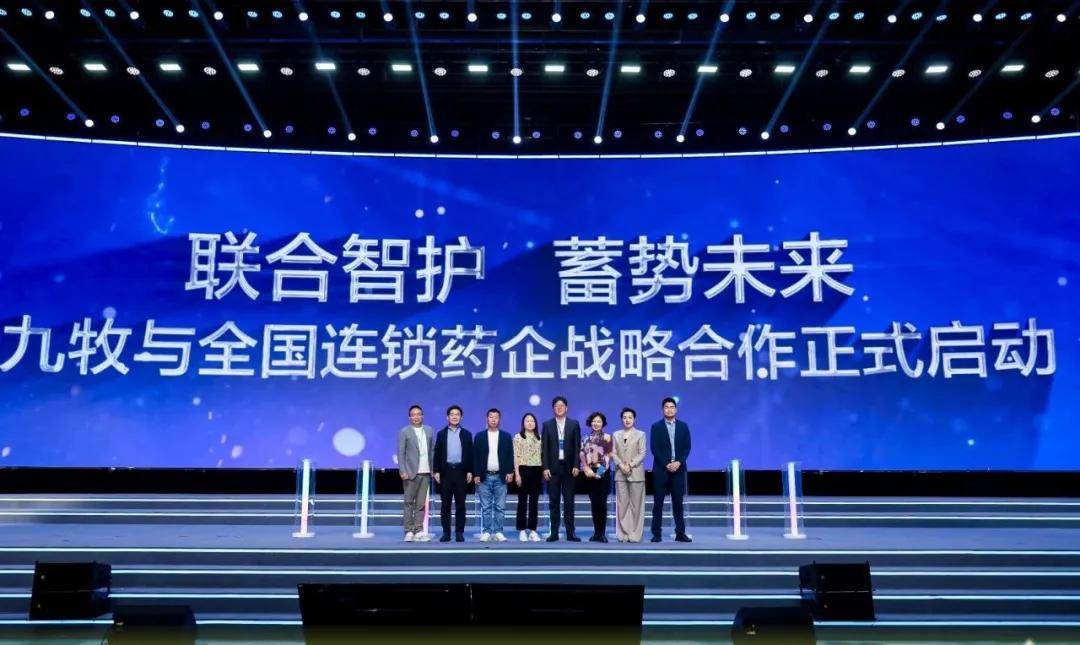
Image: JOMOO and National Chain Pharmacy Strategic Cooperation Officially Launched
Hidden behind the new trends is actually the industry differentiation of smart sanitary ware: either like JOMOO, continuously raising the imagination limit of smart sanitary ware and exploring new blue ocean markets; or continuing to roll prices in the red ocean, slowly heading towards extinction.
It can be corroborated that JOMOO and JD.com reached a comprehensive strategic cooperation for 100 billion sales in mid-June, specifically mentioning cooperation around "appliance-like smart kitchen and bathroom", aiming to jointly launch smart toilets, smart showers, smart bathroom cabinets, and smart sinks, striving to achieve 100 billion sales.
03 New Narrative: Passport for Going Abroad
Smart sanitary ware is not the first industry to have its trajectory changed by standardized development. The potential of orderly competition was already proven in the home appliance market more than 20 years ago.
In 2000, the global home appliance market was still dominated by Japanese and Korean brands. "Made in China" was just a "processing role" in the global supply chain, with no brand premium, no technical discourse power, and even bearing the stereotype of "low-end, cheap".
It was against this background that "3C certification" stepped onto the historical stage, providing a key for Chinese home appliance companies to access the global market through the national mandatory product certification system formulated according to WTO agreements and international common rules.
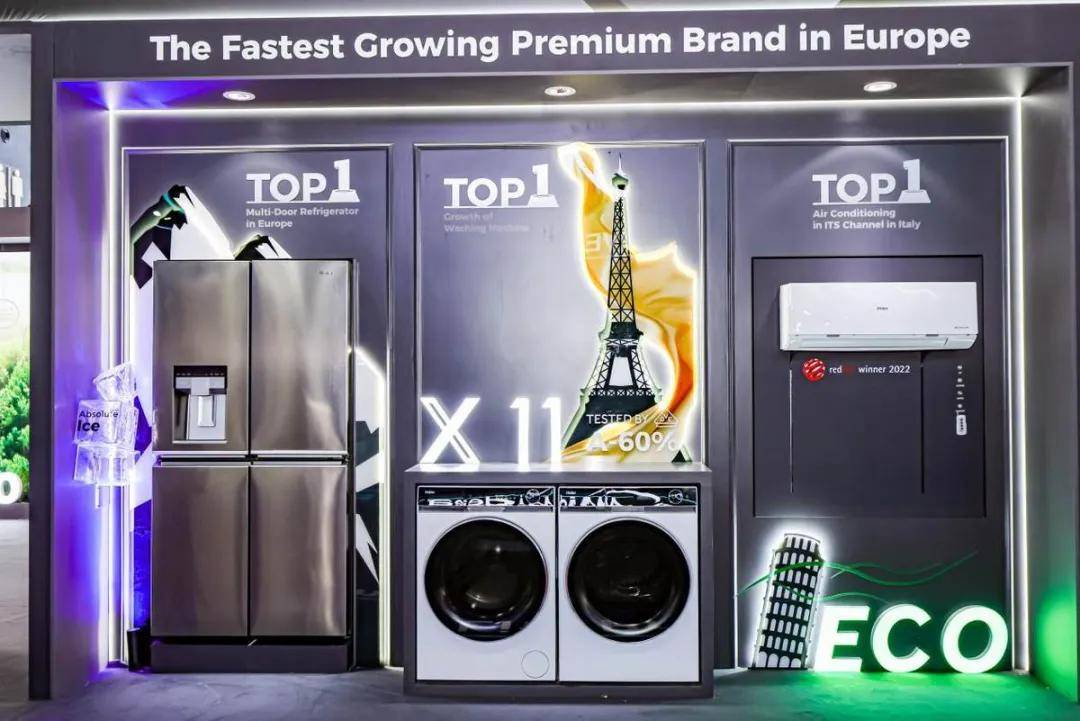
Image: Haier Canton Fair Booth
According to data from market research agency Euromonitor International, Haier's retail volume has ranked first globally for many years, with refrigerator and washing machine retail volumes repeatedly winning championships; Hisense's global shipment share of laser TVs reached 65.8%, ranking first globally for six consecutive years... Chinese home appliances have already shed the "low quality and low price" label, building a moat of "high technology content, high added value, high quality".
The same trajectory is being replicated in the smart sanitary ware market.
At the Toilet Revolution and Sustainable Development Forum in early 2024, JOMOO, as the event co-host of the United Nations Development Programme, released the world's first toilet revolution industry report to promote the sustainable development of the global sanitary ware industry, attracting many experts to China to "learn".
At the CASA DECOR exhibition in Spain on April 3, JOMOO was the first Chinese sanitary ware brand to participate in this global luxury home top design exhibition, winning recognition from the European and American markets with its digital product matrix, and began to build a market advantage of "technological sanitary ware" globally.
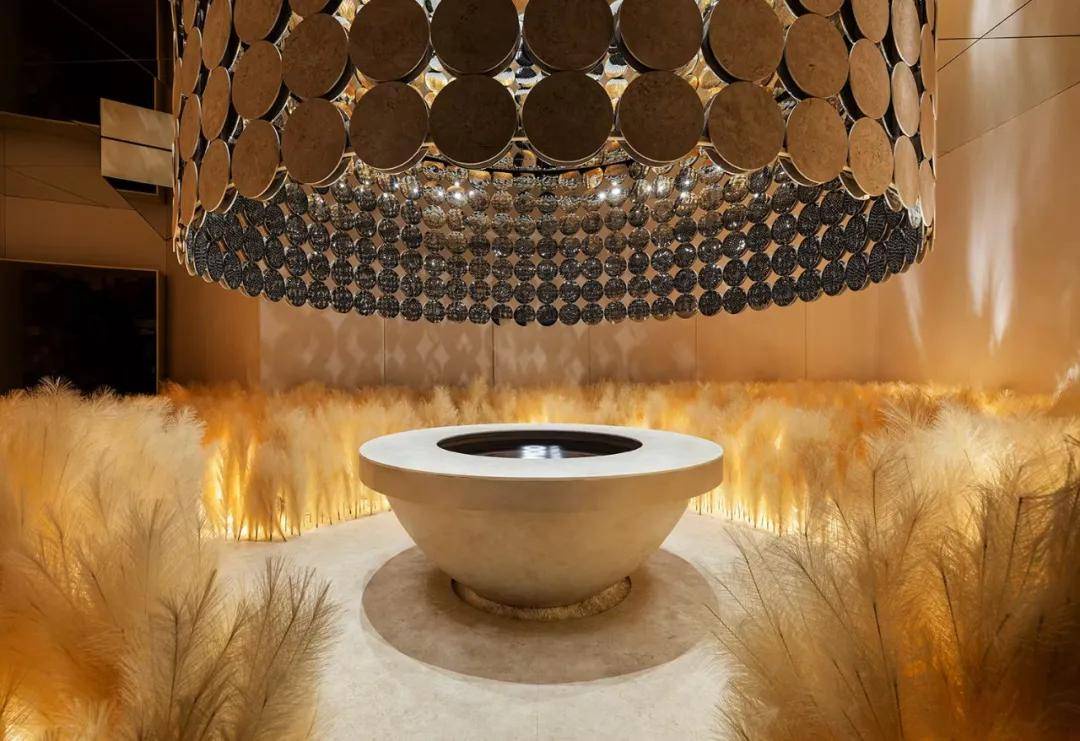
Image: JOMOO Booth at CASA DECOR Exhibition in Spain
JOMOO has already established over 10,000+ high-end experience stores and 1 million+ sales outlets globally. From the Abu Dhabi Eight-Star Palace Hotel, Dubai Burj Al Arab Hotel, to Cambodia Angkor Wat, Malaysia Platinum International Hotel, Melbourne Novotel International High-End Hotel... JOMOO's presence is everywhere in global landmarks.
Soft power is essentially a reflection of product power.
For example, while Japanese netizens are still complaining on social media about the old-style thermal toilet lids at home that easily breed bacteria, JOMOO launched the i60 micro-bubble clean smart toilet in 2025, equipped with innovative nano-bubble explosion sterilization, which uses professional equipment to convert tap water into ultra-micro bubble water, generating billions of nano-sized bubbles that can easily penetrate ceramic micropores to explode and disintegrate bacteria, achieving a sterilization rate of up to 99%.
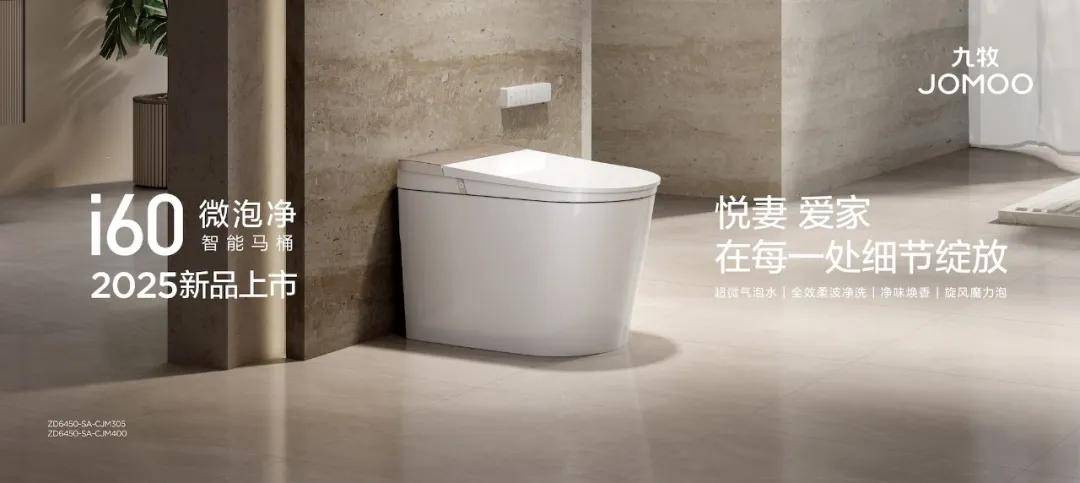
Image: JOMOO i60 Micro-Bubble Clean Smart Toilet
Linking to the launch of JOMOO AI Toilet and the first phase of the home robot industrial park project, exploring with unicorns such as CloudMinds, Jaka Robotics, Taishan Technology, and Dreame Technology, compared to overseas peers still struggling in the electronic stage, JOMOO is ahead by more than one position.
It also gives us reason to believe that the implementation of 3C certification will build a "basic trust line" for smart sanitary ware globally, filling the gap in safety certification. Smart sanitary ware companies represented by JOMOO will shine brightly in the global market like brands such as Haier and Hisense.
04 Written at the End
The healthy development of every industry often goes through a process: from "invisible growth" to "visible standards".
The 3C certification supervision triggered by the power bank fire incident, the inclusion of smart toilet categories in the mandatory certification system, and the rapid response of leading companies such as JOMOO and JD.com, are reshaping the underlying logic of smart sanitary ware: from competing on price to competing on quality, from manufacturing as king to innovation as king, from "one-time deal" to long-term competition in products, safety, and services.
People's yearning for a better life will not change, their expectations for health, safety, and smart experiences will not disappear, and the era of smart sanitary ware is just beginning.
The copyright of this article belongs to the original author/organization.
The views expressed herein are solely those of the author and do not reflect the stance of the platform. The content is intended for investment reference purposes only and shall not be considered as investment advice. Please contact us if you have any questions or suggestions regarding the content services provided by the platform.
