


Starbucks China 'Sell-off' Drama: Luckin's Major Shareholder Unexpectedly Joins the Fray, Is This the Endgame of the Coffee War?

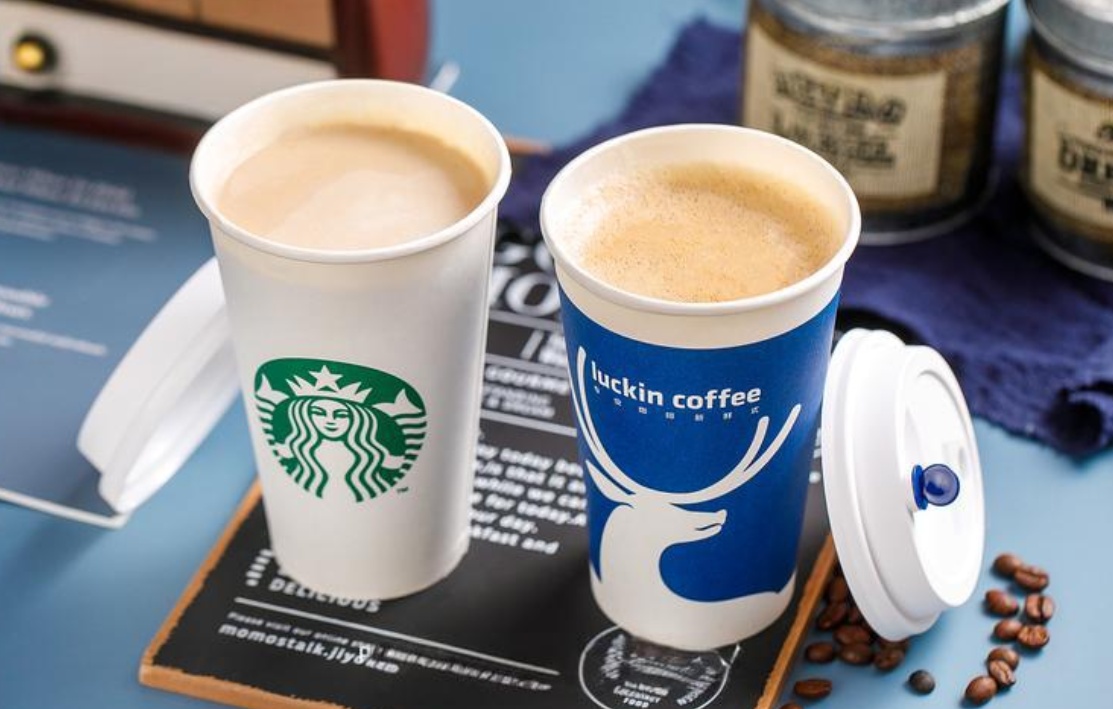
The capital chess game of China's coffee market has ushered in a stunning move.
Recently, multiple media outlets reported a dramatic twist in the sale of Starbucks China business. Luckin Coffee's largest shareholder, Dazheng Capital, unexpectedly appeared on the list of bidders. This capital giant, which once led Luckin's turnaround and now holds 31.3% equity and 53.6% voting rights, is competing with nearly 30 top institutions such as Hillhouse Capital and Carlyle Investment for control of Starbucks China.
Starbucks China's valuation is as high as $10 billion, but the transaction structure hides mysteries: Starbucks global headquarters may only retain 30% equity, with the remaining shares held by multiple parties, each not exceeding 30%. If Dazheng Capital successfully enters the game, the two major rivals in China's coffee market will share the same "golden master," and the industry's power will face a reshuffle.
Why is Starbucks China on the "selling" path?
As Starbucks' second-largest market globally, China's coffee market has undergone dramatic changes in recent years. Local chain coffee brands represented by Luckin and Kudi have rapidly expanded, with stores spread across streets and alleys nationwide, and both companies' store scales have surpassed Starbucks.
Meanwhile, the per capita coffee consumption of Chinese consumers has risen significantly, but there is a higher acceptance of affordable products. In addition, many tea brands have also launched coffee products to seek growth.
Under the impact of these direct or indirect competitors, Starbucks China has fallen into a growth bottleneck.
In fiscal year 2024, Starbucks' revenue in the Chinese market was $2.958 billion, a year-on-year decrease of 1.4%, marking the first negative growth in recent years, and its growth rate lagged behind its global performance.
Facing pressure, Starbucks has made adjustments in multiple aspects, not only launching new products and conducting co-branding activities more frequently but also announcing price cuts for the first time.
In June this year, the company announced an increase in non-coffee beverage business and lowered the official prices of some beverages, involving three major categories: Frappuccino, iced shaken tea, and tea latte, with consumers needing only 23 yuan to buy a cup of Starbucks.
By the end of the second quarter, Starbucks had a total of 7,758 stores in China, covering more than 1,000 county-level markets. During the reporting period, it achieved revenue of $740 million, a year-on-year increase of 5%. In terms of operating data, comparable store sales volume grew by 4% in a single quarter, but the average transaction price fell by 4%.
Facing Luckin's offensive of launching dozens of new products each quarter, Starbucks' product iteration appears relatively slow. The industry believes its co-branding marketing and price-cutting strategies are passive defenses, while competitors have already redefined the rules of the game.
Luckin Coffee launched popular products such as "Caramel Cookie Crunch" through "County Taste Test"; Kudi Coffee achieved profitability ahead of schedule in 2024 with its 9.9 yuan strategy and digital operations, and plans to reach the goal of 50,000 stores.
The rumors about Starbucks possibly selling shares of its China business first appeared in November last year. At that time, Starbucks emphasized "evaluating the best way to seize future growth opportunities" and would continue to focus on revitalizing growth in its China business.
Starbucks global CEO Brian Niccol recently stated in an interview, "Indeed, we have received a lot of interest from investors," as the market values Starbucks' brand value and the growth potential of the coffee category. The company will discuss with potential buyers how to increase the number of Starbucks China stores from 8,000 to 20,000.
It can be seen that in Starbucks' eyes, the ideal buyer is not just a financial investor but a partner who can provide resource support and growth experience.
The coffee war enters a new era of "capital alliance"
If Dazheng Capital really becomes a shareholder of Starbucks China, its impact on Starbucks China will depend on the voice it holds.
Generally speaking, company shareholders exercise voting rights based on their shareholding ratio, but there may also be special voting rights arrangements. In the case where Starbucks may only retain 30% equity, new investors will have a certain voice in the operational level.
From market news, Starbucks' future operating model in China may change. Although Starbucks headquarters will still retain some equity, in actual operations, it may focus more on obtaining financial returns, while new investors may send personnel to participate in local decision-making.
This means Starbucks China may make key adjustments in development models and product research and development, but ordinary consumers may find it difficult to detect these changes from external features such as store forms.
If Dazheng Capital really invests in Starbucks China, it may bring local operational experience to it. As the earliest investor and largest shareholder of Luckin Coffee, Dazheng Capital has witnessed Luckin Coffee's development strategy and accumulated rich experience in local operations.
For example, the sweet coffee and quick-pick store model launched by Luckin Coffee in the Chinese market are based on a deep understanding of Chinese consumer needs.
Luckin Coffee's digital operation method is also one of its key success factors. After Dazheng Capital joins, it may borrow the experience used on Luckin to further enhance Starbucks China's digital efficiency. This includes digital transformation of product research and development, supply chain management, store location selection, and other aspects, thereby improving operational efficiency and market competitiveness.
However, for consumers, if Luckin's major shareholder Dazheng Capital really acquires Starbucks China's equity, although the daily consumption experience may not change significantly, this acquisition event will undoubtedly become a topic of conversation.
In the eyes of consumers, being "incorporated" by competitors may greatly damage Starbucks' brand image. Especially for foreign brands like Starbucks, its brand culture and service experience have always been key to maintaining market share in the Chinese market.
In response, some consumers have already expressed on social media that "if acquired by Luckin, they will boycott Starbucks," reflecting the sensitivity of some customer groups to brand "purity." In addition, Starbucks emphasizes finding "value-aligned" partners, and the entry of competitor shareholders may trigger conflicts in corporate culture and management style.
Moreover, if the transaction is completed, China's coffee market may move towards a new balance of oligopoly coordination. Although Luckin and Starbucks maintain independent brands, the capital ties may weaken the intensity of competition between the two, shifting from price wars to differentiated competition.
A possible scenario is: Luckin dominates the mass quick-pick market, Starbucks focuses on high-end experiences, and medium-sized brands like Kudi are squeezed in the middle, while independent boutique coffee shops hold onto niche customer groups.
In this pattern, new entrants will face higher barriers—not only to counter brand awareness but also to deal with scale disadvantages in supply chain and digital aspects. Although increased industry concentration brings efficiency improvements, it may also inhibit innovation and delay the pace of product and service changes.
Conclusion
Dazheng Capital's bidding action is essentially an attempt at capital integration of the "polarized pattern" in China's coffee market. Whether successful or not, this event has already revealed that consumer investment is shifting from supporting single enterprises to strategic upgrades of ecological control, and its impact will far exceed the coffee industry itself.
The more macro impact is the change in consumer investment logic. Dazheng Capital's move marks the evolution of China's PE market from "value discovery" to "ecological control." When capital is no longer satisfied with accompanying the growth of a single enterprise but seeks to integrate the entire competitive ecosystem, the role of investment institutions also shifts from "financial supporter" to "industry architect."
This model improves capital efficiency while also provoking thoughts about market vitality. When competition is "tamed" by capital relationships, can consumers' long-term interests be guaranteed? The coffee industry may just be a starting point, and similar scripts may be staged in the tea, catering, and retail sectors.
The copyright of this article belongs to the original author/organization.
The views expressed herein are solely those of the author and do not reflect the stance of the platform. The content is intended for investment reference purposes only and shall not be considered as investment advice. Please contact us if you have any questions or suggestions regarding the content services provided by the platform.
