

9.9 can't move, but 9 billion is rushing to buy? Why does capital favor Starbucks?

If you've been to a Starbucks recently, you can probably feel the forced resilience in the air.
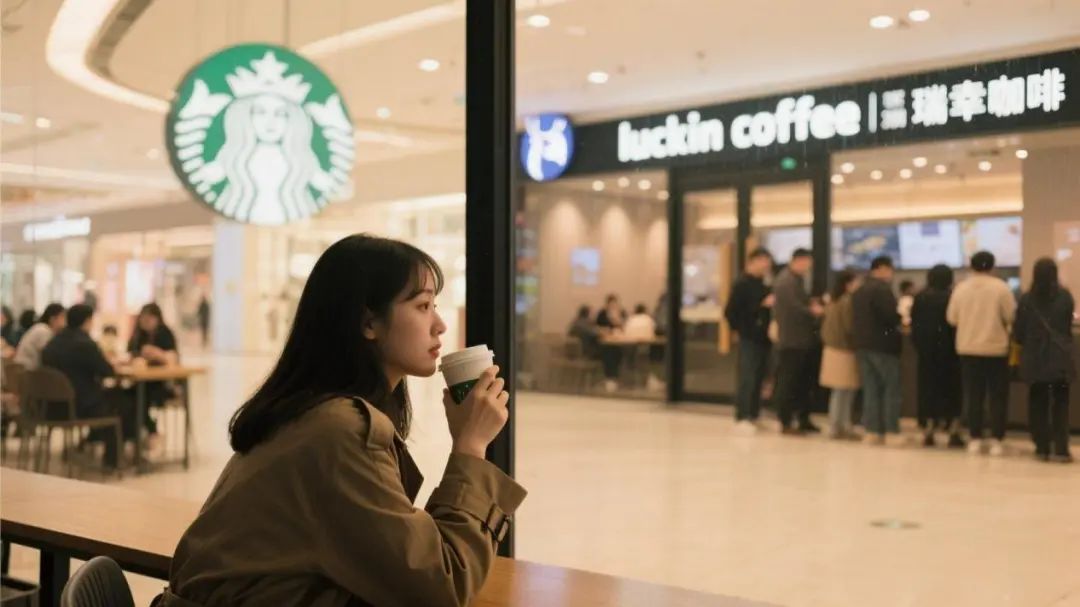
Discount posters are plastered at the entrance—a grande Frappuccino for just 23 yuan sounds like a good deal. But the store is noticeably quieter, with no lines at the counter. The staff remains polite, but everything feels a bit routine. You can tell that Starbucks, once a symbol of the middle-class lifestyle and the "third space," has lost its former glory.
Some joke that people go to Starbucks now not because the coffee is better, but because Luckin is too crowded and they don’t want to wait in line.
At this delicate moment, Starbucks China is reportedly considering a "partial equity sale" with a valuation of up to $9 billion. The news immediately sparked heated debate: Is Starbucks really worth that much anymore?
Even more surprising is the appearance of a familiar name on the list of potential buyers: Centurium Capital, the major shareholder of Luckin Coffee.
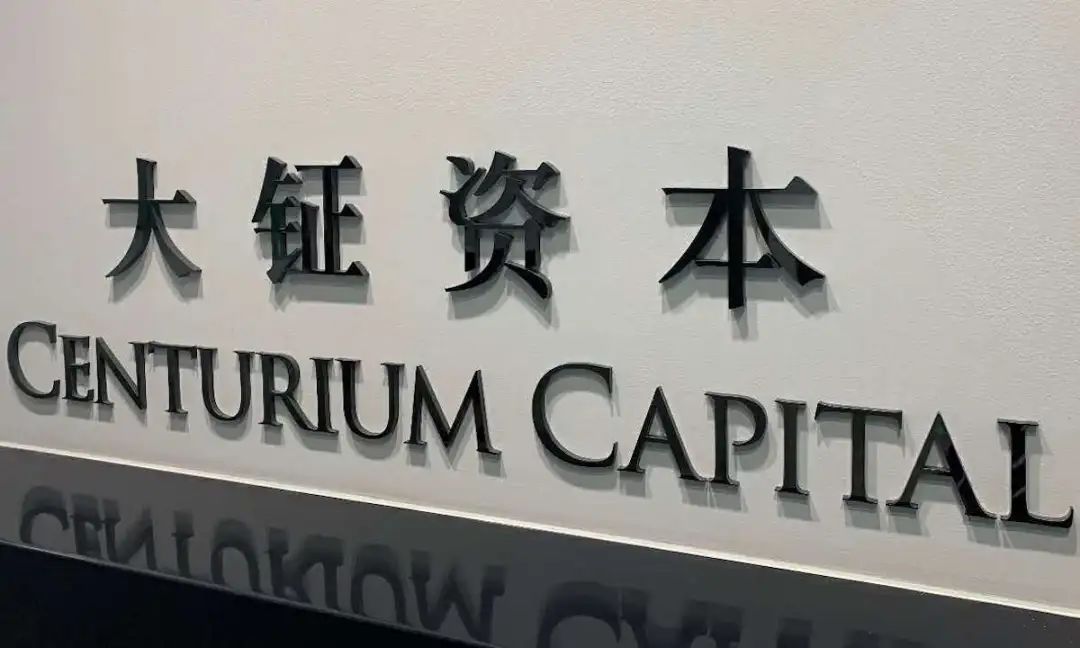
This capital player, which once broke through with its "9.9 yuan" strategy, is eyeing its old rival—the one it forced to lower prices. This isn’t about cooperation or complementarity; it’s about acquiring and integrating Starbucks into its own empire.
This time, the bet isn’t on which coffee tastes better but on whether Chinese consumers are still willing to pay dozens of yuan more for the sake of "brand."
Has Starbucks’ "Coffee Myth" Fallen from Grace? Is It Really Worth $9 Billion?
Starbucks probably never imagined that in China, its most successful overseas market, it would be forced to "sell itself."
Data shows that Starbucks China’s revenue for fiscal year 2024 was $2.958 billion, down 1.4% year-on-year. In Q2 2025, despite a 5% year-on-year revenue increase, this was driven by "selling more": same-store transactions grew by 4%, while average spending per customer fell by 4%. In other words, more people are buying cheaper items.
Once, a 30-yuan latte represented a refined lifestyle. Now, under the siege of Luckin and Cotti’s "9.9 yuan normal price," that refinement has become a stubborn insistence forced by circumstances.
And the reality is, consumers aren’t buying it.
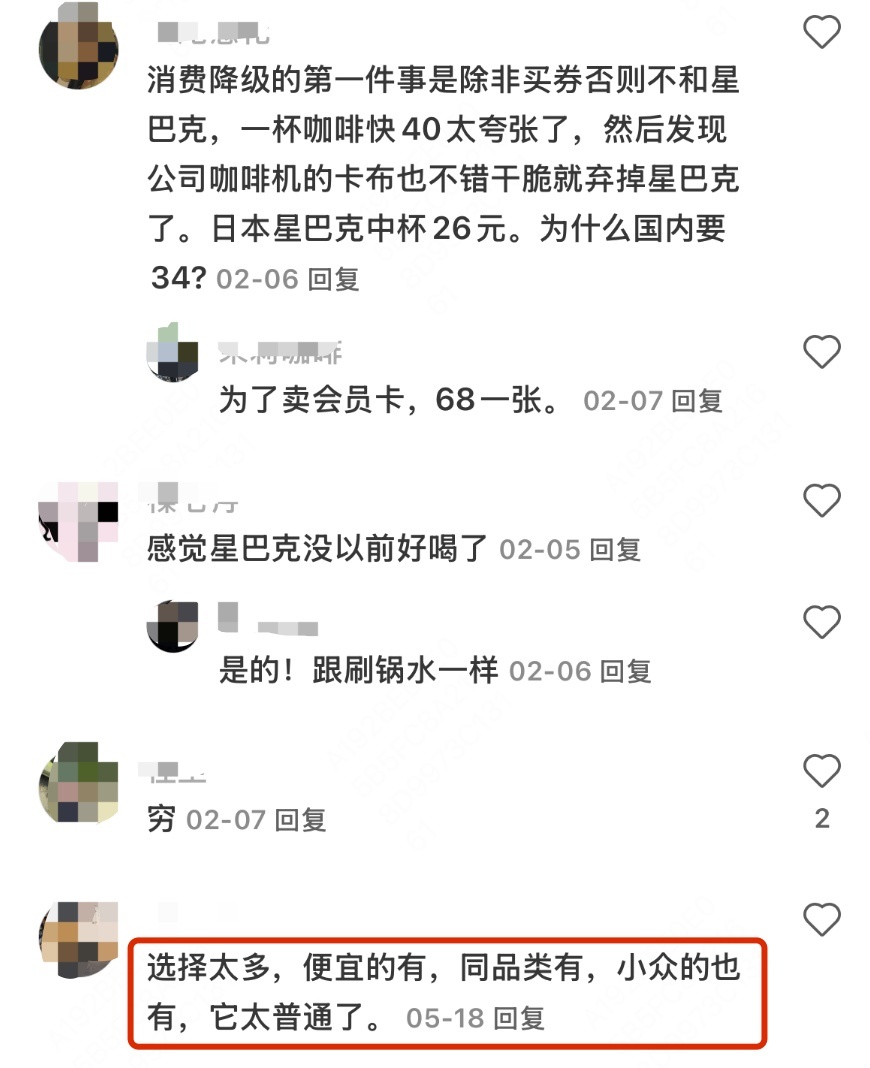
On Xiaohongshu, a popular comment reads: "Starbucks is too expensive at full price, and now that it’s discounted, I don’t even want to drink it anymore." It has tens of thousands of likes. This psychological price collapse is more deadly than any competition. You can lower prices, but you can’t bring back the sense of worth.
By the end of 2024, Starbucks China had 7,758 stores, while Luckin surged to 24,097 stores, with quarterly revenue of 8.87 billion yuan—1.6 times that of Starbucks in the same period. The gap in speed is huge, and the momentum has clearly changed hands.
Seeing no way to compete, Starbucks chose to "sell itself": seeking multiple capital partners at a $9 billion valuation, retaining 30% equity for a controlled partial exit.
But the question is, is it really worth that much?
A private equity firm did the math: Starbucks China’s 2024 revenue was about $3 billion, giving it a price-to-sales ratio of around 3x. In the same period, Luckin’s revenue was about $5 billion, with a price-to-sales ratio of just 1.89x, and it’s growing faster and is larger in scale. By the same logic, Starbucks is worth at most $6 billion.
So why is it asking for $9 billion?
Simple: it’s betting on the lingering "afterglow" of its brand.
Why Does Centurium, Behind Luckin, Want Starbucks?
Centurium Capital isn’t dumb money—its calculations are even sharper than Starbucks’.
From the 2020 financial scandal to overtaking Starbucks in 2025, Luckin has undergone an epic "rebuilding from the ruins." Today, the real mastermind behind Luckin is Centurium’s helmsman, Li Hui.
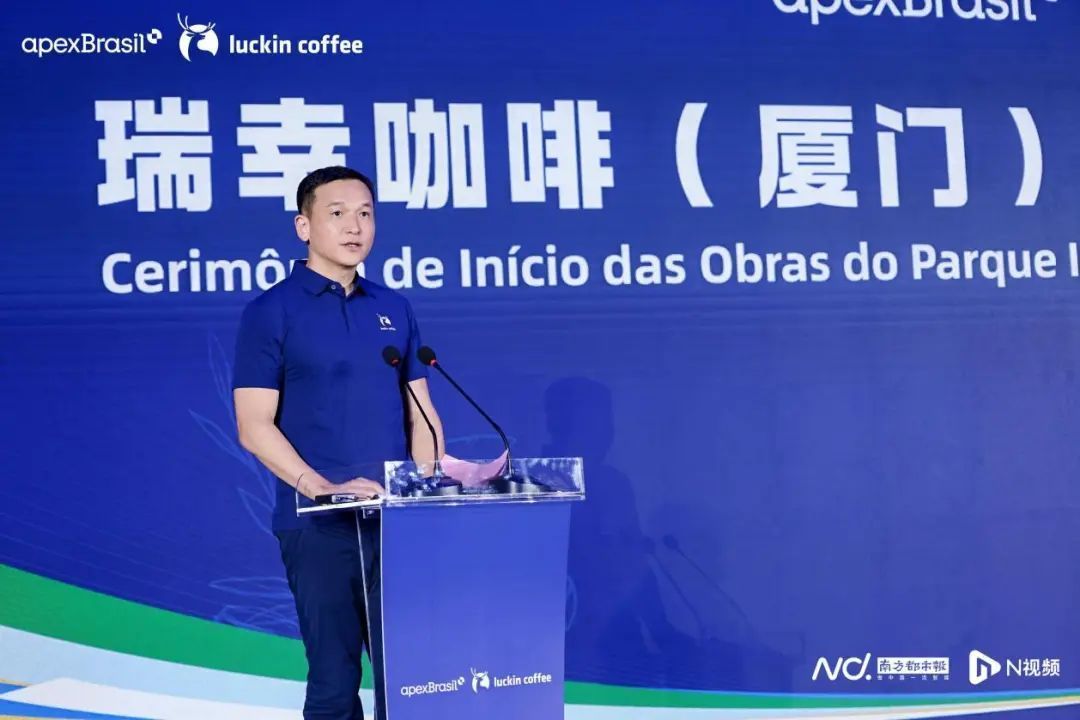
In April this year, Li Hui officially returned to Luckin’s board as chairman, consolidating Centurium’s control over Luckin while supporting Guo Jinyi. Now, Li Hui is rumored to be making a move to acquire a stake in Starbucks China.
This isn’t a coincidence—it’s more like filling a gap.
Luckin has won the price war but hasn’t fully won the brand war. It has many drinkers but little brand loyalty. What Luckin fears most isn’t a lack of buyers but a lack of "believers."
And what Starbucks holds most valuable isn’t its stores or recipes but its "brand": it once represented "premium," "lifestyle," and "international flair."
If Centurium gains control of Starbucks China, it can continue to reap Luckin’s scale benefits while using Starbucks to shore up its brand weaknesses.
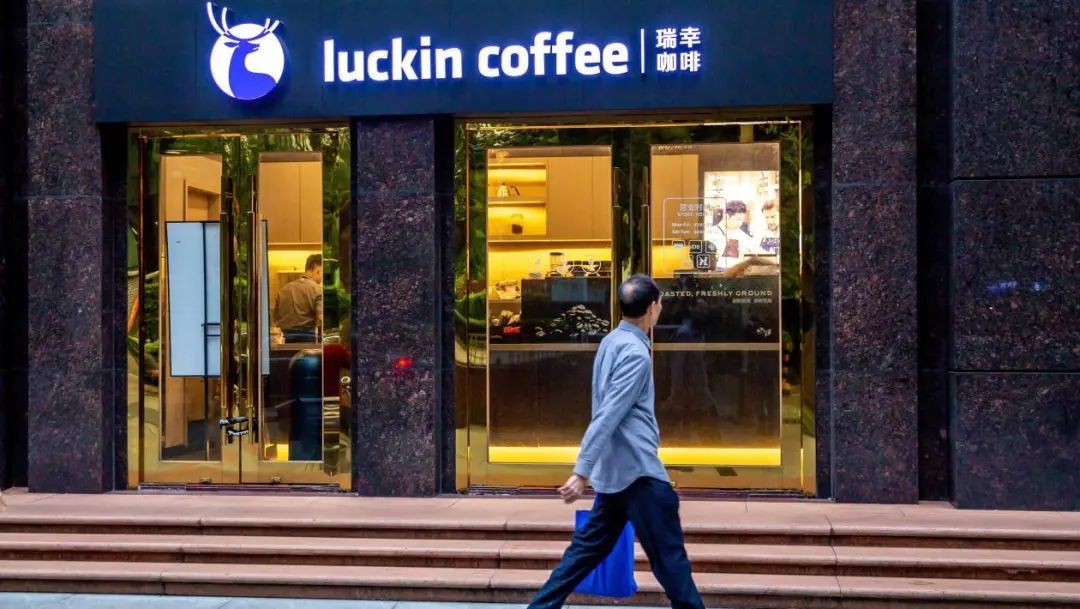
As netizens say: "One is responsible for cutting prices, the other for maintaining appearances—both owned by the same boss."
Moreover, China’s coffee market clearly hasn’t peaked.
Annual per capita coffee consumption in China is less than 10 cups, compared to over 40 cups in Japan and South Korea. Even if penetration merely doubles, that’s a trillion-yuan incremental market.
Centurium isn’t just looking at who wins or loses but at how to position itself.
Using Starbucks’ name to open new stores, penetrate lower-tier markets, and create collaborations—even if the brand itself isn’t profitable—would be worth it as long as it feeds back into Luckin’s core business.
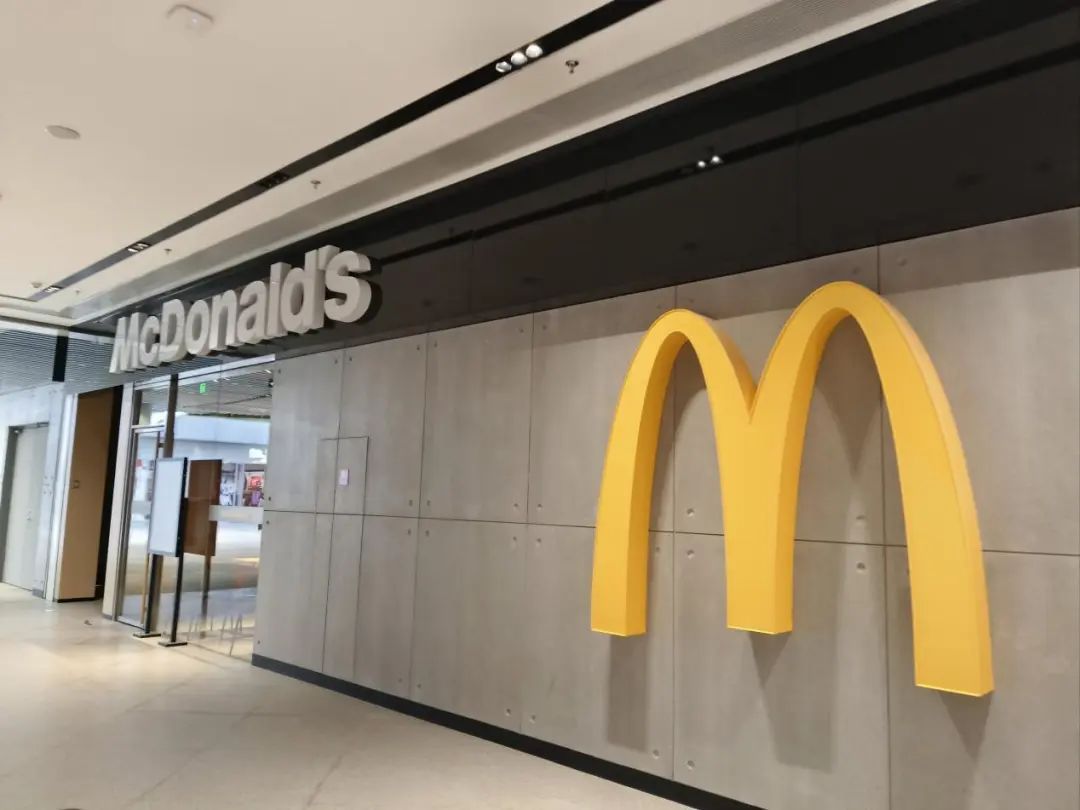
Besides, there’s a "McDonald’s playbook" precedent: after McDonald’s sold its China business to CITIC, Hillhouse, and Carlyle, stores grew from 2,500 to 6,800, and profits doubled. Capital takes the brand, localizes it—it’s a proven formula.
Starbucks China is the next Golden Arches waiting to be replicated.
Do Consumers Still Recognize Starbucks? Can Coffee Newcomers Beat "Old Money"?
But just because capital’s calculations are sharp doesn’t mean the market will buy in.
Starbucks’ core logic has always been brand premium. But this logic is now unraveling.
In June this year, Starbucks quietly lowered prices, cutting several grande items by 5 yuan, even introducing a 19.9 yuan "affordable" option. But the response was lukewarm. One consumer put it bluntly: "I used to drink it because I liked it; now I buy it because it’s cheap."
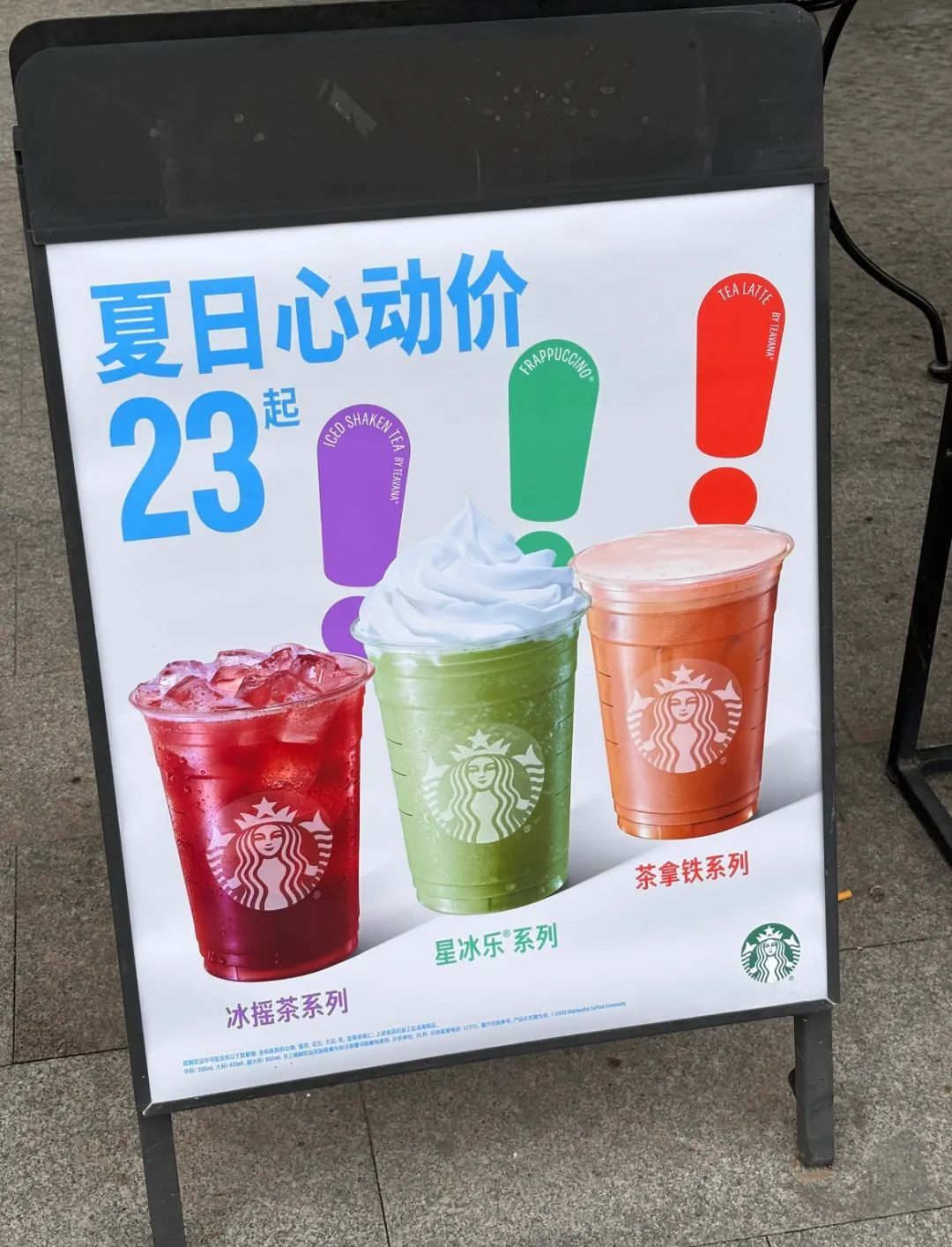
When a brand shifts from "active choice" to "cheap option," it’s a qualitative change. Starbucks can’t match Luckin’s aggressiveness nor let go of its high-end image, leaving it stuck in the middle.
As one netizen commented: "It’s not that Starbucks is unaffordable—it’s that 9.9 yuan offers better value."
Young people today drink for value; tomorrow, they might chase a collaboration. They’ve lost interest in Starbucks’ old-school narrative.
Starbucks’ "third space" myth is being shattered by reality. In the mobile work era, who spends an afternoon writing PPTs in a coffee shop? That’s so 2015. Plus, independent cafes are everywhere—more local, more photogenic. Why go to Starbucks?
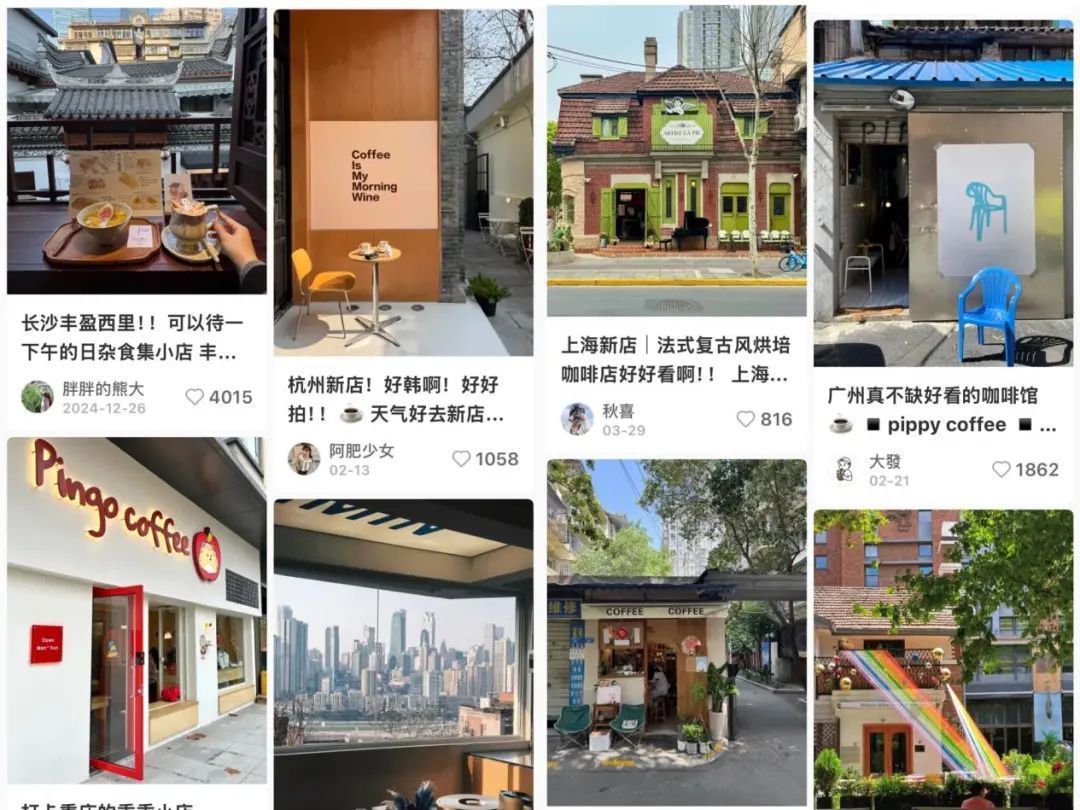
What capital fears most isn’t losses but a brand’s inability to tell a new story. Hillhouse, Centurium, and Carlyle see this—they’re not here to preserve but to transform.
But is Starbucks willing to be transformed?
It insists on retaining 30% equity, signaling it wants to keep final say over the brand. And that’s the risk: brand revitalization requires bold moves, not hesitation.
An old brand unwilling to relinquish control, new capital eager to make sweeping changes, and a restless Luckin in the mix—the next chapter might be more complicated than a three-way standoff.
Epilogue: The Coffee Market’s New Script Is Just Beginning
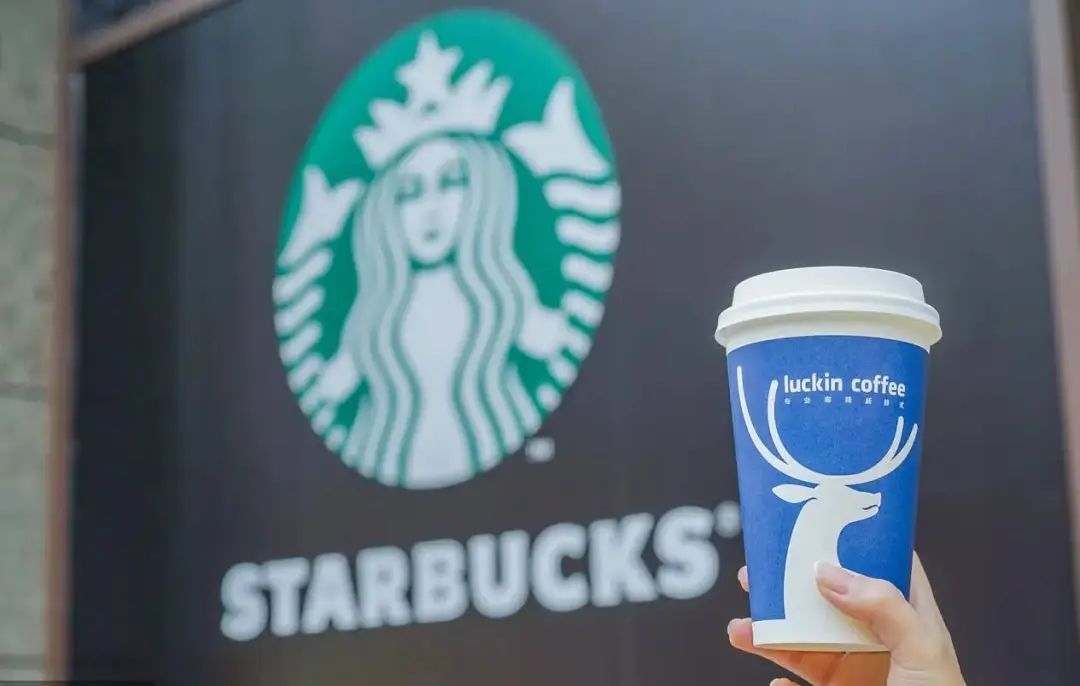
$9 billion isn’t just a number.
It’s a gamble on faith—whether Chinese consumers are still willing to pay for "Starbucks" and whether capital can steer a brand’s rebirth.
Luckin spent the past five years revolutionizing efficiency, but the next five must be about brand elevation. Starbucks spent two decades selling a lifestyle, but now it needs price adaptability.
If this deal succeeds, the coffee market will enter a new phase—price wars may shift to brand wars, or even back to "service and experience" refinement.
Ultimately, whether consumers buy in is the only metric that matters in this capital game.
A cup of coffee holds more than just coffee—it carries our expectations for quality of life. And "quality of life" itself is changing: it might mean cheap, tasty, and fast, or dignified, refined, and storied. But it’s no longer defined by the brand.
Whether Starbucks can reclaim its throne or Luckin can escape the low-price trap depends on whether consumers give them a chance.
The final question is: Are you still willing to pay those extra few yuan?
The copyright of this article belongs to the original author/organization.
The views expressed herein are solely those of the author and do not reflect the stance of the platform. The content is intended for investment reference purposes only and shall not be considered as investment advice. Please contact us if you have any questions or suggestions regarding the content services provided by the platform.
