

When Chayanyuese expands beyond Changsha

Chayan Yuese is feeling a bit "twisted"?
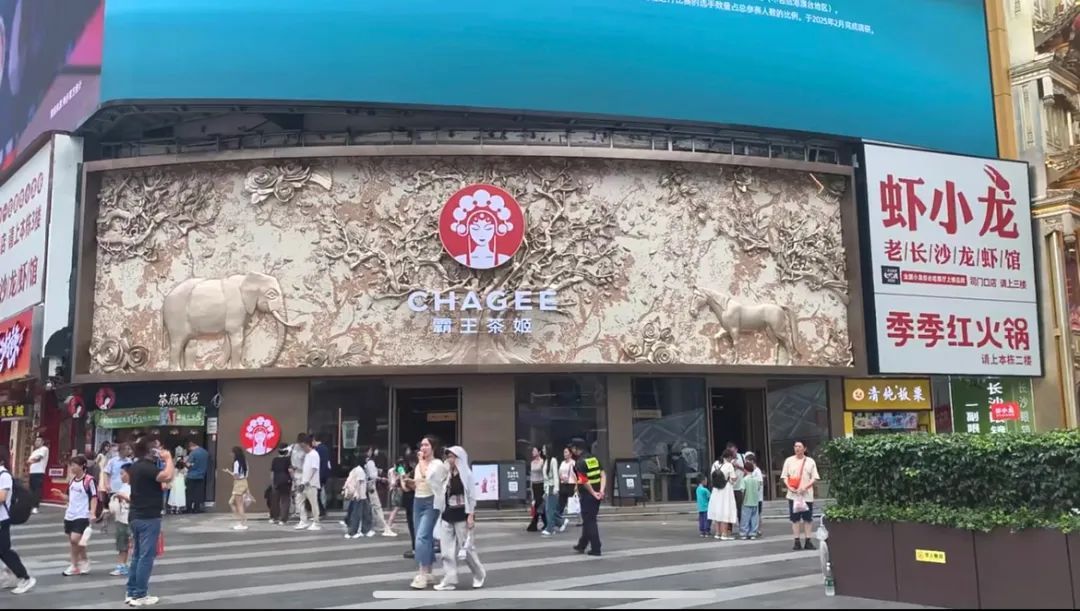
I went to Changsha in early July, and not far from the C exit of Wuyi Square subway station, I saw the new flagship store of Chagee under the giant store sign, which is one of the busiest stores of Chayan Yuese. That scene was a bit surreal, with long queues at both stores, and the air was filled with the aroma of milk tea and a hint of tension.
Changsha people really love tea, especially Chayan Yuese. But standing across the street, I felt for the first time that it looked a bit old.
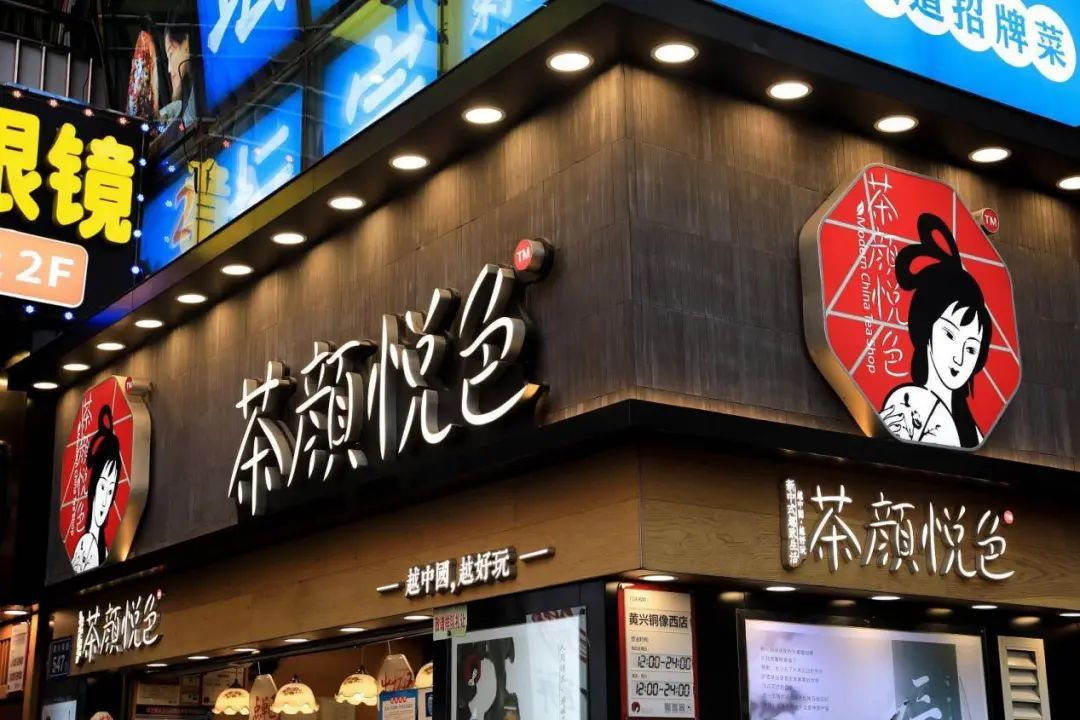
It is still so artistic and exquisite, with a familiar long-skirted lady logo, handwritten menu at the entrance, and Chinese-style wooden lattice. But the neighboring Chagee has already changed its approach, with an open facade of floor-to-ceiling windows and bright lights, and space inside for several groups to sit: no longer just grab tea and go. In contrast, Chayan Yuese seems cramped and somewhat self-absorbed.
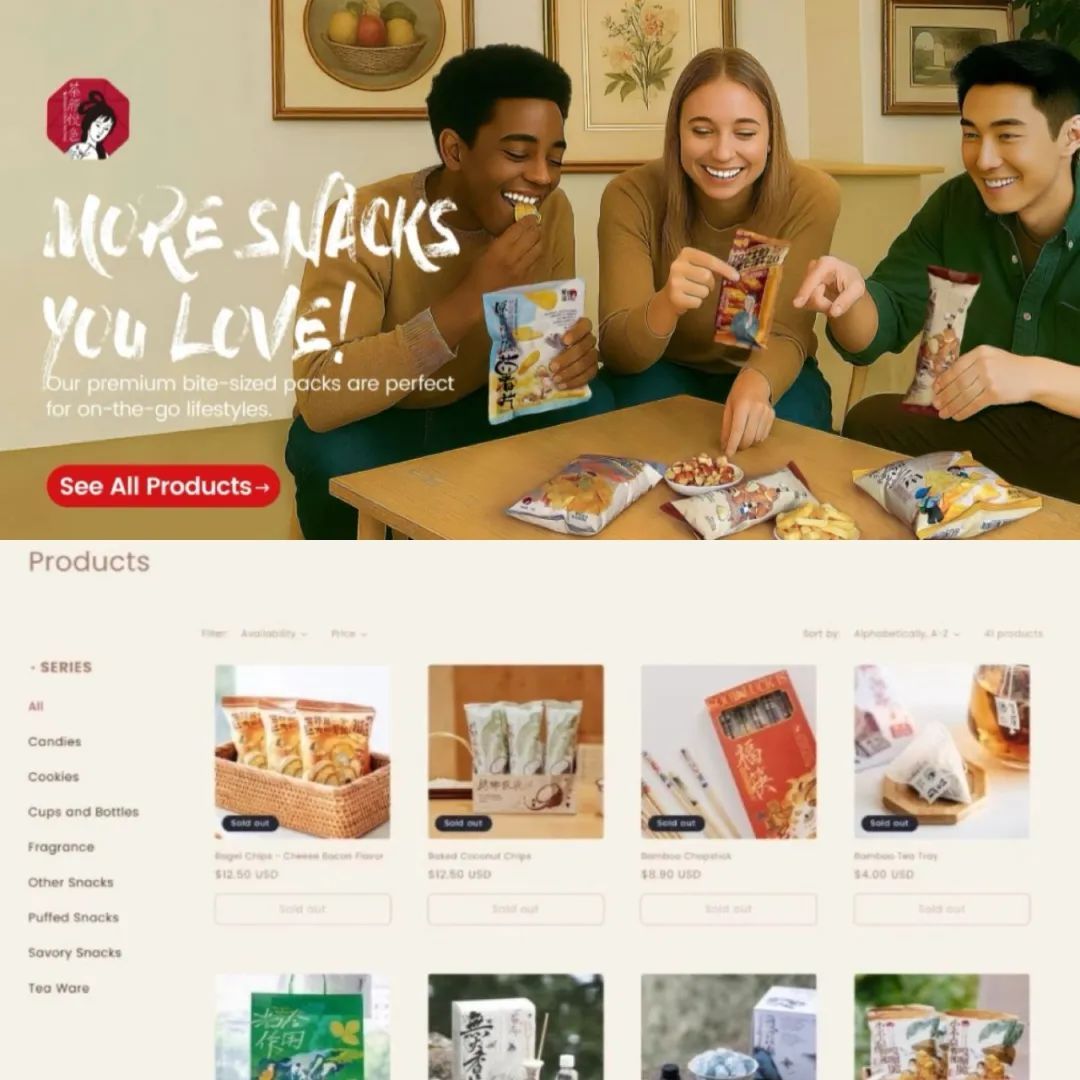
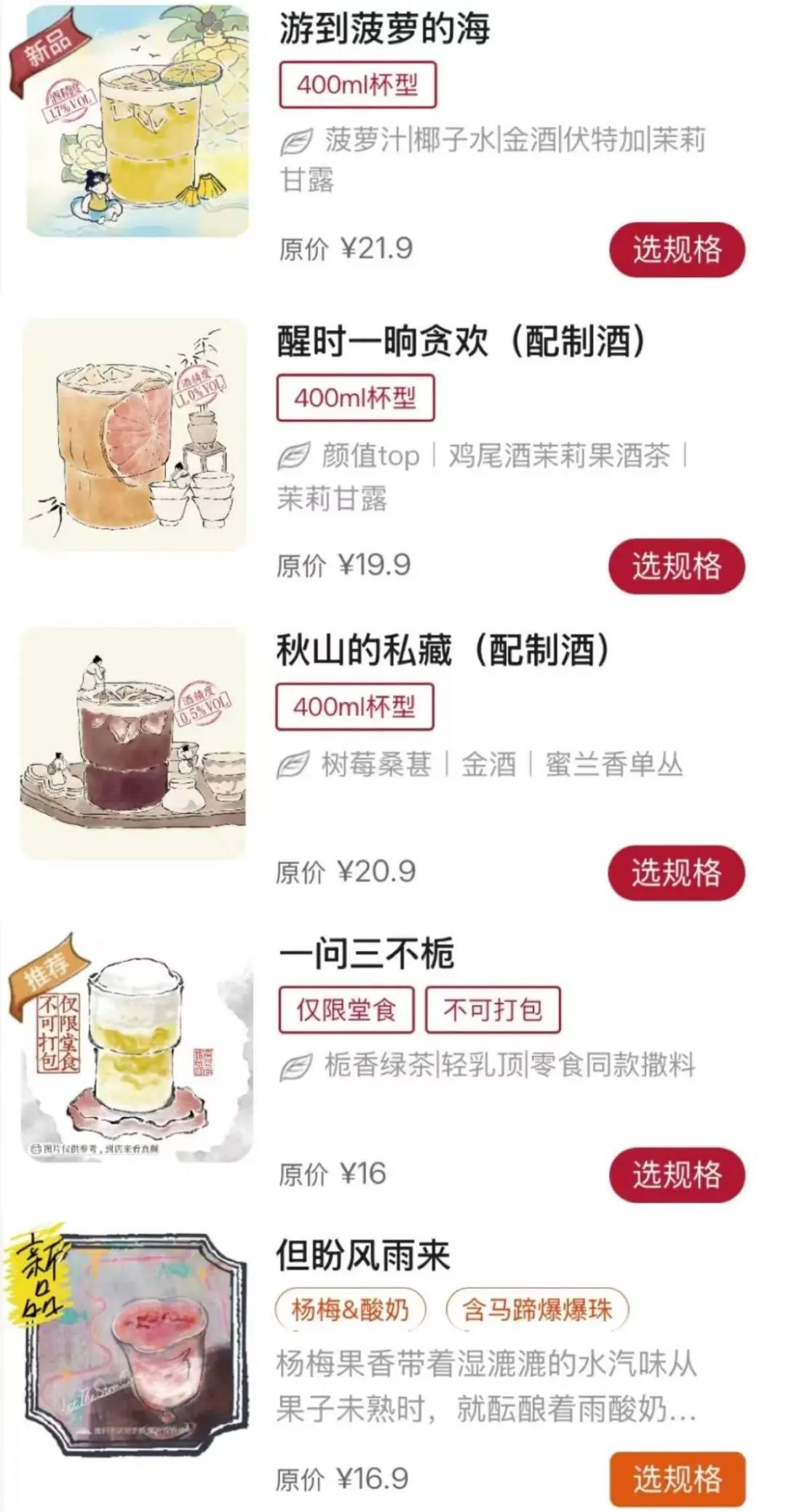
Coincidentally, in the same month, Chayan Yuese quietly opened an online store in the United States using Shopify's independent site, and simultaneously launched on Amazon and TikTok Shop, selling snacks like pecans and dried fish. And the tea I drank was after I ordered "Yi Wen San Bu Zhi," the staff cheerfully called out: "Master, your drink is ready~"
I unconsciously paused. The staff called naturally, but this "old-fashioned" title, along with the product name full of secondary style, seemed to pull me back to the 2019 node of the "most popular national trend brand." But it's 2025, and the tea brands on Changsha streets have changed several rounds, and the title "Master" and the name "Yi Wen San Bu Zhi" sound a bit awkward now.
It made me realize a problem: Chayan Yuese's slowness is not just the slow pace of expansion, but a deeper cultural inertia. This inertia once helped it establish a clear brand identity, but today, it may become the part that disconnects it from the world.
What I saw in Changsha was not a declining brand, but a brand starting to "twist."
Chayan is not just selling milk tea anymore
Chayan Yuese has started multi-line efforts, which is the biggest change in the past year.
In addition to the tea itself, it officially launched the "Chayan Bakery" baking sub-line, with product pricing between 3.3 yuan and 12 yuan, selling egg tarts, milk crisps, croissants, and also focusing on keywords like "pure animal cream" and "imported wheat flour," with a sense of "value for money with attention to detail." Currently, Chayan Bakery only has a formal store at Changsha Wanjiali store, but from the pricing and promotion strategy, it clearly wants to find a daily category that can reuse traffic outside of tea drinks.
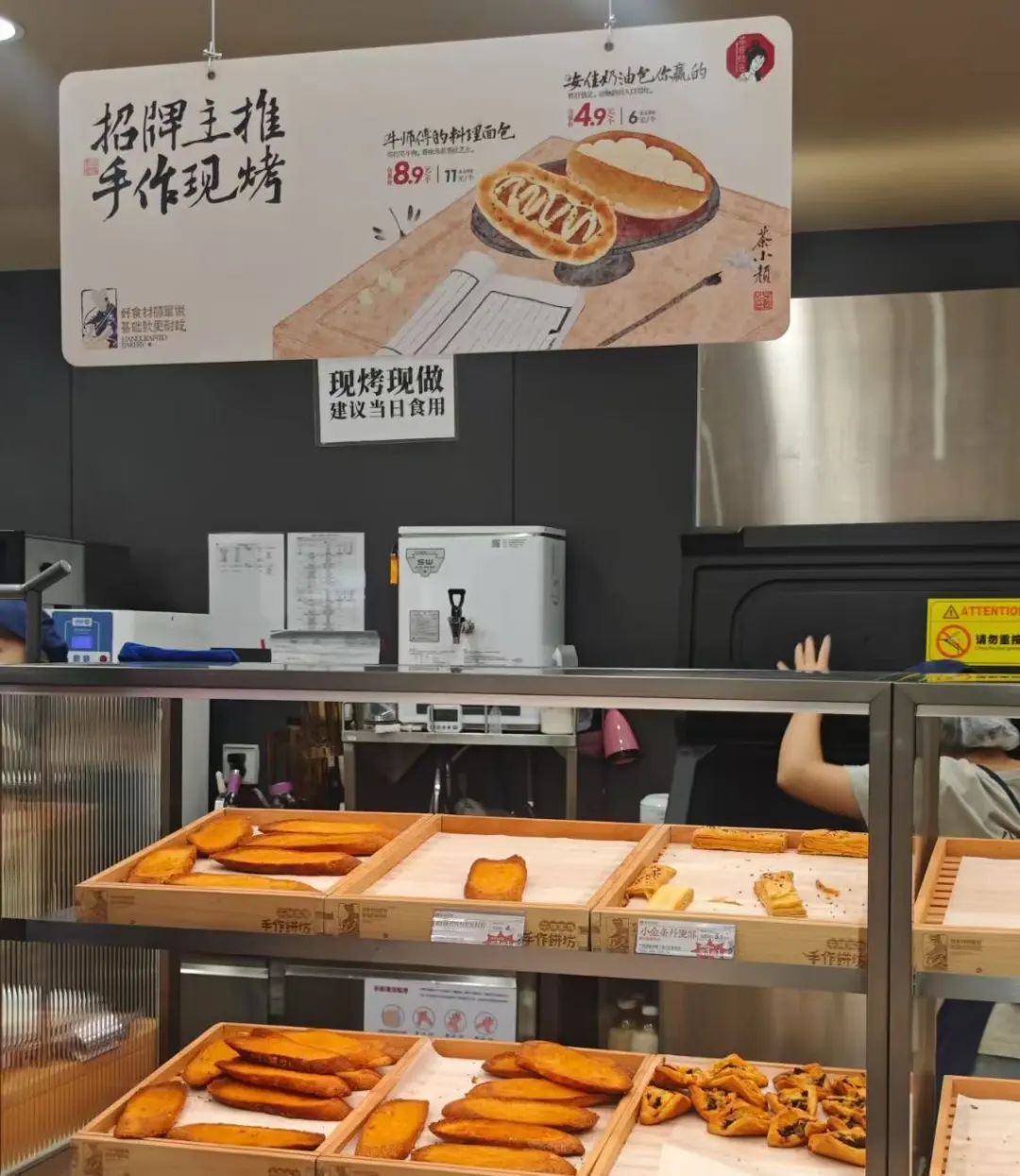
In 2024, it also launched the "Day and Night Poetry Wine Tea" new sub-brand, not just an extension of the original menu, but directly made a "wine + tea + meal" combination, with space and service clearly separated. In the first week of opening, it attracted a bunch of Changsha netizens to check in, and some said "this might be Chayan Yuese's most ambitious attempt."
But many controversies have also started to emerge.
For example, when I went to the "Day and Night" store, I wanted to take away a cup of milk cap wine, but was politely refused by the staff, saying it was because the product had temperature requirements, and taking it away would affect the taste. I can understand the brand's insistence on experience, but for users in a hurry, such regulations are indeed inconvenient.
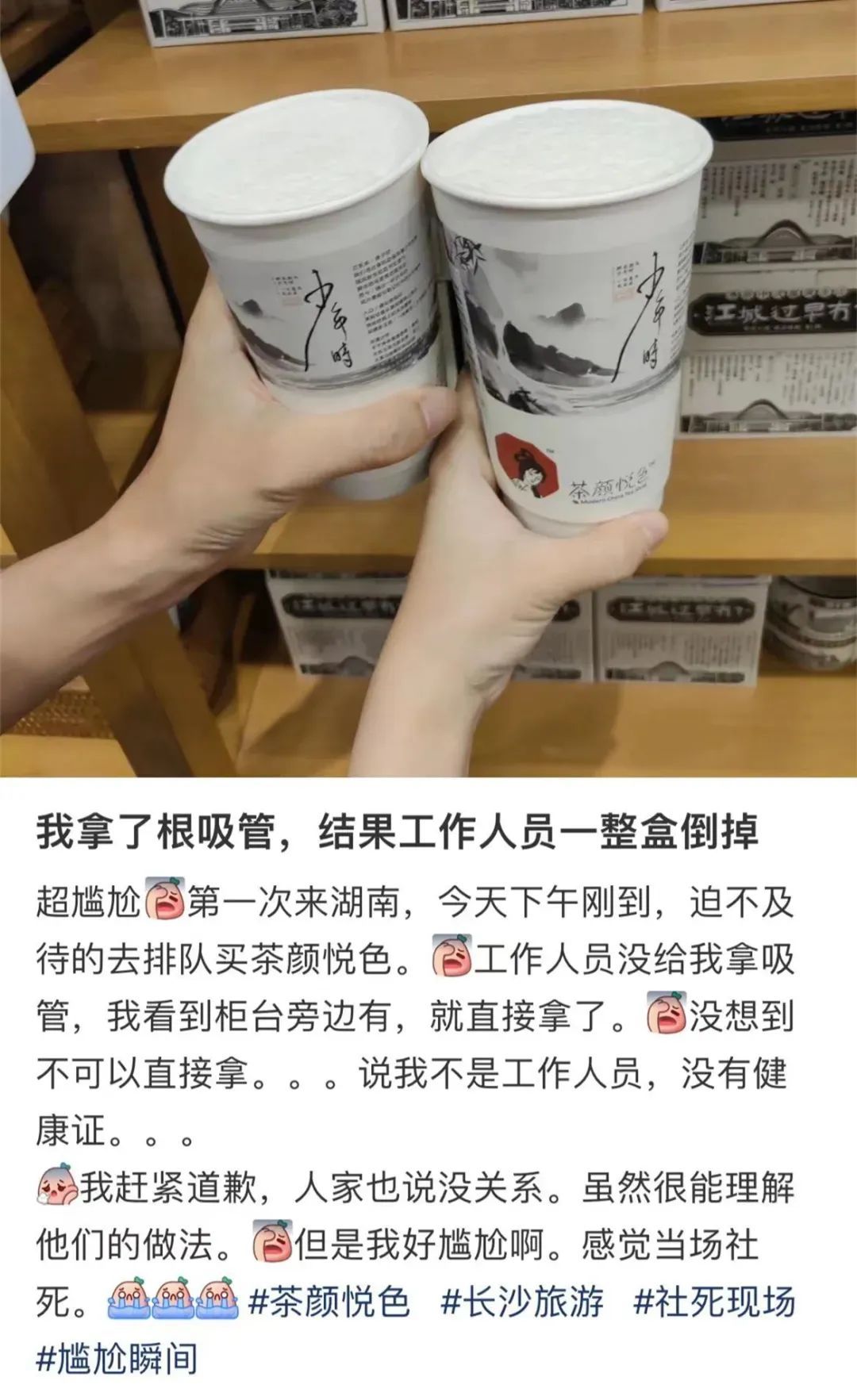
Another more typical thing: recently, Chayan Yuese was photographed with customers taking straws themselves, and the whole bucket of straws was thrown away by the staff on the spot. The official response later said, for "hygiene considerations," loose straws must be picked up by employees with tweezers. Many netizens complained, "like doing a compliance test for customers, even a straw needs to be controlled." This thing left a deep impression on me: Chayan Yuese seems to have been immersed in its corporate culture for too long, setting many rules, but lacking a sense of interaction with the real world.
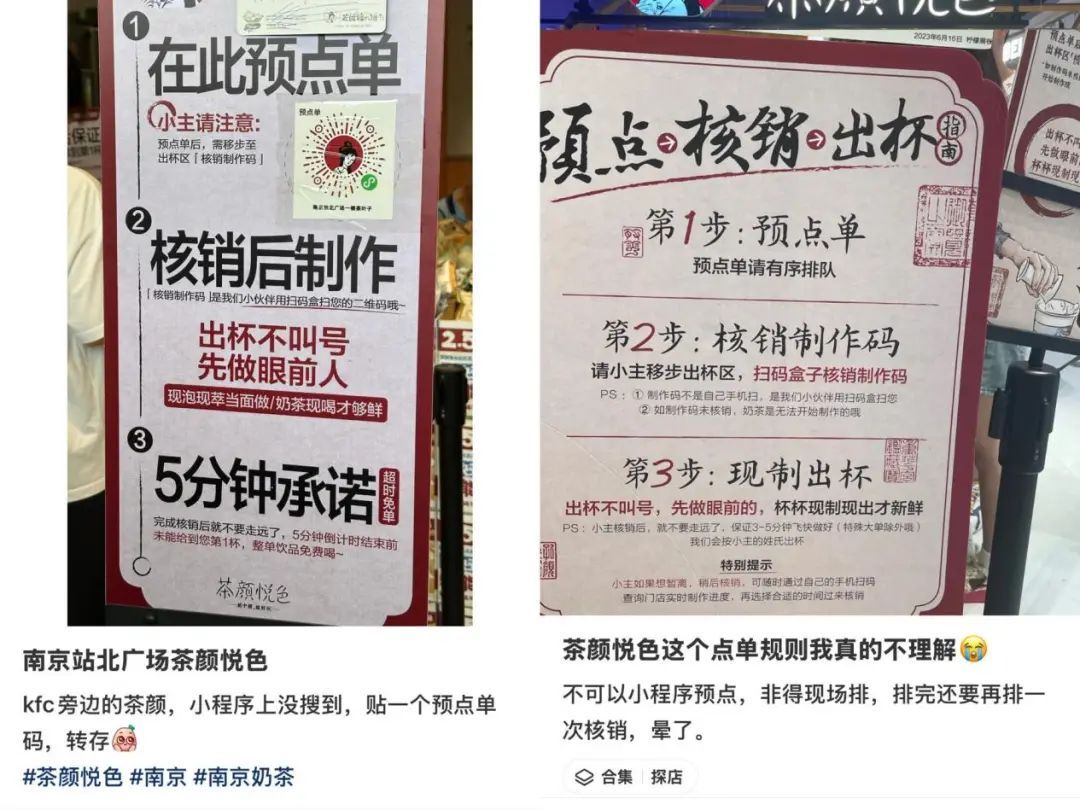
And issues like pre-ordering have made many people complain. Some users said they ordered several snacks, but when they arrived at the store, they had to let the staff find them one by one, which took longer than queuing on-site. The whole process seems like "stuffing online orders into offline habits," with the logic in between not running smoothly.
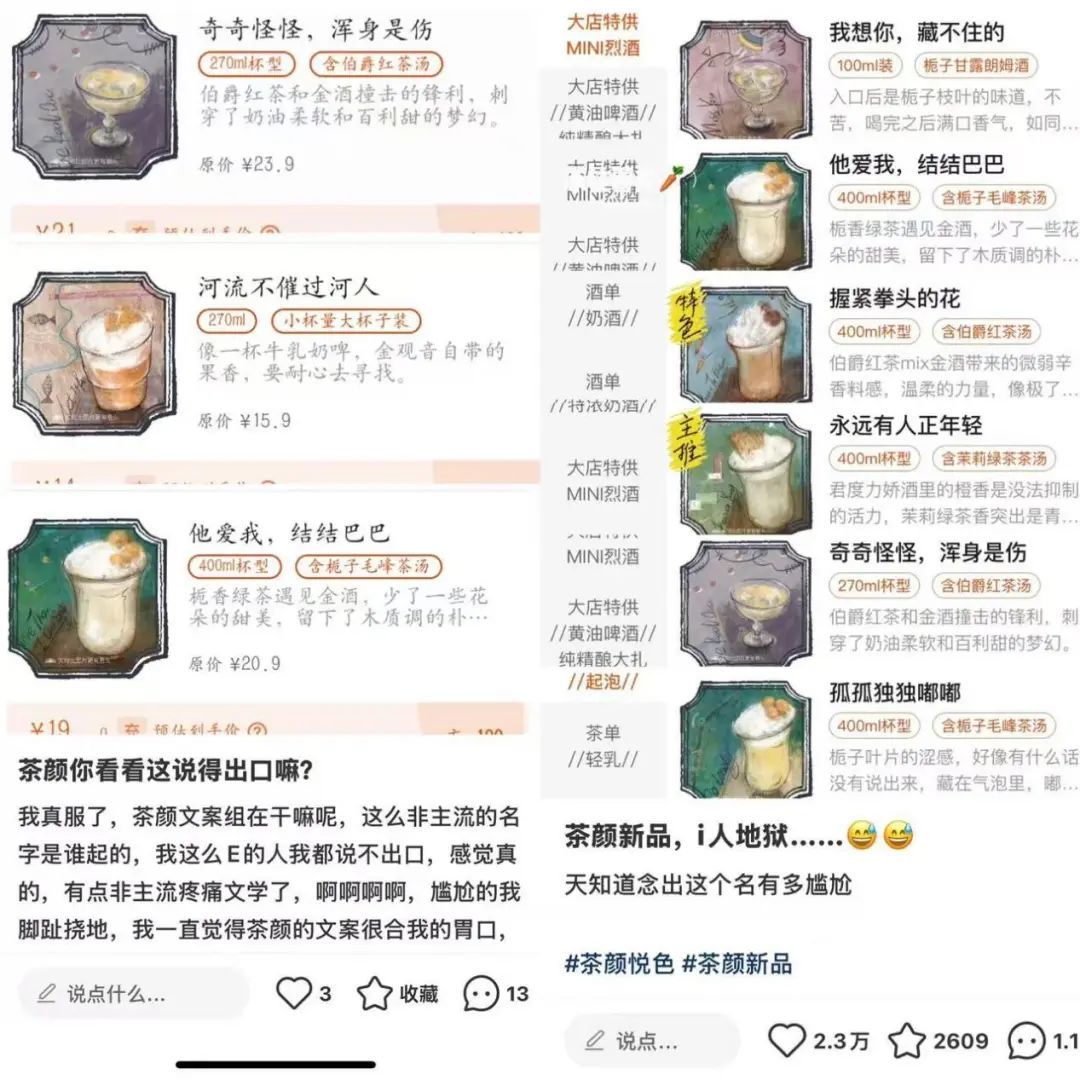
What is more distracting is the language style. Now when ordering at Chayan, you might still be called "Master," and the menu still has names like "Win Ma Le" and "I Love You." Initially, everyone found it interesting, but now it's 2025, and this style seems a bit "self-indulgent" to many. Internet buzzwords have increasingly shorter freshness periods, and for users, what remains may not be resonance, but awkwardness when ordering.
Slow half a beat? Chayan encounters "cultural differences" in going abroad
Chayan Yuese was popular because it found its own cultural narrative. When Heytea and Nayuki were talking about "urban fast pace" and "healthy light food," Chayan Yuese went the opposite way, using Chinese aesthetics and gentle tones to evoke a sense of comfort in the city. Its "slow" is a personality strategy different from assembly line milk tea.
But today, this slowness may instead hold it back.
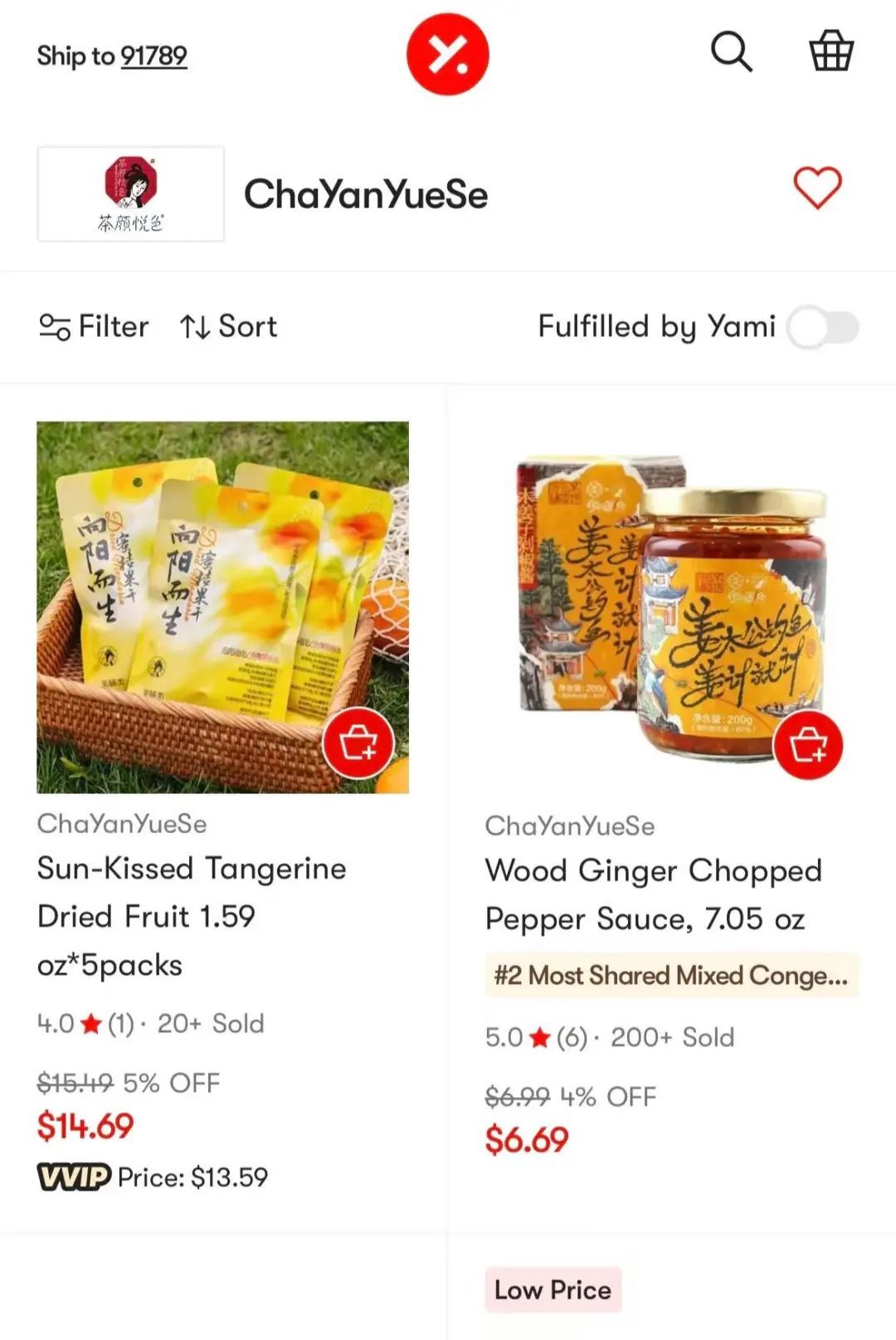
For example, the overseas strategy. Chayan Yuese has not yet had a truly overseas store, and the previously exposed "Malaysia store" was confirmed by the official to be fake. This time opening an online store in the United States, although using regular channels and focusing on "non-store, pure snacks, not involving tea drinks," compared to CoCo and Chagee opening stores in Singapore and Bangkok, it is clearly low-key and tentative.
An undeniable fact is: The strong regional nature of Chayan Yuese makes it more difficult to go abroad than other brands.
The national trend style was initially its weapon, relying on the combination of "ancient style + tea + poetic names" to carve out a path. But this discourse system is more suitable for Chinese domestic consumers, and in the global market, especially in English contexts, the cultural recognition threshold becomes higher. In contrast, Chagee uses "tea base upgrade + space upgrade" as the entry point, with brand visuals and product language more "internationally expressive."
It's not just about going abroad, even the domestic market is starting to encounter cultural tone friction.
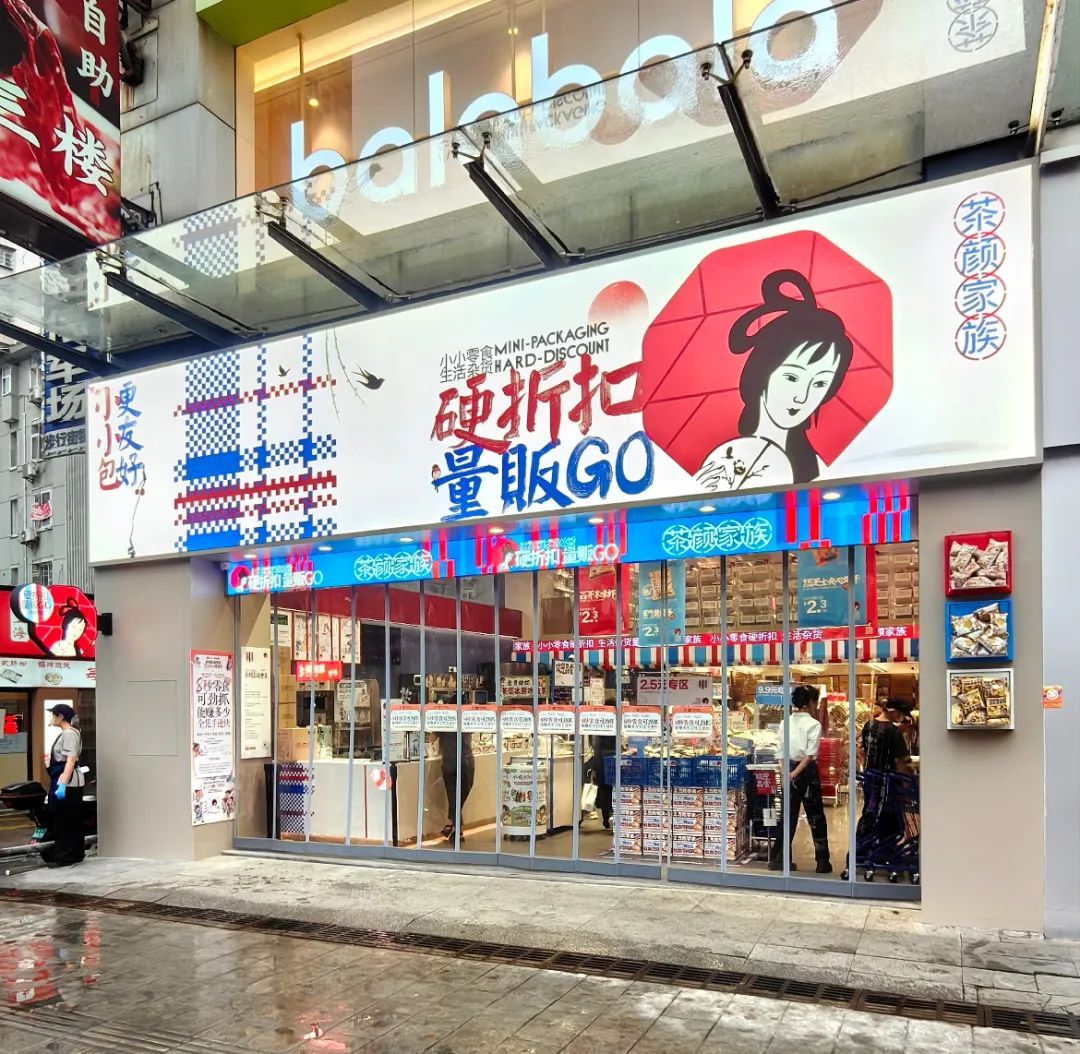
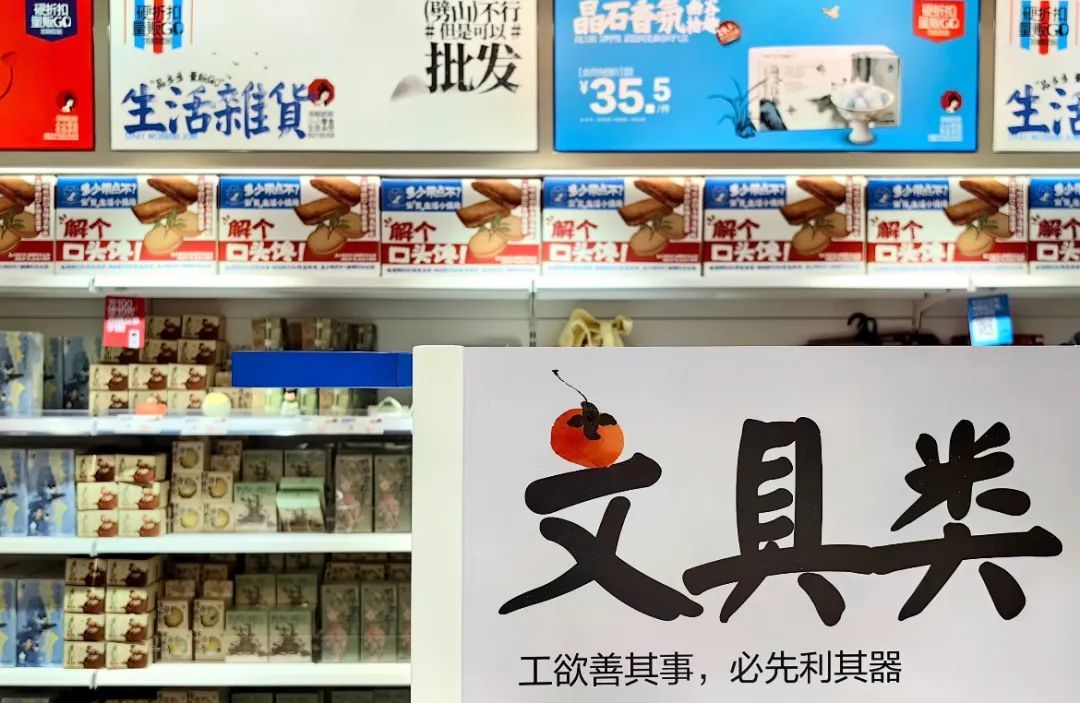
In 2024, Chayan Yuese opened "Hard Discount Wholesale GO" stores, selling tea, snacks, cultural and creative products, and other daily goods, trying to penetrate daily scenes. But in actual operation, this "full coverage" strategy also brought problems: you are not sure what its main business is now, milk tea? Stationery? Snacks?
A more typical detail is that many users share on Xiaohongshu that they bought Chayan Yuese snacks intending to give them as gifts, but found product names like "Win Ma Le" and "Er Huo" on the packaging, making it a bit hard to speak.
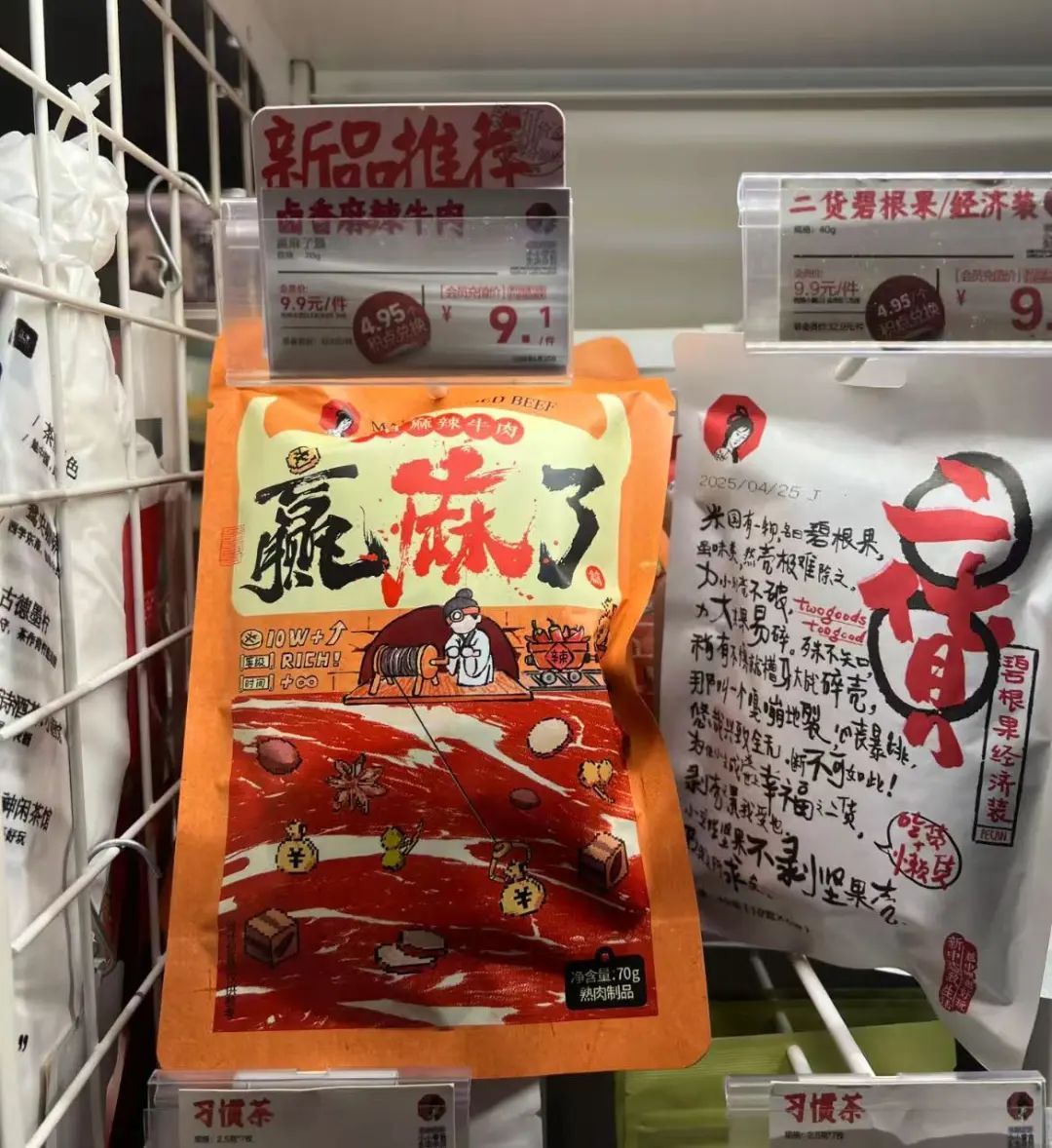
These names might resonate when the internet is booming, but in formal occasions like workplace scenes, family gatherings, and elder socializing, the childish and secondary naming seems less appropriate.
A netizen said very directly: "Buying a small snack to give to a client, with packaging saying 'Eat my catfish punch,' really don't know how to start."
You can feel that this cultural language gap is gradually becoming an obstacle for Chayan Yuese to expand external scenes.
Flavor "steady," but how far can it go?
Of course, I can't just focus on its problems.
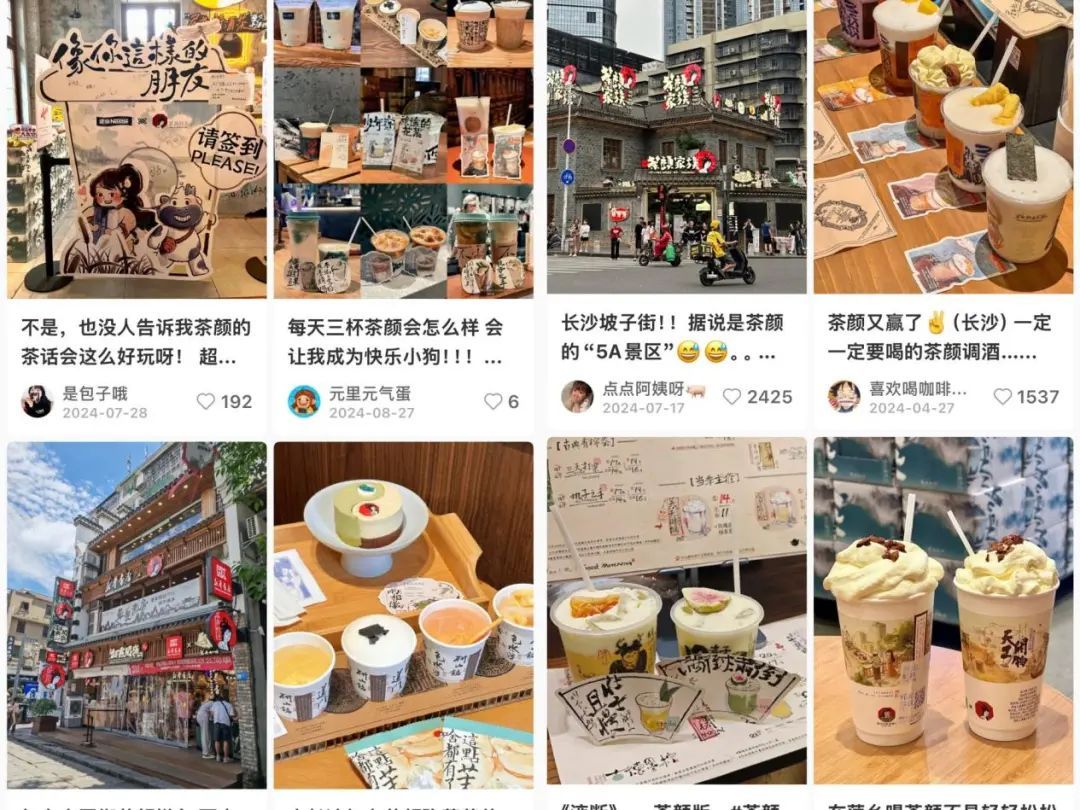
I noticed that despite many controversies, Chayan Yuese still has strong brand stickiness. At Changsha South Station and other high-speed rail hub stores, you can often see people dragging luggage to get a cup of "Youlan Latte"; on social platforms, many outsiders still make a special "check-in for a cup to count as having been to Changsha."
Even when I was queuing, a guy in front directly said: "No matter how many problems it has, the taste is really steady."
This made me realize a fact: in today's milk tea market trend towards ingredient stacking and flavor hunting, Chayan Yuese is actually one of the few brands insisting on "light milk tea." Its base is black tea and oolong, not heavy milk and sugar, indeed has a distinctive taste. And in service, it still maintains many soft details, such as staff proactively handing water, reminding "take it slow" when picking up tea, etc.
Another easily overlooked point is that now almost all milk tea brands are doing celebrity or IP collaborations, from cartoons, series to idol artists, competing for young people's attention. But Chayan Yuese has hardly done similar actions, perhaps it always felt that it itself is an IP. This persistence is confidence, also solitary courage, but as users' attention habits keep changing, if the brand doesn't timely dialogue, it may gradually lose presence.

This might be why it hasn't "collapsed" yet.
The problem is, if it always relies on this set of methodologies, it will be difficult to traverse the era cycle.
Milk tea is not red wine, it can't have decades of brand sedimentation time. It's more like a series of short sprint races, each round of consumer growth and cultural change will eliminate a batch of brands. If in 2019 "Chinese milk tea + national style visuals" could make a name, in 2025 to continue surviving, it must re-understand the current language of consumers.
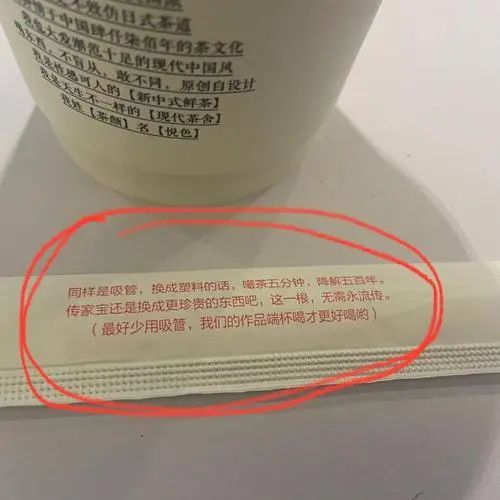
Including "self-indulgent" names, overly ceremonial titles, rigid packaging policies, these things once considered personality tags, now may become obstacles to young people.
Consumers have changed, brands cannot remain unchanged.
Written at the end: Can Chayan still "slow" down?
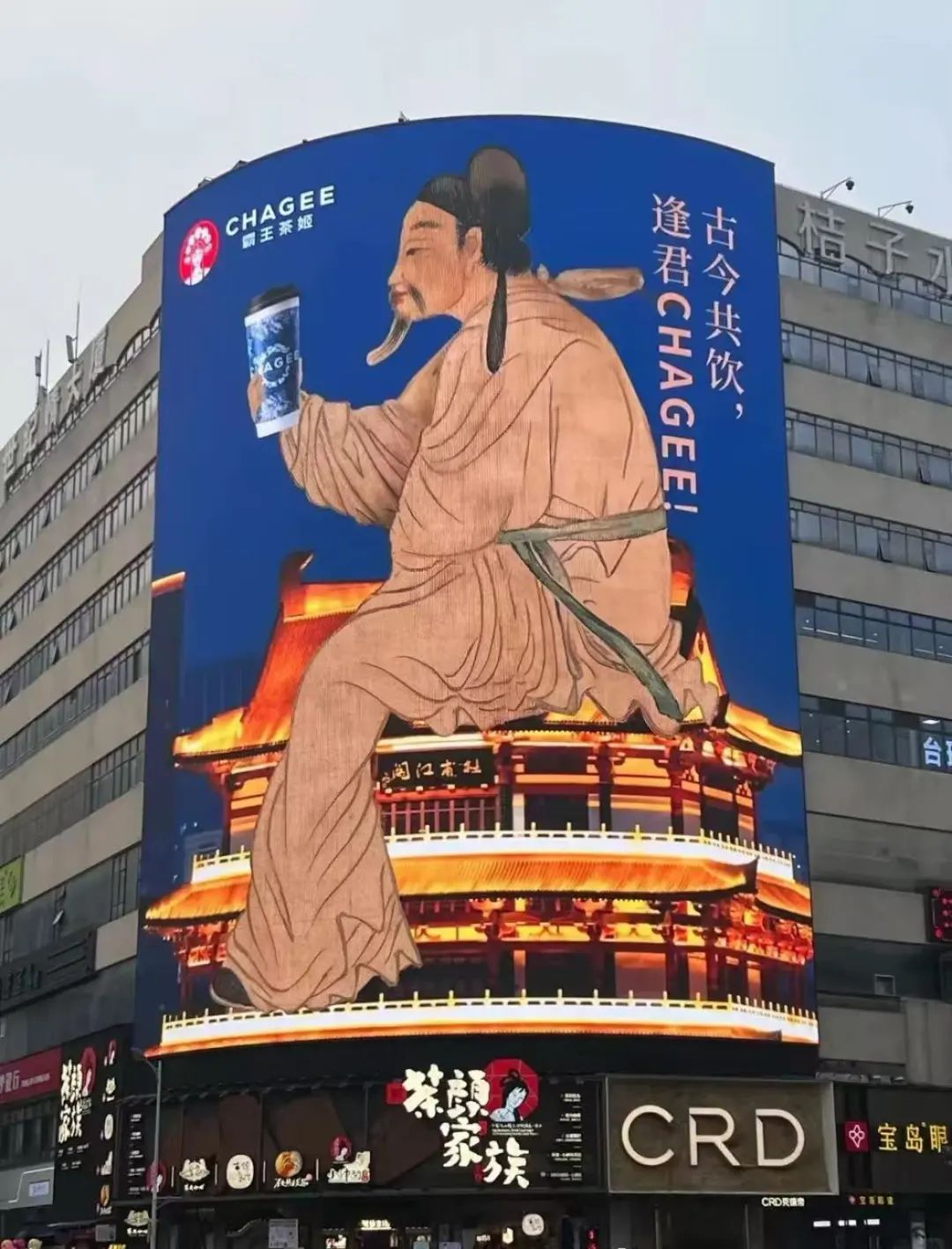
The day I left Changsha, I still departed from Wuyi Square subway station. It was Sunday afternoon, Chayan Yuese and Chagee were still queuing, I didn't buy again, just looked from afar.
These years I've seen too many brands rise and fall, some are red-hot on social media but quietly exit, some can slowly settle down after the hype. Which one will Chayan Yuese be? I can't say for now.
It is indeed not the most aggressive one. Facing competition brand encirclement, young people's taste changes, cultural context drift, it hasn't rushed to open dozens of sub-brands, even denied IPO rumors.
But it hasn't found a new rhythm yet.
This reminds me of what a friend said: "Chayan Yuese is a bit stubborn, but you can't deny it's seriously making tea."
Whether it will walk out its next "slow kung fu era," no one can be sure. But at least now, it should have realized that those applause once won by hot memes and resonance may not accompany it to the end.
The copyright of this article belongs to the original author/organization.
The views expressed herein are solely those of the author and do not reflect the stance of the platform. The content is intended for investment reference purposes only and shall not be considered as investment advice. Please contact us if you have any questions or suggestions regarding the content services provided by the platform.
