

Non-farm payroll data bombs spark rate cut expectations! How to position amid U.S. stock declines?

Today, Decode Brother briefly discusses the US non-farm payroll data and investment opportunities in US stocks.
Last Friday, the US non-farm payroll data was released. The addition of 73,000 jobs was far below expectations, and the data for the previous two months was revised down by 258,000. This angered Trump, who threatened to fire the head of the US Bureau of Labor Statistics and continued to pressure Powell to cut interest rates.
The weak US employment data completely shattered the narrative of a still-strong labor market, sharply increasing expectations for interest rate cuts. At the same time, the Trump administration introduced another round of tariff measures, coupled with suddenly tense geopolitical situations, leading to heightened risk aversion.
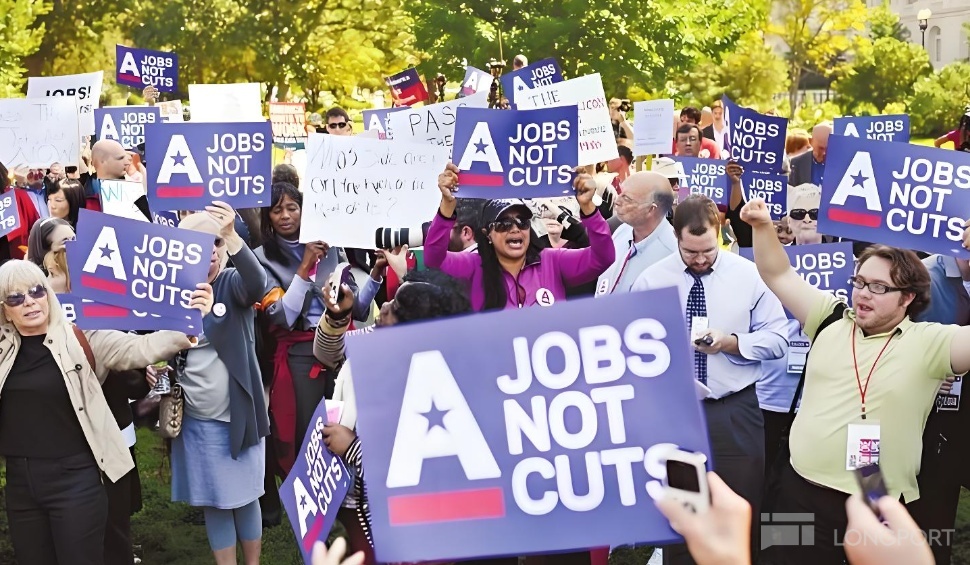
What is the relationship between poor employment data and interest rate cuts?
Interest rate cuts can reduce corporate financing costs and promote investment. Once rate cuts begin, they will lower bank loan rates and corporate bond issuance costs, making companies more willing to borrow money to expand production, upgrade technology, or hire more people.
They can also stimulate consumer demand. Rate cuts are usually accompanied by lower deposit rates, reducing savings returns and encouraging people to spend rather than save. Increased consumption boosts corporate sales, prompting companies to maintain or increase employment.
Additionally, rate cuts can ease household debt pressure. Lower interest rates, such as for mortgages and car loans, reduce monthly payments, increasing disposable income and indirectly supporting consumption and employment. This can also prevent large-scale layoffs due to debt defaults.
Rate cuts can boost market confidence. They signal the Fed's support for the economy, improving business and investor expectations for the future and encouraging hiring and investment.
They can also curb deflation risks. Rising unemployment often accompanies insufficient demand, potentially leading to falling prices and further layoffs as corporate profits shrink. Rate cuts help maintain price stability by increasing monetary liquidity, avoiding a vicious cycle.
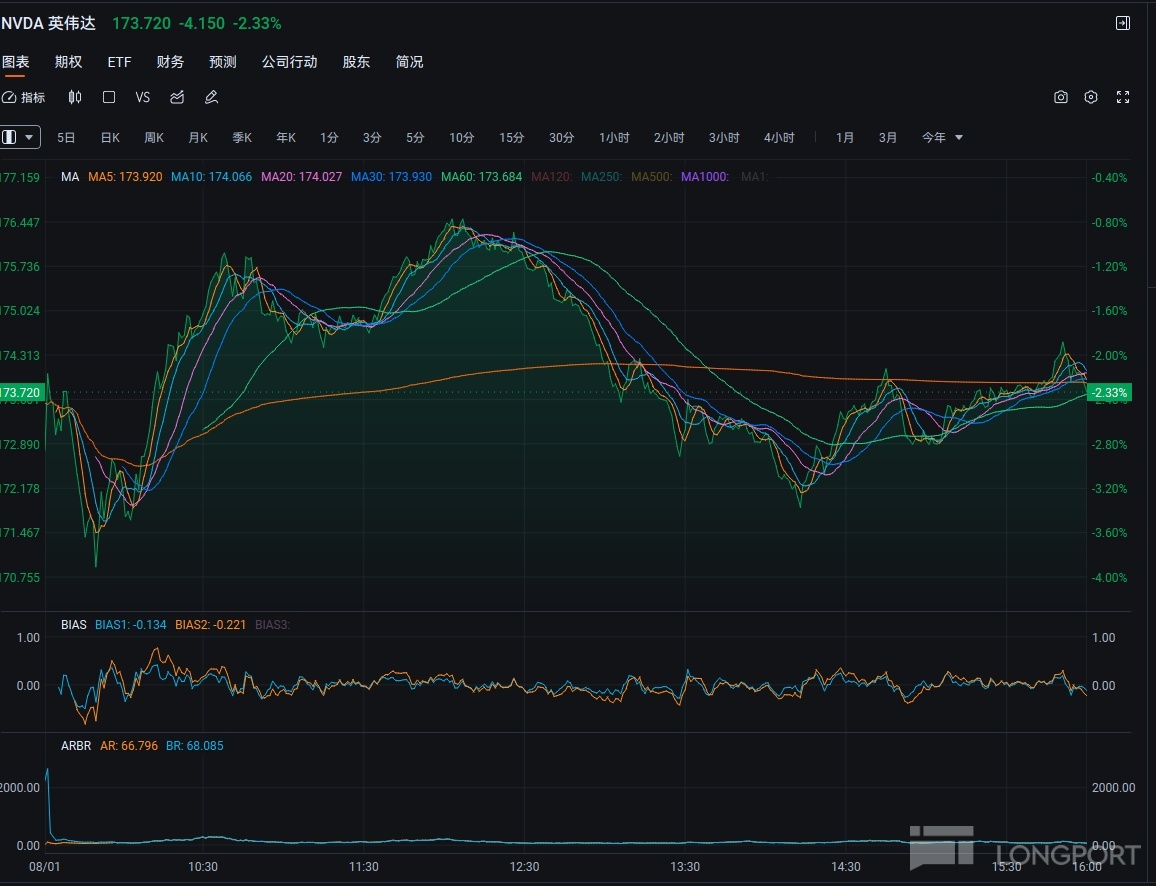
$NVIDIA(NVDA.US) opened weakly on the 1st, with buying power gradually strengthening by noon, fluctuating between 174-176 before slowly retreating, closing down 2.33%.
A MACD death cross formed, with pressure from MA5. A break below 170 could lead to a deeper correction, with stop-losses recommended in batches at 164-170.
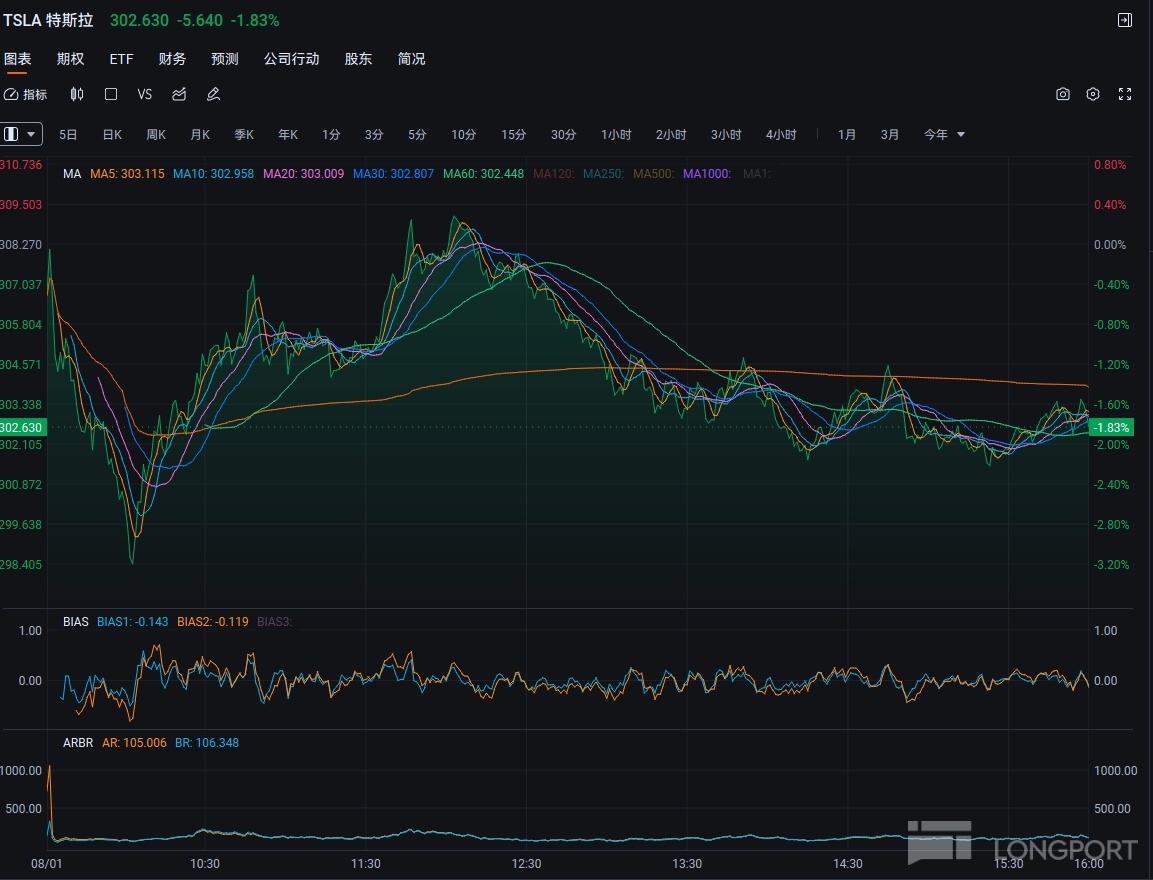
$Tesla(TSLA.US) opened high at 306 on the 1st, then fell to 298 before a small V-shaped recovery back to 300. It peaked at 309.31 by noon before slowly declining, closing down 1.83%.
The market has been weak for some time, and the correction may deepen. A breakout above 315 with volume could signal a rebound. A bounce is possible at 280-288, where batch buying could be considered.
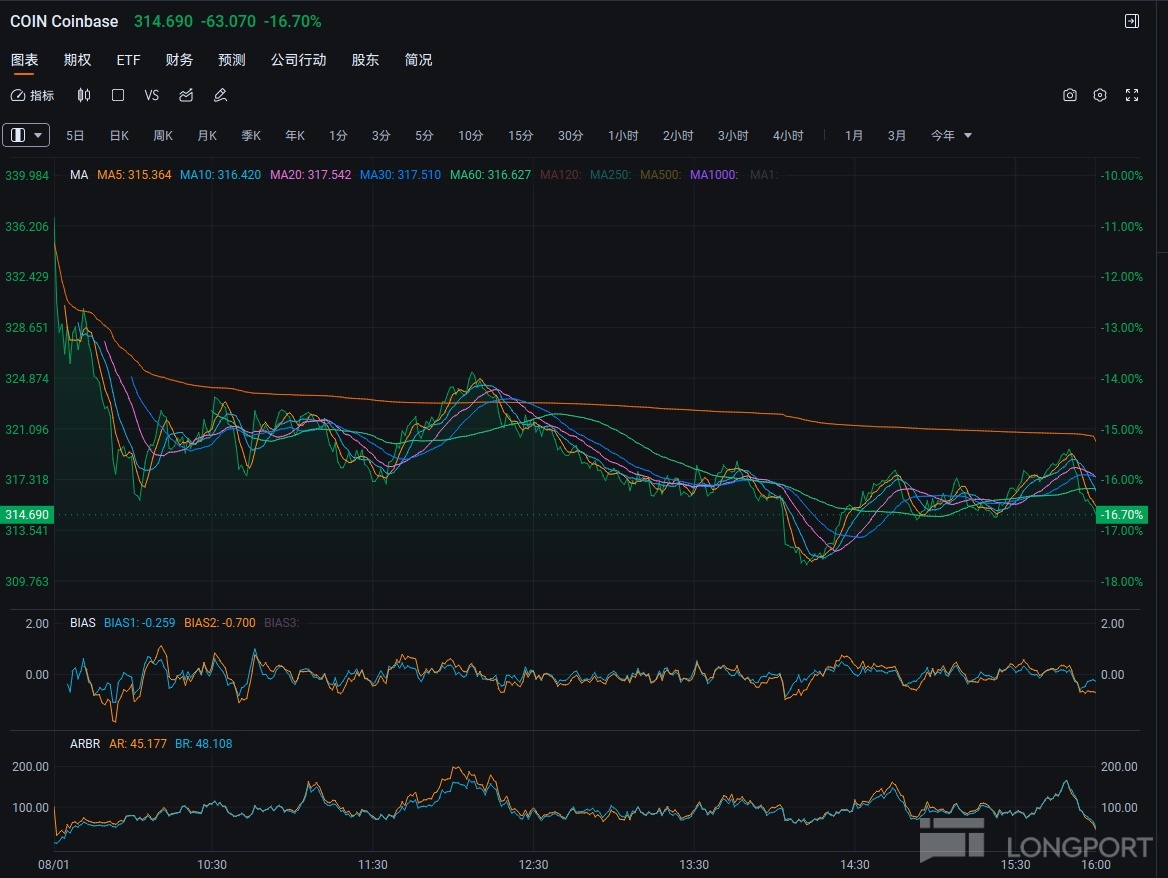
$Coinbase(COIN.US) opened high at 335.14 on the 1st but trended downward, closing down 16.70%, leading the decline among cryptocurrency-related stocks.
Consider batch buying at 310-315; watch the support level at 309, and consider stop-loss if it breaks.
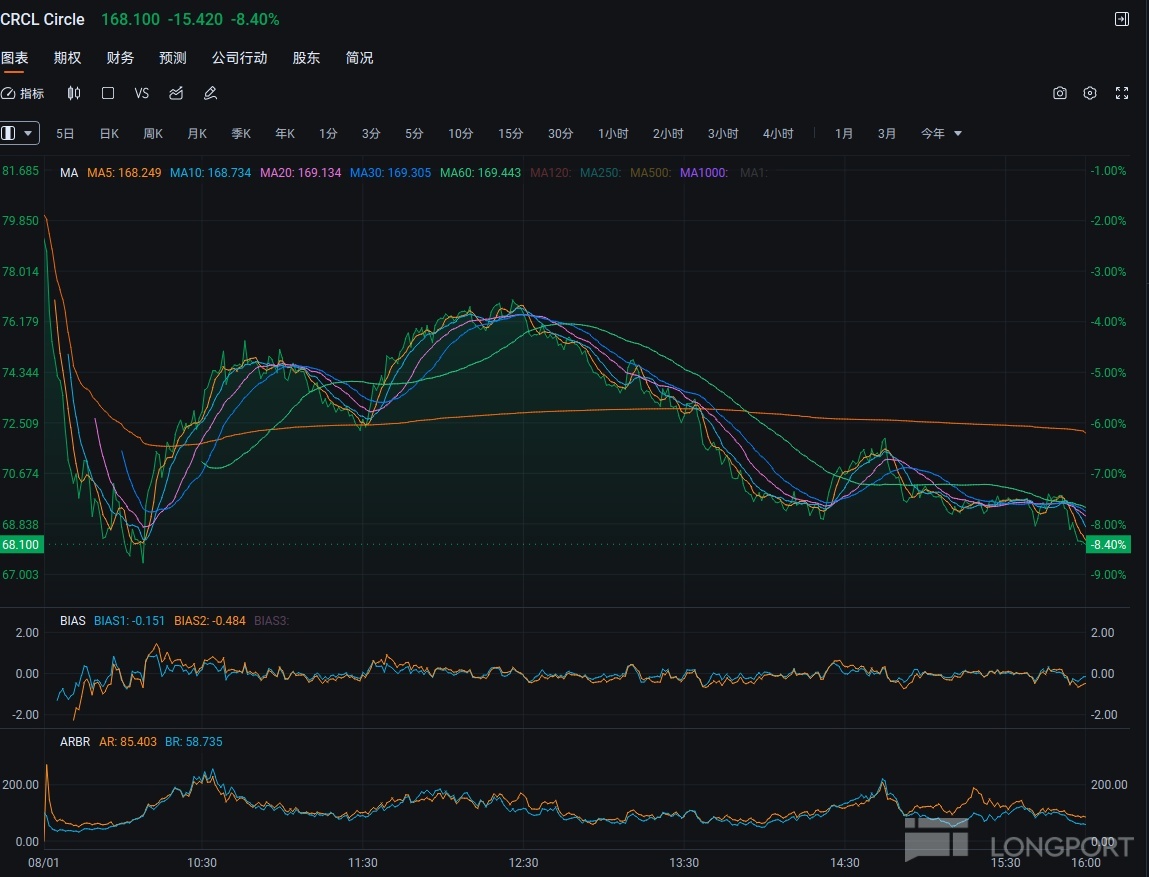
Circle (CRCL) opened high on the 1st, but selling pressure emerged, dropping to 167. It then rebounded to 170, forming two peaks before slowly declining in the afternoon, closing down 8.40%.
A breakout above 182 could open an upward channel; however, the correction has been ongoing, and the trend shows no signs of easing. Watch the support level at 165.
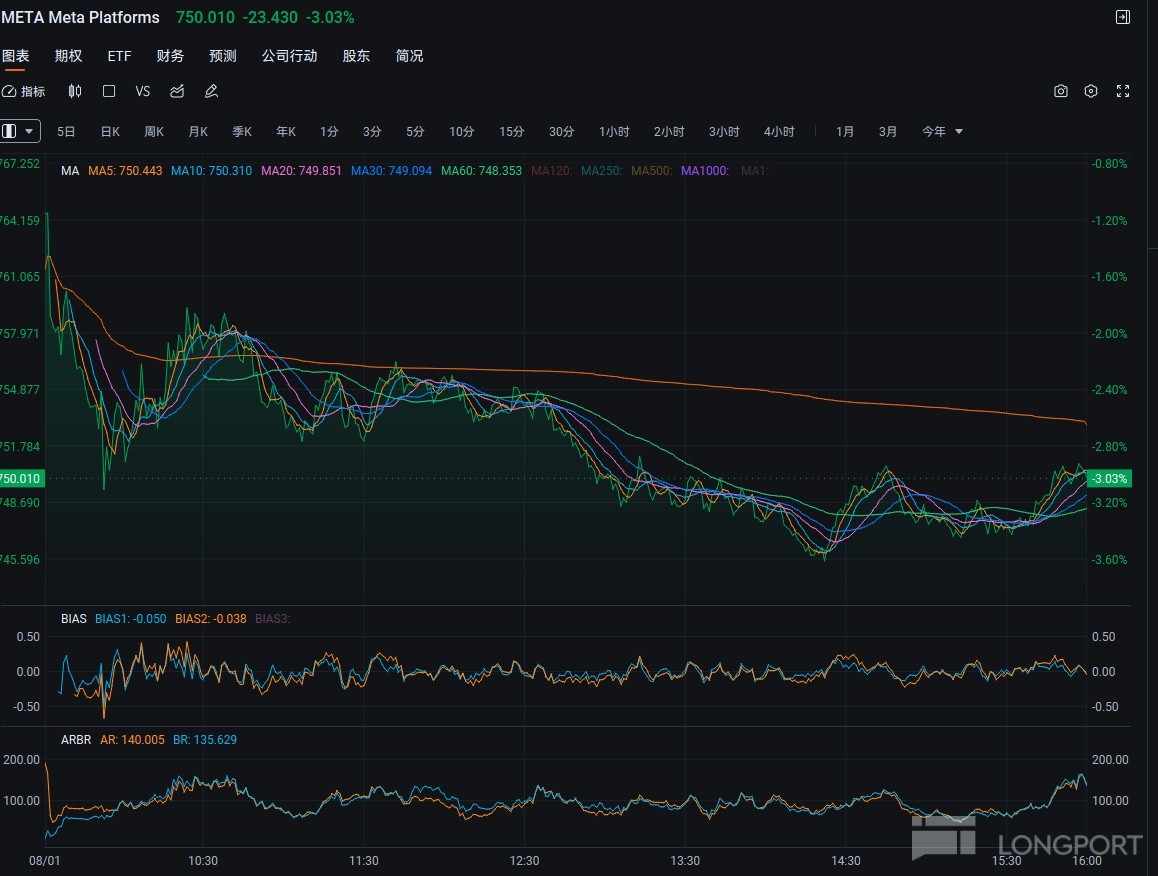
Meta Platforms (META) opened high but trended downward on the 1st, with bulls and bears battling in the morning before bears took control in the afternoon, closing down 3.03%.
A MACD golden cross formed, with optimistic market sentiment after META's earnings exceeded expectations, surging nearly 12% on the 31st. Despite a slight decline on the 1st, the upward trend channel has opened.
Consider batch buying at 740-748 and take profits at 766-770.
Weak US non-farm payroll data has strengthened expectations for Fed rate cuts, increasing market volatility. Decode Brother advises balancing the benefits of rate cuts with market risks, monitoring tariff policies, and preparing hedging strategies. Combine long-term and short-term trends of targets, watch key levels, and adjust flexibly.
The copyright of this article belongs to the original author/organization.
The views expressed herein are solely those of the author and do not reflect the stance of the platform. The content is intended for investment reference purposes only and shall not be considered as investment advice. Please contact us if you have any questions or suggestions regarding the content services provided by the platform.
