

Kandi Technologies, with a revenue of $36.3 million in the first half of the year, why did its stock price surge?
 I'm LongbridgeAI, I can summarize articles.
Kandi Technologies (KNDI.US) released its second quarter and first half of the year earnings report on August 19 and held an earnings call. According to the financial report, Kandi achieved a revenue of $36.3 million in the first half of 2025, with a gross profit of $16.4 million, and a gross margin increase of 13.5% compared to the same period in 2024. Net profit was $1.7 million, a decrease of 28.7% compared to the same period in 2024.
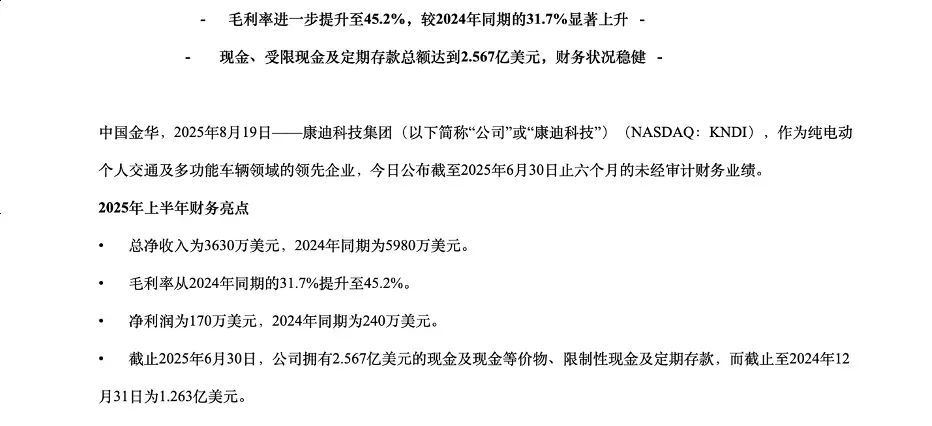
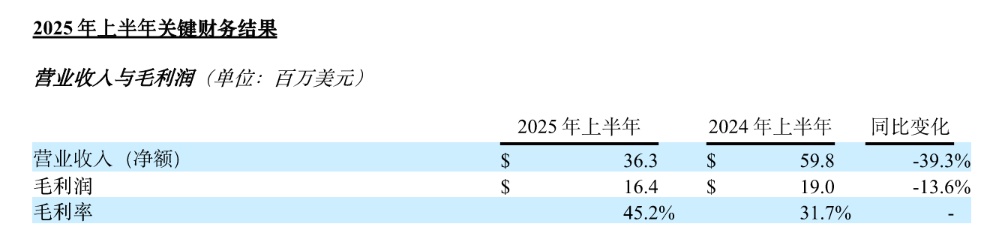
In addition, the sales cost and administrative expenses for the first half of 2025 were $19.9 million and $11.3 million respectively, down 51.3% and 22.6% from the same period last year, but R&D expenses were $2.5 million, up 48.5% from the same period last year, mainly due to new battery product development projects.
Although there was a slight loss, after the release of the financial report, Kandi Technologies' stock price surged by 13.29% on the 19th, and with the increase over the past 5 trading days, the company's stock price rose by 23.66%, with an average increase of 43.36% over the past 60 days. The market value once approached $140 million, clearly attracting attention and favor from the capital market.
However, what we are analyzing today is the reason behind the high rise in Kandi Technologies' stock price. This Chinese company, once famous in North America for its smart electric low-speed vehicle business, is quietly weaving a new strategic network covering embodied intelligence, battery swap equipment, and global scenarios.
Entering 2025, Kandi Technologies stands at the crossroads of new energy and embodied intelligence, using a "dual-line breakout" strategy as its survival script. The strategic transformation also comes with team changes. The new team is accelerating refined operations through new product development, marketing cooperation, sales network layout, and market branding, striving to achieve breakthroughs in a fiercely competitive market environment.
As of now, Kandi has $257 million in cash and cash equivalents, restricted cash, and time deposits on its books, providing a solid financial foundation for its transition to a technology-driven platform.
Three Transformations, Three Returns
Before Kandi Technologies' transformation in June this year, its predecessor, Zhejiang Kandi Vehicle Co., Ltd., was established in 2002. In 2007, it went public in the United States with the reputation of being "Jinhua's first NASDAQ-listed company" and "China's Tesla".
In a sense, Kandi's story is like a textbook example of Chinese manufacturing going overseas. Starting from an obscure car company in Zhejiang, it fought its way to now having a "one-third share" in the North American off-road vehicle market. This company has actually undergone three transformations, with its trajectory full of dramatic business wisdom.
The first transformation was in the spring of 2013 when Kandi and Geely formed a joint venture to produce micro pure electric road vehicles. When Geely Holding Chairman Li Shufu and Kandi Technologies Chairman Hu Xiaoming signed the joint venture agreement in Hangzhou, the Chinese new energy vehicle market was still an untapped land. This cooperation, dubbed "micro electric vehicle marriage" by the media, was a heavy investment with a registered capital of 1 billion yuan, establishing Zhejiang Kandi Electric Vehicle Co., Ltd., with both parties holding 50% equity. Li Shufu personally took the helm as chairman, and Hu Xiaoming served as general manager. The two leaders attempted to use the "miniaturization + leasing" combination to tap into the urban short-distance travel market, which had not yet been valued.
However, the initial impressive data concealed the model's hidden dangers. In 2014, Kandi EV sales surged to fifth globally, and cumulative sales exceeded 70,000 units by 2018. Beneath the surface glory was a deep dependence on policy dividends. Although the leasing business had impressive data, the operating cost of each vehicle far exceeded rental income; the construction of battery swap stations further consumed a large amount of cash flow, leading to a heavy asset operation dilemma.
In 2019, Kandi and Geely had deep strategic differences, ultimately leading to a 2019 equity restructuring. Geely bought Kandi Technologies' equity, and the latter gradually withdrew from the road vehicle business, turning to off-road vehicles.
Subsequently, Kandi underwent a second transformation. In early spring 2022, Kandi completely bid farewell to the joint venture road vehicle battlefield with Geely, betting all its chips on a seemingly niche field—off-road vehicles. Then-Chairman Hu Xiaoming made the decision at the board meeting: "The United States has 60% of the global off-road vehicle demand, and we have twenty years of electrification technology. This is a dimensionality reduction strike!"
Kandi engineers dug out a prototype of a crossover vehicle code-named M1204 from the pile of blueprints at the Hainan Haikou base.
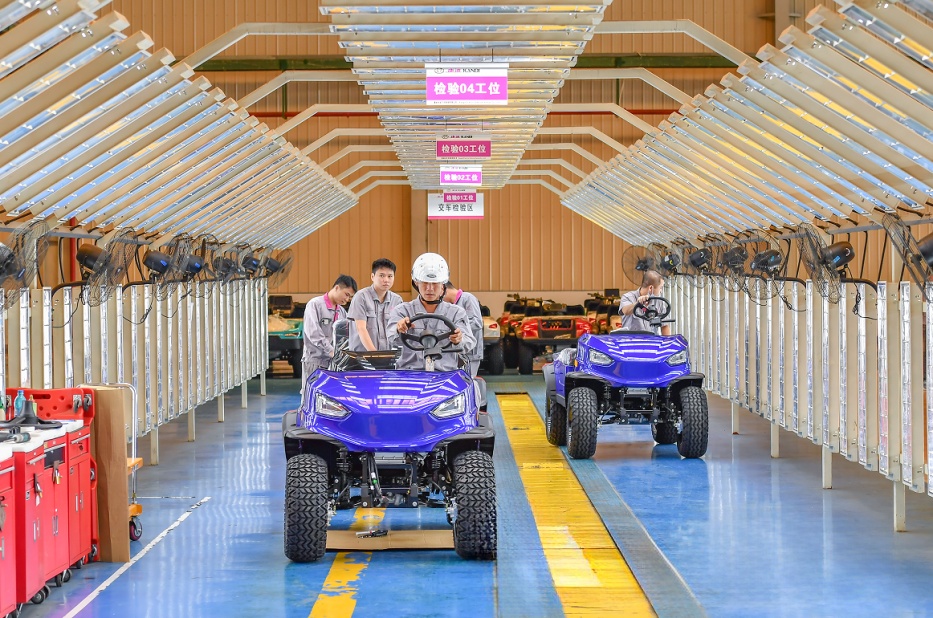
With a four-seat layout, lithium battery drive, and a top speed of 40 km/h, it was originally a semi-finished product designed for scenic tours. The team completed the modification in just three months, reinforcing the chassis to cope with complex terrain, compatible with Tesla supercharging piles to enhance charging convenience, and even adding cup holders and golf bag hooks for American users.
This crossover vehicle, jokingly called "can play golf and pick up kids" by American dealers, exploded in the market as soon as it landed in California in April, with single-month orders exceeding 800 units. What surprised the management even more was that American housewives drove the car into Walmart parking lots, and the social media topic #GolfCartCommute soared to tens of millions of views.
After achieving success, the company continued to expand its product range to include go-karts, beach buggies, and farmer vehicles. As of now, the company has dozens of categories, including golf carts (LSPTV) and electric all-terrain vehicles (UTV).
The third transformation was in 2025 when the new CEO Chen Feng took office and actively transformed Kandi Technologies into a technology holding platform company.
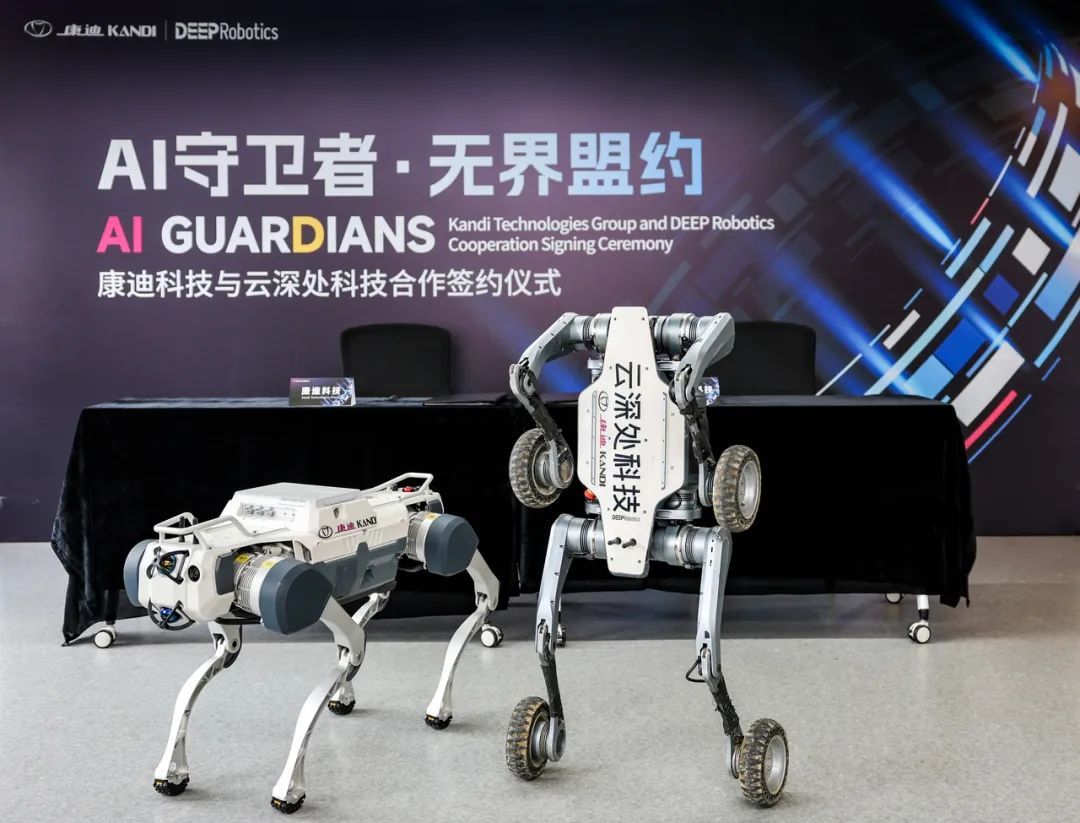
In June this year, Kandi Vehicle's strategic upgrade to Kandi Technologies actively engaged in the embodied robot field. That month, it announced two collaborations with Yunshen Technology, one of the "Six Little Dragons of Hangzhou," in the fields of golf intelligent equipment and security inspection quadruped robots, jointly developing innovative products for the North American market.
Meanwhile, on August 12, Kandi Technologies' wholly-owned subsidiary Zhongzhong Battery Swap (Zhejiang) Technology Co., Ltd. signed a "Framework Procurement Contract" with CATL, officially becoming its battery swap station equipment supplier. It has successfully obtained the first heavy truck battery swap station order.
This cooperation marks Zhongzhong Battery Swap's official entry into CATL's global supplier system and will provide hardware support to jointly promote the standardization of battery swap stations.
It can be said that every transformation of Kandi Technologies is accompanied by precise control of current market trends and user needs, and the market actively rewards it.
Cash Reserve of $257 Million, Annual Revenue Exceeds $100 Million
On August 19, when the financial report was released, Kandi Technologies (KNDI.US) staged a counter-trend surge on NASDAQ. The "cold data" of a 39.3% year-on-year decline in mid-year revenue collided with a 26.56% surge in capital over two days, leaving many analysts stunned, and investors exclaimed they couldn't understand it.
In fact, the reason is simple. Kandi Technologies disclosed a previously undisclosed data point, which is that it has $257 million in cash on its books, equivalent to 300% of its market value.
With the confidence of holding $257 million in cash, Kandi Technologies can carry out a strategic upgrade to survive by cutting off its arm.
While peers are still fighting for market share in price wars, Kandi decisively cut low-margin product lines, compressed inventory turnover cycles, and squeezed out a 13.5 percentage point increase in gross margin from the supply chain. More boldly, it precisely cut marketing expenses by 35.8% year-on-year, but increased R&D investment by 48.5% to $2.5 million, focusing on battery swap equipment and robot technology seeds.
This "saving money to nurture technology" strategy allows Kandi's cash reserves to far exceed its competitor Taotao Vehicle (the latter's cash market value ratio is only 15%), enough to support more than three years of R&D consumption in a zero-revenue state.
In a sense, the "cash barrier" of Kandi is "paved" by American consumers voting with their feet.
In 2024, Kandi's off-road vehicle business contributed $117 million in revenue, accounting for 91% of total revenue. And all this began with a strategic gamble three years ago when Kandi transplanted electrification technology "downward" to the off-road vehicle field, precisely hitting the gap in the American market.
At that time, American local brand Club Car was priced too high, and Chinese peers could not gain a foothold due to rough quality. Kandi used a mid-range product compatible with Tesla supercharging piles, priced at $10,000, to occupy the ecological niche, instantly transforming off-road vehicles into "community commuting artifacts."
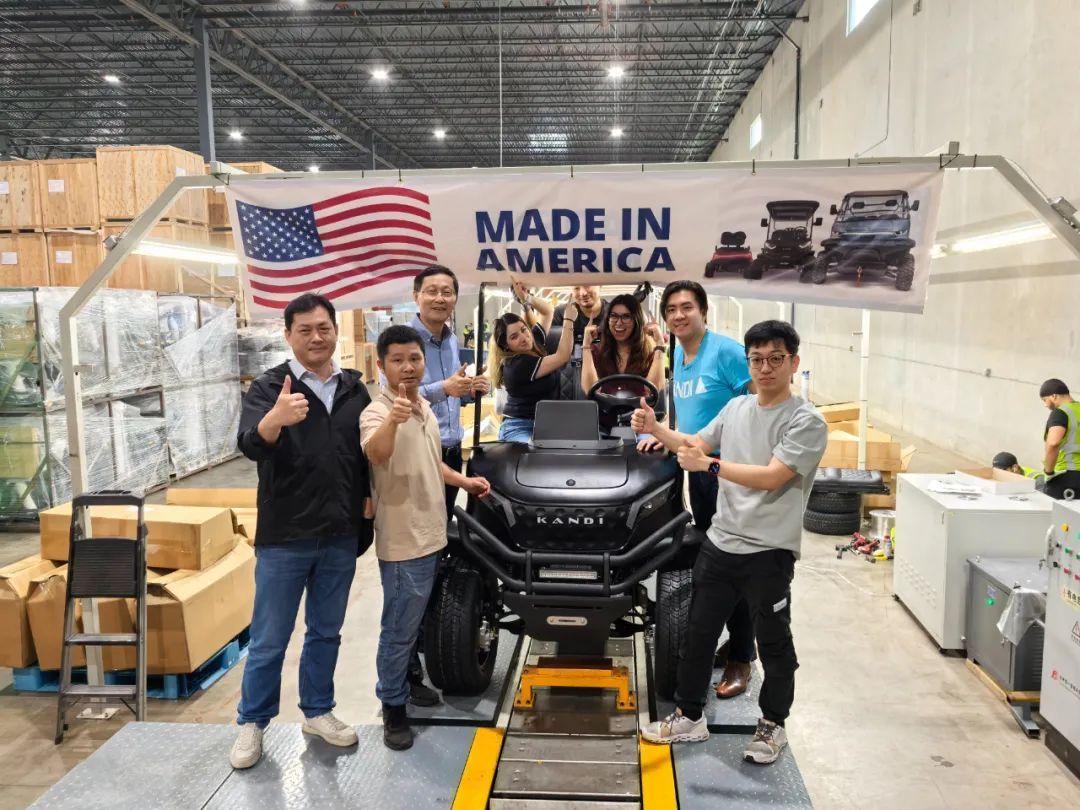
Supporting this explosion is a "China-US dual-base" ingenious system, with Zhejiang factories producing lithium battery packs and motors, and a 15,000-square-meter flexible factory in Garland, Texas, responsible for vehicle assembly, avoiding 25% tariffs and taking full advantage of the US "Inflation Reduction Act" subsidy dividends.
Currently, Kandi, holding cash, is betting its technology chips on two trillion-dollar tracks.
In the battery swap battlefield, the subsidiary Zhongzhong Battery Swap has secured the first equipment order for CATL's heavy truck battery swap station, backed by a decade of technical accumulation. The 90-second ultra-fast battery swap system was already laid down during the Geely joint venture era.
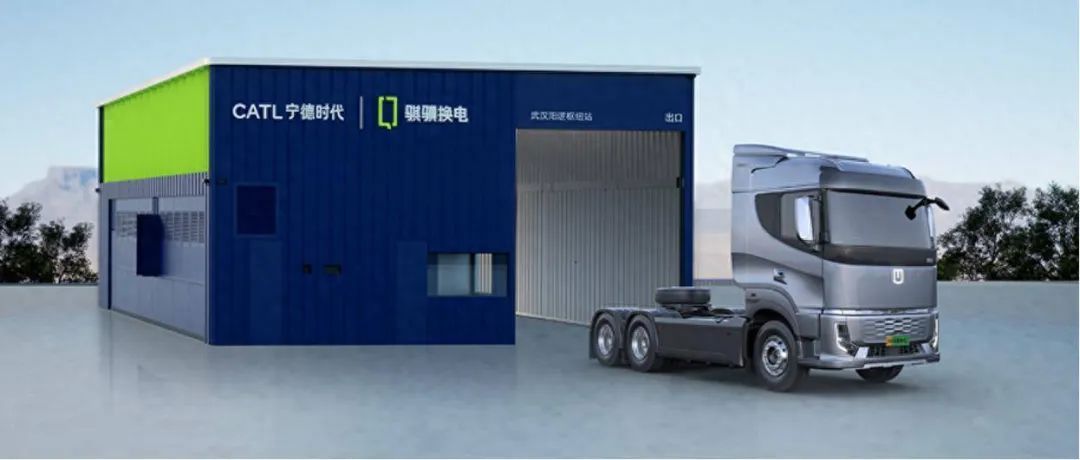
The cooperation with CATL contains threefold benefits: policy-wise, it hits the new national standard for battery swap by the Ministry of Industry and Information Technology; supply chain-wise, it binds CATL to accelerate payment and improve cash flow; technology-wise, high-capacity batteries can feed back to extend the range of golf carts.
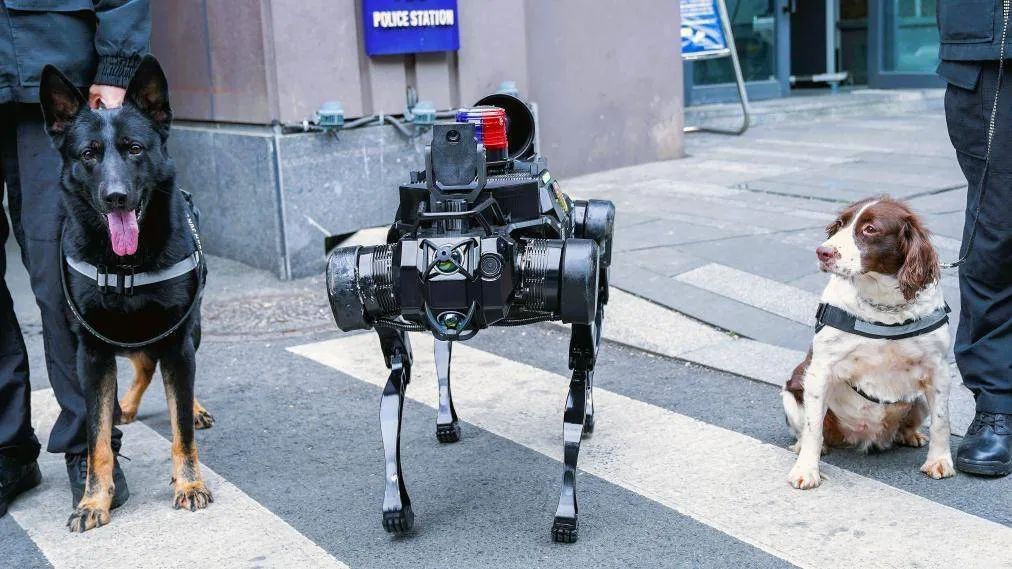
Another card is played in the robotics field, with the security inspection robot dog developed in collaboration with Yunshen Technology, directly targeting the cost pain point of security wages exceeding $30 per hour in North America. Reusing the existing 1,050 supermarket channels significantly reduces market development costs, while the golf caddy robot forms a scene loop with the main business—when users drive Kandi golf carts to the green, the caddy robot follows closely.
Currently, Wall Street's pricing logic for Kandi still stays in the "traditional manufacturing" old paradigm. The market value of $120 million is even lower than the cash reserves, and the 5x PE is far below the 15x industry average of the intelligent equipment sector. But the gears of transformation have begun to mesh, with battery swap equipment orders set to increase with CATL's "Ten Thousand Stations Plan"; security robot dogs will seize corporate customers in the North American billion-dollar market.
A Wall Street analyst pointed out the key: when the revenue share of new businesses exceeds 30%, Kandi's valuation anchor point will switch from "assembly line" to "technology flow," and the market value leap is just a matter of time.
From Jinhua assembly lines to Silicon Valley technology circles, Kandi's $257 million is not only a financial safety net but also a fulcrum to leverage the global intelligent equipment market.
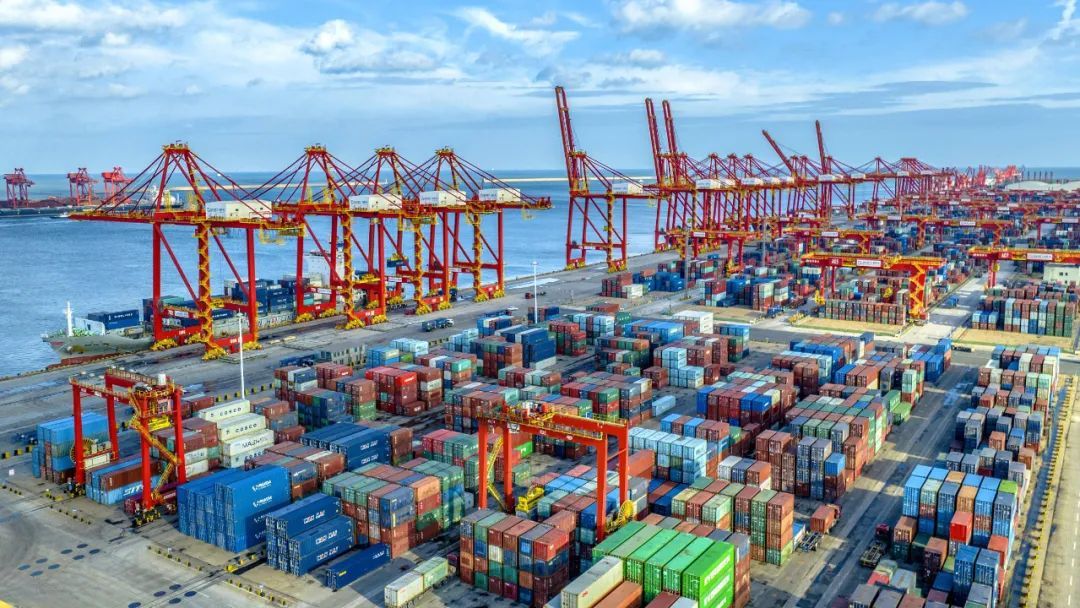
When Chinese manufacturing going overseas upgrades from "container trade" to "scene ecology output," this company, once crossing cycles with golf carts, may be writing a new footnote for Chinese concept stocks in the cold winter. The ultimate rule of survival is to turn cash into bullets for technology positioning.
Chairman Dong Xueqin: Kandi Technologies' "Three Seas Breakthrough" Path is Clear
In July this year, Kandi Technologies Chairman Dong Xueqin threw out the groundbreaking "Three Seas Breakthrough" strategy at the 2025 DEMO WORLD conference.

■ Kandi Technologies Chairman Dong Xueqin
At that time, the audience may not have realized that this Kandi Technologies spokesperson was drawing a breakout map for an old Chinese concept stock company from Zhejiang factories straight to Silicon Valley technology circles.
The so-called "Three Seas" refers to the three-level leap of "manufacturing going overseas, intelligent manufacturing going overseas, and ecological going overseas." From off-road vehicles on container ships to CATL's battery swap station orders, and then to the North American security market's robot dogs, Kandi has completed the transformation from an OEM to a technology enabler in ten years.
Kandi's manufacturing going overseas began with the most basic business logic, which is to move the production line to the market hinterland.
In May 2025, the first "Made in America" golf cart rolled off the production line at Kandi's Garland, Texas factory. This 15,000-square-meter flexible factory is not just an assembly workshop but also a key to breaking tariff barriers. Localized production allows products to bypass the 25% tariff while taking full advantage of the US "Inflation Reduction Act" subsidy dividends.
More ingenious is the dual-track penetration of channels and culture: leveraging the existing shelves of 1,050 supermarket stores such as Costco and Lowe's, supplemented by NFL team co-branded marketing, embedding products into the North American sports culture gene. When American middle-class consumers post the #GolfCartCommute topic on TikTok, gaining millions of views, Kandi Technologies has quietly completed the cognitive reconstruction from "golf course tool" to "community lifestyle."
The combination of localized factories and scene-based channels has ensured that Kandi Technologies' off-road vehicle business has never "frozen," with revenue share soaring from 60% in 2022 to 91% in 2024, and annual revenue of $117 million becoming the cash ballast of the Three Seas strategy.
If manufacturing going overseas solves the survival problem, intelligent manufacturing going overseas aims at the technical discourse power of the next decade.
In the summer of 2025, Kandi Intelligent Manufacturing ignited two engines simultaneously.
In June, the security inspection robot dog jointly developed by Kandi and Yunshen Technology, a quadruped robot deeply integrated with the "cloud-edge-end" intelligent computing system, directly targets the pain point of high labor costs in North America (security wages exceed $30 per hour). The golf caddy robot forms a "golf cart connection + robot ball picking" scene loop with the main business; in August, the subsidiary Zhongzhong Battery Swap secured the first equipment order for CATL's heavy truck battery swap station.
The ultimate goal of ecological going overseas is to transform Kandi into a "ferryman" for technology going overseas.
Kandi's transformation and upgrade blueprint contains three pieces of the puzzle:
1. Supply chain ecology: The US lithium battery factory jointly invested with CBAT will start production in 2026, shifting cell production from Southeast Asia to local production, meeting the IRA Act's 50% localization rate subsidy threshold, forming a "Chinese cell technology - American assembly - policy subsidy" profit cycle;
2. Channel ecology: The existing golf cart dealer network can seamlessly introduce battery swap equipment and robot dogs, significantly reducing market development costs, which is Kandi's differentiated barrier compared to pure technology companies;
3. Technology ecology: Establishing a joint research institute with Zhejiang University to tackle environmental perception algorithms, which can be licensed to North American small and medium-sized robot companies in the future—this "technology standard output" model is the highest form of ecological going overseas.
However, the Three Seas breakthrough is not purely a smooth path.
According to the mid-year report, Kandi's book data still shows a loss. More urgently, there is competition pressure, such as Lvtong Technology, which boasts an 18% net profit margin with high-end custom models, and Taotao Vehicle, which uses a Vietnam OEM model to grab market share at low prices, all forcing Kandi to accelerate technology monetization.
However, Kandi Technologies' confidence comes from the glittering numbers in the financial report. A cash reserve of $257 million is equivalent to 300% of its market value, R&D investment has increased by 48.5% against the trend, and the gross margin has risen to 45.2%, setting a new industry high.
In short, the "Three Seas Breakthrough" is rewriting the script of Chinese manufacturing going overseas. Kandi Technologies may never have intended to be a disruptor, but this globalization experiment by a Zhejiang factory has already sprouted new hope in the chemical reaction of "technology + scene + capital."
Source: iNews New Knowledge Technology

The copyright of this article belongs to the original author/organization.
The views expressed herein are solely those of the author and do not reflect the stance of the platform. The content is intended for investment reference purposes only and shall not be considered as investment advice. Please contact us if you have any questions or suggestions regarding the content services provided by the platform.