


 Rate Of Return
 Buffett's senior apprentice
2025 Investment Review

Reviewing my investment operations in 2025 (I was supposed to write this on New Year's Day, but I kept delaying it...)
Overall, the operations can be divided into two phases:
January to October: Mainly value investing,
November to December: Mainly technical analysis.
In terms of returns, the annualized return was 70%. Most of the gains came from value investing, while technical analysis has been consistently losing so far. See the figures.
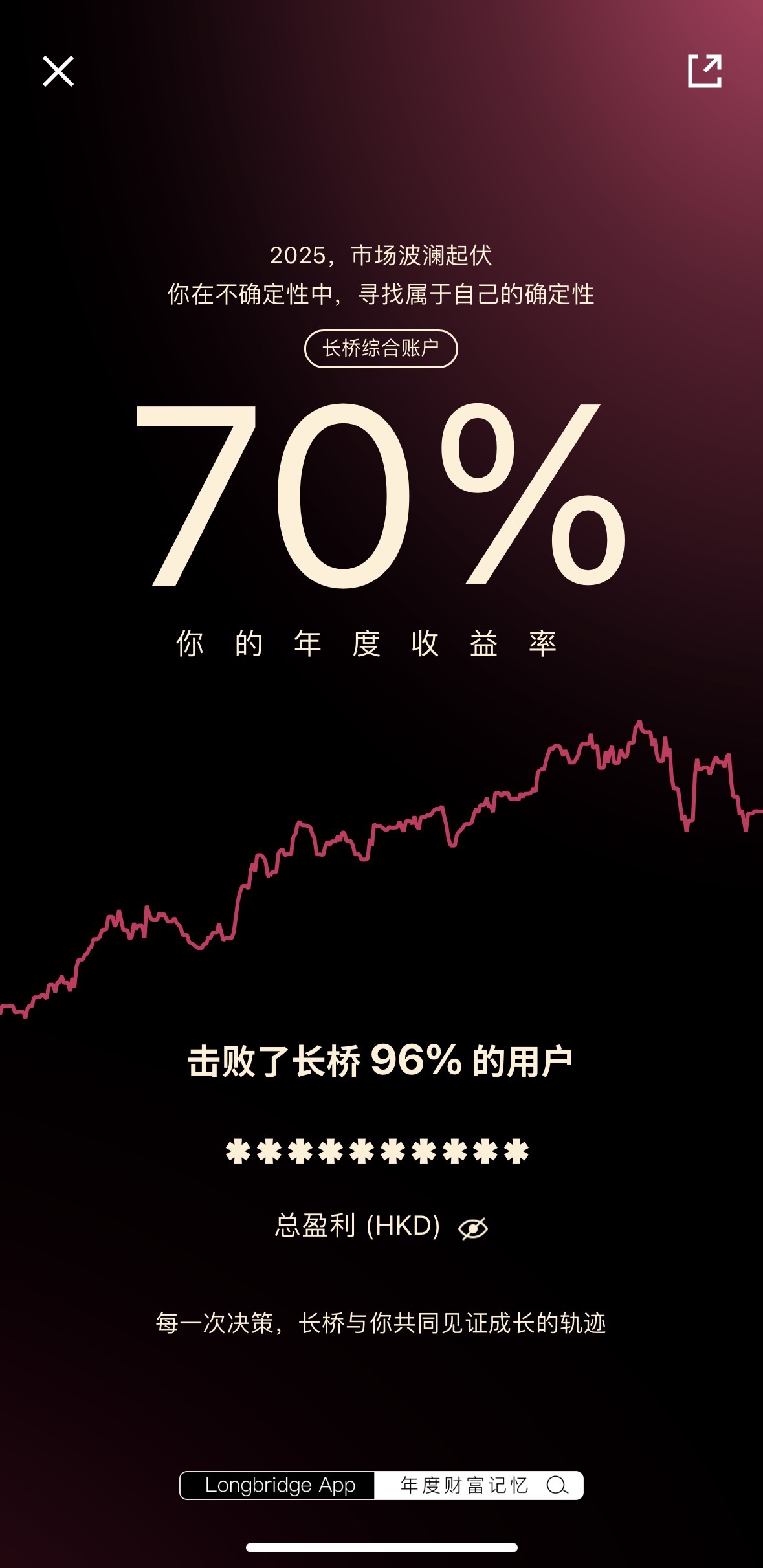
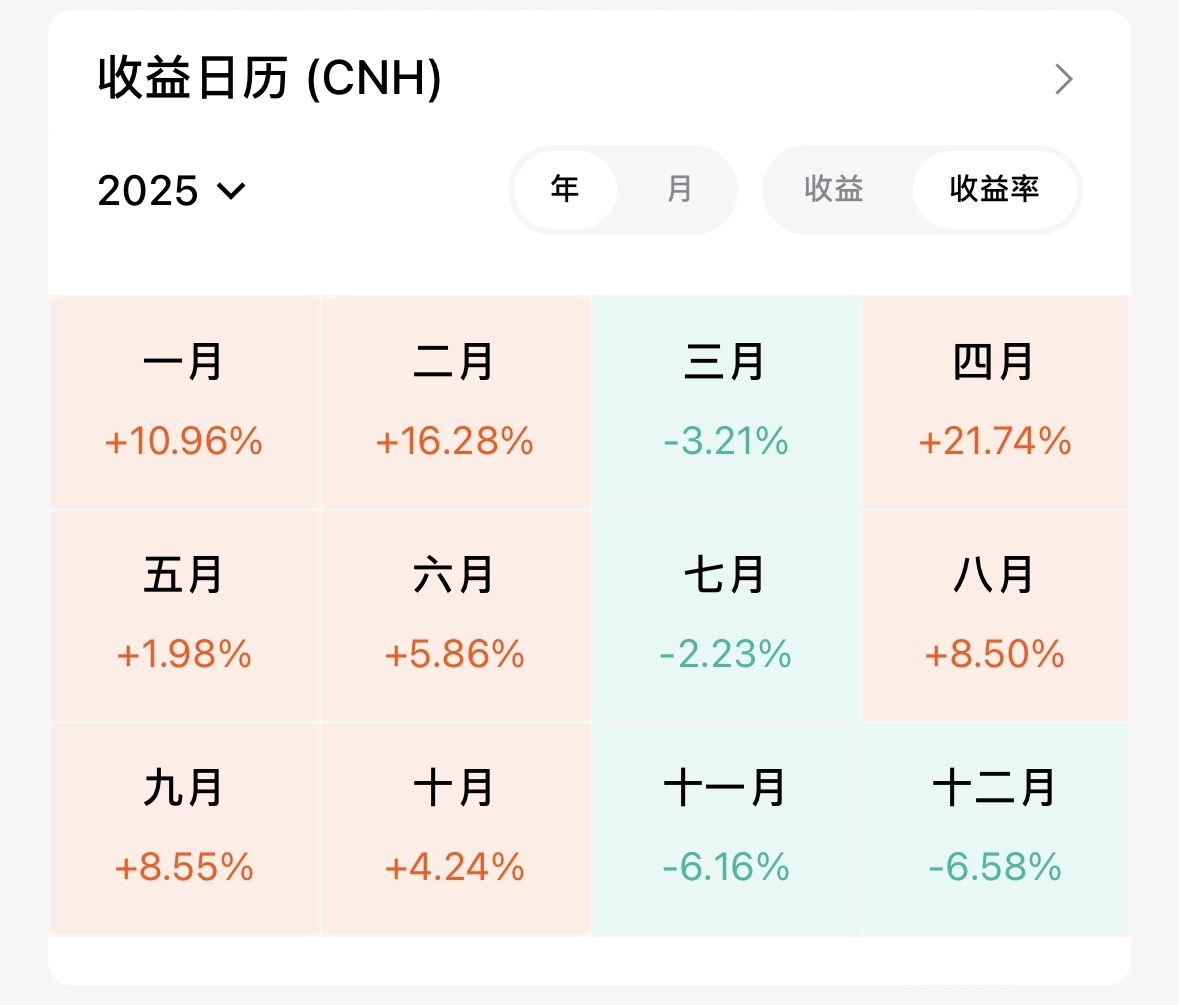
First, let’s summarize the key points of value investing in 2025:
- Find undervalued stocks.
- Buy and hold.
- Sell in stages and add positions in stages.
The above principles sound simple, but there are many details in practice. Specifically:
How to find undervalued stocks.
1) First, the company must be valuable and have prospects—this is the premise. For example, in 2025, AI, large models, autonomous driving, embodied intelligence, and related companies in these fields and their upstream/downstream industries (e.g., chips, GPUs, servers, storage, LiDAR, etc.).
2) How to identify undervaluation: Look at the P/E ratio, PEG, potential future growth rates, the size of the industry market (the "pie"), the current price relative to historical levels, competitors' P/E ratios, etc.
How to buy and hold.
1) First, buy. Based on the degree of undervaluation, buy more if it’s significantly undervalued and less if it’s slightly undervalued.
2) Then, hold. Long-term holding is often more profitable than frequent trading. Holding tests human nature, especially when stocks fall and losses mount—panic sets in. Therefore, a crucial point is to buy during lows/downturns, avoid chasing highs, and curb greed to minimize the probability of losses. Profitable positions are easier to hold, allowing you to enjoy the benefits of time.
When to sell in stages and add positions in stages.
1) First, selling in stages. It’s recommended to sell in stages after securing some profits. This locks in partial gains and reduces holding costs. Again, profitable positions are easier to hold, allowing you to enjoy the benefits of time. Additionally, if the stock corrects, you’ll have more funds to add positions; if it falls, you can avoid losses.
2) Next, adding positions in stages. Unlike selling, adding positions can be done during both profits and losses. During losses, staged additions reduce the percentage loss, making it easier to break even. During profits, staged additions increase the base for further gains. Of course, adding during profits reduces the profit margin, but you can control the post-addition holding cost by adjusting the amount added or timing additions during corrections to stay above your psychological "cutoff line."
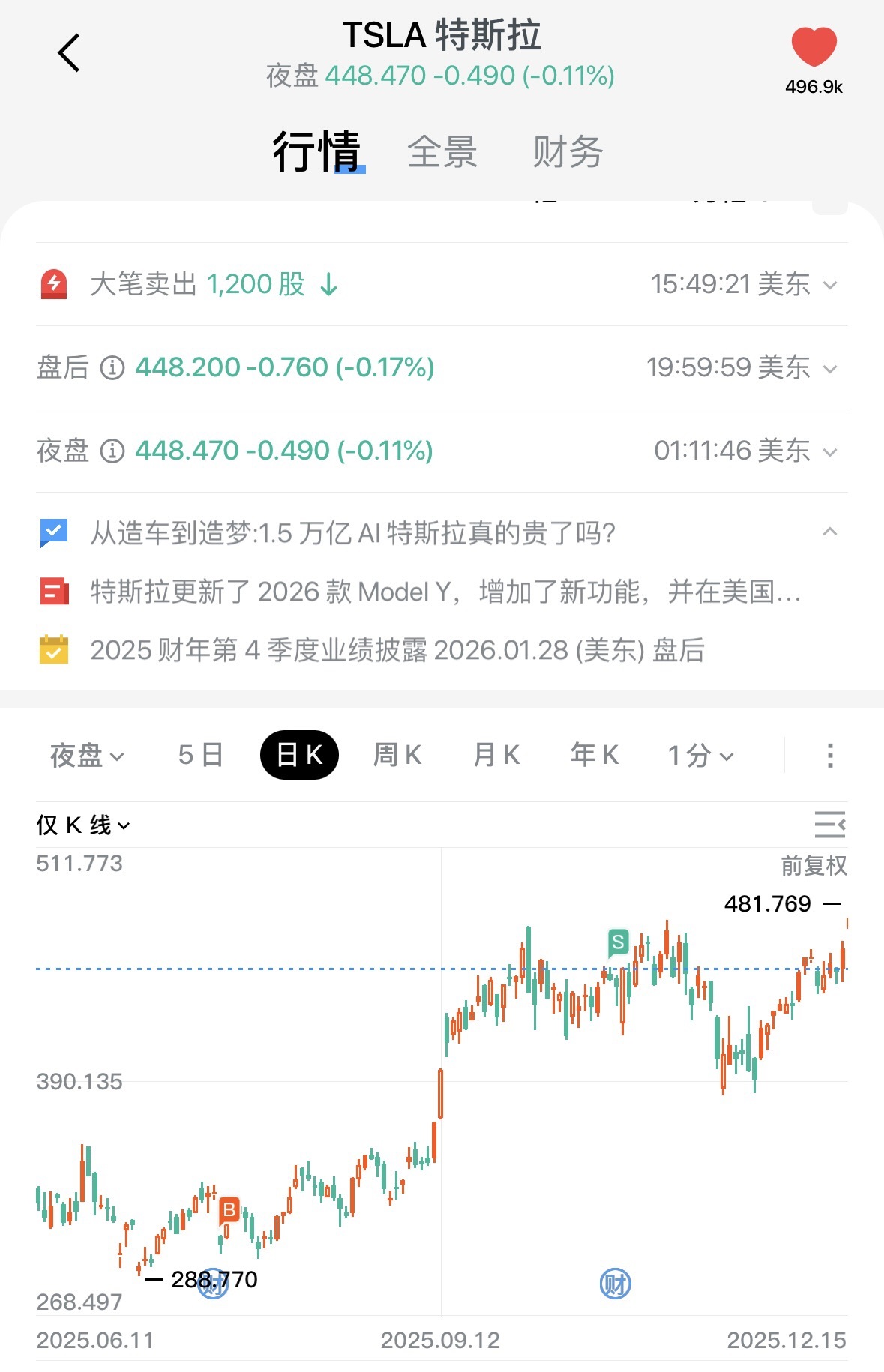
Through these three simple steps—find undervalued stocks, buy and hold, and sell/add positions in stages—I achieved decent returns on stocks like Google, Hesai, Tesla, Xiaomi, Alibaba, etc. See the figures.
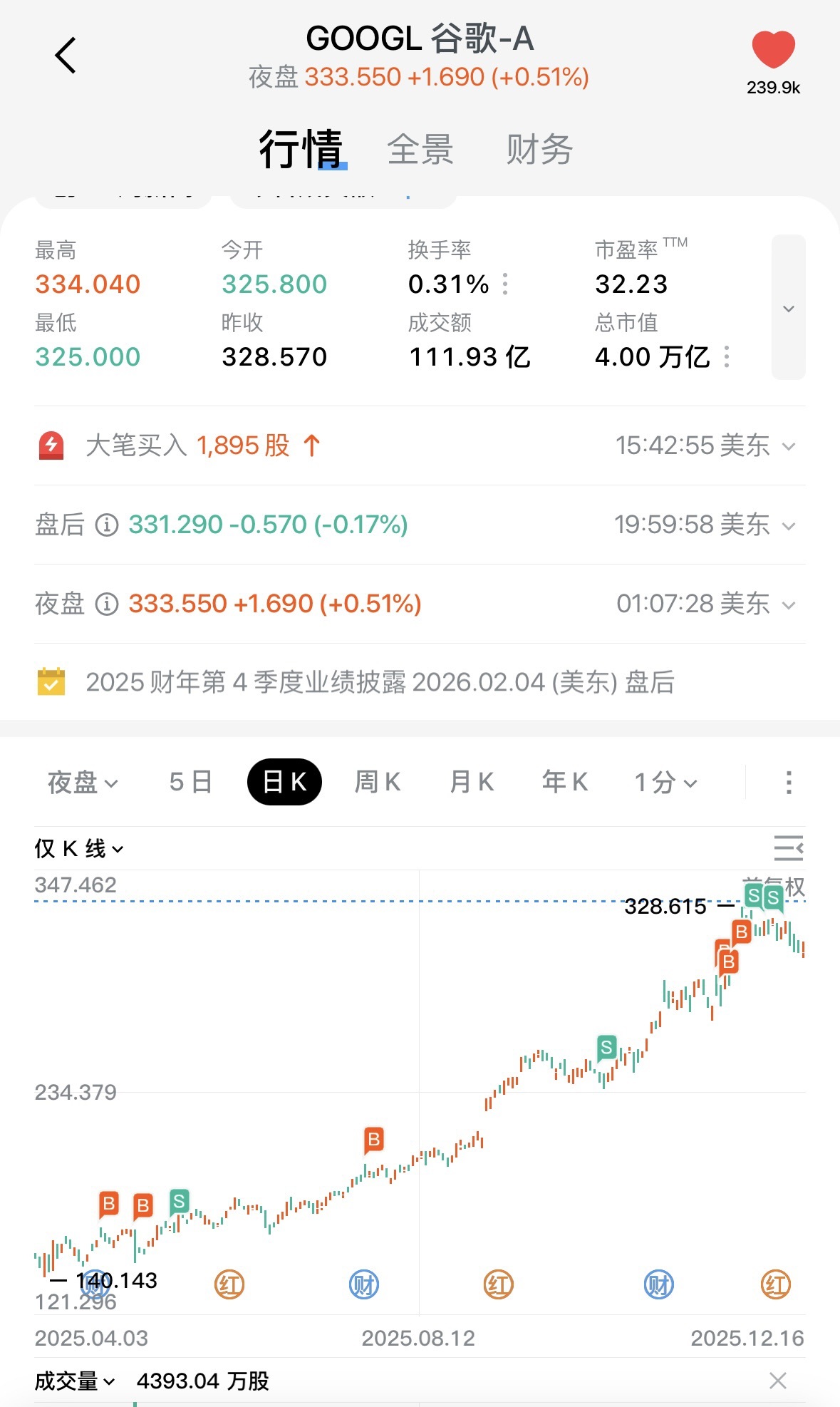
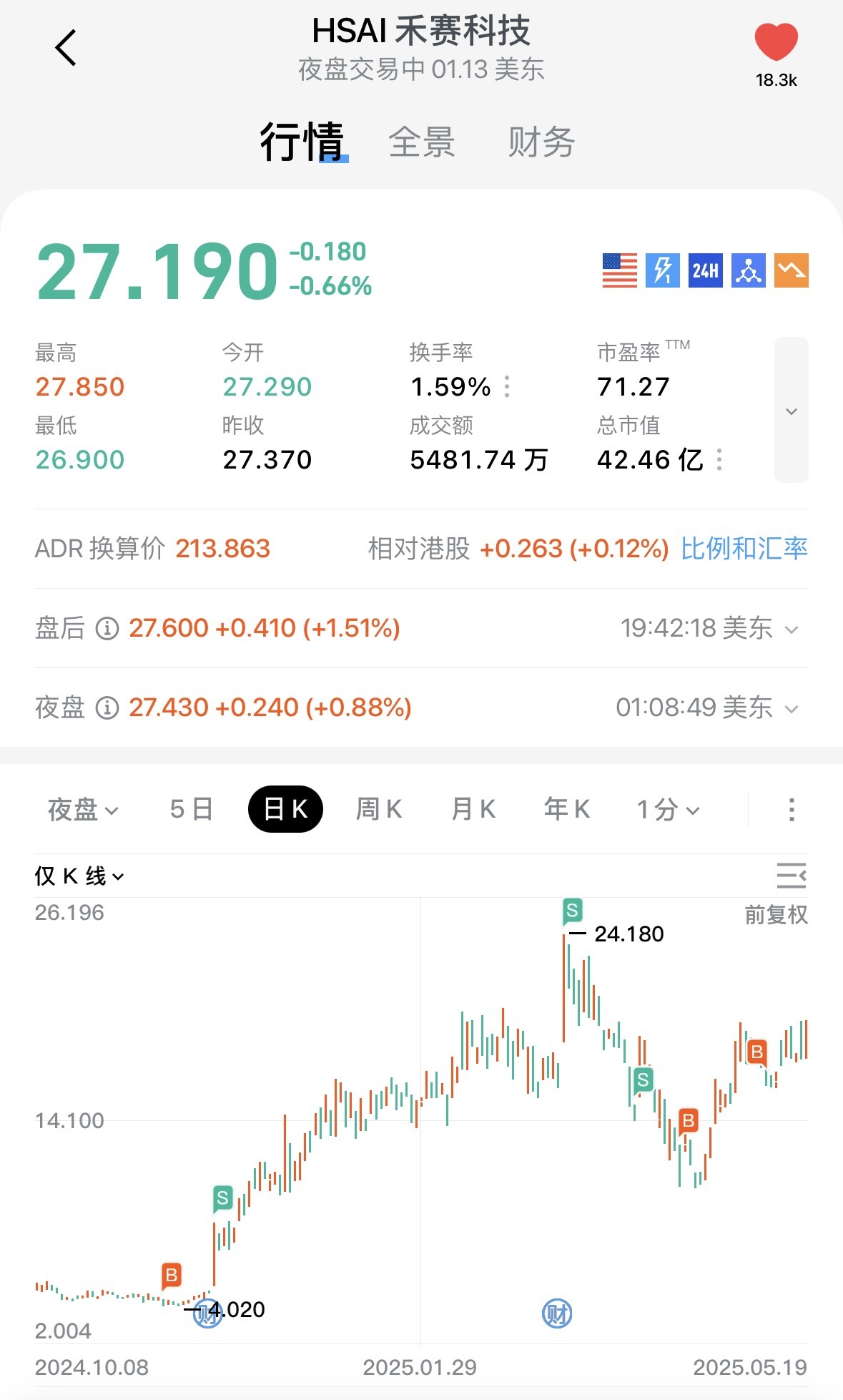
Now, let’s talk about technical analysis.
If value investing works, why did I switch to technical analysis?
Reasons:
At this stage, learning how to invest is more important to me than making money itself. So, after doubling my assets through value investing, I shifted my focus to learning technical analysis from scratch, hoping to further improve my understanding.
Why has technical analysis been consistently losing?
Reasons:
In technical analysis, I’m still a beginner with average skills. But I believe that only by investing real money—not just watching the market—can one grow quickly in the stock market. Thus, because I don’t understand technical analysis well and still rely on it for trading, I’ve been losing.
However, when I first started value investing, I also lost money. Later, by summarizing lessons, learning from mistakes, and adopting ideas from experts (Buffett, Munger, Duan Yongping), I gradually turned profits.
So, I believe that as my understanding of technical analysis improves, I’ll eventually make money. This is also my goal for 2026: to achieve a 50% return through technical analysis.
Since I’m only at an entry level in stock market investing, the above is merely a review of my operations this year. Many views are just my personal understanding, and some ideas or knowledge may be wrong—please bear with me.
The copyright of this article belongs to the original author/organization.
The views expressed herein are solely those of the author and do not reflect the stance of the platform. The content is intended for investment reference purposes only and shall not be considered as investment advice. Please contact us if you have any questions or suggestions regarding the content services provided by the platform.
