


 Total Assets
Gold price soars past $5,300: The underlying logic behind the surge at the beginning of 2026

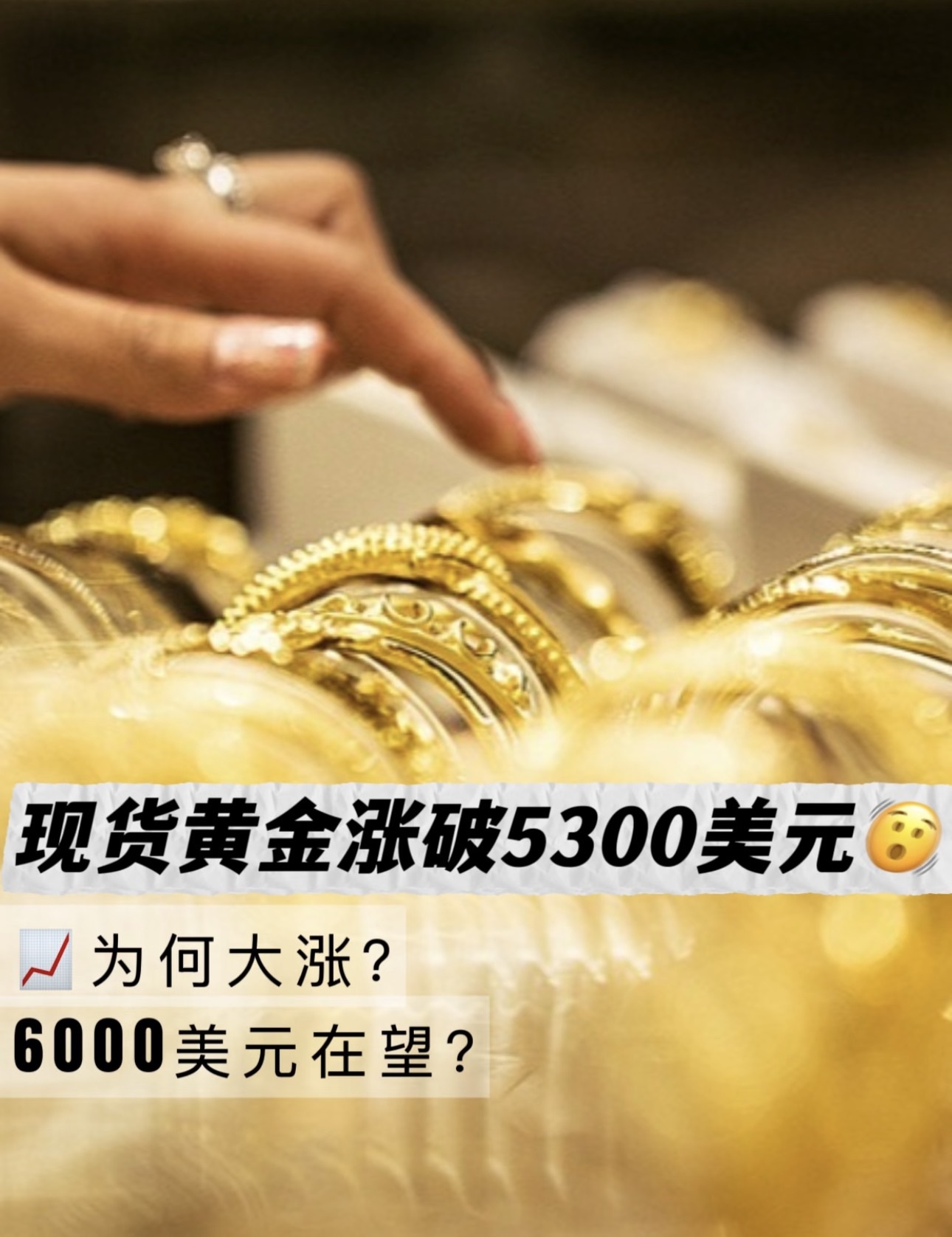
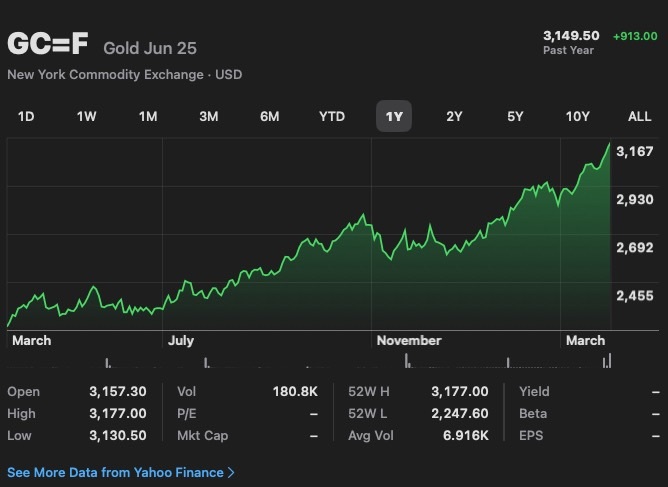
At the beginning of 2026, international gold prices staged a "rocket-like" surge. As of January 28, the spot price of gold has approached the $5,400/oz mark, briefly touching above $5,300 during the session, setting a new historical high. $Gold(IN00380.US)
In just one month, gold prices have risen by more than 20%, accelerating further on top of the over 60% gain for the whole of 2025. This rally has far exceeded market expectations—what forces are driving gold to "soar to the sky"? Below, we dissect the core drivers from multiple dimensions.
1. Geopolitical Risks Intensify, Safe-Haven Demand Reaches Unprecedented Levels
At the start of 2026, the global geopolitical landscape has become increasingly volatile, serving as the most direct catalyst for gold prices. The U.S. successfully "captured" Venezuelan President Maduro in an operation, the Trump administration issued strong threats against the Iranian regime, tensions in the Middle East persist, and frequent geopolitical frictions in places like Greenland have quickly ignited market risk-off sentiment.
In a market environment dominated by uncertainty, gold's status as a traditional safe-haven asset has been significantly reinforced. Investors have flocked in, driving up gold prices. In contrast, equities and risk assets have faced clear pressure, with capital accelerating its flow into gold.
2. U.S. Dollar Index Plunges to Four-Year Low, Activating Gold's "Inverse" Logic
The weakness of the U.S. dollar has been another major engine for this round of gold price increases. The aggressive tariff policies during the early stages of Trump's second term have severely damaged confidence in the dollar, causing the U.S. dollar index to plummet in the second half of 2025 and early 2026, marking its worst performance in nearly 50 years.
Gold is priced in dollars, so a weaker dollar directly lifts gold prices. At the same time, the global trade frictions triggered by the tariff war have further undermined the dollar's reserve currency status, prompting more central banks and institutions to increase their gold allocations, creating a positive feedback loop.
3. Central Bank Gold Purchases + ETF Demand: Dual Drivers, Exceptionally Strong Demand
The central bank gold-buying spree continues at high levels. Since 2025, global central banks' monthly gold purchases have far exceeded pre-pandemic levels, with emerging market central banks particularly active in diversifying their reserves into gold.
Meanwhile, Western gold ETF holdings have seen significant replenishment since early 2025, coupled with strong physical gold demand from high-net-worth individuals, leading to a full-blown surge in investment demand. Many institutions predict that this structural demand will continue to support gold prices in 2026.
4. Macro Policy Uncertainty: Low Rates + Fiscal Concerns Intensify
The Fed's continued rate-cutting path, combined with market concerns about the Fed's independence, has lowered the opportunity cost of holding gold. At the same time, soaring U.S. fiscal deficits and rising global debt levels have eroded investor confidence in the traditional monetary system, further enhancing gold's appeal as the "ultimate hedge."
Outlook and Risk Warnings
Gold prices have now entered a high range, with many investment banks raising their target prices to $5,400-$6,000. However, short-term overbought risks should also be watched. If geopolitical tensions ease, the dollar stages a technical rebound, or the Fed turns hawkish, gold prices could see a phased pullback.
Overall, this gold bull market is not driven by a single factor but rather by a confluence of geopolitics, monetary policy, the dollar cycle, and structural demand. For ordinary investors, gold remains an effective tool for diversification and inflation hedging, but chasing highs should be avoided—rational allocation based on personal risk preferences is advised.
The copyright of this article belongs to the original author/organization.
The views expressed herein are solely those of the author and do not reflect the stance of the platform. The content is intended for investment reference purposes only and shall not be considered as investment advice. Please contact us if you have any questions or suggestions regarding the content services provided by the platform.
