

 Rate Of Return
<p>Bros, <span class="security-tag" type="security-tag" counter_id="ST/US/TSLA" name="Tesla, Inc." trend="0" language="en">$Tesla(TSLA.US)</span> dropped again today, while <span class="security-tag" type="security-tag" counter_id="ST/US/NVDA" name="NVIDIA Corporation" trend="1" language="en">$NVIDIA(NVDA.US)</span> stabilized. Looks like it's time to take profits, or else we'll be bagholding. What price did everyone get in at?</p>

🚀📈 The "Extreme Volatility Club" with Beta > 4: Why Do Funds Both Love and Fear These 5 Giants?
When the market is choosing a direction, companies with Beta > 4 are often the first to be amplified. They are not "stable," but amplifiers of sentiment and trends. When risk appetite rises, such targets are most likely to be chased; once the wind reverses, the pullback is also faster and more severe.
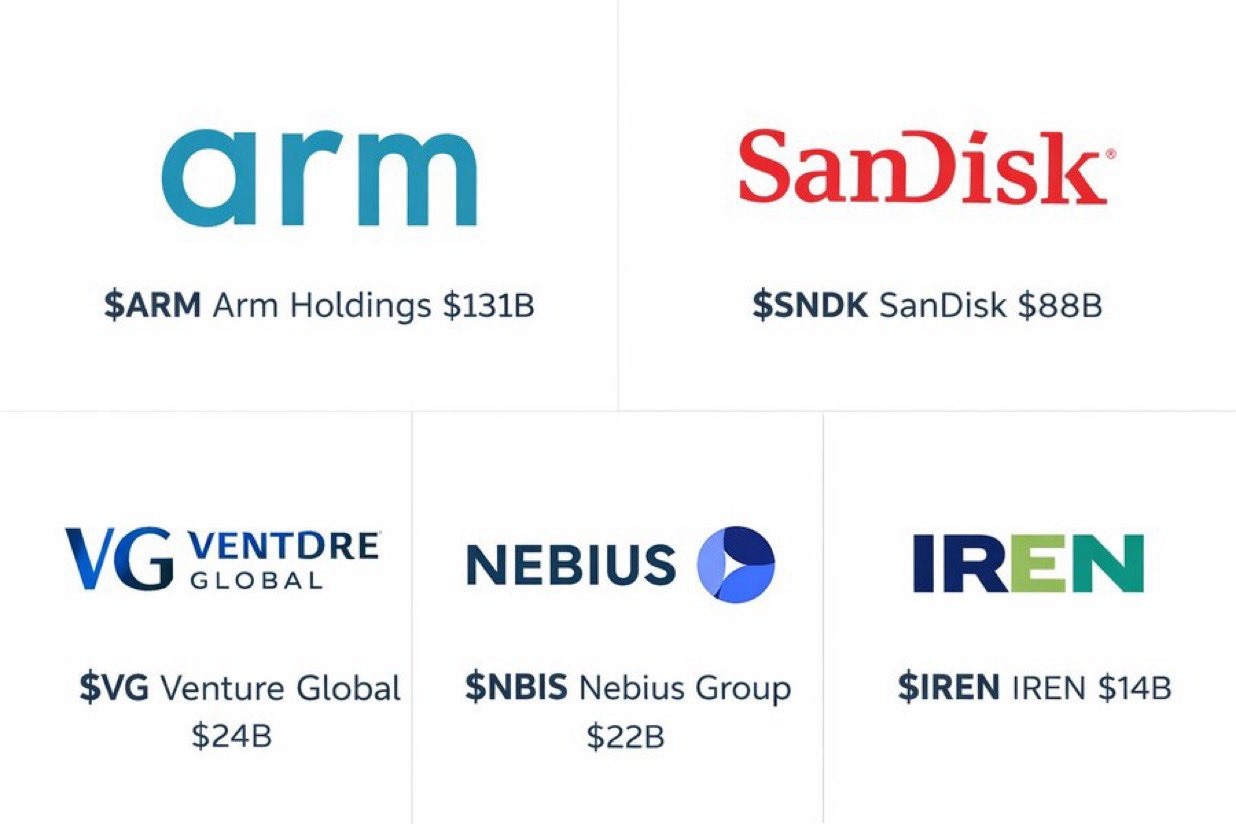
The following five are currently the largest representatives of high Beta, and their respective "volatility logic" is different.
1.
$Arm(ARM.US)
Arm Holdings
$131B
A "central asset" in the AI and computing power ecosystem. Valuation highly depends on growth expectations and changes in the licensing model. Once the market re-evaluates AI infrastructure, volatility will be rapidly amplified.
2.
$Sandisk(SNDK.US)
Sandisk
$88B
A pure play on the storage cycle's elasticity. Any changes in industry sentiment, price cycles, or capital expenditure expectations are directly reflected in stock price volatility.
3.
$Venture Global(VG.US)
Venture Global
$24B
Highly correlated with energy and macro variables. Any disturbance in LNG prices, geopolitics, or policy expectations will multiply volatility.
4.
$Nebius(NBIS.US)
Nebius Group
$22B
A "highly elastic new story" under the cloud and AI infrastructure narrative. The mismatch between the pace of fundamental validation and market sentiment is the core source of high Beta.
5.
$IREN(IREN.US)
IREN
$14B
Clearly exhibits cross-attributes of computing power and energy. Changes in Bitcoin price, computing power expansion, and energy costs amplify stock price elasticity.
High Beta is not inherently good or bad; it's an amplifier of direction. When the trend is clear, they can provide excess returns; in uncertain phases, position sizing and timing are more important than "getting the direction right."
Do you prefer to treat high Beta as a trend amplifier, or only participate in short-term trades at key junctures?
📬 I will periodically share structural opportunities and risk breakdowns for high-volatility assets, helping to find better entry and exit points between sentiment and fundamentals. Welcome to subscribe, don't miss the next key turning point.
#HighBeta #Stocks #AI #Semiconductors #Energy #Crypto #Volatility #USStocks
The copyright of this article belongs to the original author/organization.
The views expressed herein are solely those of the author and do not reflect the stance of the platform. The content is intended for investment reference purposes only and shall not be considered as investment advice. Please contact us if you have any questions or suggestions regarding the content services provided by the platform.
