

Wanli Group and industry leaders held the first ESG forum, pioneering green shipping solutions amid the global wave of carbon reduction.

Wanli Group and Industry Leaders Host First ESG Forum to Pioneer Green Shipping Solutions Amid Global Decarbonization Wave
Asia-Pacific fuel supply service provider Wanli Group (hereinafter referred to as "Wanli" or "the Group") hosted its first Environmental, Social, and Governance (ESG) Forum on February 2nd, themed "Exploring New Horizons: Driving Green Shipping with Sustainable Fuels." The forum brought together shipping executives, financiers, legal experts, and glaciologists to jointly explore solutions to the shipping industry's urgent decarbonization challenges.
The following speaker lineup discussed key issues at the forum, sharing unique insights:
– Dr. William Tse, Chairman and Chief Executive Officer of Wanli Group
– Ms. Elaine Tse, Independent Director of Wanli Group, Partner at Chooi & Company, Former President of the Malaysian Bar Council, and Executive Committee Member of LAWASIA
– Mr. Liu Mingxuan, Associate Manager of Capital Markets and Advisory Department, Cathay United Bank
– Dr. Zhang Weixian, Polar Explorer, Glaciologist and Policy Advisor, Founder/Glaciologist & Expedition Director of Polar Research and Expedition Consultancy
– Ms. Zhang Wenjin, Senior Manager of Sustainable Finance, Commercial Banking, HSBC Hong Kong
This forum provided a platform for thought leaders to interact and engage in dialogue, exploring several key issues through the speakers' thematic presentations, including the impact of climate change on global shipping, the continuously evolving sustainability-related regulations, and innovative green and sustainability-linked financing solutions.
In his keynote speech, Dr. William Tse stated, "The global shipping industry is at a critical juncture. Rapidly changing regulatory frameworks, tense geopolitical situations, climate challenges, and technological developments are reshaping the industry landscape at an unprecedented pace. Therefore, we aim to create a collaborative environment where stakeholders can gather, share insights, and formulate strategies to build a sustainable future."
At the forum, Ms. Elaine Tse discussed how ESG has become a legal, economic, and moral necessity for safeguarding planetary health, emphasizing that governments, businesses, courts, and capital markets must collaborate globally to translate the vision of sustainable development into quantifiable actions. Ms. Tse said, "We must establish a global health indicator system to systematically track the combined effects of environmental impacts, health impacts, and risks on all humanity. This not only requires quantitative tools to assess progress but also strategic communication plans to enhance global awareness and promote universal education. Simultaneously, the indicator system must be deeply integrated into organizational, national, and international governance structures, implemented concurrently at local and global levels. Enterprises should practice responsible business ethics, fully align with ESG standards, and build a universal global health framework. Only through global collaborative standardization can the systematic implementation and long-term operation of the framework be achieved."
Mr. Liu Mingxuan shared his insights on integrating ESG features into financing strategies: "Green Loans are particularly suitable when a company has clear, specific investment plans. Sustainability-Linked Loans (SLLs) follow a unique logic: their Key Performance Indicators (KPIs) must reflect significant sustainability issues and be quantifiable, trackable, and independently verifiable. Most importantly, Sustainability Performance Targets (SPTs) must strike a balance between being 'ambitious' and 'realistic,' ensuring there is a chance of achievement within the company's operational capabilities. Unlike Green Loans, SLLs do not restrict the use of proceeds solely to green activities; instead, SLLs demonstrate sustainability commitment through performance-linked financial mechanisms. Beyond loans and bonds, almost all debt-based financial products can now incorporate green or sustainability elements. This flexibility allows companies to align financing with sustainability goals, maintaining operational practicality while driving environmental progress and financial innovation."
Dr. Zhang Weixian shared his firm commitment to earth science education and advocacy and discussed opportunities for responsible development in the shipping industry: "Opportunities for sustainable development in the shipping industry begin with recognizing that the Arctic is not just a shortcut, but a vibrant home and a fragile climate regulator for the planet. While newly opened polar routes can shorten transit times and reduce fuel consumption, the waters they traverse face challenges such as lack of infrastructure, fragile ecosystems, and indigenous communities relying on sea ice for culture and survival. True leadership means investing in cleaner fuels, ice-class vessels, and enhanced search and rescue capabilities, while strictly limiting Black Carbon emissions and respecting international polar regulations. It also means listening to the local knowledge of those who have traveled safely on the ice for millennia and integrating this wisdom with modern science and satellite data. If the industry embeds ESG principles into every Arctic voyage, these emerging routes can become models of sustainable innovation, rather than new frontiers of uncontrolled risk."
Ms. Zhang Wenjin shared trends in the shipping industry's transformation from a sustainable finance perspective: "Regulations are constantly evolving, and strategies to address climate goals and achieve sustainable ocean transport must also keep pace. Currently, innovative solutions are emerging, with shipowners exploring alternative energy options such as biofuels, bio-LNG, and biogas. Continuous research and development in clean technology help drive the systemic transition of the global shipping industry towards a sustainable model."
The forum concluded successfully amid enthusiastic exchanges among participants, who, in addition to sharing views, reaffirmed their shared commitment to promoting sustainable development in the shipping industry.
Wanli Group's prominent leadership in the field of sustainable development demonstrates its relentless efforts in leading industry decarbonization and implementing responsible practices. The Group also continues to advance the effective transformation of the shipping industry through participation in the EcoVadis sustainability rating system and support for diversified sustainable marine fuels.
Looking ahead, the Group will continue to host more forums to foster dialogue, innovation, and collaboration, thereby building a more sustainable marine ecosystem.
Dr. William Tse added, "This is just the beginning. Wanli will continue to develop practical decarbonization solutions for the industry and our clients."
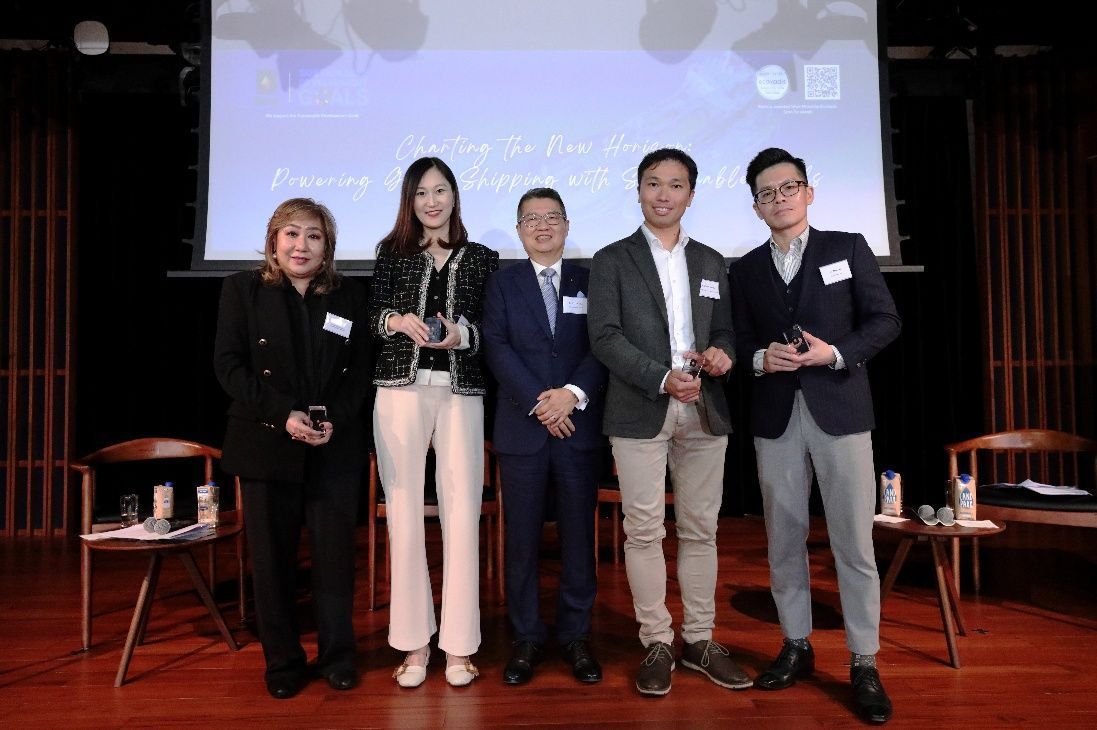
Caption 1: Dr. William Tse (center) presents souvenirs to the speakers and forum members as a token of appreciation.
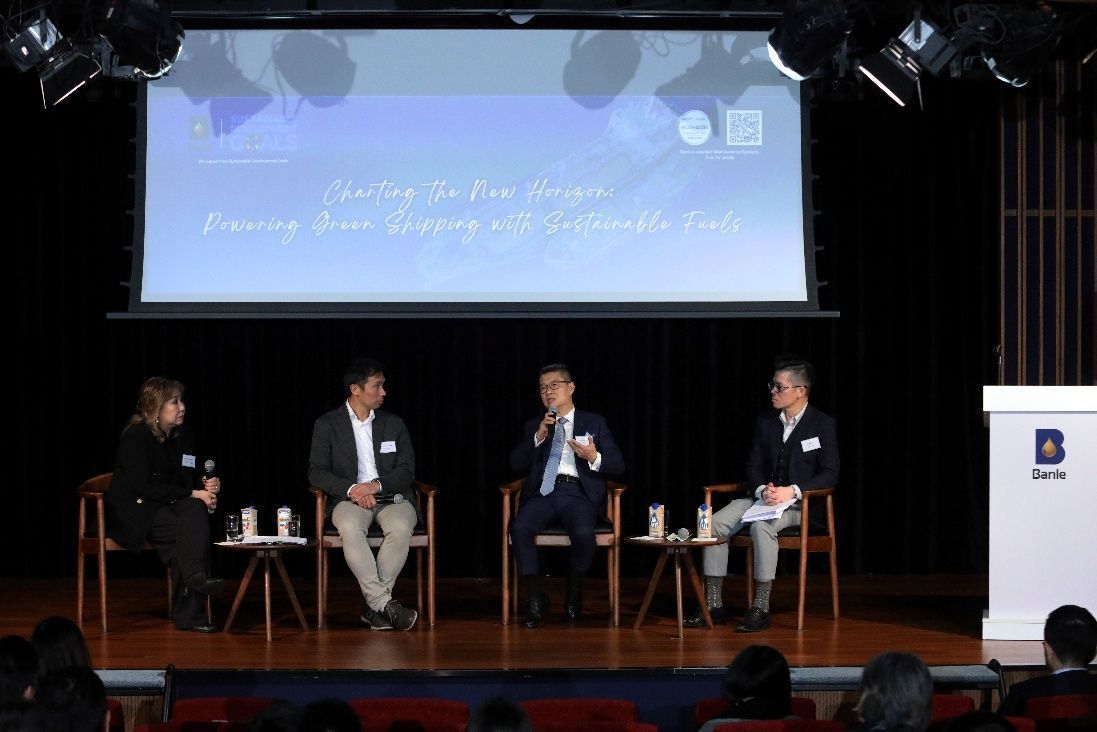
Caption 2: Forum members discuss the theme "Exploring New Horizons: Driving Green Shipping with Sustainable Fuels." Ms. Elaine Tse (left) served as the moderator, guiding the discussion and sharing insights as a forum member.
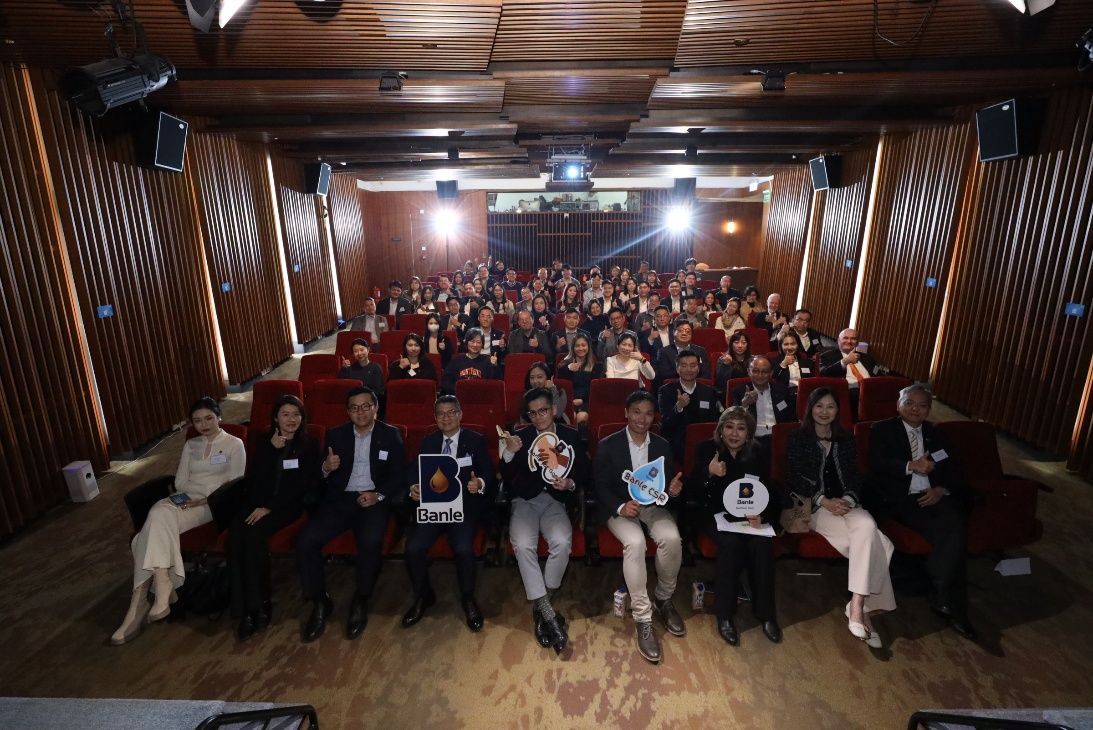
Caption 3: Participants gathered at the ESG Forum, demonstrating a shared commitment to sustainable practices and innovative solutions in the shipping industry.
About Wanli Group
Wanli Group was founded in 2015 and is listed on the Nasdaq Stock Market as CBL International Limited (Nasdaq: BANL). We are committed to providing customers with one-stop fuel supply services and are known in the industry as a fuel supply service provider. We primarily provide marine fuel bunkering services through local physical suppliers, covering 65 ports across Belgium, China, Hong Kong, India, Japan, South Korea, Malaysia, Mauritius, Panama, the Philippines, Singapore, Taiwan, Thailand, Turkey, and Vietnam. The Group actively promotes sustainable fuels and has obtained ISCC EU and ISCC Plus certifications, as well as the EcoVadis Silver Award.
The copyright of this article belongs to the original author/organization.
The views expressed herein are solely those of the author and do not reflect the stance of the platform. The content is intended for investment reference purposes only and shall not be considered as investment advice. Please contact us if you have any questions or suggestions regarding the content services provided by the platform.
