

 Likes Received
 Rate Of Return
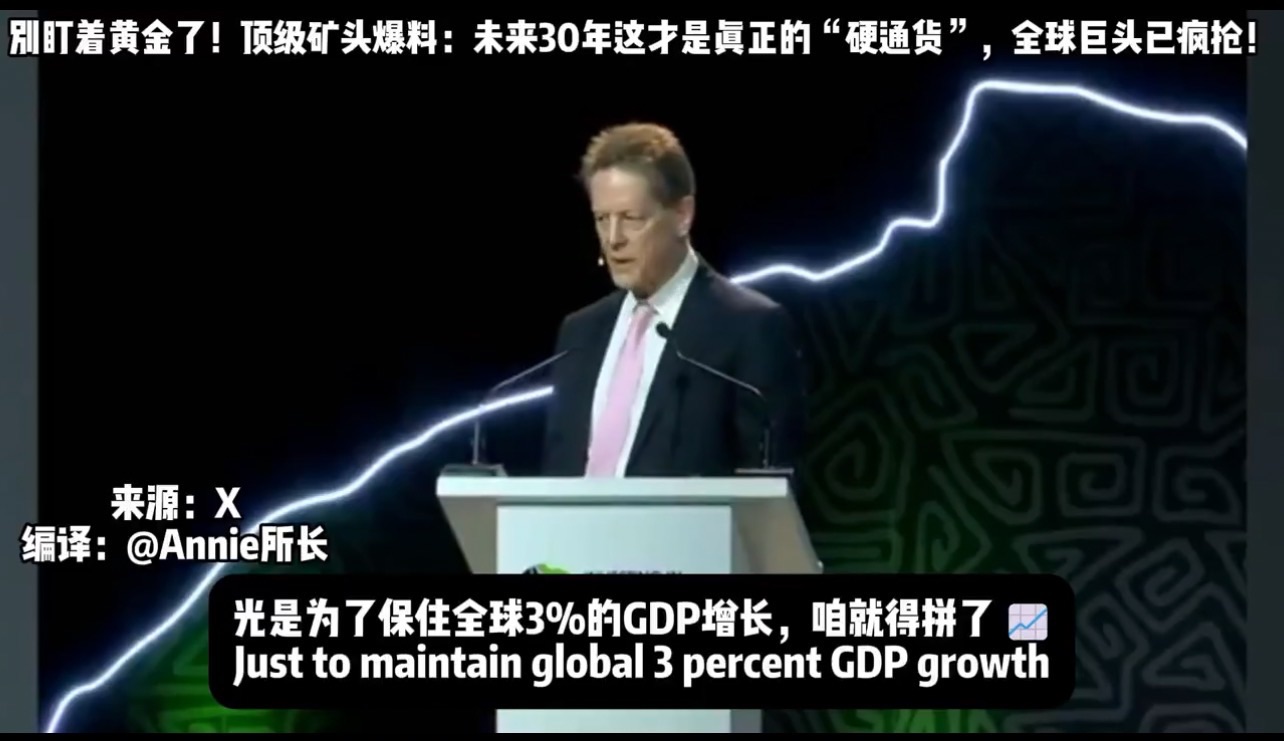
🚨 🔥 7 billion tons of copper mined in 4000 years, but another 7 billion tons needed in the next 18 years? The real crisis for $copper is just beginning.
If this comparison holds, the problem isn't price, but physical reality.
Humans have mined approximately 7 billion tons of copper from the early Bronze Age to the present. That's an industrial accumulation spanning millennia. From the steam age to electrification and into the information age, copper has always been one of the foundational metals. But the variables today are completely different. To sustain global GDP growth of about 3% while supporting the electrification expansion of AI data centers, electric vehicles, wind and solar power, the scale of new copper demand over the next 18 years could approach the total of the past several thousand years.
This is not a cyclical fluctuation; it's a structural shift in demand.
Copper is not a "story-driven" commodity. It is the underlying material for electrification. AI computing centers require high-density power and cooling systems. Electric vehicles use far more copper than internal combustion engine vehicles. Wind and solar are essentially system engineering projects that "use more copper to obtain cleaner electricity." When the energy structure shifts from fossil fuels to electrified infrastructure, the intensity of copper use per unit systematically increases.
What's more critical is the supply side.
The grade of known large copper mines globally is continuously declining, meaning more ore must be processed to produce each ton of copper, with capital expenditures and energy costs rising in tandem. New mine approval cycles often exceed 10 years, and environmental and geopolitical factors make expansion even slower. Copper mines are not software projects; they cannot be "rapidly iterated." The elasticity of the supply curve is far lower than the growth rate of the demand curve.
This creates a potential tension: if hundreds of millions of tons of new copper capacity are truly needed in the next decade or so, mining capital expenditure must start early, otherwise structural shortages may appear in the mid-to-late stages. And in commodity cycles, supply always lags behind demand expectations.
The issue is not whether copper is "scarce," but whether there is enough time.
If the expansion paths of AI, EVs, and energy transition continue, copper will become a key bottleneck metal in the electrification era. If the economy slows, demand expectations will fall back; but if technology investment accelerates, copper's strategic importance will be further amplified.
What's truly worth pondering is: under the narrative of global energy transition and computing power expansion, will copper become a new long-term structural asset, or an overvalued short-term theme?
If the next 18 years truly require mining another "historical total" of copper, are you more worried about price increases, or that supply simply cannot keep pace?
📬 I will continue to deconstruct the long-term structural logic between $copper, electrification, and AI infrastructure.
The copyright of this article belongs to the original author/organization.
The views expressed herein are solely those of the author and do not reflect the stance of the platform. The content is intended for investment reference purposes only and shall not be considered as investment advice. Please contact us if you have any questions or suggestions regarding the content services provided by the platform.
