

 Likes Received
 Rate Of Return
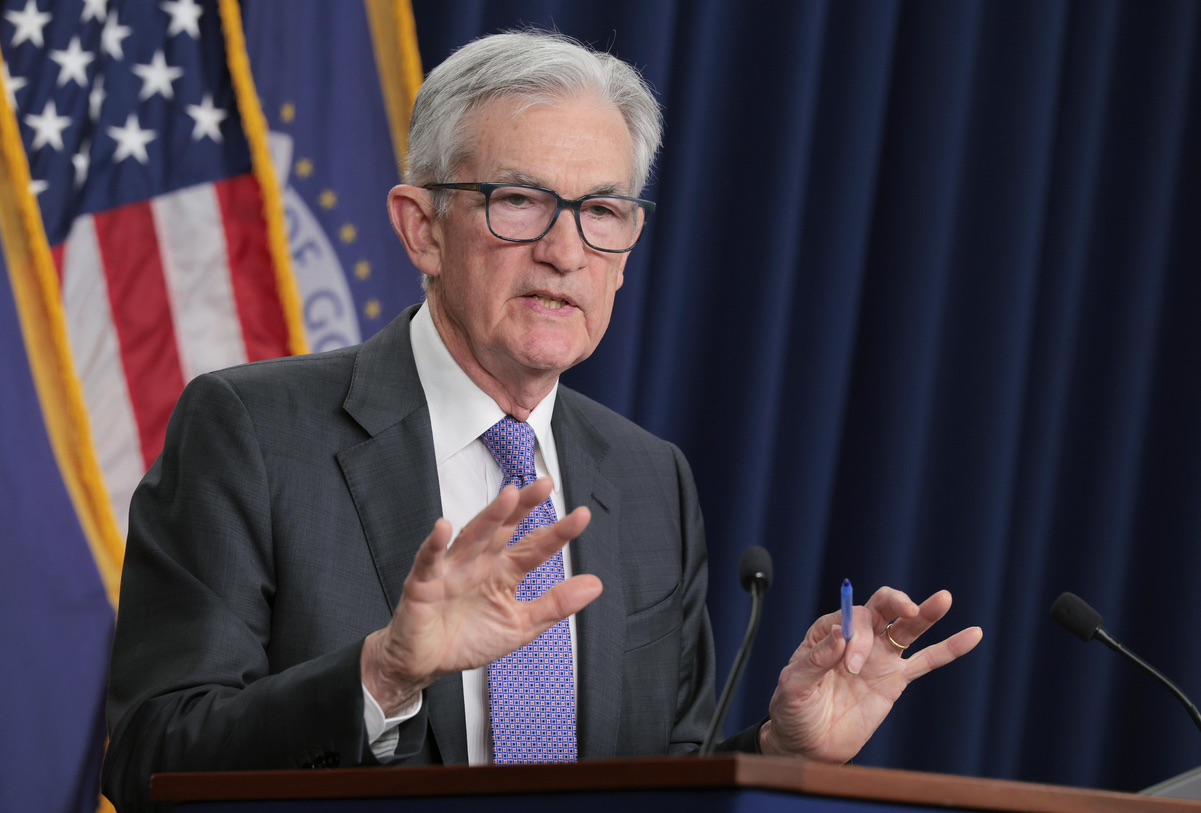
🇺🇸 Jerome Powell's statement is actually more important than the market imagines.
"Banks are fully capable of serving cryptocurrency-related clients."
What I see is not a neutral statement, but a directional signal of regulatory attitude.
In the past few years, the attitude of the US banking system towards the crypto industry has clearly tightened.
Higher compliance thresholds, difficulty in opening accounts, unstable payment channels... the industry has long been in a "semi-marginalized" state.
Now, the Federal Reserve Chairman publicly emphasizes that banks can and are capable of serving crypto clients.
What does this mean?
It means digital assets are no longer seen as "external variables" of the financial system,
but are being integrated into the mainstream framework for management and consolidation.
When regulators shift from "isolating risks" to "incorporating into the system,"
the market structure has already changed.
For banks, this is a new business growth point.
For institutional investors, this is a signal of enhanced legitimacy.
For the market, this is a repricing of the trust premium.
Digital assets are no longer just speculative assets.
They are entering payment, custody, settlement, and even asset allocation systems.
When traditional finance begins to provide infrastructure support for the crypto industry,
which asset benefits most directly?
The answer requires almost no thought.
Bitcoin, as the digital asset with the strongest liquidity, broadest consensus, and most mature institutional holdings, is naturally the first-order beneficiary.
I am more concerned with structural changes than short-term price fluctuations.
When the banking system can safely and compliantly serve crypto clients:
Capital flows more smoothly
Custody becomes more professional
Risks are more controllable
Institutional allocation becomes more convenient
This reduces the friction costs of the entire ecosystem.
And in financial history, all technologies that reduce friction costs ultimately expand market scale.
Of course, this does not mean there will be no volatility.
Regulatory details, capital adequacy requirements, and risk weighting settings will still affect the pace.
But the trend itself is already clear:
Digital assets are being incorporated into the core financial system's discussion framework.
The question is no longer "whether they will exist,"
but "what proportion they will occupy within the system."
When the Federal Reserve Chairman speaks in this tone, I prefer to see it as structural confirmation, not emotional expression.
In the long run, this integration path is a bullish signal for Bitcoin.
The copyright of this article belongs to the original author/organization.
The views expressed herein are solely those of the author and do not reflect the stance of the platform. The content is intended for investment reference purposes only and shall not be considered as investment advice. Please contact us if you have any questions or suggestions regarding the content services provided by the platform.
