

 Feed Explorer
From the perspective of conventional capital market operations, the article's analysis is relatively rational and logical. The phenomenon of institutions dominating pricing and retail investors being marginalized in traditional IPOs is indeed widespread. SpaceX breaking this convention indeed provides retail investors with more opportunities to directly participate in high-valuation technology companies. This objectively increases market inclusivity and also helps reduce volatility risks caused by concentrated selling by a single institution.
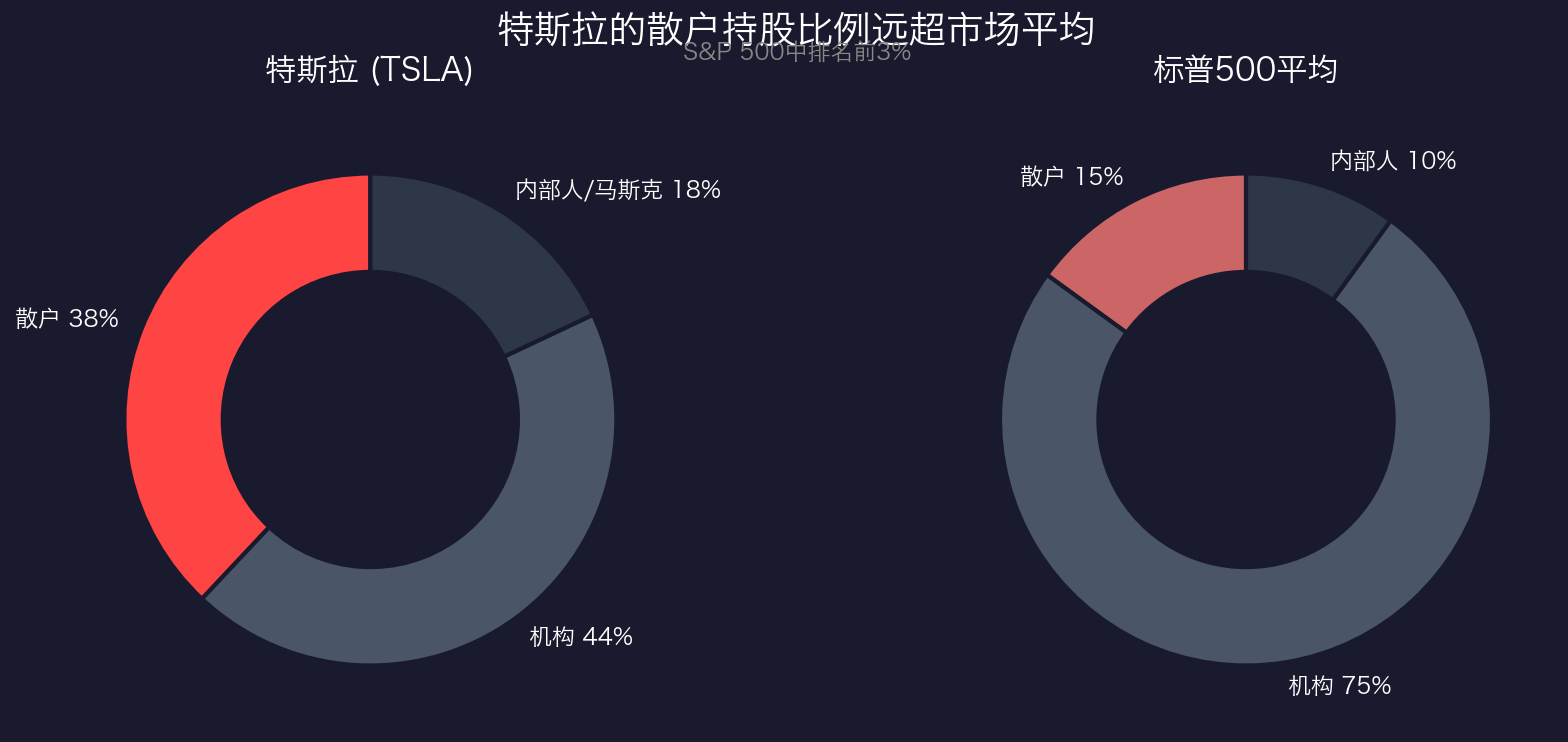
However, the strategy of positioning retail investors as a "loyal ballast" also has a double-edged effect: on one hand, it may indeed help SpaceX achieve more stable stock price performance in the early stages of listing; on the other hand, if SpaceX faces performance pressure or external events in the future, over-reliance on emotional retail support could also amplify irrational volatility (there are precedents in historical meme stocks or star company cases). Musk's practice with Tesla has proven that this "retail investors + founder" model can strengthen control in the short term, but in the long run, it still needs to be fundamentally supported by actual operating performance, not just relying on investor loyalty.
Overall, this strategy is an extension of Musk's consistent "decentralization + direct user reach" thinking in the capital market, combining both business wisdom and obvious control considerations. For ordinary retail investors, this is indeed a rare opportunity to participate, but investment decisions should still be based on the company's fundamentals, not on "sentimental support." The article's viewpoint is objective and neutral, not excessively hyping or pessimistic, and is worthy of reference for investors.

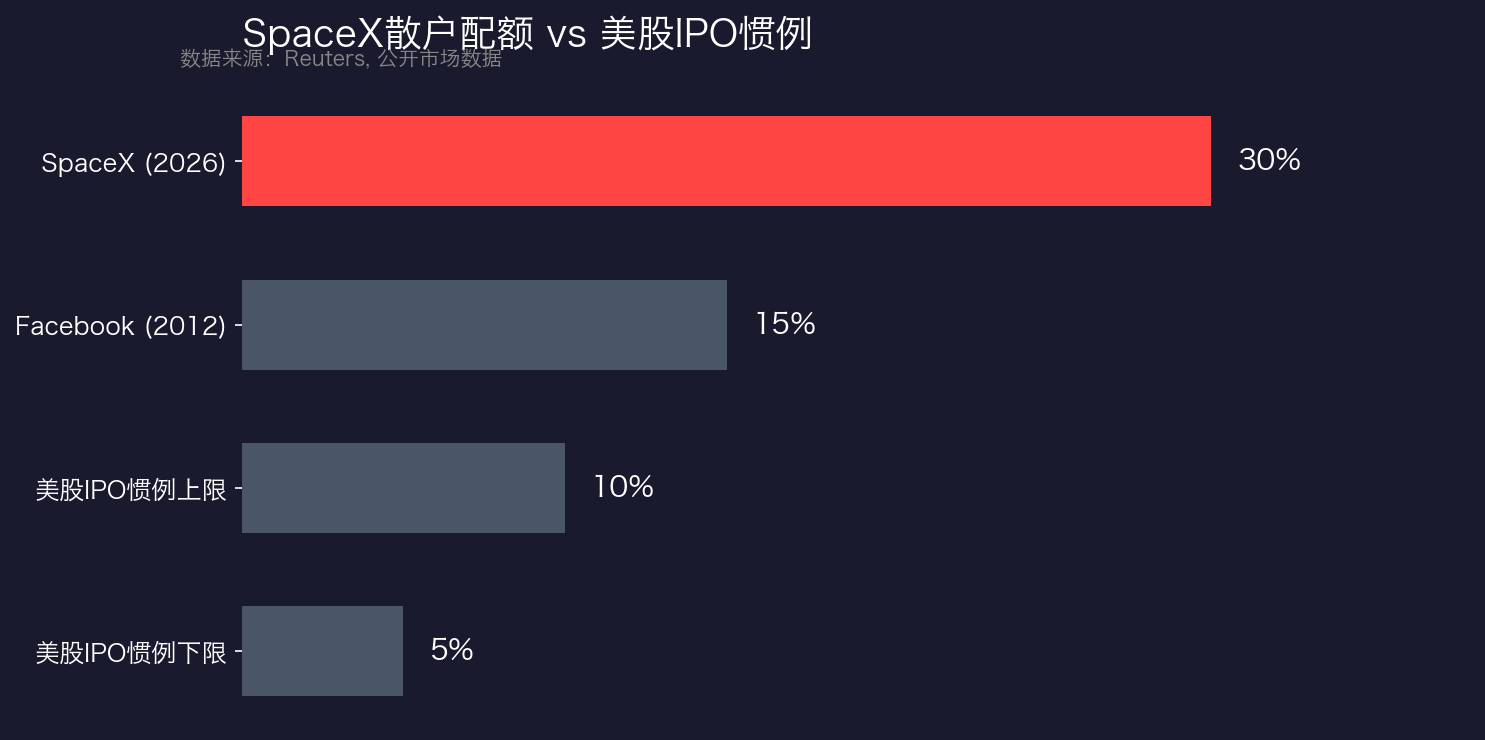
SpaceX offering 30% of shares to retail investors: a benefit or a trade-off?
The whole internet is hyping: Musk is kind-hearted, SpaceX is reserving 30% of its IPO shares for retail investors. This narrative is completely wrong from start to finish. It's not the conclusion that's wrong, it's the framework. The essence of IPO allocation: who sets the price, who takes the shares, let's first clarify a basic logic. IPO allocation is essentially a distribution of pricing power. Institutions get shares, obtaining the arbitrage right to "buy at a low price and sell in the secondary market." Retail investors get shares, usually the leftovers after institutions have picked. In US IPO conventions, retail investors only get 5%-10%. Why? Because underwriters need institutions to "discover the price"...

The copyright of this article belongs to the original author/organization.
The views expressed herein are solely those of the author and do not reflect the stance of the platform. The content is intended for investment reference purposes only and shall not be considered as investment advice. Please contact us if you have any questions or suggestions regarding the content services provided by the platform.
