

 Top 10 Influencers in 2025
 Markel
Island Capture?

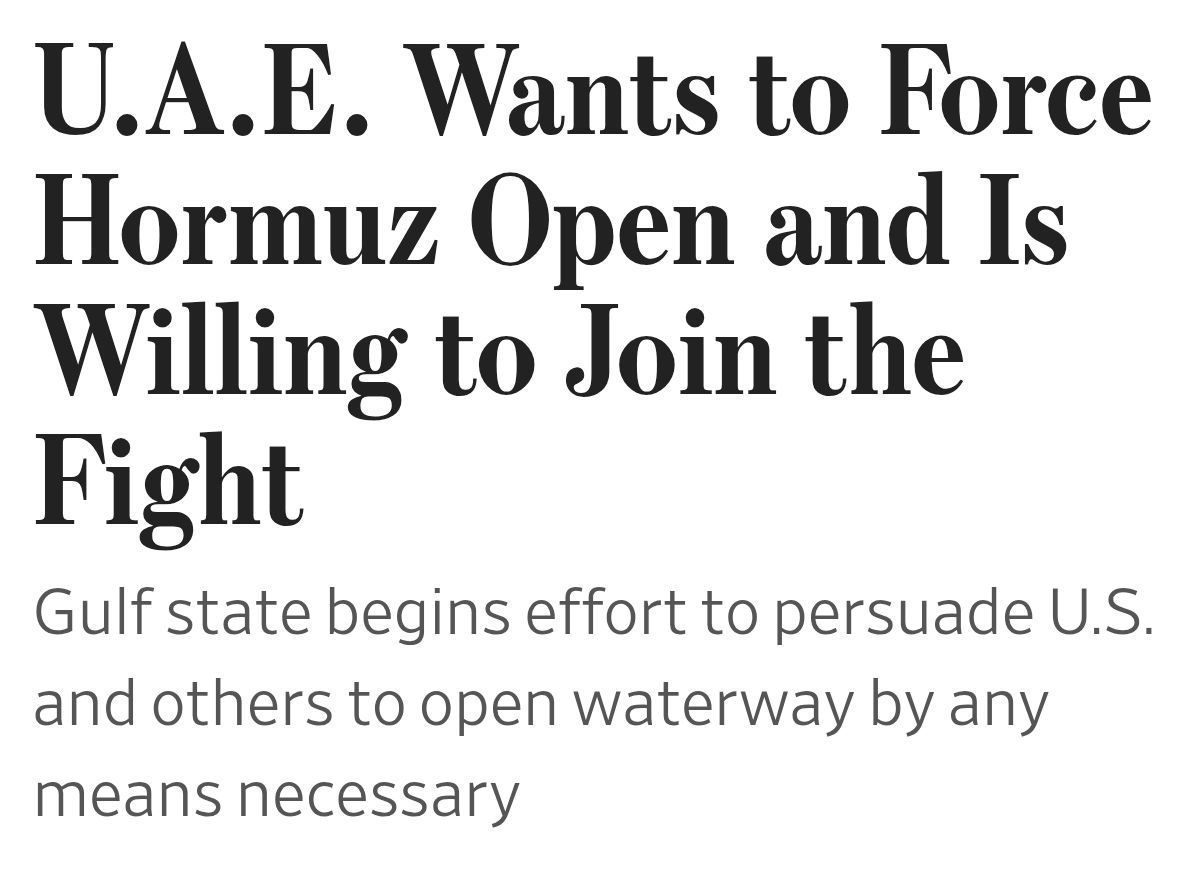
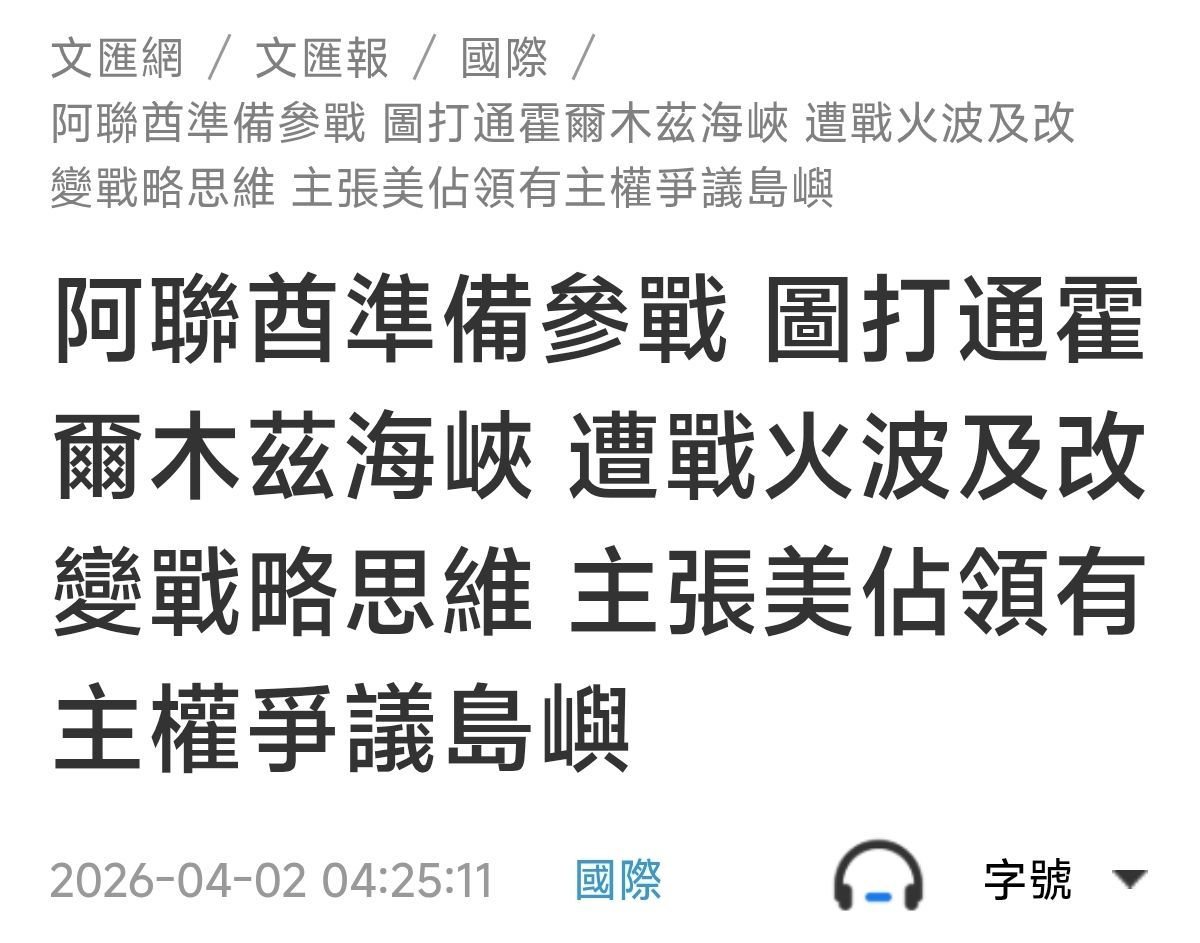
The United Arab Emirates is pushing for the US to forcefully reopen the Strait of Hormuz and is willing to assist in such a military operation, The Wall Street Journal reported Tuesday night.
The report said the Gulf state is also seeking a UN Security Council Resolution that would green-light such an operation, as it faces continued Iranian attacks.
Iran’s oil exports have surged despite the war, with over 90% of shipments flowing to China through covert logistics and shadow banking networks. This has doubled Tehran’s daily oil revenues compared to pre-conflict levels, even as other Gulf states face collapsing exports.
📊 Key Developments
- Export Volumes: Iran currently exports 2.4–2.8 million barrels/day, including 1.5–1.8 million barrels of crude oil—higher than last year’s average.
- Revenue Growth: Daily oil income has nearly doubled since late February 2026, despite ongoing airstrikes.
- China’s Role: Over 90% of Iranian oil is shipped to China, mainly to Shandong’s independent refineries, using disguised tankers and offshore transfers near Malaysia.
- Shadow Banking: Payments are routed via trust accounts in China and Hong Kong, often through shell companies and small banks, making flows hard to trace.
⚙️ How Iran’s Oil System Works
| Chain | Mechanism | Impact |
|---|---|---|
| Sales | Oil allocated to ministries, police, religious funds; ~20 elites tied to IRGC control sales. | Decentralization makes U.S. strikes ineffective. |
| Transport | IRGC controls Hormuz Strait logistics; tankers use fake documents & GPS spoofing. | Ensures continuity of shipments despite blockade. |
| Finance | Shadow banking via Chinese/HK accounts; funds laundered through shells & exchange houses. | Keeps war financing hidden and sanctions evasion possible. |
🌍 Geopolitical Implications
- China’s Leverage: Gains discounted oil but risks U.S. sanctions pressure.
- Iran’s Advantage: War damage offset by energy windfall, strengthening IRGC’s funding base.
- Global Energy Shock: Other Gulf exporters face revenue collapse, while Iran thrives—creating asymmetric resilience.
⚠️ Risks & Side Effects
- Fragmented Control: Even Iran’s central bank struggles to track flows, enabling corruption among oil oligarchs.
- Sanctions Exposure: U.S. Treasury has already sanctioned dozens of entities tied to Iran’s shadow banking.
- Market Volatility: Continued reliance on covert Chinese demand could destabilize global energy markets if exposed.
Would you like me to break down China’s strategic gains from this arrangement (cheap energy, geopolitical leverage, sanctions evasion), or focus more on Iran’s internal power dynamics (IRGC dominance, oligarchic profits)
The copyright of this article belongs to the original author/organization.
The views expressed herein are solely those of the author and do not reflect the stance of the platform. The content is intended for investment reference purposes only and shall not be considered as investment advice. Please contact us if you have any questions or suggestions regarding the content services provided by the platform.
