


Bank of America Hartnett: The valuation bubble of the "Seven Sisters" of U.S. stocks is far from peaking

Bank of America analyst Michael Hartnett stated that the valuation bubble of large U.S. tech stocks has not yet peaked and still has room to rise. Research shows that since March 2023, the cumulative increase of the "Magnificent Seven" in U.S. stocks has been 223%, close to the average increase during historical bubbles. The current price-to-earnings ratio is 39 times, lower than the 58 times at the time of historical bubble bursts. Strong market sentiment, the AI boom, and expectations of interest rate cuts are driving tech stocks to continue rising
According to Bank of America's analysis, the valuation bubble formed among large technology stocks in the U.S. over the past two years has not yet peaked, and there is still room for further upward momentum.
The Bank of America team, led by strategist Michael Hartnett, pointed out in a report that investors should prepare for the continued rise of the "Magnificent Seven" in U.S. stocks. After studying ten major asset bubbles in global capital markets since the last century, the team found that compared to history, the current tech stock boom's valuations and increases have not yet reached historical peak levels.
The analysis indicates that the current valuation indicators for the "Magnificent Seven," such as price-to-earnings ratios and the deviation of stock prices from key technical moving averages, also support the judgment that there is still upward potential. The strategists believe this makes the group the "best proxy indicator for bubbles today."
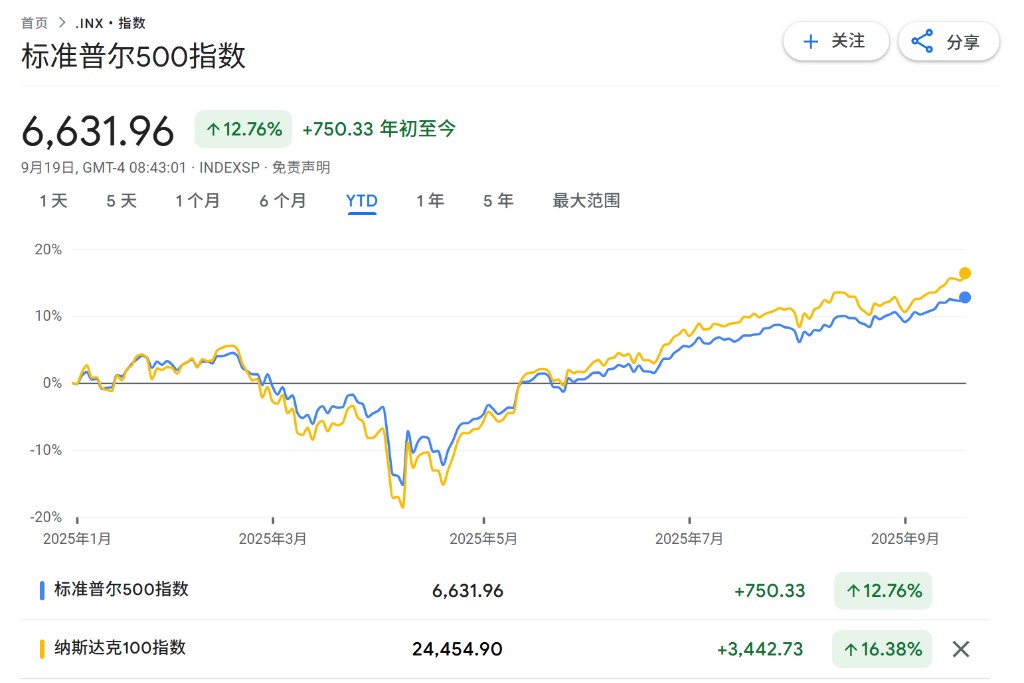
This view provides new support for the currently high-performing tech stocks. Since the beginning of this year, investor enthusiasm for U.S. tech giants has remained high, driving major stock indices to historical highs.
Historical Bubble Comparison: The Rally May Not Be Over
Hartnett and his team's research shows that in the ten major stock market bubbles since the early last century, asset prices rose an average of 244% from the bottom to the peak.
In contrast, the "Magnificent Seven"—Tesla, Google, Apple, Meta, Amazon, Microsoft, and Nvidia—have seen a cumulative increase of 223% since their low in March 2023. Hartnett wrote in the report that this means the group "still has room to rise."
From a valuation perspective, the conclusion holds true as well. Historically, when stock market bubbles burst, their trailing price-to-earnings ratios typically reached 58 times, and stock prices were 29% above their 200-day moving average. Currently, the trailing price-to-earnings ratio for the "Magnificent Seven" is 39 times, and stock prices are only 20% above the 200-day moving average.
Market Enthusiasm Remains Strong: AI and Rate Cut Expectations as Boosters
Strong market sentiment and the macro environment are key factors supporting the continued rise of tech stocks. A positive macroeconomic backdrop, ongoing market enthusiasm for artificial intelligence, and expectations for further rate cuts by the Federal Reserve have collectively provided tailwinds for the sector.
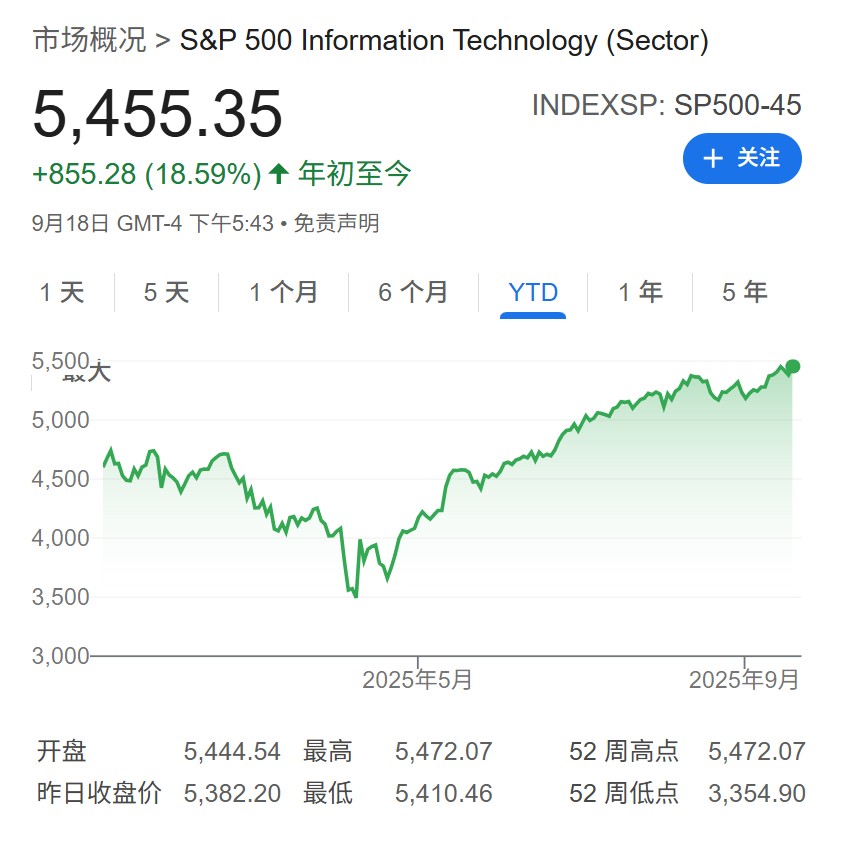
Market data also confirms investor enthusiasm. The S&P 500 Information Technology Index has surged 56% since its low in April this year, during which investors have chosen to buy on almost every dip.
 The fund manager survey released by Bank of America this week shows that "going long on the 'Seven Sisters of U.S. Stocks'" is viewed as the most crowded trade for the second consecutive month, with 42% of respondents agreeing. This highly concentrated trend also aligns with the characteristics of historical bubbles.
The Hartnett team points out that bubbles are often short-lived and highly concentrated. For example, during the peak of the internet bubble in 2000, the technology sector surged 61% within six months, while all other sectors of the S&P 500 recorded declines that year.
Despite being optimistic about the continuation of the technology stock bubble, Hartnett advises investors to adopt a more balanced strategy to manage risk. He notes that as the bubble expands, this extreme valuation surge will also stimulate overall economic growth, thereby creating opportunities for other assets.
Therefore, Bank of America's strategists recommend that investors adopt a "barbell" strategy, holding large technology stocks while also allocating some "bad value stocks."
Risk Warning and Disclaimer
The market carries risks, and investment should be approached with caution. This article does not constitute personal investment advice and does not take into account the specific investment objectives, financial situation, or needs of individual users. Users should consider whether any opinions, views, or conclusions in this article are suitable for their specific circumstances. Investing based on this is at one's own risk
