


Trump's new tariff threat causes Asian stock markets to collectively decline, with South Korea's Seoul Composite Index dropping 3%, and gold and silver retreating

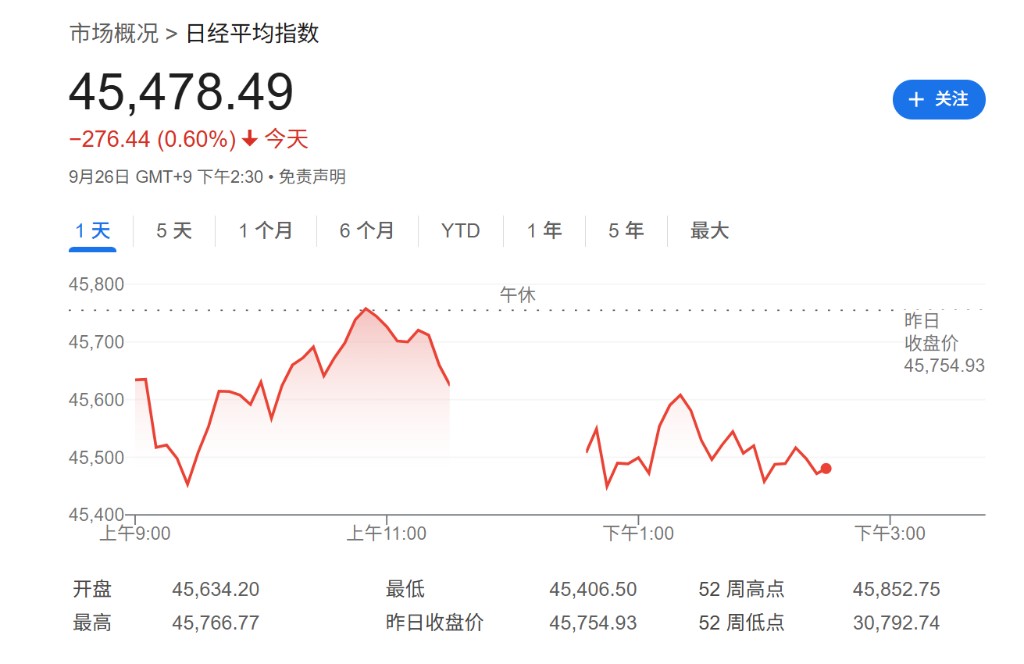
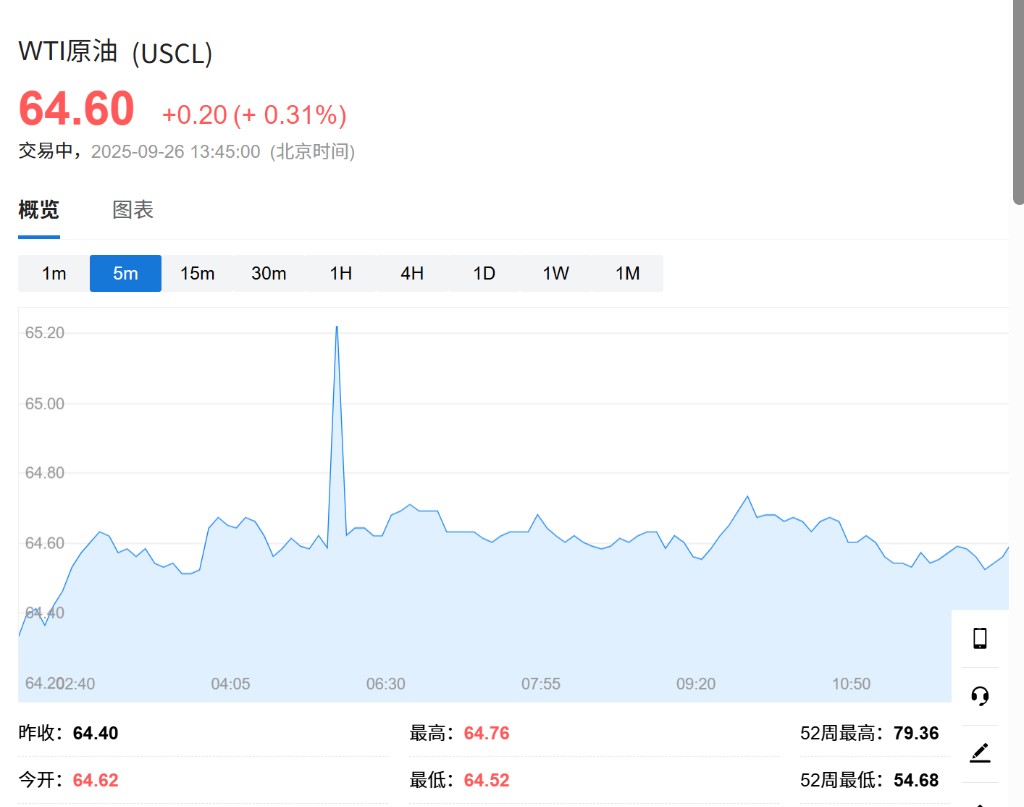
The new round of tariff plans announced by Trump has once again stirred up global markets. Major Asian stock indices generally fell on Friday, with the Nikkei 225 index down about 0.6%, and pharmaceutical company stocks plummeting. The South Korea Composite Stock Price Index fell 3%. The U.S. dollar index decreased by 0.1% to 98.36 dollars. Spot gold reached 3747 dollars per ounce. WTI crude oil rose by 0.3% to 64.59 dollars per barrel
Trump's announcement of a new round of tariff plans has once again stirred the global market.
According to CCTV News, on September 25 local time, U.S. President Trump announced on his social media platform "Truth Social" that starting from October 1, the U.S. will implement a new round of high tariffs on various imported products. The measures include a 50% tariff on kitchen cabinets, bathroom sinks, and related building materials, a 30% tariff on imported furniture, and a 100% tariff on patented and branded drugs. In addition, Trump also announced that a 25% tariff will be imposed on all imported heavy trucks starting October 1.
This sudden news quickly triggered market risk aversion. Major Asian stock indices generally fell on Friday, with the Japanese and South Korean markets leading the decline, and related pharmaceutical company stocks plummeting.
Meanwhile, investors are still digesting strong economic data that may affect the Federal Reserve's interest rate cut path. The new tariff threat adds more uncertainty to an already tense market sentiment, and investors are closely watching the upcoming inflation report for clues about future interest rate trends.
- The Nikkei 225 index fell about 0.6%, closing at 45,478 points. Pharmaceutical stocks saw significant declines, with Sumitomo Pharma's stock price dropping 5.2% and Chugai Pharmaceutical down 3.9%. The South Korean composite index fell 3%, closing at 3,366.82 points.
- The U.S. dollar index fell 0.1% to 98.36.
- The euro rose 0.1% to 1.1680.
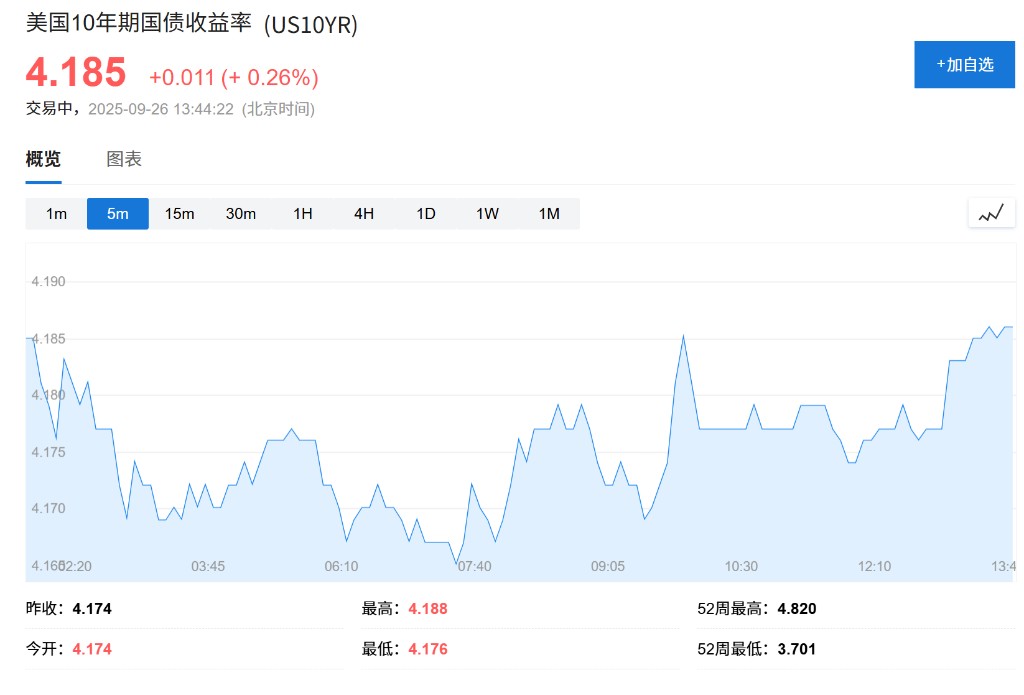
- The yield on the 10-year U.S. Treasury bond remained largely unchanged at 4.18%.
- West Texas Intermediate crude oil rose 0.3% to $64.59 per barrel.
- Spot gold remained largely unchanged at $3,747 per ounce.
Asian Stock Markets Decline, Japan and South Korea Lead the Drop
On Friday, the Nikkei 225 index in Japan fell about 0.6%, closing at 45,478 points. Under the direct threat of a 100% drug tariff, Japanese pharmaceutical stocks saw significant declines, with Sumitomo Pharma's stock price dropping 5.2% and Chugai Pharmaceutical down 3.9%.
The South Korean composite index (Kospi) plummeted 2.5% to 3,384.58 points, marking a third consecutive day of decline. Reports indicate that market concerns about the prolonged tariff negotiations with the U.S. are intensifying.
Other markets also showed weakness, with India's BSE Sensex index down 0.7%, while Australia's S&P/ASX 200 index rose 0.2%, becoming one of the few major markets to record growth.
U.S. Stocks Fall for Three Consecutive Days, Risk Aversion Rises
Before Trump's remarks on tariffs, Wall Street had already seen three consecutive days of declines.
The recent weakness in U.S. stocks is mainly attributed to stronger-than-expected economic data. Reports indicate that the U.S. economy may be more robust than economists had anticipated, which, while positive for employment, also reduces the likelihood of the Federal Reserve cutting interest rates multiple times in the coming months. The Federal Reserve just implemented its first rate cut of the year last week, but the strong economic performance has led the market to begin questioning the extent of future easing. Given that the significant rise in U.S. stocks this year has largely been built on expectations of rate cuts, if the cuts do not meet expectations, criticisms regarding high market valuations will intensify.
Stephen Innes of SPI Asset Management wrote in a commentary:
"For today's Asian markets, traders woke up to find that market gravity has returned. After a $15 trillion rebound in global stock markets so far this year, the market's gains now feel somewhat excessive in the face of rising yields for the 'right reasons' (i.e., stronger growth)."
He added that in the context of "high places being hard to endure," market enthusiasm can easily waver.
As a reflection of market sentiment, the yield on the U.S. 10-year Treasury note rose slightly from 4.16% to 4.17%, indicating that traders are reducing their bets on the number of future rate cuts by the Federal Reserve.
Oil Prices Rise Against the Trend, Geopolitical Factors Evolve
While global stock markets are generally under pressure, oil prices have risen against the trend and are expected to achieve the largest weekly gain in over three months. On Friday, Brent crude futures rose to $69.67 per barrel, while West Texas Intermediate crude increased by 0.3% to $64.59 per barrel.
The rise in oil prices is primarily driven by geopolitical tensions. Additionally, an unexpected decline in U.S. crude oil inventories last week provided further support for oil prices. These factors combined have pushed the two major crude benchmarks to their highest levels since August 1 this week
