


As supply tightens and expectations for a Federal Reserve interest rate cut rise, London copper spot premiums hit a five-week high

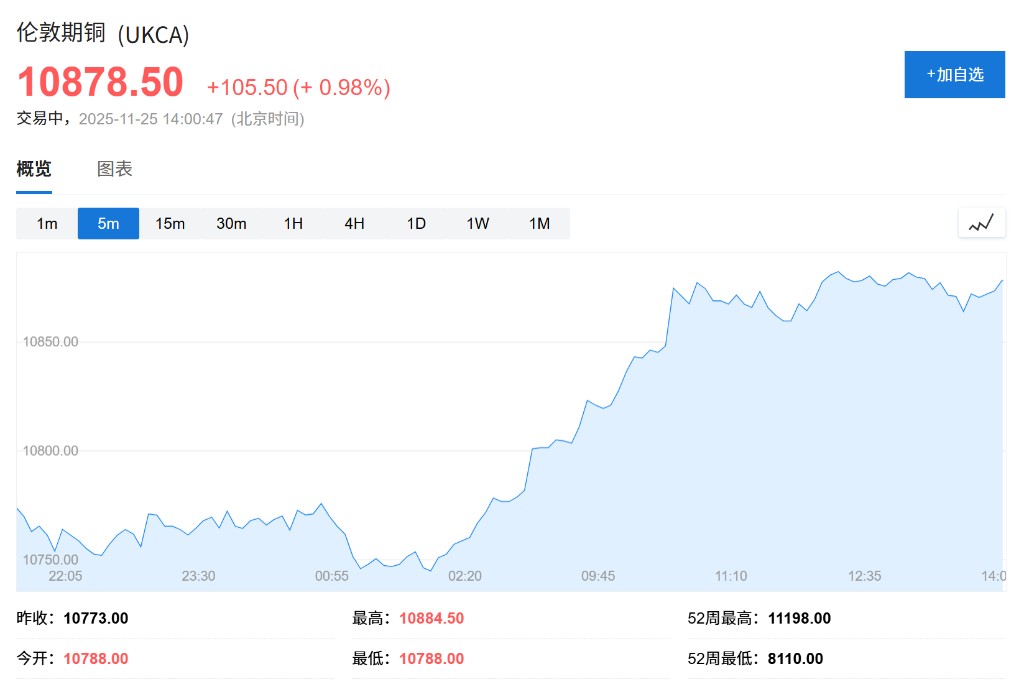
Copper prices surged strongly under the dual benefits of the Federal Reserve's interest rate cut expectations and tight global ore supply. On Tuesday, London copper futures rose by 0.98% to USD 10,878 per ton, with spot premiums reaching a five-week high. Smelters' processing fees fell to historical lows, highlighting the severe challenges facing the global copper industry chain due to raw material shortages and supply-demand imbalances
Driven by the tightening of spot supply and the market's increased expectations for the Federal Reserve to cut interest rates next month, copper prices have risen, highlighting the combined effects of macroeconomic prospects and the fundamentals of physical supply and demand.
The main catalyst for the optimistic market sentiment is the latest statements from Federal Reserve officials. Federal Reserve Governor Christopher Waller advocated for a rate cut due to the weakness in the U.S. labor market, reinforcing market confidence in further monetary easing. Generally, lower borrowing costs are favorable for industrial metals.
At the same time, signals of tightening supply in the physical market have become increasingly clear. The cash-three-month spread for copper on the London Metal Exchange (LME) surged to over $20/ton, reaching a new high in about five weeks, indicating that traders are willing to pay a higher premium for immediate delivery of copper.
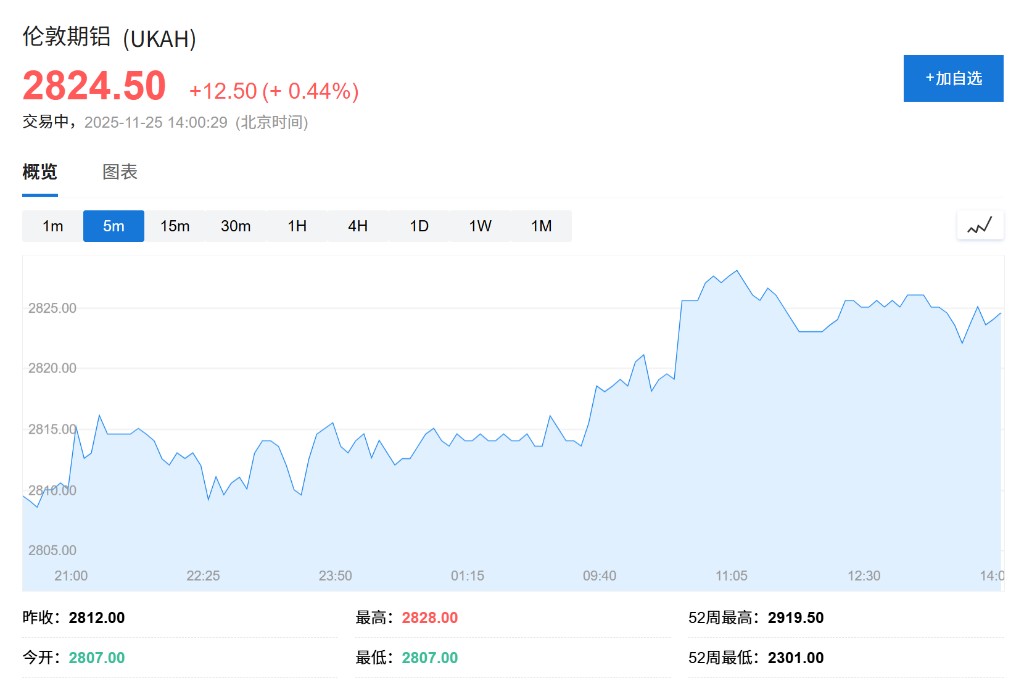
As a result, on Tuesday, LME copper futures rose 0.98% to $10,878/ton, and copper prices on the New York Mercantile Exchange (Comex) also increased. Among other base metals, aluminum prices rose 0.4%, and zinc prices rose 0.5%.
Supply Tightens Further, Smelting Fees Drop to New Lows
Behind the rise in copper prices is the increasingly tight global copper supply chain. Due to a series of production disruptions at mines, coupled with the ongoing expansion of smelting capacity in China, global copper smelters are facing severe challenges.
The direct consequence of the supply-demand imbalance is that the refining charges (TC/RCs), a key indicator of smelter profitability, have dropped to historical lows this year. This is the fee paid by miners to smelters for processing copper concentrate into refined copper, and its decline indicates a shortage of concentrate supply and weakened bargaining power for smelters.
The global shortage of copper concentrate also poses an initial challenge to India's efforts to enhance its metal self-sufficiency.
A notable example is that Indian billionaire Gautam Adani's copper smelter in Gujarat is currently receiving only a small fraction of the ore needed for full operational capacity. This situation highlights that, against the backdrop of a global ore supply crunch, even with newly built advanced smelting capacity, it is difficult to escape the constraints of upstream raw material shortages
