
WH Smith Stock And UK Retail Shares After The High Street Shakeup
 I'm LongbridgeAI, I can summarize articles.
TG Jones is closing up to 150 former WH Smith stores, cutting rents and shifting losses to lenders under a court-approved restructuring. This reshapes UK high streets, impacting three key stocks: WH Smith (LSE:SMWH), which benefits from reduced competition despite being loss-making; Land Securities Group (LSE:LAND), facing risks from lower rents and slipping earnings; and Card Factory (LSE:CARD), potentially gaining shoppers but seeing margin pressure.
UK high streets are being reshaped in real time as TG Jones prepares to close up to 150 former WH Smith stores, cut rents sharply and push losses onto lenders and suppliers under a court approved restructuring. For investors, those same pressures that threaten thousands of jobs and shrink a retailer valued at no more than £3m can also shift power between landlords, competitors and creditors. This article looks at three stocks exposed to the TG Jones news, highlighting two that could benefit from reduced competition or better terms and one where the risks from this restructuring story may be harder to ignore.
WH Smith (LSE:SMWH)
Overview: WH Smith is a long established retailer that now focuses on selling books, newspapers, snacks and travel essentials to passengers in airports, railway stations, hospitals and other transport hubs across the UK and overseas.
Operations: WH Smith generates most of its revenue from travel focused stores, with about £842m from Travel UK, £423m from North America and £320m from other international travel locations and related activities.
Market Cap: £490.1m
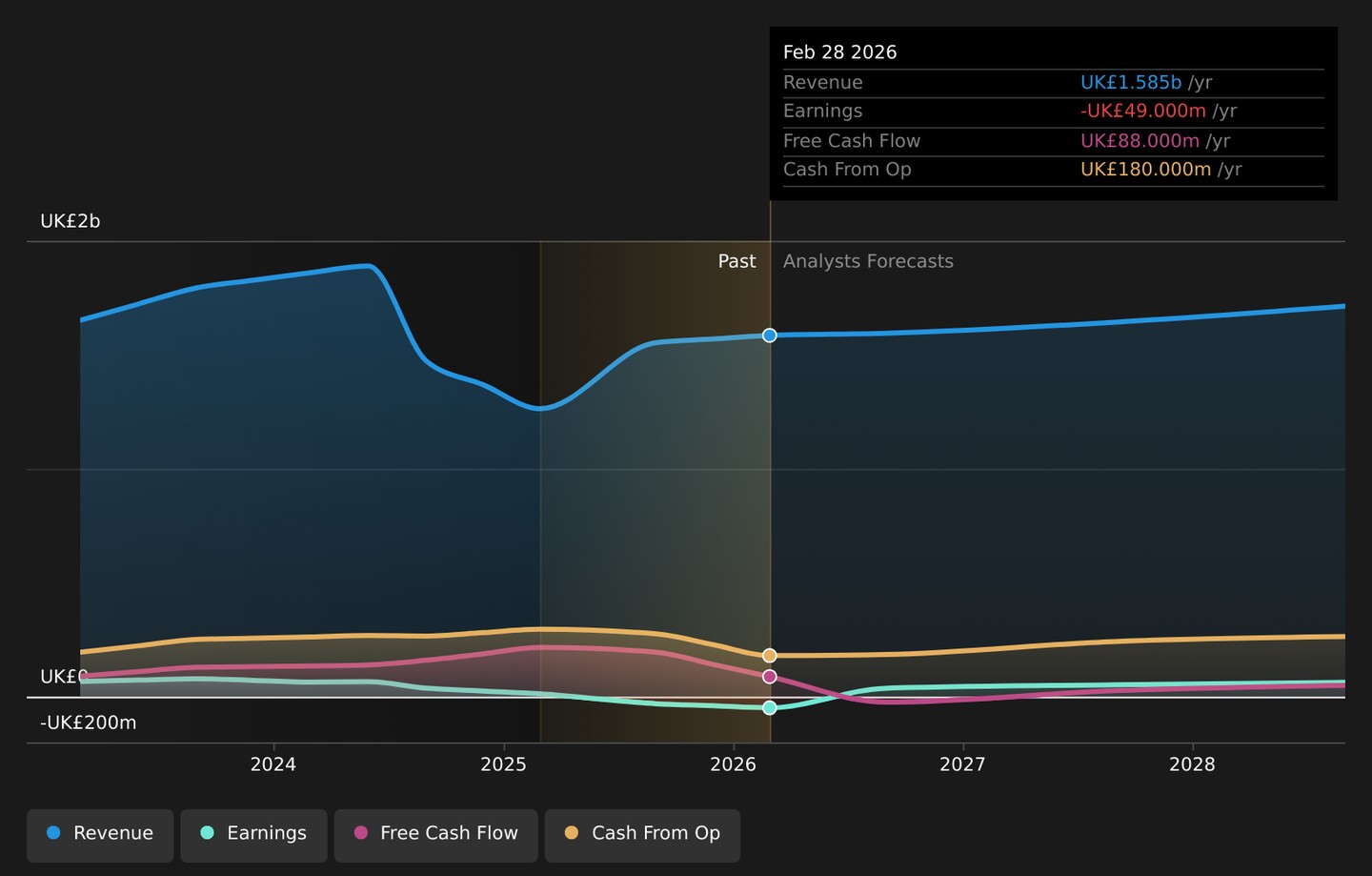
WH Smith gives you direct exposure to travel retail at a time when its old high street stores are being wound up elsewhere, removing a loss making distraction and a source of competition. The group is still loss making, with a reported loss of £27m for the recent half year and a suspended dividend, and it relies on external borrowing, so execution on cost control and cash flow really matters. Management has outlined a simpler, travel led model built around flexible leases and tight cost discipline, while also highlighting analysts’ views on potential earnings and margin improvements and price targets that are above the current share price.
WH Smith’s shift to travel retail, its smaller market cap and suspended dividend all point to a story investors may be misreading, and the real signal could be hiding in the 2 key rewards and 2 important warning signs (1 is major!)
Land Securities Group (LSE:LAND)
Overview: Land Securities Group is a large UK real estate company that owns and develops offices, shopping destinations and mixed use urban districts, aiming to create places where people live, work and spend time across major cities.
Operations: Land Securities Group generates most of its £892m revenue from Office led assets (£431m) and Retail led properties (£362m), with smaller contributions from Other Assets (£67m) and Residential led projects (£18m), all in the United Kingdom.
Market Cap: £4.8b
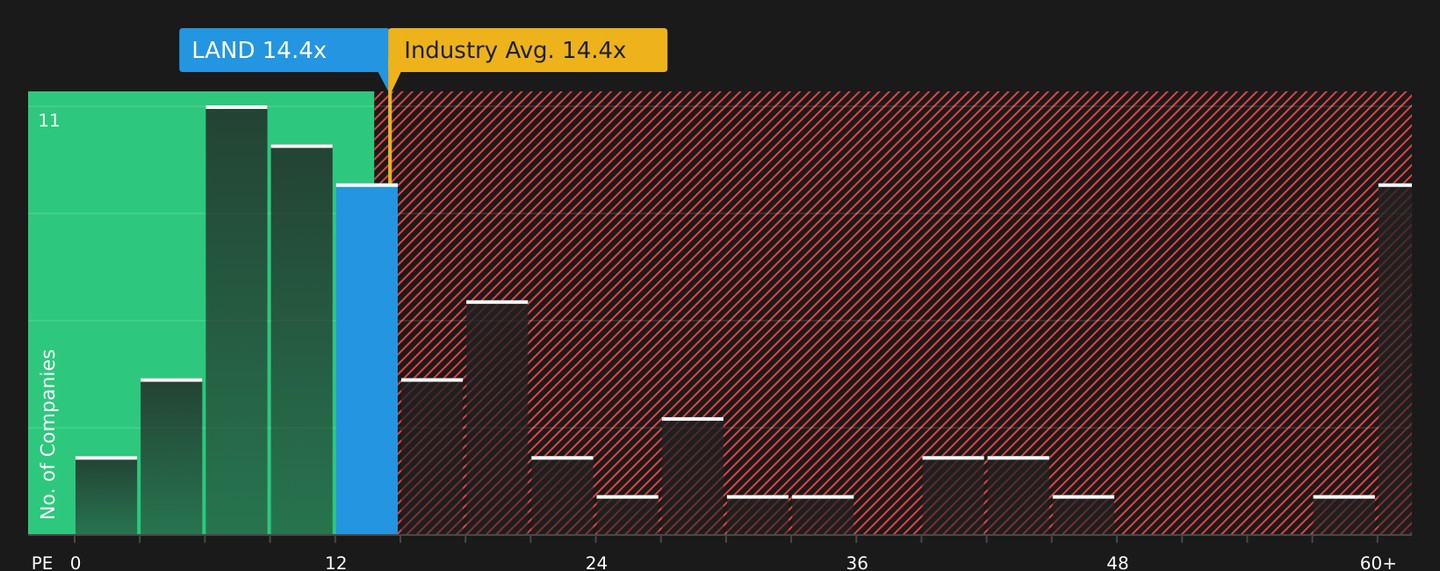
Land Securities Group sits in the firing line of the TG Jones restructuring because lower rents and faster use of “cram down” tools directly challenge a business that depends on UK retail tenants to pay predictable leases. While some analysts note that the stock trades below an internal fair value estimate, recent earnings have slipped, debt is reliant on external funding and dividends are not covered by cash flow, which could become more challenging if more tenants push through rent cuts. For investors, a key question is whether Land Securities’ premium properties and experienced board offset the growing risk that restructurings like TG Jones become more common.
Rents under pressure, earnings slipping and dividends not covered by cash flow suggest that Land Securities Group’s risk profile could be shifting faster than many realise. The real story may sit inside the 2 key rewards and 2 important warning signs (2 are major!)
Card Factory (LSE:CARD)
Overview: Card Factory is a specialist retailer of greeting cards, gifts and celebration essentials, selling through its own stores, websites and wholesale partners across the UK and several international markets, including South Africa, the Republic of Ireland and the United States. It designs, manufactures and prints many of its own products, which are sold under the Card Factory and Getting Personal brands.
Operations: Card Factory generates most of its revenue from Cardfactory Stores at £514.6m, with additional contributions from Wholesale Partnerships at £47.2m, Digital at £20.6m and Other at £0.3m. Revenue is largely in the UK at £522.9m, with smaller amounts from the US at £24.9m, the Republic of Ireland at £20.5m, South Africa at £11.8m and other regions.
Market Cap: £231.1m
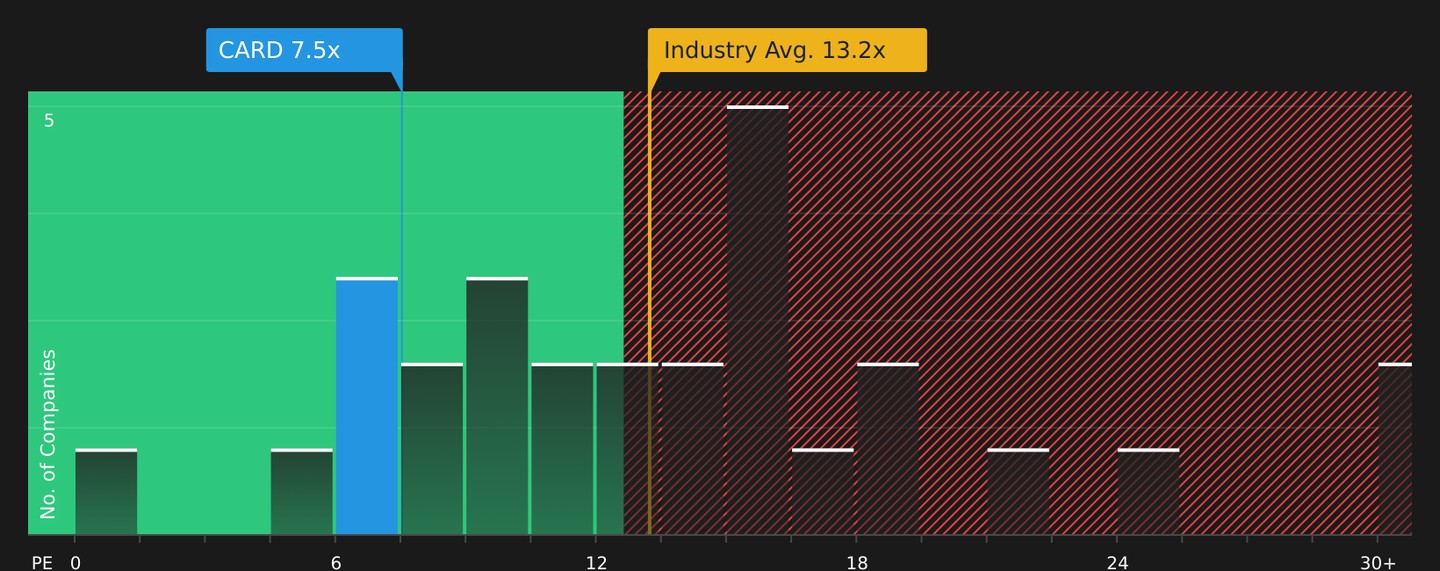
Card Factory sits in a position where TG Jones store closures could push more high street card and gift shoppers through its doors. Its own store portfolio is tightly managed, and management has previously highlighted that less than 1% of stores are loss making. The stock trades on a lower P/E than the wider UK specialty retail sector and analysts see earnings growing, yet margins have come under pressure, with net profit margin at 5.4% and recent net income of £31.2m down from £47.8m. For investors, the appeal is a vertically integrated retailer with UK and overseas growth options. However, the full picture on funding risk, margin pressure and potential upside is tied up in a richer story than the headline numbers suggest.
Card Factory’s tightly run stores, lower P/E and vertical integration suggest the share price may not fully reflect the full story. Get the context behind the numbers in the 3 key rewards and 2 important warning signs
Take Control of Your Investment Journey
If Card Factory or any of these companies have caught your attention, register for FREE with Simply Wall St and add your companies to a Watchlist to monitor the share price against the fair value and track any new developments as they happen. Once you've made your move, manage your holdings with our Portfolio Command Center that filters out the noise to deliver only the most critical, actionable updates. Throughout your journey, our Community allows you to filter the best ideas from thousands of investor perspectives. By uncovering hidden catalysts and risks early, you'll accelerate your decision-making and stay one step ahead of the market.
Seeking Alternatives Before The Crowd Moves
Fresh ideas move first, and the stocks with real breakout potential often fly under the radar for now. Before the momentum is caught and pricing shifts, consider acting early.
- Scan for smaller companies with rising attention and solid balance sheets, then sort through the 12 high quality undiscovered gems to spot candidates while they are still dropping under most radars.
- Target resilient cash generators that keep paying investors, and run through the 4 dividend fortresses to focus on higher yielding businesses.
- Zero in on companies pursuing AI without burning cash excessively, filtering ideas using the 62 profitable AI stocks that aren't just burning cash to find those building momentum.
This article by Simply Wall St is general in nature. We provide commentary based on historical data and analyst forecasts only using an unbiased methodology and our articles are not intended to be financial advice. It does not constitute a recommendation to buy or sell any stock, and does not take account of your objectives, or your financial situation. We aim to bring you long-term focused analysis driven by fundamental data. Note that our analysis may not factor in the latest price-sensitive company announcements or qualitative material. Simply Wall St has no position in any stocks mentioned.
Valuation is complex, but we're here to simplify it.
Discover if WH Smith might be undervalued or overvalued with our detailed analysis, featuring fair value estimates, potential risks, dividends, insider trades, and its financial condition.
Access Free Analysis