


Rocket Lab 与 SpaceX 猎鹰系列竞争的情况和优势的总结

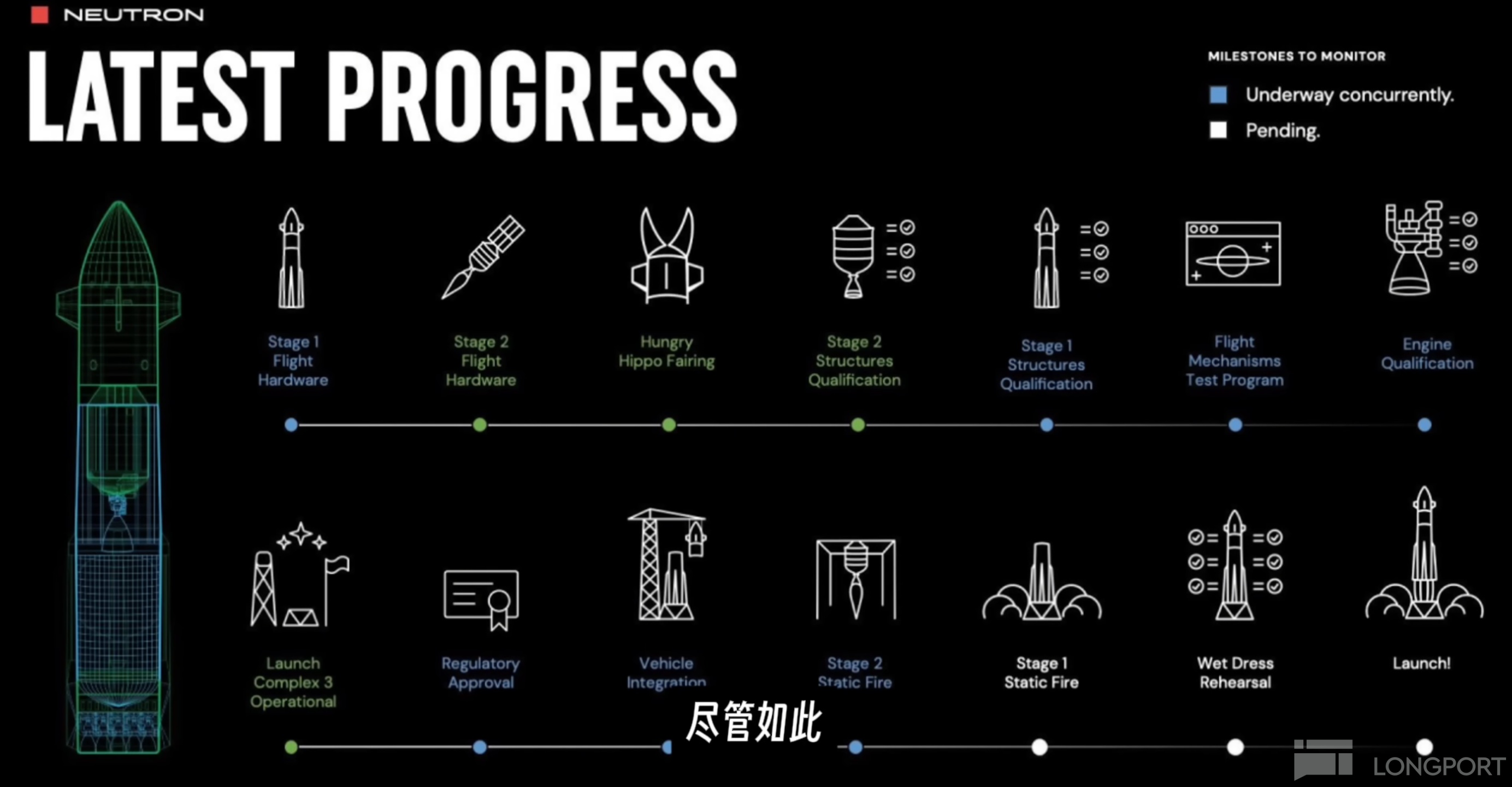
https://www.youtube.com/watch?v=Fe3BDi04M6Y Rocket Lab's Neutron rocket, while often positioned as a competitor to SpaceX's Falcon 9, actually has a slightly different market positioning, aiming to fill a market gap.
Below is a summary of Rocket Lab's competitive landscape and advantages against SpaceX's Falcon series:
Competitive Context: Falcon 9's "Payload Waste" Issue
Rocket Lab's Neutron targets a market opportunity arising from Falcon 9's "overcapacity" and high costs for many commercial clients:
- Payload Mismatch: In the current commercial launch market, many clients require payload capacities exceeding small rockets but don't utilize Falcon 9's full capacity (17.5 tons in reusable configuration; max payload of 22.8 tons).
- Cost Inefficiency: Over the past three years, Falcon 9's 20 dedicated commercial LEO missions averaged only 3.4 tons of payload, far below its capacity.
- Client Overpayment: Clients essentially rent a heavy truck to haul minimal cargo, paying for 70% "wasted capacity." Falcon 9 charges ~$70M per launch, driving costs to ~$20K/kg.
- Rideshare Limitations: Choosing Falcon 9's rideshare service forces clients to sacrifice key requirements like launch timing, orbital inclination, phasing, scheduling, and mission assurance.
Rocket Lab Neutron's Core Competitive Advantages
Neutron addresses these pain points through differentiated positioning:
1. Market Gap Positioning & Pricing Edge
Neutron's specs place it in a strategic market gap:
- Target Clients: Those needing 3–10 tons of payload.
- Capacity: 13 tons to LEO.
- Pricing: $50M per launch.
This bridges the gap between small rockets and Falcon 9.
2. Dual-Launch Capability
If successful, Rocket Lab will join the rare few with both small (Electron) and medium (Neutron) launch vehicles, enabling "dual-market" dominance.
3. End-to-End Business Model
Rocket Lab's key strategic edge is its end-to-end, one-stop service—a core part of redefining launch value with Neutron:
- Vertical Integration: No longer just a launch provider, Rocket Lab handles everything from components to satellite assembly.
- One-Stop Shop: Offers design, parts, satellites, software, licensing, launch, and on-orbit ops.
- Risk Control: This model prioritizes convenience, time savings, and risk mitigation. E.g., Rocket Lab was the sole end-to-end provider for the complex U.S. Space Force VICTUS HAZE project.
- Scarcity: Globally, few companies offer small/medium launch and satellite manufacturing.
In short, while SpaceX redefined launch costs with Falcon 9, Rocket Lab aims to carve out a niche with Neutron and its unique end-to-end services, potentially thriving in SpaceX's shadow.
The copyright of this article belongs to the original author/organization.
The views expressed herein are solely those of the author and do not reflect the stance of the platform. The content is intended for investment reference purposes only and shall not be considered as investment advice. Please contact us if you have any questions or suggestions regarding the content services provided by the platform.
