
Hong Kong-US Market Review (11.10)
 I'm LongbridgeAI, I can summarize articles.
"Independent Thinking is the Strongest Card in Investing"
Friends, over the past two months, the performance of innovative drugs has indeed been somewhat weak. Many people panic when they see stock prices fall, but this actually highlights a problem—too many in the market still haven’t learned independent thinking.
We’ve emphasized countless times: When making investment decisions, independence is paramount. You can lack confidence in the market, but this "lack of confidence" shouldn’t stem solely from a few days of falling prices; you can be bearish on a sector, but you also shouldn’t let past losses cast a shadow over your judgment.
Investing isn’t an emotional game—it’s a battle of cognition and logic.
Truly mature investors don’t react emotionally to volatility; they analyze objectively—Is the current opportunity worth it? Do the risks and rewards align? What determines whether we buy isn’t "how pretty the rally looks" but "whether it’s worth getting back in."
The Logic of Innovative Drugs Remains Unchanged; Short-Term Weakness Doesn’t Mean the Direction Is Wrong
Many friends ask me: Has innovative drug investing peaked? My answer is clear—No. The recent two-month adjustment is essentially a shift in sentiment, not a collapse in logic. From a policy perspective, positive signals are actually increasing:
First, this year’s medical insurance negotiations introduced the commercial insurance catalog for the first time, meaning the future payment system for innovative drugs will be more robust and market-driven—effectively adding an "airbag" to the sector.
Second, Trump’s administration is pushing multinational pharmaceutical companies to adopt "most-favored-nation pricing," meaning U.S. drug prices must align with the lowest levels in other developed countries.
This might sound unfavorable to Chinese pharma firms, but it’s actually a positive—because if U.S. firms want to cut costs, they’ll need to improve efficiency, and who can help them? Chinese companies. Add to this the approaching "patent cliff" pressure on U.S. pharma, and they’ll increasingly need to collaborate with China’s innovative drug firms to accelerate R&D. So, this is an opportunity, not a risk, for China’s innovative drug sector. In short: Short-term volatility doesn’t affect the long-term logic; the real value is still on the path of industrial upgrading.
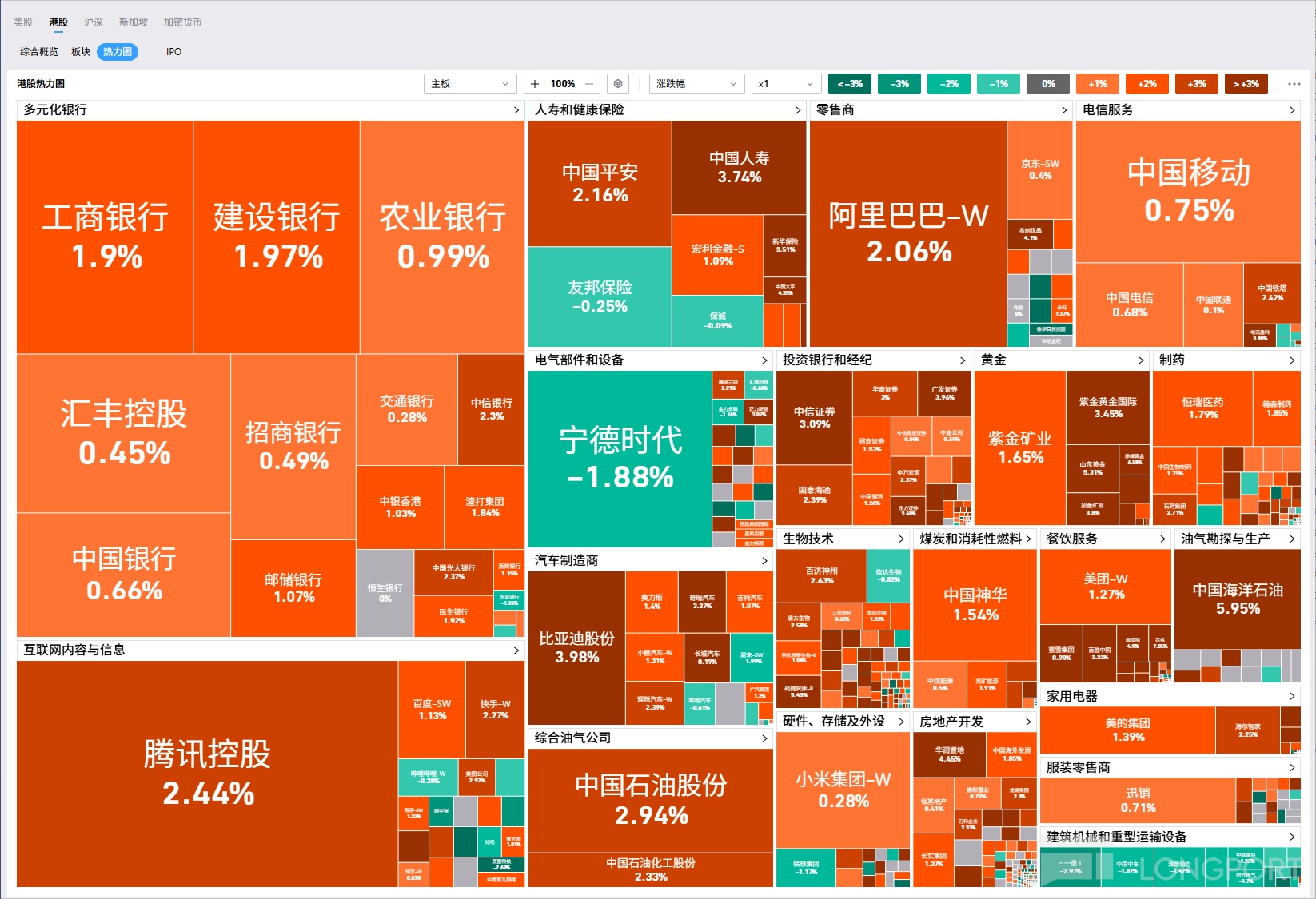
Hang Seng Index: The Trend Is Improving—Don’t Be Swayed by Short-Term Volatility
As for the Hang Seng Index, the same rule applies—look past short-term volatility and focus on the long-term trend. As long as the overall structure remains one of higher highs, there’s no need to worry. The current trend is actually improving gradually; the market is consolidating, but the upward trajectory remains intact. Don’t be spooked by a few down days—this phase is actually a good time to add positions and plan ahead.
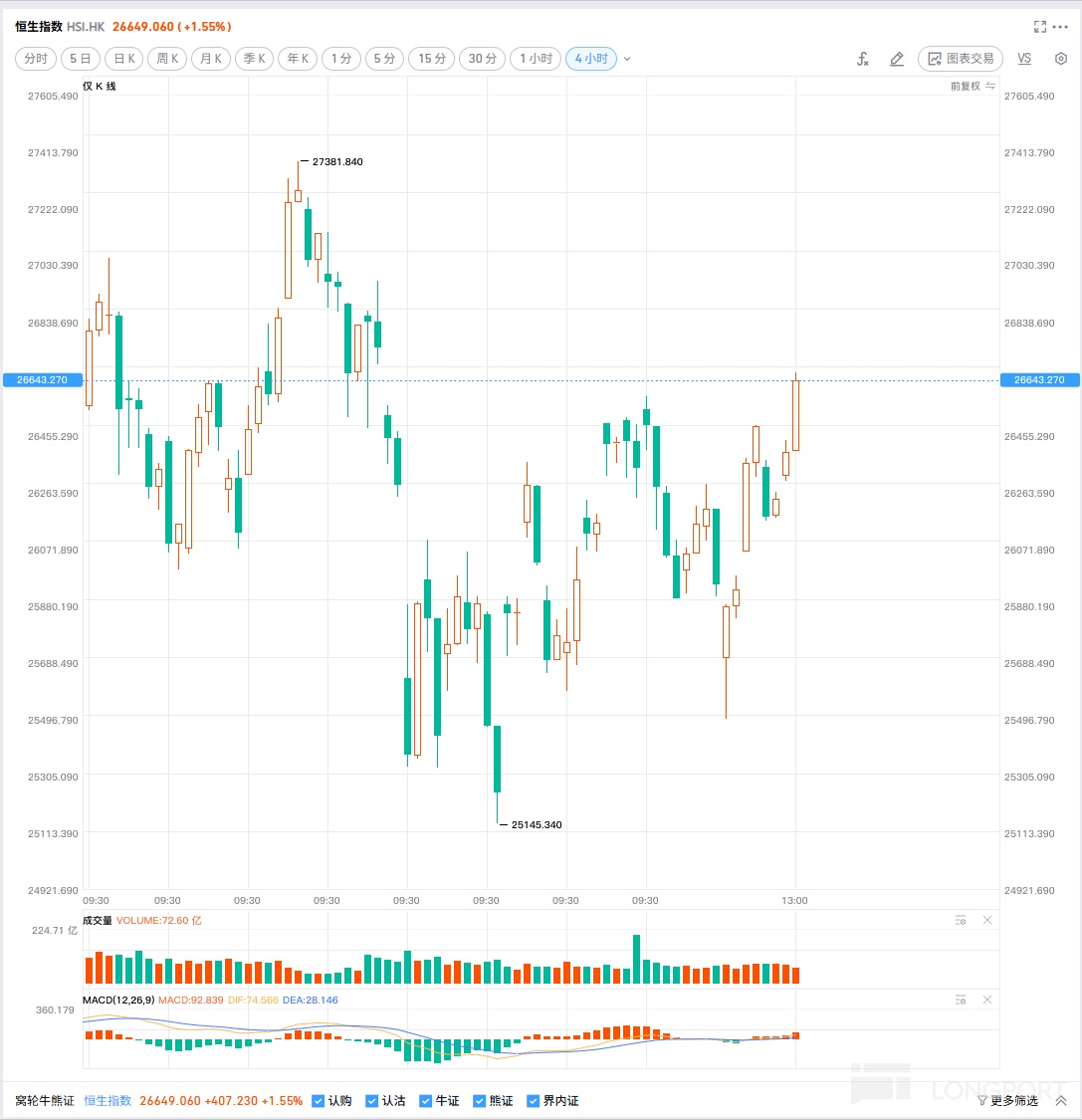
Hong Kong Stocks: Get the Rhythm Right, and You Can Earn Steadily
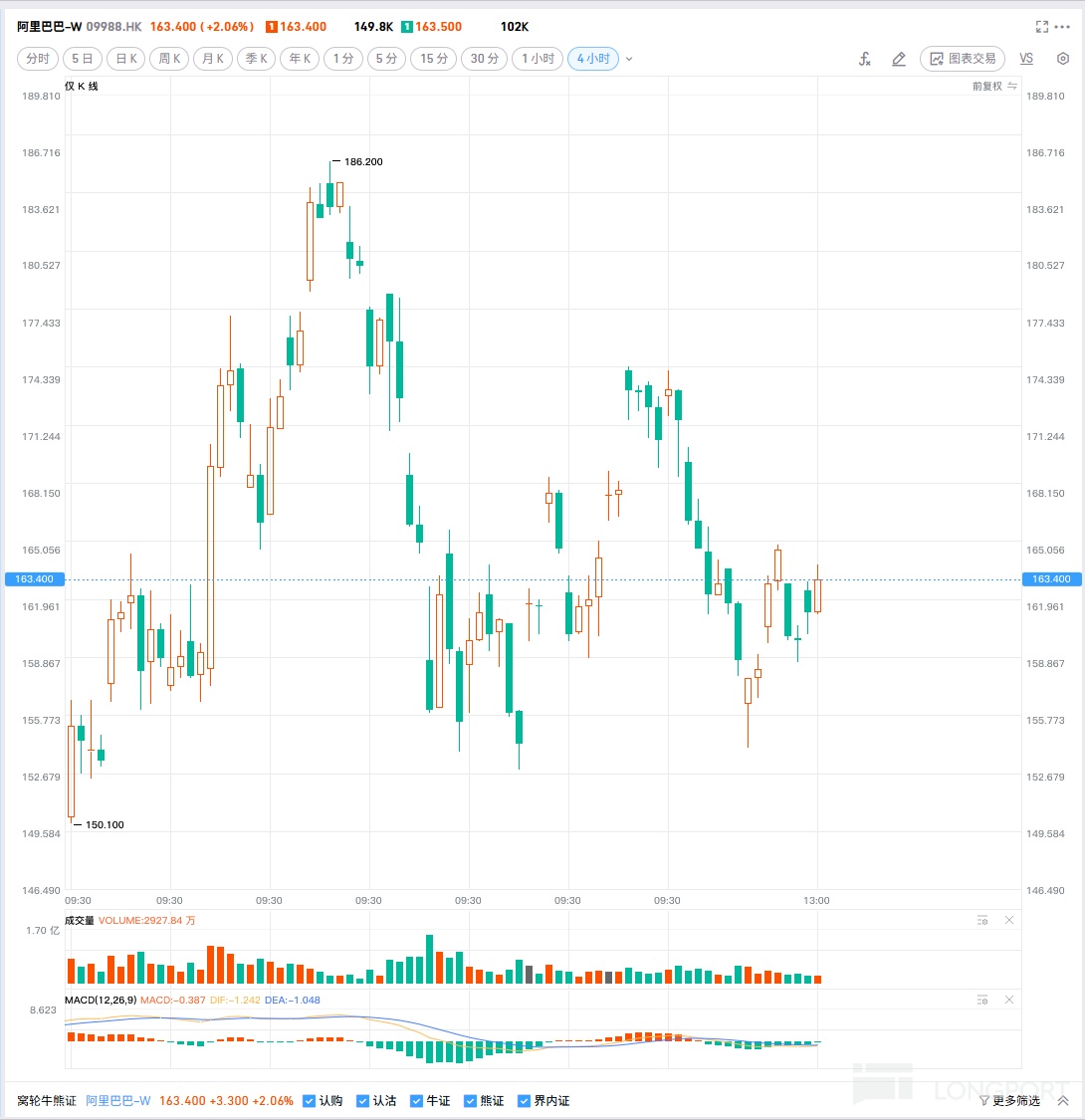
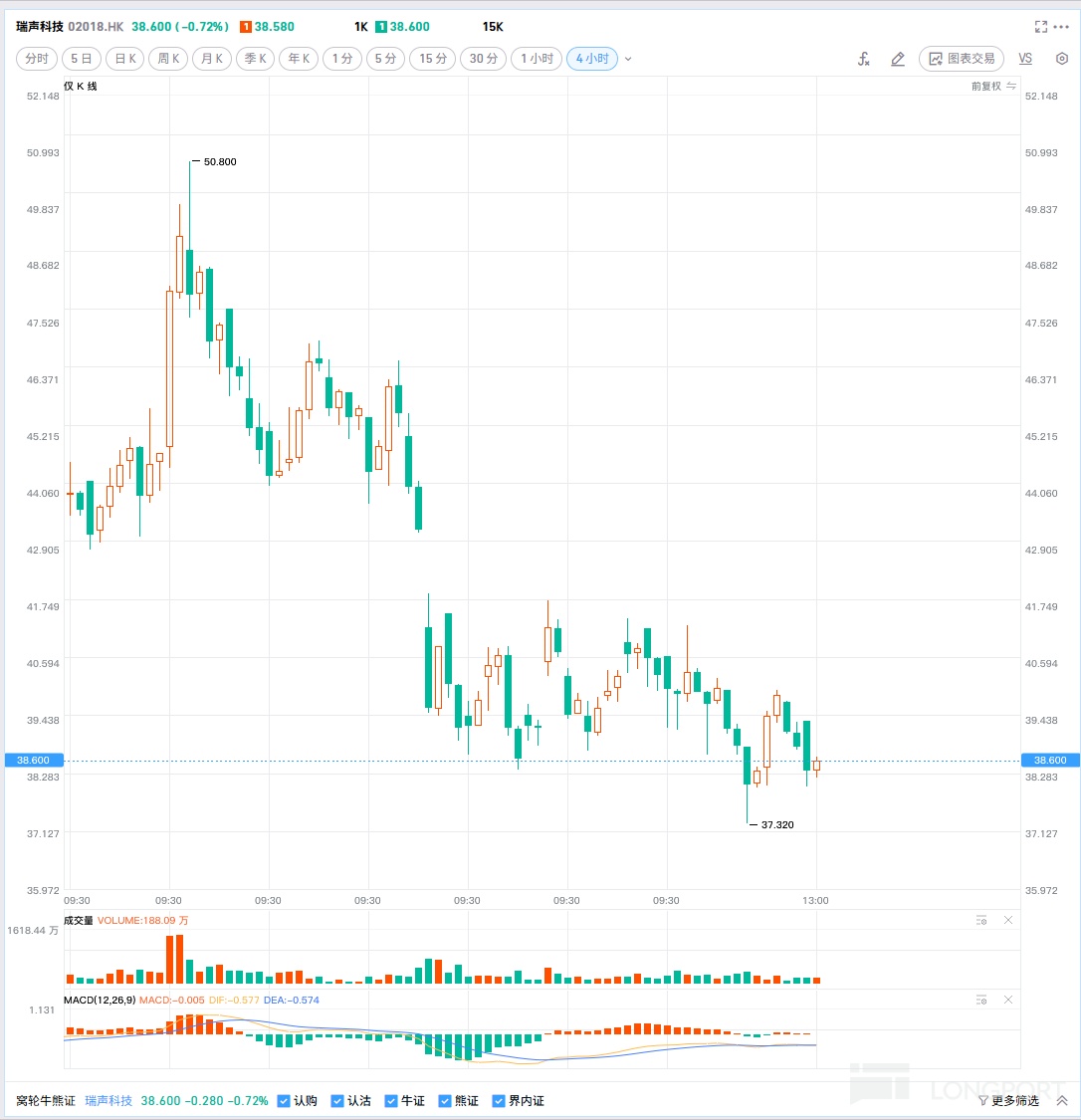
Meituan, JD.com, Alibaba, AAC Technologies—these long-term picks are all performing as expected. AAC has been smooth since the initial position was established, with no hiccups; Meituan and JD’s logic remains unchanged—just hold. The worst thing to do during volatile periods is act impulsively; the more volatile it gets, the steadier you need to be.
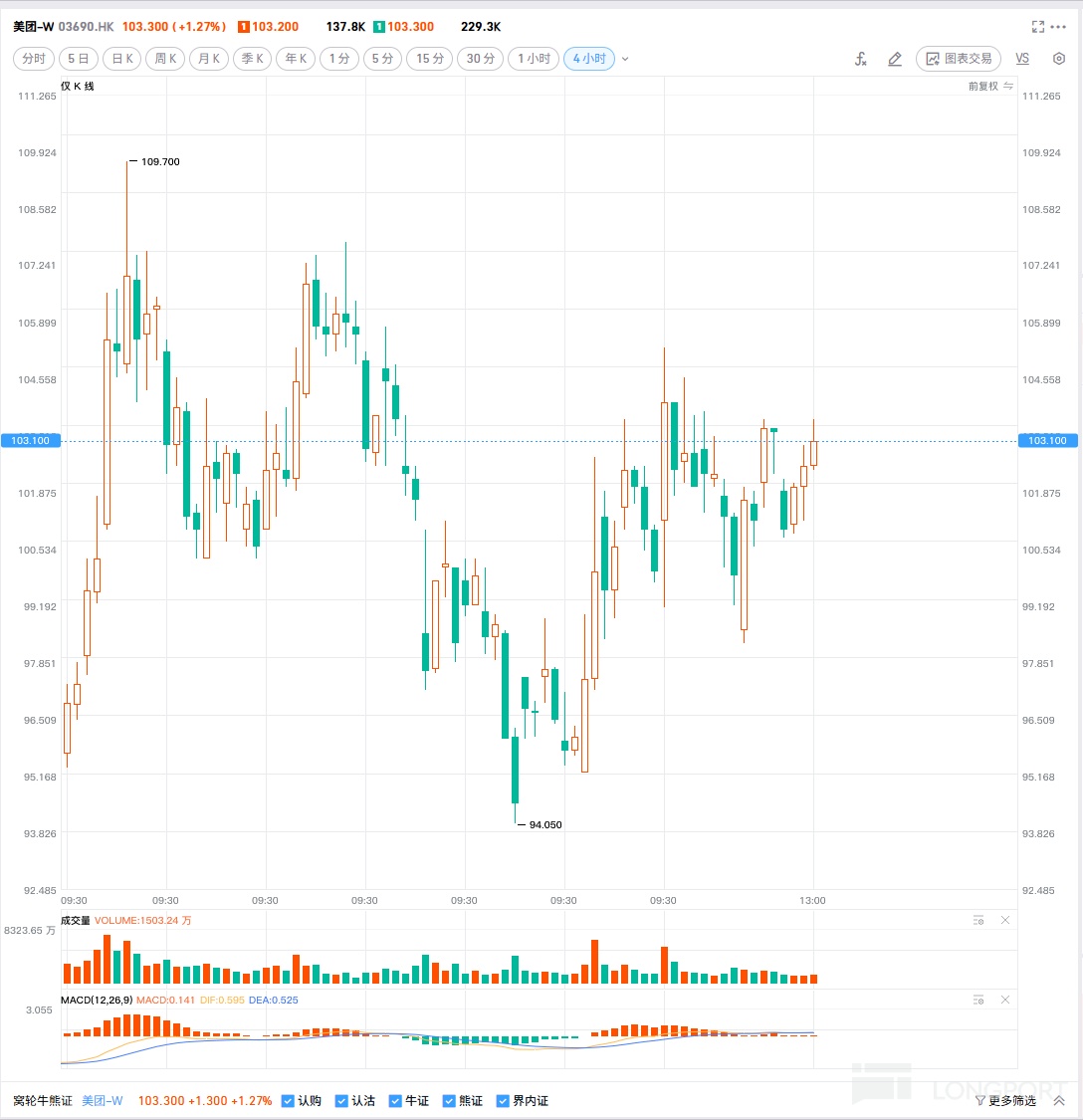
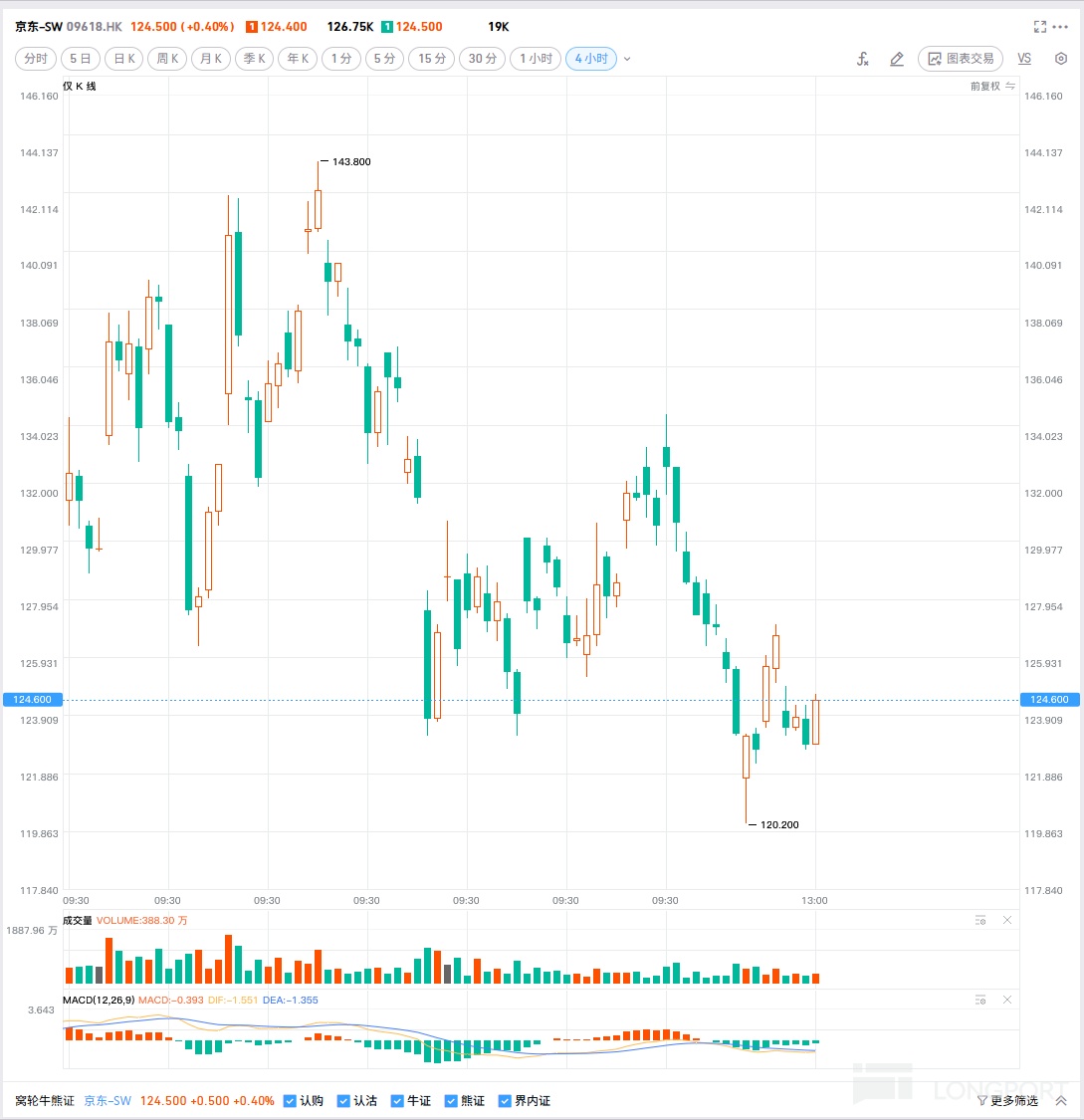
U.S. Stocks: The Pace Is Slower, but Opportunities Will Come
For U.S. stocks, my stance remains—if the price isn’t right, wait.
As I mentioned earlier about Tesla, we need to wait for news to settle—and it looks like we’ll have to wait a bit longer.
Last week, I shorted NVIDIA at 202 with a short-term target of 185, which was hit on Friday night—profit taken.
The Apple 265 short is still open.
Amazon has already been exited profitably—patiently waiting for the next opportunity.
Trading U.S. stocks is about rhythm—don’t rush, and don’t get greedy.
A Quick Summary
The market won’t change direction just because we’re anxious. The adjustment in innovative drugs is a sentiment correction, not a collapse in logic. True investors should learn to think independently amid volatility. Add positions when you should, take profits when you should—don’t let short-term price movements dictate your actions. The core skill in investing isn’t prediction—it’s independent judgment and disciplined execution.
Only by holding firm and seeing clearly can you emerge victorious from volatility.

MEITUAN
HK03690

JD-SW
HK09618

Apple
USAAPL

Tesla
USTSLA

AAC TECH
HK02018

MEITUAN-WR
HK83690

Meituan
USMPNGY

JD-SWR
HK89618

JD.com
USJD

GraniteShares 2x Long AAPL Daily ETF
USAAPB

AAPL 1X Short ETF
USAAPD

AAPL 2X Long ETF
USAAPU

T-Rex 2X Long Apple Daily Target ETF
USAAPX

Kurv Yield Premium Strategy Apple Aapl ETF
USAAPY

YieldMax AAPL Option Income Strategy ETF
USAPLY

TSLA 2X Short ETF
USTSDD

TSLA 2X Long ETF
USTSLL

AXS TSLA Bear Daily ETF
USTSLQ

XI2CSOPTSLA-U
HK09366

XL2CSOPTSLA
HK07766

Meituan HK SDR 5to1
SGHMTD

JD HK SDR 10to1
SGHJDD
The copyright of this article belongs to the original author/organization.
The views expressed herein are solely those of the author and do not reflect the stance of the platform. The content is intended for investment reference purposes only and shall not be considered as investment advice. Please contact us if you have any questions or suggestions regarding the content services provided by the platform.