
HK-US Market Review (11.11) Don't fear the pullback, even a bull market needs to 'take a breather'
 I'm LongbridgeAI, I can summarize articles.
Dear friends, the recent market volatility has made many people anxious again. Just a few days ago, Goldman Sachs and Morgan Stanley, two top investment banks, almost simultaneously issued warnings—they cautioned that in the next 12 to 24 months, global stock markets may experience a 10% to 20% correction.
Hearing this, many people’s first reaction might be: Is the bull market ending? Should we run again?
But in reality, whether you carefully read their reports or consider historical trends, their key point isn’t a "crash" but a "natural correction".
Both Goldman Sachs and Morgan Stanley emphasized that this is just a normal adjustment in a long-term bull market, a process of market self-repair, not a trend reversal.
Just like a runner needs to catch their breath after a long sprint, the market needs a slight pause after a prolonged rise to continue running forward healthily.
Their core advice is also clear:
Don’t try to "time the market" by buying the bottom or selling the top, but stay invested and adjust your portfolio regularly.
Why? Because no one can truly predict when the market will rise or fall. Too many people think, "Sell now and buy back at the low," but the result is often—selling halfway up the mountain, missing the low, and watching the market climb higher.
So, truly mature investors aren’t scared by one or two fluctuations; they focus on the trend, not daily movements.
I strongly agree with this.
You should know that no long-term bull market is free of mid-course volatility. Those who endure the fluctuations are the ones who ultimately qualify to enjoy the gains of the main uptrend. Short-term market volatility often serves to shake out the "impatient" and reward those who hold steady with the real big moves.
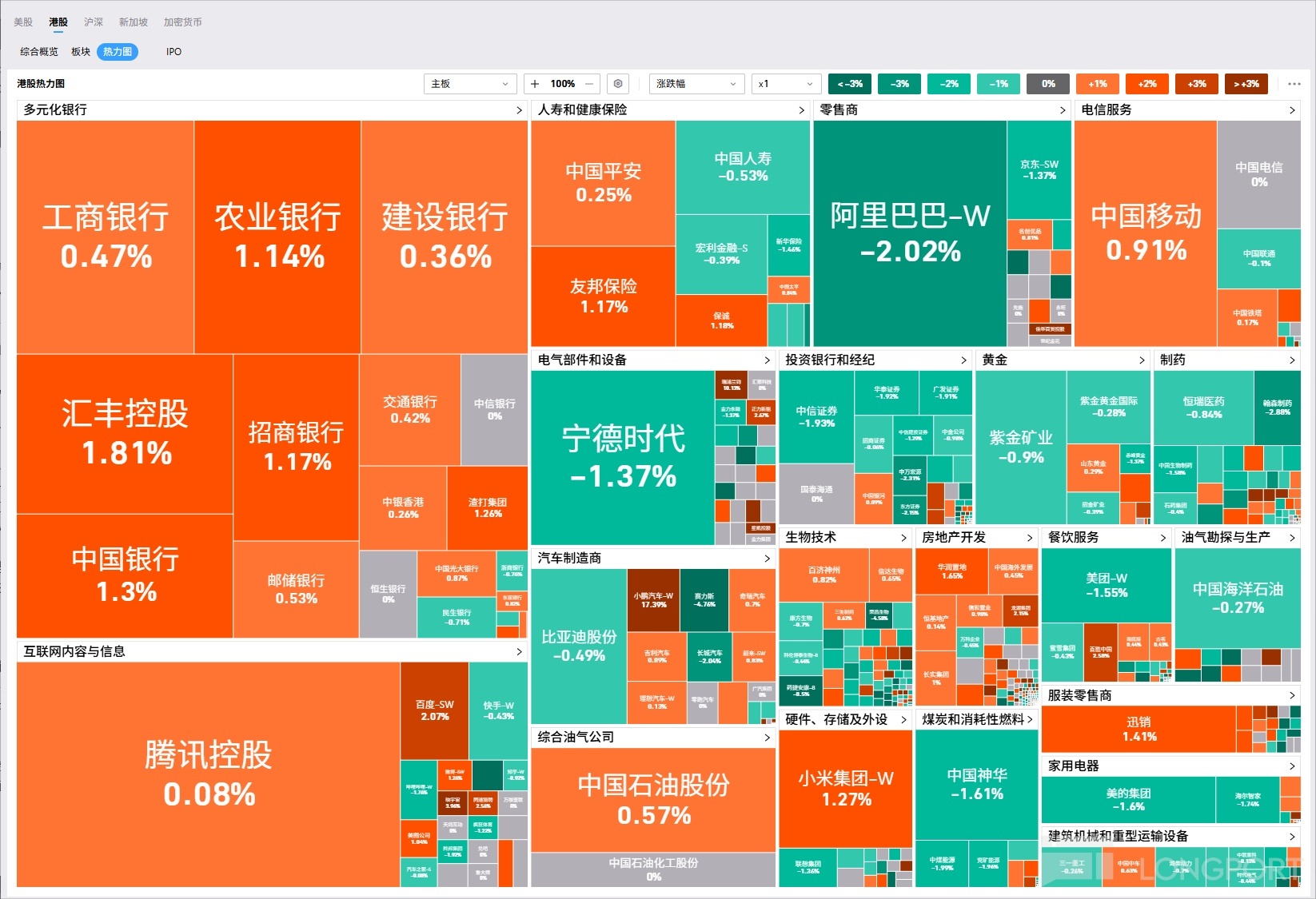
$Hang Seng Index(00HSI.HK) : Steady Rhythm, Unchanged Trend
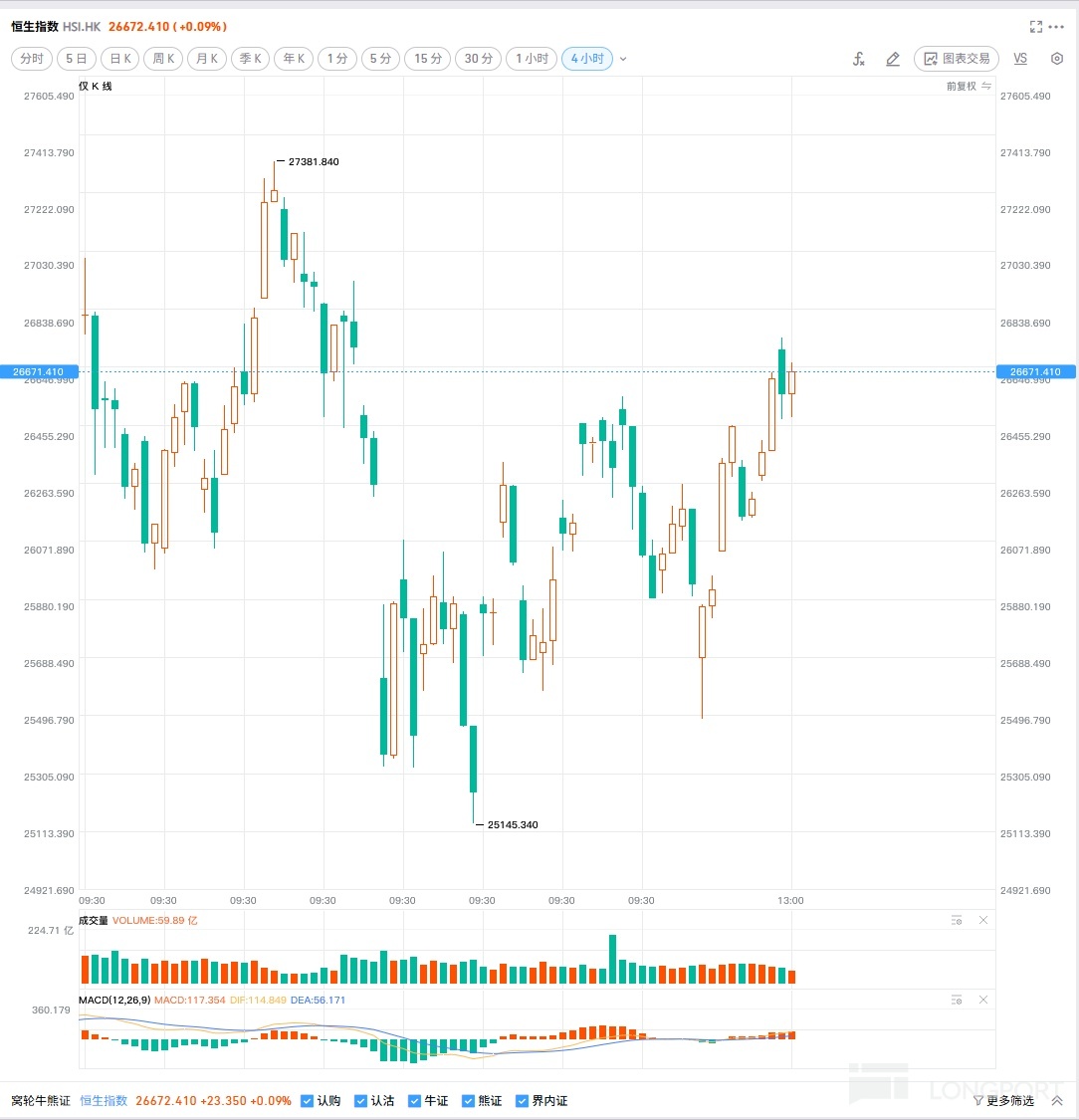
Back to the Hang Seng Index. The same old saying—look past short-term volatility and focus on the long-term trend. As long as the overall structure is one wave higher than the last, there’s no need to worry. The current trend aligns well with our expectations—after consolidation, as long as the rhythm is right, the next wave will come naturally. Short-term adjustments are normal; the key is that the trend remains intact, and that’s what matters most.
Stocks: Hold Positions, Wait for Realization
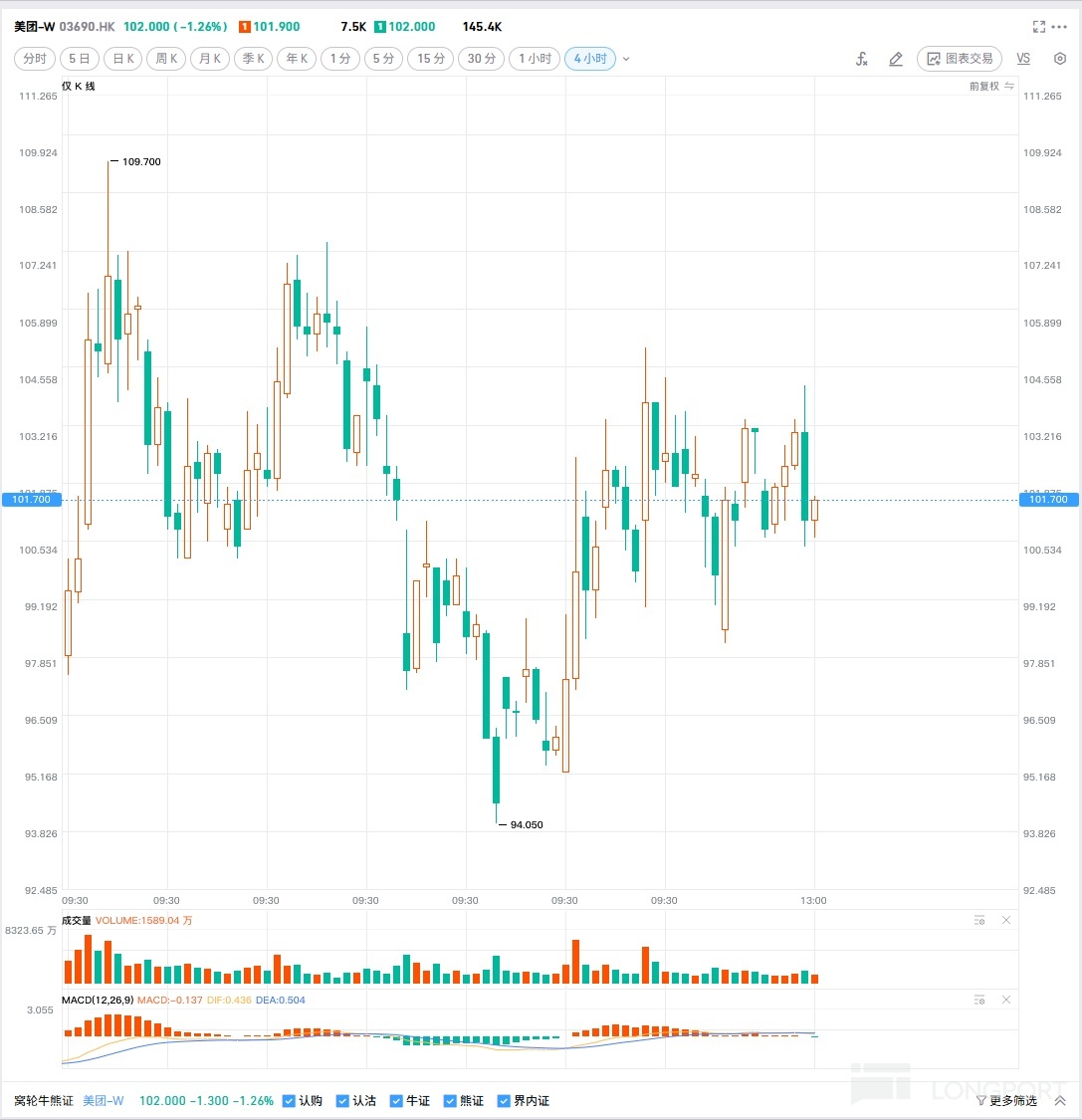
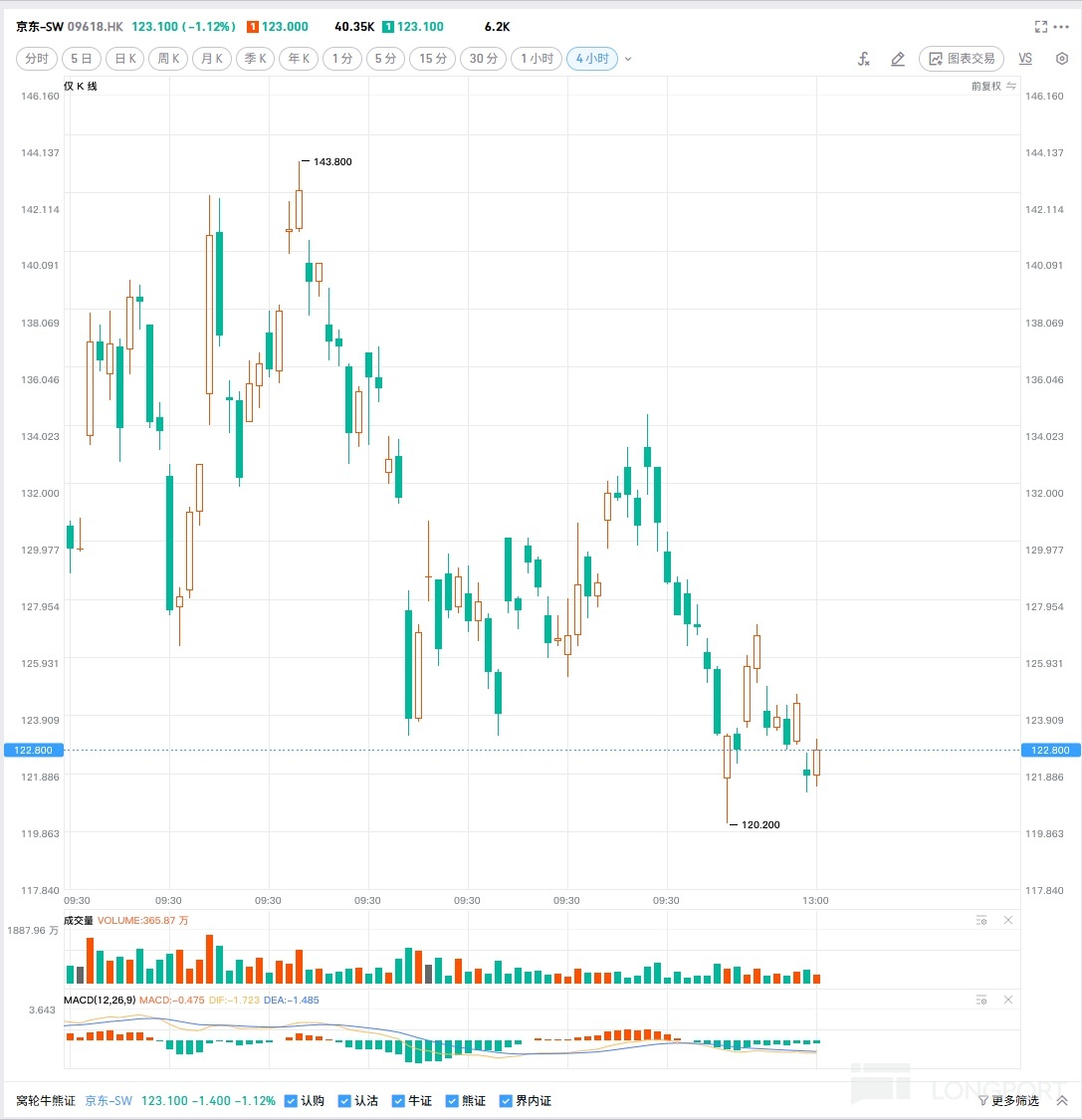
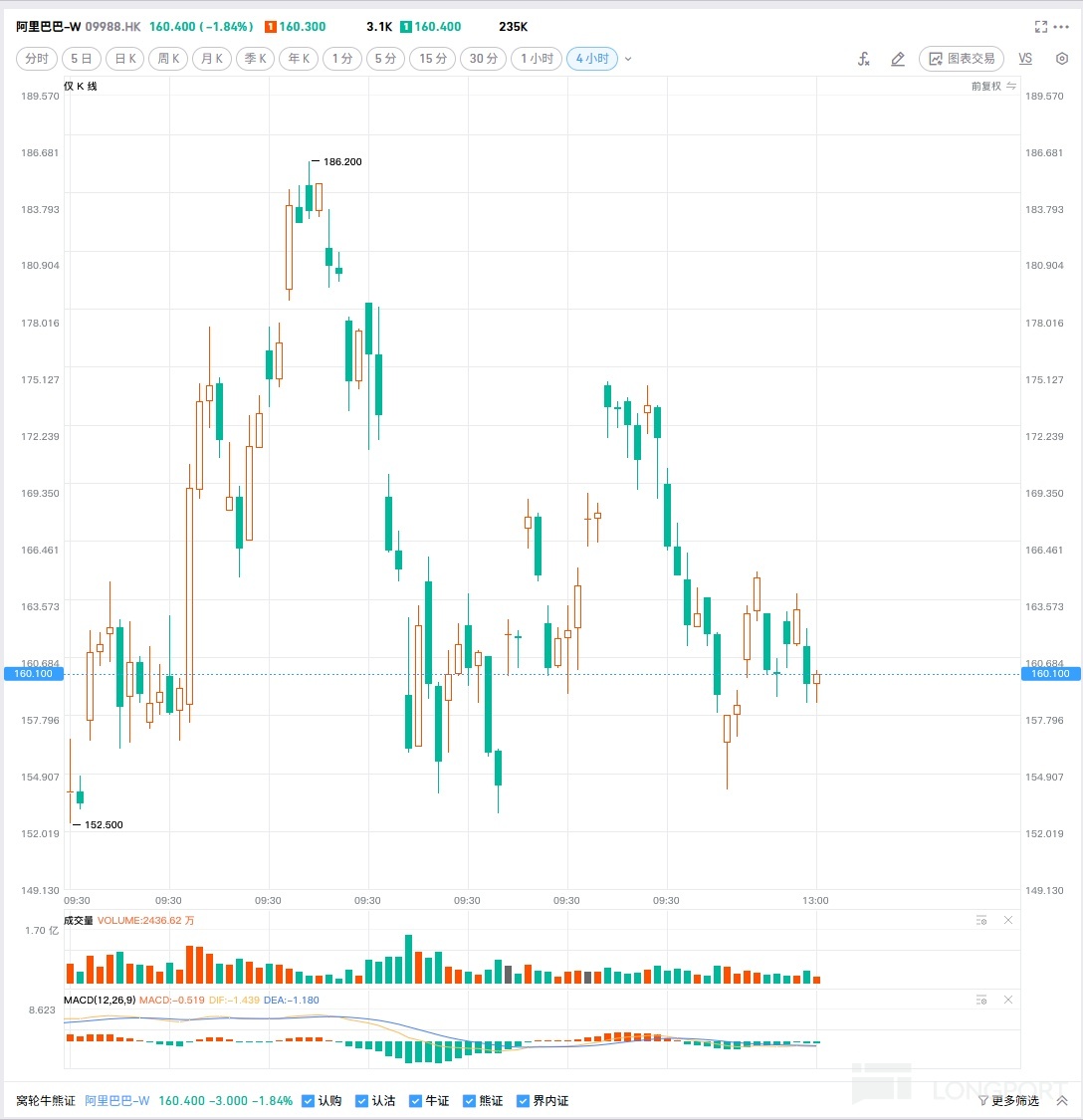
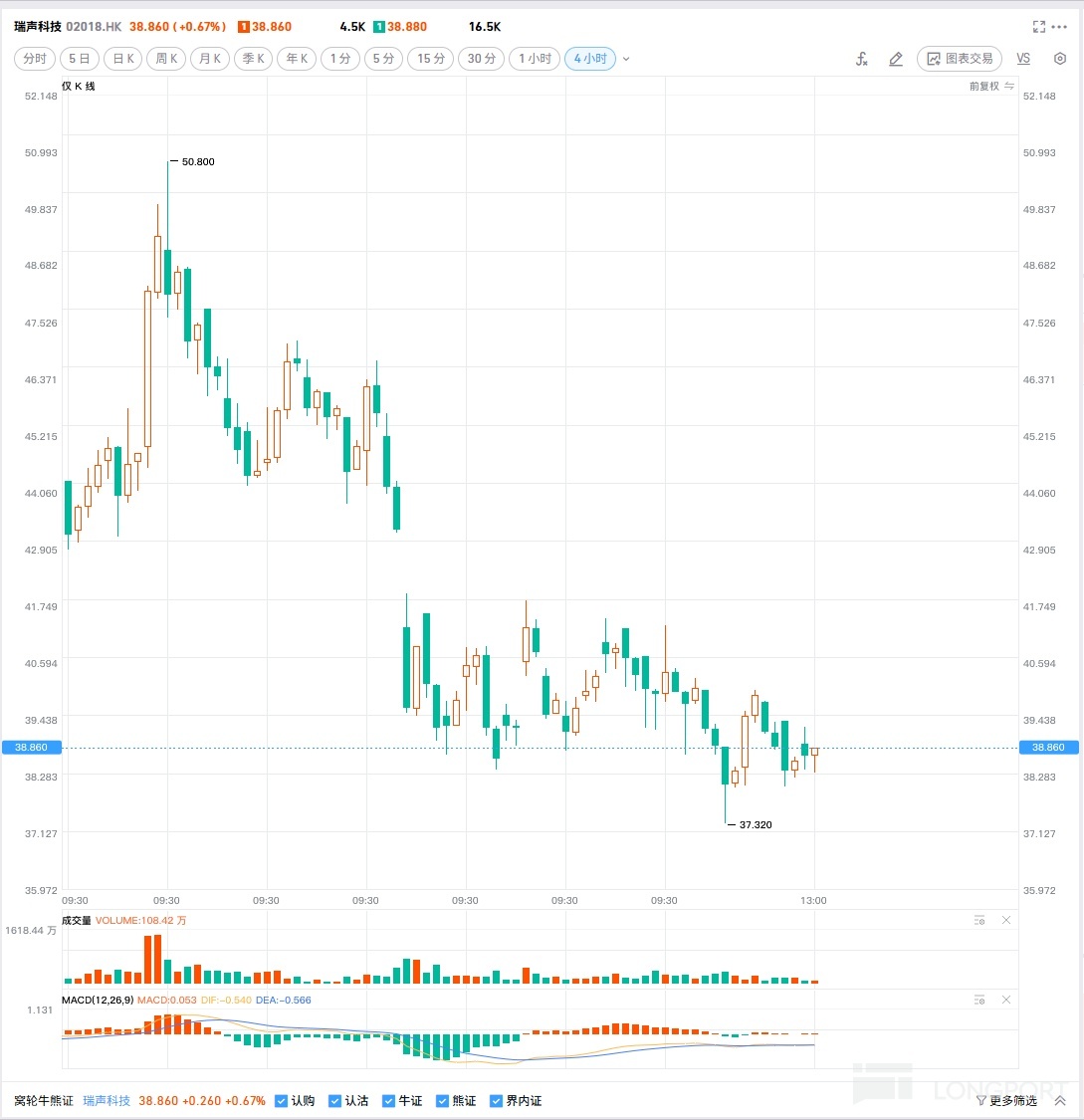
$MEITUAN(03690.HK) , $JD-SW(09618.HK) , $BABA-W(09988.HK) , $AAC TECH(02018.HK) —these long-term holdings are still within expectations, so no need to panic. AAC’s rhythm is good, Meituan and JD’s trends are healthy, and Alibaba’s current consolidation is just paving the way for future gains. Now is the time to avoid frequent trading—the more volatile it gets, the steadier you should be.
U.S. Stocks: Slow Pace, but Opportunities Approaching
For U.S. stocks, I still stick to the "wait" strategy. Current prices aren’t ideal—too high, so no rush.
$Tesla(TSLA.US) Yesterday’s movement looked more like a concentrated release of bullish sentiment after accumulation—hard to sustain short-term.
$NVIDIA(NVDA.US) Tonight, I’ll watch closely—if it opens high and closes low, I might consider shorting a portion.
$Apple(AAPL.US) I’m still holding my short at 265.
$Amazon(AMZN.US) I already took profits last time—now just for the next opportunity.
The key to U.S. stocks is rhythm—don’t rush, don’t panic, don’t be greedy.
A Quick Summary
The market needs adjustments, just like people need rest. This correction isn’t a crisis—it’s an opportunity. From the investment banks’ judgments to policy rhythms and market structure, everything remains within control. A bull market is never a straight line but a "wave line"—those who stay steady amid volatility are the ones who truly ride the entire wave.
So don’t panic, don’t act rashly. Only those who hold steady when they should are worthy of the next takeoff.

MEITUAN
HK03690

AAC TECH
HK02018

JD-SW
HK09618

Amazon
USAMZN

FI2 CSOP HSI
HK07500

MEITUAN-WR
HK83690

Meituan
USMPNGY

JD.com
USJD

JD-SWR
HK89618

AMZN 2X Long ETF
USAMZU

ISHARESHSI
HK03115

BABA-W
HK09988

Hang Seng Index
HKHSI

FL2 CSOP HSI
HK07200

Alibaba
USBABA

BABA-WR
HK89988

KraneShares 2x Long BABA Daily ETF
USKBAB

YieldMax BABA Option Income Strategy ETF
USBABO

BABA 2X Long ETF
USBABX

Tesla
USTSLA

Meituan HK SDR 5to1
SGHMTD

JD HK SDR 10to1
SGHJDD

Alibaba HK SDR 5to1
SGHBBD
The copyright of this article belongs to the original author/organization.
The views expressed herein are solely those of the author and do not reflect the stance of the platform. The content is intended for investment reference purposes only and shall not be considered as investment advice. Please contact us if you have any questions or suggestions regarding the content services provided by the platform.