
Physical Gold vs ETF: Liquidity and Costs for Singapore Investors
Compare physical gold and gold ETFs for Singapore investors. Learn aboutliquidity advantages, cost structures, storage requirements, and which option suitsyour investment strategy.
TL;DR: For Singapore investors, gold ETFs typically offer superior liquidity and lower overall costs compared to physical gold. ETFs can be traded instantly during market hours with minimal premiums and no storage requirements, while physical gold involves purchasing costs, storage expenses, and potentially lower buyback rates when selling.
Gold has long been considered a safe-haven asset for investors seeking portfolio diversification and protection against inflation. As a Singapore investor, you have two primary options: purchasing physical gold or trading gold ETFs. Each method comes with distinct advantages and trade-offs, particularly regarding liquidity and costs.
This guide examines the differences between physical gold and gold ETFs for Singapore investors, helping you determine which option aligns best with your objectives.
Understanding Physical Gold Investment
Physical gold refers to tangible gold assets you can hold, typically in the form of bars or coins. In Singapore, investors can purchase investment-grade gold from authorized dealers, banks, and specialized retailers.
When you buy physical gold, you gain complete ownership and control. Singapore offers a favourable environment for physical gold investment, as investment-grade gold has been exempt from Goods and Services Tax (GST) since October 2012.
Popular products include gold bars ranging from one gram to one kilogram, and internationally recognized coins such as the Australian Kangaroo, Canadian Maple Leaf, and South African Krugerrand.
Physical gold ownership requires secure storage. Investors typically choose between home storage using a personal safe, bank safe deposit boxes, or professional vault services. Each option carries associated costs.
Understanding Gold ETF Investment
A gold ETF (Exchange-Traded Fund) is an investment fund that tracks the price of gold and trades on stock exchanges like regular shares. Rather than owning physical gold directly, you own shares in a fund that holds gold assets or derivatives.
Gold ETFs provide exposure to gold prices without the complications of physical ownership. Singapore investors can access various gold ETFs trading on the Singapore Exchange (SGX), including both Singapore Dollar (SGD) and United States Dollar (USD) denominated options.
These funds are backed by physical gold holdings stored in secure vaults, typically maintaining 99.5 per cent purity standards. The fund manager handles all storage, insurance, and custody responsibilities.
Gold ETFs can be purchased through any Singapore brokerage account. Longbridge provides access to ETFs in United States markets, enabling Singapore investors to diversify their portfolios with various investment products.
Liquidity Comparison: Physical Gold vs Gold ETF
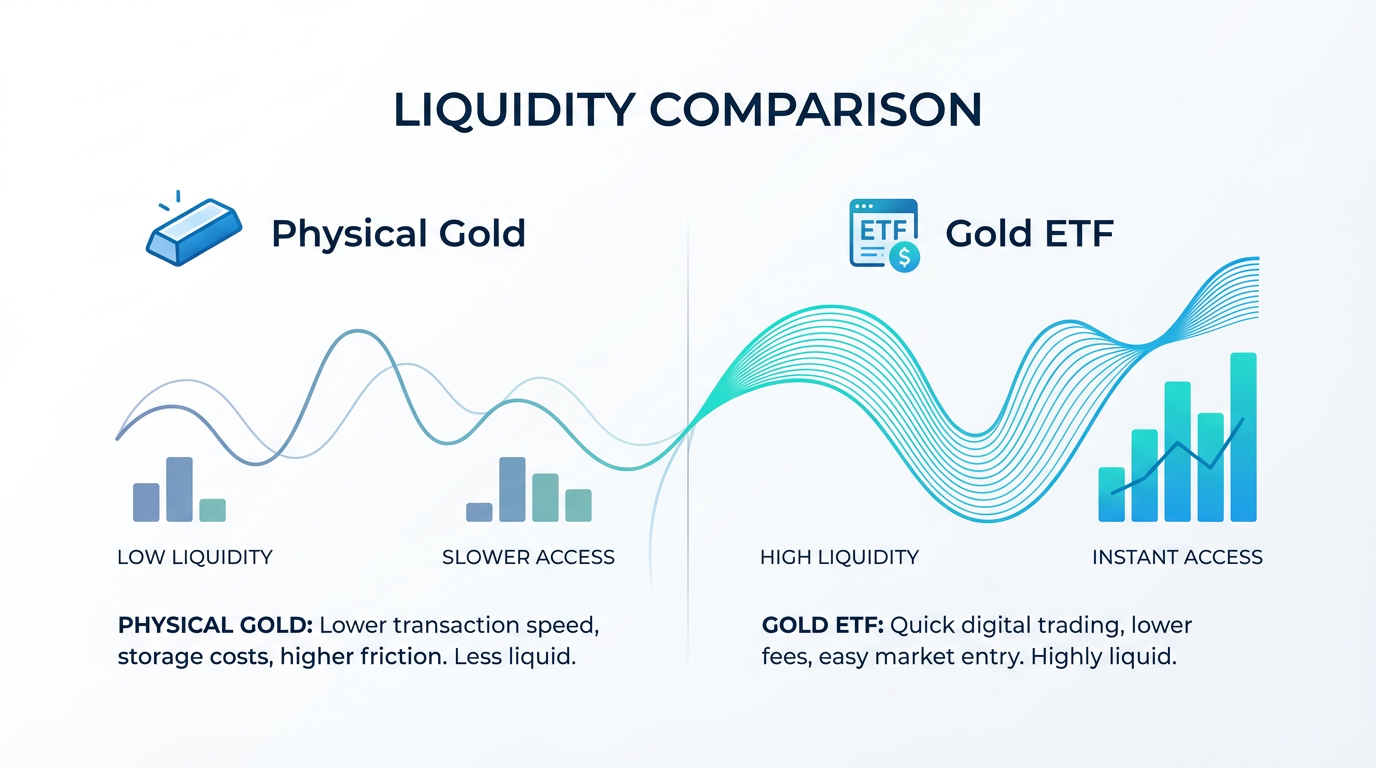
Liquidity refers to how quickly and easily you can convert your investment into cash without significantly affecting its price. This factor proves crucial for investors who may need to access their capital quickly.
Gold ETF Liquidity Advantages
Gold ETFs offer superior liquidity characteristics. You can buy or sell ETF shares instantly during market trading hours through your brokerage platform. Transactions settle within two business days, and execution occurs at prices closely aligned with the current gold spot price.
The bid-ask spreads on major gold ETFs remain relatively tight. This efficiency allows you to enter or exit positions without substantial transaction costs.
Physical Gold Liquidity Limitations
Physical gold presents more complex liquidity challenges. When you need to sell, you must locate a buyer, which typically means visiting gold dealers or jewellers. This process requires time and effort that ETF trading does not demand.
Selling physical gold often involves authentication and purity verification processes. Dealers may need to test your gold to confirm its authenticity, adding time to the transaction. The buyback prices offered typically include a margin below the current spot gold price, reducing the value you receive.
During market stress, finding willing buyers for physical gold at fair prices can become more challenging.
Cost Analysis: Breaking Down the Expenses
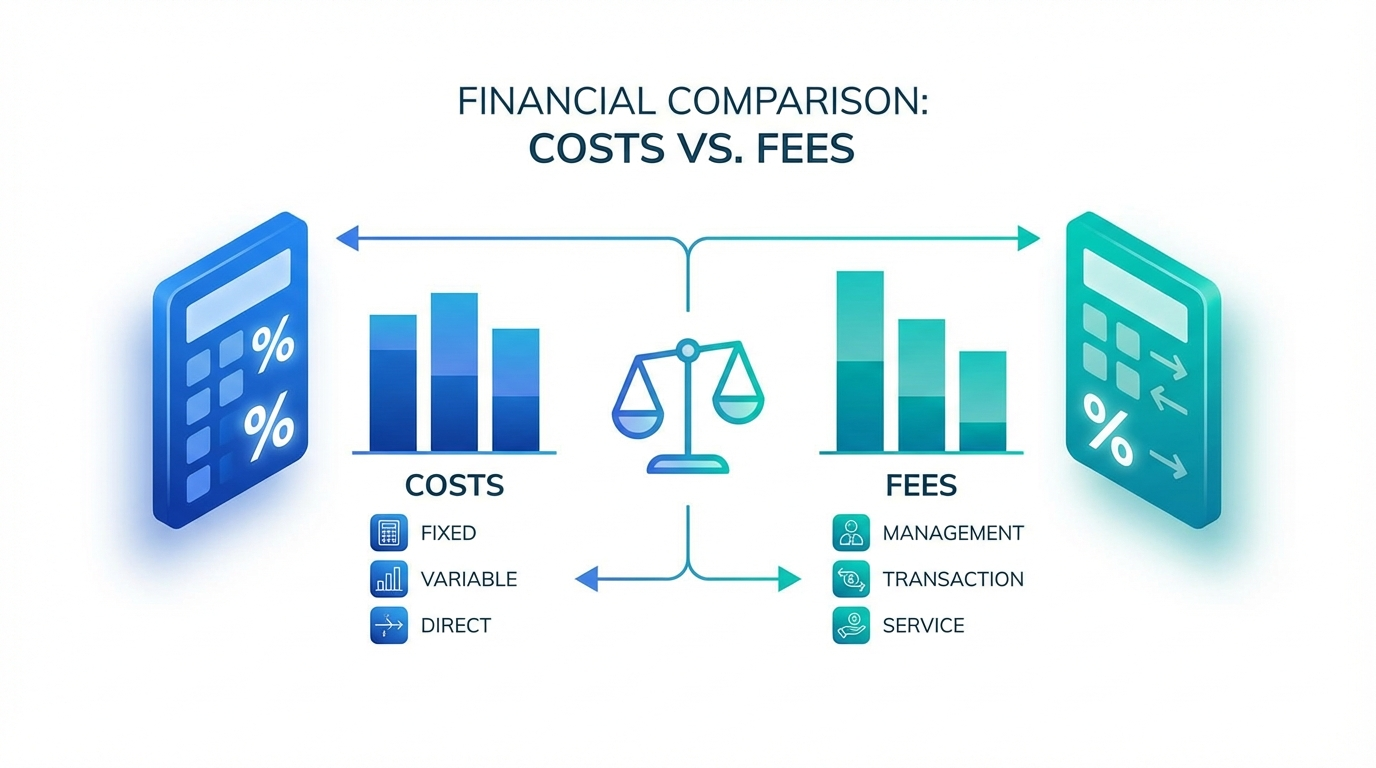
Understanding the complete cost structure proves essential for making an informed decision. Costs directly impact your net returns, and seemingly small differences can compound significantly over time.
Physical Gold Costs
Physical gold investment involves multiple cost layers:
Purchase Premium: The initial purchase typically includes a premium above the spot gold price, compensating dealers for acquisition, authentication, and distribution costs. This premium typically ranges from two per cent to ten per cent above spot price.
Storage: Bank safe deposit boxes in Singapore typically cost between SGD 100 to SGD 500 annually. Professional vault storage services may charge around 0.5 per cent to 1.0 per cent of gold value per year.
Insurance: Home-stored gold requires specific insurance coverage that adds to ongoing costs.
Selling Spread: When selling physical gold, dealers purchase below spot price. This spread can range from two per cent to five per cent, immediately reducing your proceeds.
Gold ETF Costs
Gold ETF costs follow a simpler, more transparent structure. The primary ongoing expense is the management fee or expense ratio, charged annually as a percentage of your investment value. Major gold ETFs typically charge between 0.25 per cent and 0.40 per cent per annum.
When trading gold ETFs through Singapore brokerages, you pay standard brokerage commissions. You can review transparent pricing structures to understand potential trading costs before investing.
Tax Considerations for Singapore Investors
Singapore does not impose capital gains tax, meaning any profits from selling gold (either physical or ETFs) remain tax-free for individual investors. This advantage applies equally to both investment methods.
Ownership and Counterparty Risk Differences
Physical Gold Ownership
Physical gold provides direct ownership with zero counterparty risk. When you hold gold bars or coins, your investment does not depend on any financial institution remaining solvent. This independence from the financial system appeals to investors concerned about systemic risks.
During extreme economic scenarios, physical gold retains inherent value that is not dependent on electronic systems, banking infrastructure, or market functionality.
Gold ETF Ownership
Gold ETF ownership introduces counterparty risk, meaning your investment depends on multiple parties fulfilling their obligations. You rely on the fund issuer maintaining operations and the custodian securely storing the underlying gold.
While this counterparty exposure concerns some investors, major gold ETFs employ reputable custodians, maintain insurance coverage, and operate under regulatory oversight that mitigates these risks substantially.
Portfolio Flexibility and Investment Minimums
Physical Gold Minimums
Physical gold typically requires larger minimum purchases, particularly for bars. While you can purchase one-gram gold bars, the premiums on very small units become proportionally higher. Most investors find better value purchasing larger quantities, which increases the capital required.
Adjusting your portfolio allocation becomes challenging with physical gold. If you want to reduce your gold exposure by a specific percentage, you must sell discrete units (entire bars or coins), limiting precision.
Gold ETF Flexibility
Gold ETFs offer much lower effective minimums and greater flexibility. Many ETFs trade at accessible share prices, allowing you to invest smaller amounts. Some platforms even enable fractional share purchases.
This flexibility extends to portfolio management and market data tracking. You can easily adjust your gold exposure by buying or selling the exact number of shares needed to reach your target allocation.
Making the Right Choice for Your Situation
Physical Gold: Key Characteristics
Physical gold may be preferable if you prioritize tangible ownership and want assets completely outside the financial system. If you plan to hold gold for very long periods without trading and have secure storage arrangements, physical holdings may suit your needs.
Gold ETFs: Key Characteristics
Gold ETFs may be a practical choice for investors who prefer tradability and ease of portfolio management. The combination of superior liquidity, transparent costs, easy management, and elimination of storage concerns makes ETFs the more practical choice.
Investors who adjust their gold allocation frequently may find ETFs provide greater flexibility. Similarly, investors with smaller capital amounts find ETFs more accessible and cost-effective.
Frequently Asked Questions
Can I use Central Provident Fund (CPF) money to invest in gold ETFs?
The SPDR Gold Shares ETF trading on SGX is the only gold ETF where Central Provident Fund Investment Scheme (CPFIS) funds can be used for investing. This option allows Singaporeans to use their CPF Ordinary Account savings for gold exposure while maintaining the tax advantages of CPF investments.
Which is more suitable for long-term investment: physical gold or gold ETFs?
Both can serve long-term investment objectives, but gold ETFs typically prove more practical for most investors due to lower overall costs, no storage requirements, and easier portfolio management. Physical gold may appeal to very long-term holders who prioritize complete ownership independence from the financial system and have secure storage solutions.
How quickly can I sell physical gold compared to gold ETFs in Singapore?
Gold ETFs can be sold instantly during market trading hours through your brokerage platform, with settlement typically within two business days. Physical gold requires finding a buyer (usually a dealer), potentially arranging purity verification, and negotiating a price, which can take several days or even weeks.
Are there any restrictions on buying physical gold in Singapore?
Singapore imposes no significant restrictions on purchasing investment-grade gold for individuals. The removal of GST on investment-grade gold since 2012 has made Singapore an attractive location for gold investment. However, ensure you work with reputable dealers to guarantee authenticity and fair pricing.
Do gold ETFs actually hold physical gold or just derivatives?
Major gold ETFs typically hold physical gold bullion in secure vaults. Most large gold ETFs maintain holdings of physical gold bars that meet industry purity standards (typically 99.5 per cent pure) stored with reputable custodians. However, some gold-related ETFs may use derivatives, so investors should review the specific fund's prospectus.
When comparing physical gold and gold ETFs for Singapore investors through the lens of liquidity and costs, gold ETFs generally provide higher liquidity and may have lower costs than physical gold. ETFs provide instant liquidity during market hours, transparent and generally lower ongoing costs, and freedom from storage and security concerns that physical gold demands.
Conclusion
Physical gold retains relevance for investors who prioritize tangible ownership or view gold primarily as crisis insurance rather than a portfolio investment. However, these benefits come with trade-offs including higher transaction costs, storage requirements, and reduced flexibility.
For Singapore investors building diversified portfolios with gold as one component, gold ETFs typically represent the more practical and cost-effective approach. The combination of accessibility, competitive costs, and seamless integration with other investment holdings makes ETFs well-suited to modern portfolio management strategies.
The choice of financial instruments depends on your investment objectives, risk tolerance, market outlook, and experience level. Regardless of the method selected, it is essential to fully understand its mechanics, risk characteristics, and execution rules, while maintaining a robust risk management plan. You can learn more about investment strategies through the Longbridge Academy or by downloading the Longbridge App.