How to Buy US Stocks in Singapore: A Complete Guide
Singapore residents can access the US stock market through MAS-licensed brokerages. Learn the step-by-step process from account opening to placing your first trade.
TL;DR: Singapore residents can buy US stocks through Monetary Authority of Singapore (MAS) licensed brokerages by opening an account, completing the W-8BEN tax form, funding their account, and placing trades. While there is no capital gains tax, a 30% withholding tax applies to dividends.
The US stock market is much larger and more liquid than the Singaporean market. It offers a far broader range of listed companies and more active trading. For Singapore investors seeking exposure to global companies, learning how to buy US stocks in Singapore opens doors to portfolio diversification and comprehensive market access. This guide walks you through each step of the process, from choosing a brokerage to understanding tax implications.
Why Singapore Investors Are Looking at the US Market
The US equity market hosts some of the most recognised companies globally. Technology giants, healthcare innovators, and consumer brands that shape everyday life trade on exchanges like the New York Stock Exchange (NYSE) and Nasdaq. While the Singapore Exchange (SGX) offers solid opportunities in regional companies, the US market provides exposure to sectors underrepresented locally.
Portfolio Diversification Benefits
Investing across multiple markets reduces concentration risk. When Singapore equities face regional headwinds, US holdings may perform differently. This geographic spread helps build a more balanced investment portfolio. Additionally, the US market operates on different economic cycles, potentially offering stability when local markets experience volatility.
Access to Growth Sectors
The US market features dominant positions in technology, biotechnology, and innovative industries. Many of these sectors have limited representation on the SGX, making US stocks a practical avenue for investors seeking exposure to these growth areas.
How to Buy US Stocks in Singapore: Step-by-Step
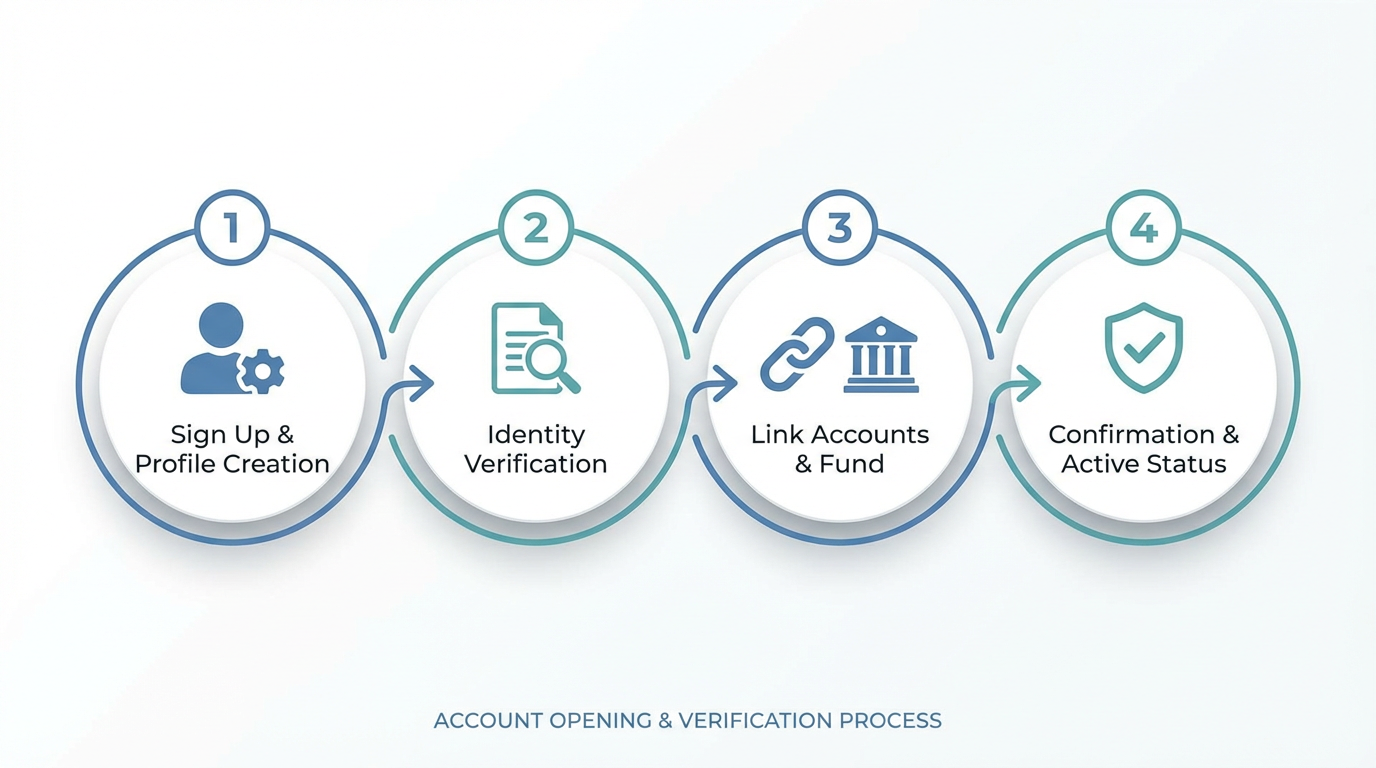
Buying US stocks from Singapore involves a straightforward process. Here is what you need to do to get started.
Step 1: Choose an MAS-Licensed Brokerage
Select a brokerage that is regulated by the Monetary Authority of Singapore (MAS) and provides access to US markets. Key factors to consider include trading fees, platform usability, and available investment tools. Longbridge, for instance, is an MAS-licensed brokerage offering access to US stocks and Exchange-Traded Funds (ETFs) alongside Singapore and Hong Kong markets.
Step 2: Open Your Trading Account
Account opening has become increasingly streamlined. Many brokerages support digital verification through MyInfo or SingPass, allowing Singapore residents to complete the process within minutes. You will typically need to provide:
National Registration Identity Card (NRIC) or passport
Proof of residential address
Bank account details for fund transfers
Step 3: Complete the W-8BEN Form
The W-8BEN form is essential for non-US investors. This Internal Revenue Service (IRS) document declares that you are not a US person for tax purposes. Most brokerages integrate this form into their account opening process. The form typically needs renewal every three years, so keep track of expiry dates to maintain uninterrupted trading access.
Step 4: Fund Your Account
Transfer US Dollars or Singapore Dollars (SGD) to your brokerage account. Your broker will handle currency conversion to US Dollars (USD) when you make purchases. Some platforms support PayNow and FAST transfers for convenient funding. Review the currency conversion rates offered, as these can impact your overall costs.
Step 5: Place Your Trade
Once your account is funded, use the trading platform to search for US stocks by their ticker symbols. Review market data, set your order type, and execute your trade. Unlike SGX stocks that trade in lots of 100 shares, US stocks can be purchased in single shares, making them accessible to investors starting with smaller amounts.
Understanding US Stock Trading Hours
The US stock market operates on Eastern Time (ET), which translates to late evening and early morning hours in Singapore.
Regular Trading Hours:
US Time: 9:30 AM to 4:00 PM ET
Singapore Time (Standard Time): 9:30 PM to 4:00 AM SGT
Singapore Time (Daylight Saving Time): 10:30 PM to 5:00 AM SGT
Some brokerages offer extended hours trading, allowing you to place orders before the market opens or after it closes. This can be useful for reacting to earnings announcements or news that breaks outside regular hours.
Tip: Limit orders allow you to specify your desired entry price without needing to monitor the market during US trading hours.

Tax Considerations for Singapore Investors
Understanding the tax landscape is important when investing in US stocks. Here is what Singapore investors need to know about taxes on US stock investments.
Capital Gains Tax
Singapore does not impose capital gains tax on investment profits. Similarly, the US government does not charge capital gains tax to non-resident foreign investors on stock market investments. This combination creates a favourable environment for Singapore-based investors in terms of capital appreciation.
Dividend Withholding Tax
US companies that pay dividends are subject to a 30% withholding tax for foreign investors. For example, if you receive USD 100 in dividends, USD 30 is withheld at source, and you receive USD 70. This applies to both individual stocks and dividend-paying ETFs.
Some investors consider Ireland-domiciled ETFs that track US indices as an alternative. Due to tax treaties, these funds may have reduced withholding rates, though they often come with higher expense ratios.
Estate Tax Considerations
US estate tax can apply to US-situated assets exceeding certain thresholds for non-US persons. This is an important consideration for investors holding substantial US stock portfolios. Consult a tax professional for personalised guidance on estate planning.
Key Differences Between US and Singapore Stock Trading
Understanding these differences helps you navigate the US market more effectively.
Lot Sizes
SGX stocks trade in minimum lots of 100 shares. US stocks have no minimum lot requirement, meaning you can purchase a single share. Some brokerages even offer fractional trading, allowing you to invest in portions of a share based on a dollar amount rather than share quantity.
Custody Arrangements
Singapore stocks can be held in a Central Depository (CDP) account in your name. US stocks, however, are held in custodian or nominee accounts with your brokerage. This is standard practice and your shares remain your property, though they are registered under the broker's nominee company.
Currency Considerations
US stocks trade in USD, introducing currency exposure to your portfolio. When the SGD strengthens against the USD, your US holdings may be worth less in SGD terms, even if the stock price remains unchanged. Conversely, a weakening SGD can boost returns when converted back.
Costs to Consider When Buying US Stocks
Being aware of all costs helps you calculate your true investment returns.
Brokerage Commissions
Most brokerages charge a commission per trade, either as a flat fee or percentage of the transaction value. Compare rates across platforms to find pricing structures that suit your trading frequency.
Currency Conversion Fees
Brokers typically add a spread when converting SGD to USD. This cost is often embedded in the exchange rate offered rather than shown as a separate fee. Converting larger amounts less frequently can help reduce the impact of these costs.
Custodian Fees
Some brokerages charge monthly fees for holding foreign stocks. Review the fee schedule carefully, as these costs can add up over time, particularly if you hold multiple positions.
Understanding the Investment Process
Here are key considerations when approaching US stock investments.
Research and Analysis
US stock investments require understanding of companies, their financial statements, business models, and competitive positions. Tools like stock screeners and market data services provide data for analysis.
ETFs as a Diversification Option
US-listed ETFs provide diversification across multiple holdings. A single ETF can offer exposure to hundreds of companies across various sectors.
Staying Informed
Reliable news sources and research analysis provide information about market developments and company updates.
Frequently Asked Questions
Can Singaporeans legally buy US stocks?
Yes, Singapore Citizens, Permanent Residents, and foreigners residing in Singapore can legally invest in US stocks through MAS-licensed brokerages. There are no restrictions on Singaporeans holding US securities for personal investment purposes.
What is the minimum amount needed to buy US stocks in Singapore?
There is no fixed minimum as it depends on your chosen brokerage and the stock price. Since US stocks can be purchased in single shares, you could start with the price of one share plus applicable fees. Some brokerages offering fractional trading allow you to invest with even smaller amounts.
How long does it take to open a US stock trading account in Singapore?
Digital account opening through MAS-licensed brokerages typically takes a few minutes to complete the application. Verification and approval may take one to three business days, depending on the platform and document requirements.
Do I need to report US stock investments to the Inland Revenue Authority of Singapore (IRAS)?
Singapore does not generally tax capital gains on investments. For most individual investors, dividends from U.S. stocks are treated as foreign‑sourced income and are typically not taxable in Singapore, unless the investment activity amounts to a trade or business carried on in Singapore. You should always refer to the latest IRAS guidance or consult a tax professional for advice on your specific situation.
Conclusion
Investing in US stocks from Singapore provides access to global markets. The process involves choosing an MAS-licensed brokerage, completing the necessary documentation, and understanding the tax implications. All costs and individual circumstances should be considered.
The choice of financial instruments depends on your investment objectives, risk tolerance, market outlook, and experience level. Regardless of the method selected, it is essential to fully understand its mechanics, risk characteristics, and execution rules, while maintaining a robust risk management plan. You can learn more about investment strategies through the Longbridge Academy or by downloading the Longbridge App.