
 I'm LongbridgeAI. Here is the key information I extracted
- The company expanded internationally by establishing overseas passenger car factories in Thailand and Brazil and growing its export operations.…
Key Takeaways
- BYD started in a rented factory in Shenzhen and entered the auto industry through an acquisition in 2003.
- BYD has produced more than 19 million NEVs, and its exports rose 93.75% year-on-year in the first 10 months of 2026.
BYD (HKEX: 1211) marked its 32nd anniversary on Wednesday with a look back at how it grew from a battery maker in Shenzhen into an automaker with factories in Thailand and Brazil.
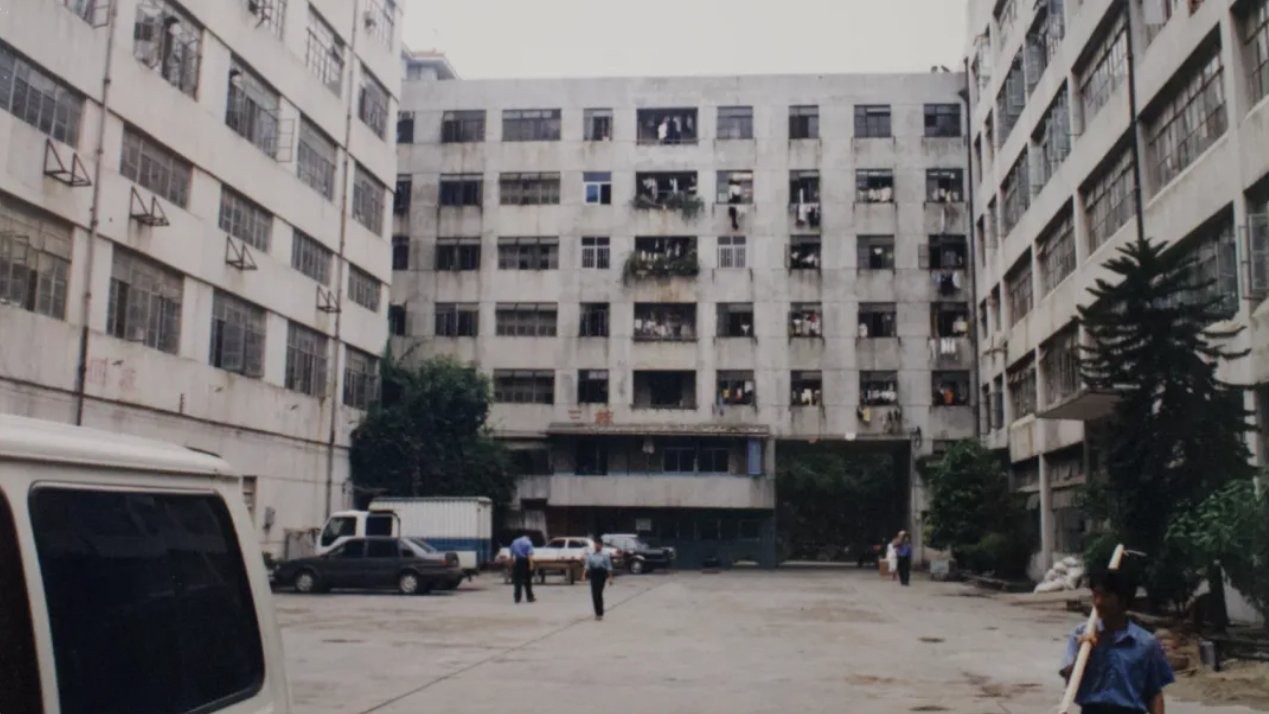
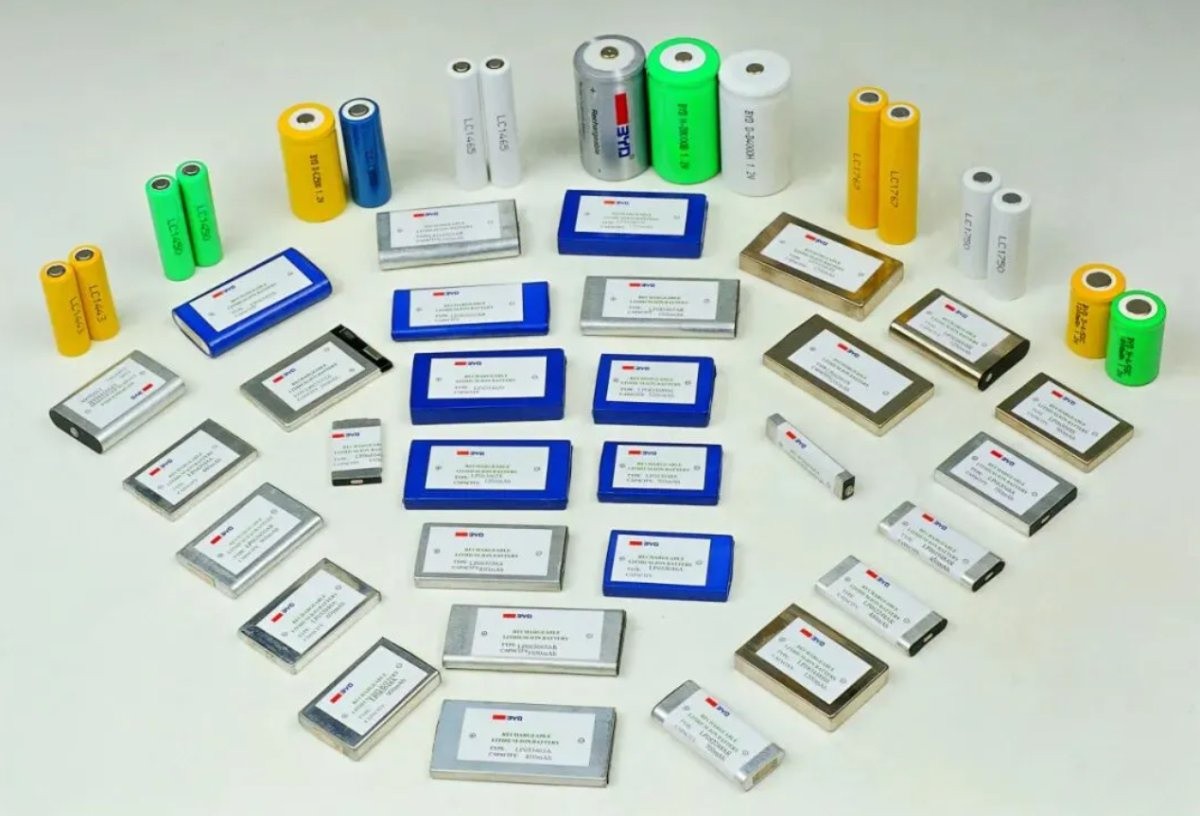
In its anniversary article, BYD traced its origins to November 18, 1994, when more than 20 people started the business in a rented factory in Shenzhen. The company entered the lithium-ion battery industry in 1996.
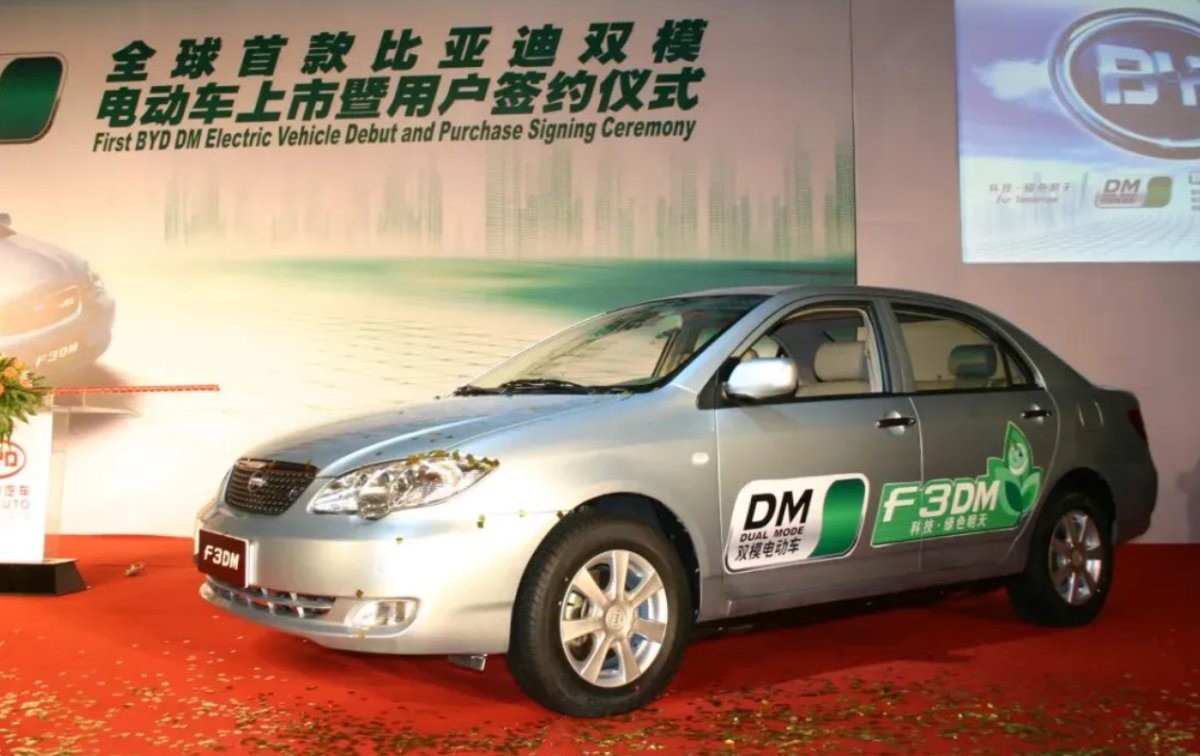
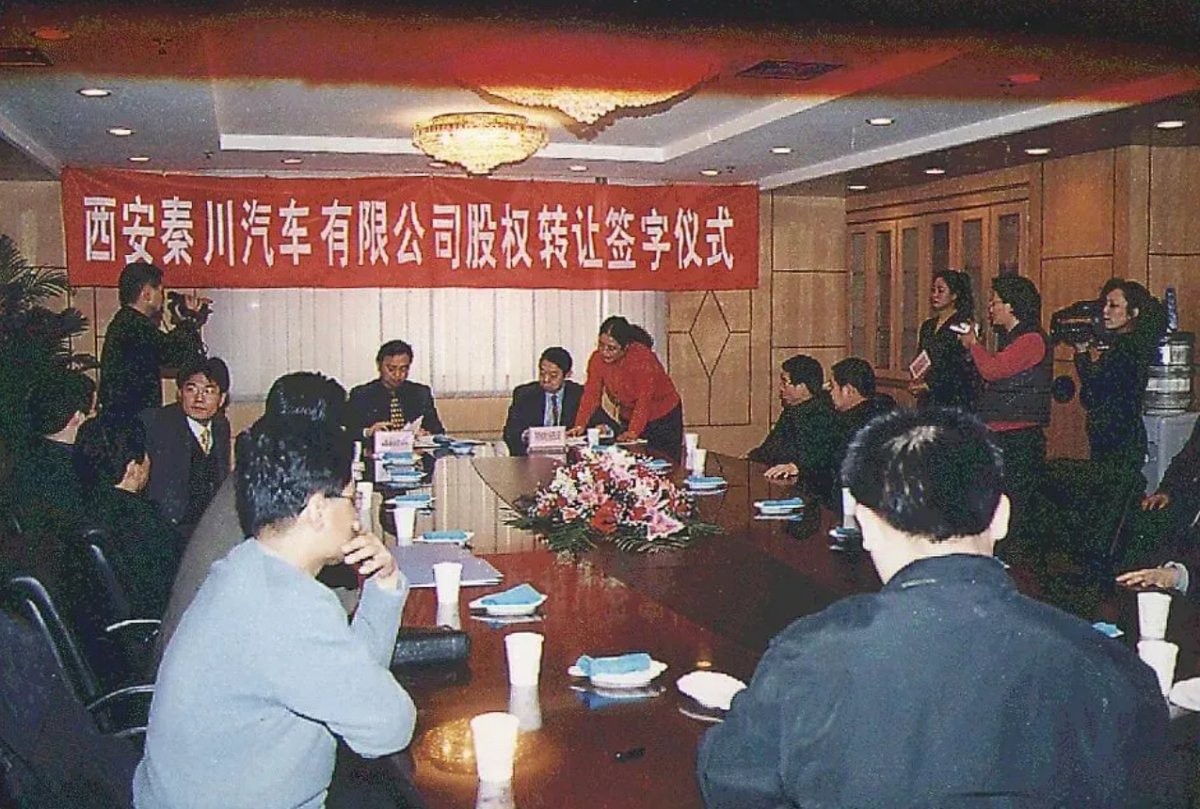
In 2003, BYD entered the auto industry by acquiring Xi'an Qinchuan Automobile. It launched its first mass-produced car, the F3, in 2005, followed by the F3DM plug-in hybrid sedan in 2008.
BYD then expanded into commercial vehicles. It entered the new energy bus market in 2009 and built an electric bus factory in Lancaster, California, in 2013.
In 2015, BYD unveiled a strategy covering the entire new energy vehicle (NEV) supply chain and a range of markets. It broadened its electrification efforts beyond passenger cars, buses and taxis to include logistics, ports and mining.
As NEV output rose, BYD began building passenger cars overseas. Its 5-millionth NEV rolled off the production line in August 2023.
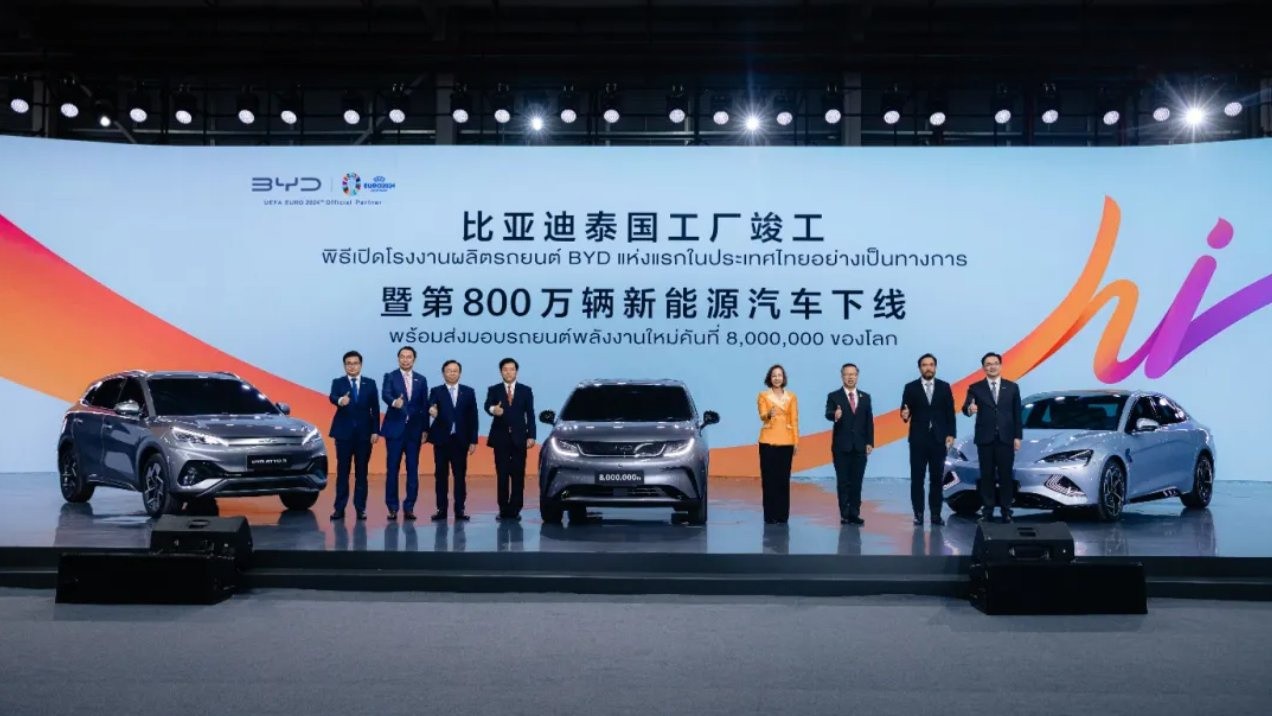
In 2024, BYD completed its first overseas passenger car factory in Rayong, Thailand, where it produced its 8-millionth NEV. On November 18 that year, cumulative NEV production reached 10 million vehicles.
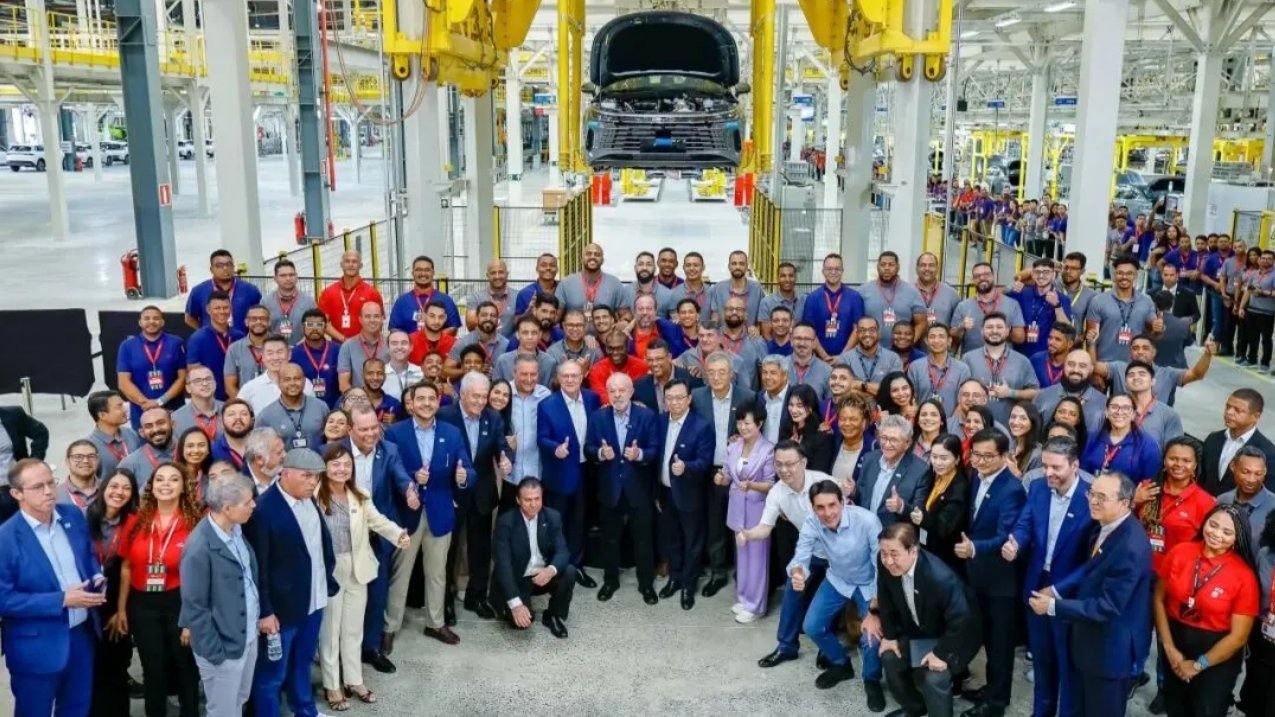
BYD began production at its Brazilian factory in 2025, and its 14-millionth NEV rolled off the line there. All 8 of the company's roll-on/roll-off car carriers entered service that year.
Earlier this month, BYD announced that its 19-millionth NEV had rolled off the production line, 124 days after it produced its 17-millionth.
Chairman and president Wang Chuanfu said on Tuesday at the APEC CEO Summit in Shenzhen that BYD had produced more than 19 million NEVs in total.
Wang said BYD's Thai factory can produce 150,000 vehicles a year and employs about 6,000 people, more than 95% of them local hires. The company also plans to expand local sourcing and research and development in its overseas markets.
BYD exported 1,513,154 NEVs in the first 10 months of 2026, up 93.75% year-on-year. Over the same period, its sales in China fell 27.81% to 2,108,590 vehicles, while global sales declined 2.16% to 3,621,744 vehicles.
In March, BYD unveiled its second-generation Blade Battery and new flash charging technology. According to the company, the technology can charge a battery from 10% to 70% in 5 minutes and from 10% to 97% in 9 minutes.
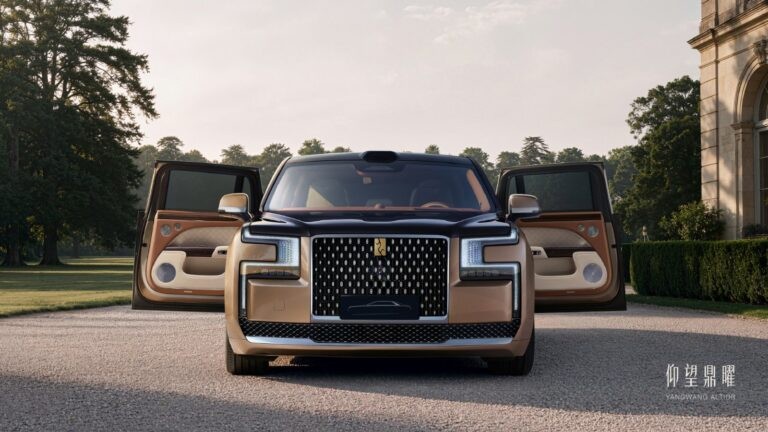
BYD Yangwang debuts Altior, targeting ultra-luxury executive sedan market
As BYD's halo brand, Yangwang is pushing further into the ultra-luxury executive sedan market with the 5.6-meter Altior.