



The sexiest thing finally happened in autonomous driving.

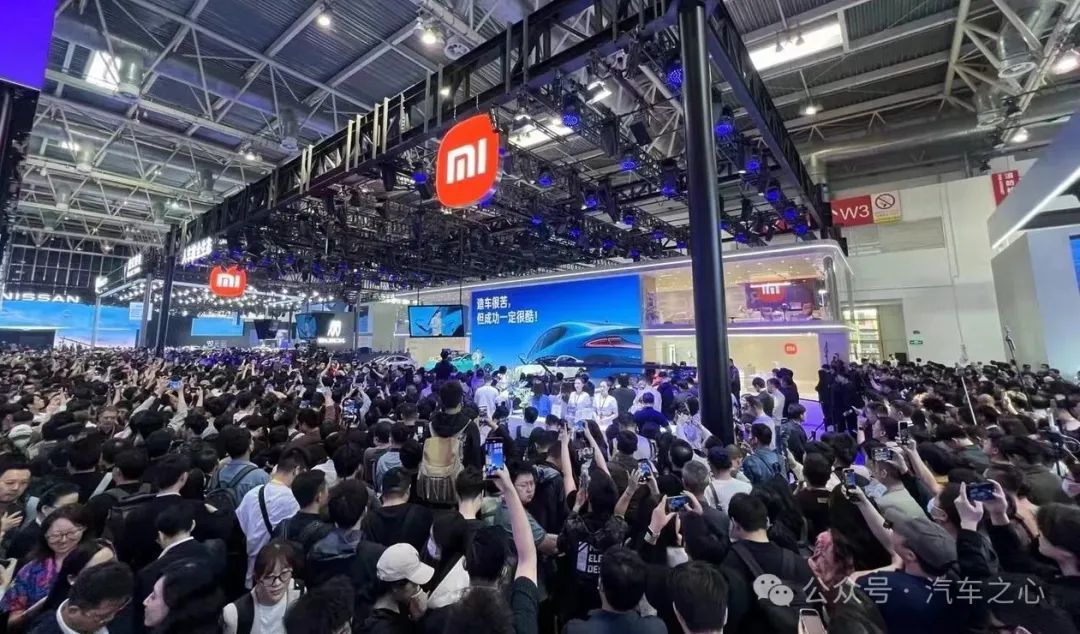
After a 4-year absence, standing again in the massive crowds at the Beijing Auto Show often leaves one at a loss—occasional shouts of "Mr. Lei is over there" or "The 教主 went to Nio" send the crowd into a frenzy like ants scattering from a disturbed nest. Before the person even arrives, phones are already thrust forward, snapping pictures inches from their face.
This auto show, hijacked by 流量, is a "sugar-coated bullet." The superficial 流量 is just a taste; the real firepower lies in the technology beneath.
Some media joked that if Richard Yu is "流量扶贫 (leveraging influence for poverty alleviation)," then Huawei's presence at the Beijing Auto Show represents "technology 扶贫."
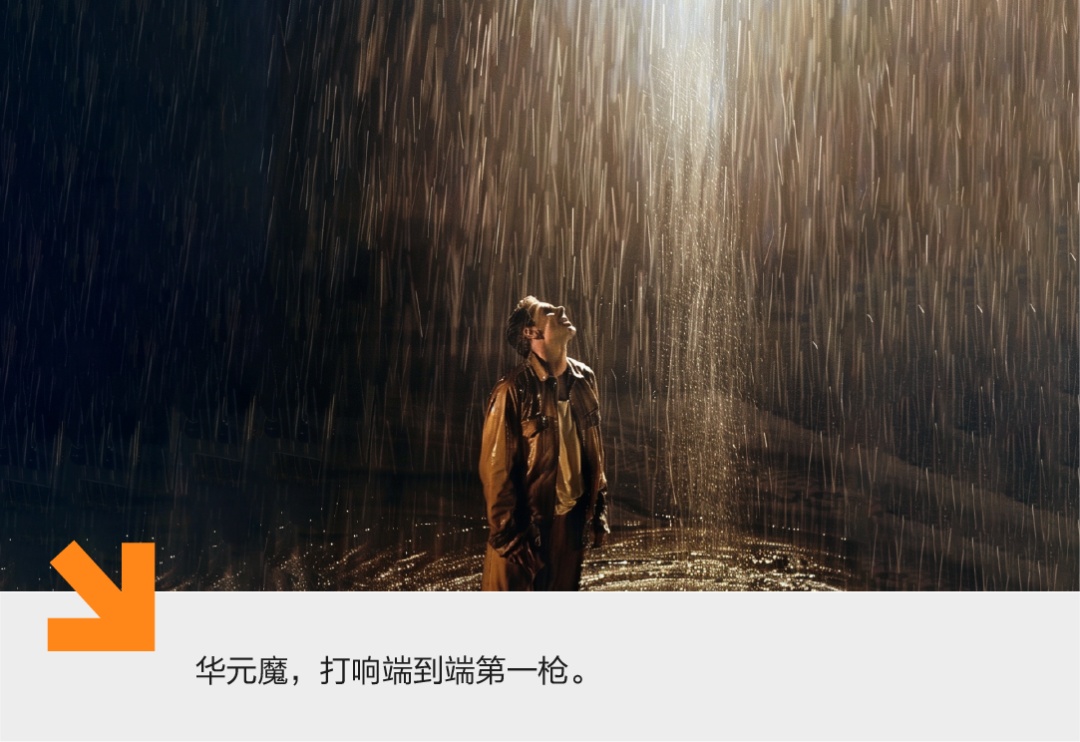
Recently, the "无图" (mapless) autonomous driving landscape dominated by Huawei, Yuanrong, and Momenta (dubbed "华元魔") has been widely discussed in the industry. It’s important to clarify that "无图" here refers to eliminating high-precision maps, not all maps entirely.
As Huawei’s advanced autonomous driving breaks into mainstream awareness, Yuanrong 启行 secured projects with three major automakers, and Momenta quietly advanced, the trio has solidified their positions as the top three in "无图" autonomous driving.
Correspondingly,华元魔 made significant moves at the Beijing Auto Show 围绕 how to make autonomous driving "more human-like."
Huawei’s Intelligent Automotive Solution BU launched its new autonomous driving brand "乾崑," upgrading ADS2.0 to 乾崑 3.0, with a technical shift to the 全新 GOD/PDP network architecture. This essentially makes the system’s planning and decision-making more human-like.
Yuanrong was even more direct, introducing DeepRoute IO, the first mass-produced 端到端 autonomous driving solution. Truly "无图," it enables comprehensive coverage of highways and urban areas while making the driving style more 人性化. Reliable sources indicate this solution is already in mass production for a premium model under Great Wall Motors.
Momenta, on the eve of the auto show, unveiled its OrinX-based "无图"高阶 autonomous driving solution, officially announcing it incorporates a 端到端 model 融合 perception and planning.
Marked by the Beijing Auto Show,华元魔 fired the first shot in 端到端 autonomous driving.
01、Has the "无图" Autonomous Driving Landscape Been Decided by 华元魔?
"无图" is the 公认 technical trend in autonomous driving.
In 2023, multiple autonomous driving companies expressed gratitude: "Thanks to Huawei and XPeng."
Huawei, in particular, not only made consumers recognize the value of autonomous driving but also 彻底出圈 "无图" urban autonomous driving.
As autonomous driving moves into cities, automakers (represented by new 势力) and solution providers (represented by 华元魔) have unanimously opted to eliminate high-precision maps.
In March 2023, Yuanrong 启行 also introduced its 高精地图-free solution, DeepRoute-Driver 3.0, and discussed technical details with a Shenzhen-based "big 厂."
In October 2023, Huawei announced its "high-precision-map-free 高阶 urban autonomous driving," claiming it works nationwide. With 惊人的号召力 and 领先的技术, Huawei 彻底破圈 "无图" urban autonomous driving.
Similarly, Momenta proposed its 量产 "无图" solution at CVPR 2023, standing out in fierce competition.
"无图" is a consensus, but true "无图" isn’t necessarily guaranteed.
Eliminating 高精地图 requires rebuilding a new technical framework, often 意味着 abandoning sunk costs.
Thus, some resort to clever marketing—calling anything not fully reliant on 高精地图 "无图," even if it’s not truly map-free.
Two common workarounds exist: patching 复杂路口 or custom dynamic maps.
True "无图" relies solely on standard navigation maps (SD Map) for 高阶 autonomous driving.
Yuanrong’s IO solution, for example, doesn’t 预留 interfaces for 高精地图 in mass production.
"无图" demands 极高 from solution providers.华元魔 each have distinct strengths:
(1) Huawei: Strong influence and R&D 节奏. With over 30B RMB invested and 7,000 R&D staff, its systems reportedly cost ~20,000 RMB. Richard Yu admitted selling at a loss for sub-300,000 RMB models.
(2) Momenta: Strong 量产节奏. Quietly working with 多家车企 (e.g., SAIC,比亚迪, Toyota), its trust and 量产经验 are key.
(3) Yuanrong: Strong 技术驱动. Though lacking 量产经验, it rapidly secured three automaker projects.业内 calls it the shortcut to Tier 1 autonomy.
02、The 端到端 Revolution
Ditching 高精地图 is just step one;端到端 is the real goal.
Traditional autonomy splits 感知,预测,规划 into siloed modules, leading to 信息减损 and limited 场景处理。端到端 fuses these into a 神经网络, enabling human-like 决策。
Tesla’s FSD V12 demonstrated this globally.华元魔 are catching up:
- Huawei’s ADS3.0 merges 预决策/规划 into PDP 网络。
- Momenta announced its 端到端大模型 but shared few details.
- Yuanrong’s IO 方案, already in Great Wall’s 魏建军直播, showcased 98% 路口成功率 in 保定’s chaotic streets.
端到端 even exhibits "利他" behaviors, like yielding to merging traffic—a 黑盒惊喜 with risks. Thus, safety 兜底 systems (e.g., Tesla’s dual FSD V11/V12, Yuanrong’s rules-based 策略) are critical.
03、端到端: The Path to AGI
Elon Musk calls Tesla "an AI/robotics company." Yuanrong’s CEO 周光 agrees:端到端 autonomy is the only path to AGI, fueled by cars’ unmatched data scale (e.g., Tesla’s 160B daily video frames).
AI evolves in 三个阶段:
1.0 (rule-based), 2.0 (LLMs + 端到端), 3.0 (AGI).华元魔 are advancing through 去图 to 端到端, with Yuanrong explicitly aligning its roadmap (前融合→无图→端到端) with AGI.
For users,端到端 transforms autonomy from "safe but robotic" to "safe and thrilling." As 华元魔 solutions 量产, 2024 may see 付费订阅 rates soar—the ultimate "sexy" metric for autonomy.
$Global X Autonomous & Electric V(DRIV.US) $iShares Self-Driving EV&Tech ETF(IDRV.US)
The copyright of this article belongs to the original author/organization.
The views expressed herein are solely those of the author and do not reflect the stance of the platform. The content is intended for investment reference purposes only and shall not be considered as investment advice. Please contact us if you have any questions or suggestions regarding the content services provided by the platform.
