

 Top 10 Influencers in 2025
 Markel
《漫步华尔街的-10 条投资金律》

After reading this book, you'll have a basic understanding of investing. You can fire all:
fund managers, paid bloggers, marketing accounts, scammers
Fundamentals can be discussed with AI. The reasons for asking me everything else are:
greed, laziness, stupidity, malice
- Start saving now (e.g., 2/3/5, pay 2 savings first)
- Develop the habit of living within your means (budgeting, preface income allocation)
- Keep enough cash on hand (20% or more)
- Make good use of various tax-saving channels (e.g., I use an Expat account)
- Asset allocation must suit your situation (copying others will kill you)
- Diversify investment risks (invest in passive ETFs, don’t be greedy)
- Don’t let fees eat into profits (avoid short-term trading to avoid losses)
- Stay humble with the market (don’t predict the future)
- Invest in index funds (e.g., VOO, ALLW)
- Avoid investor blind spots (few can outperform the S&P 500)
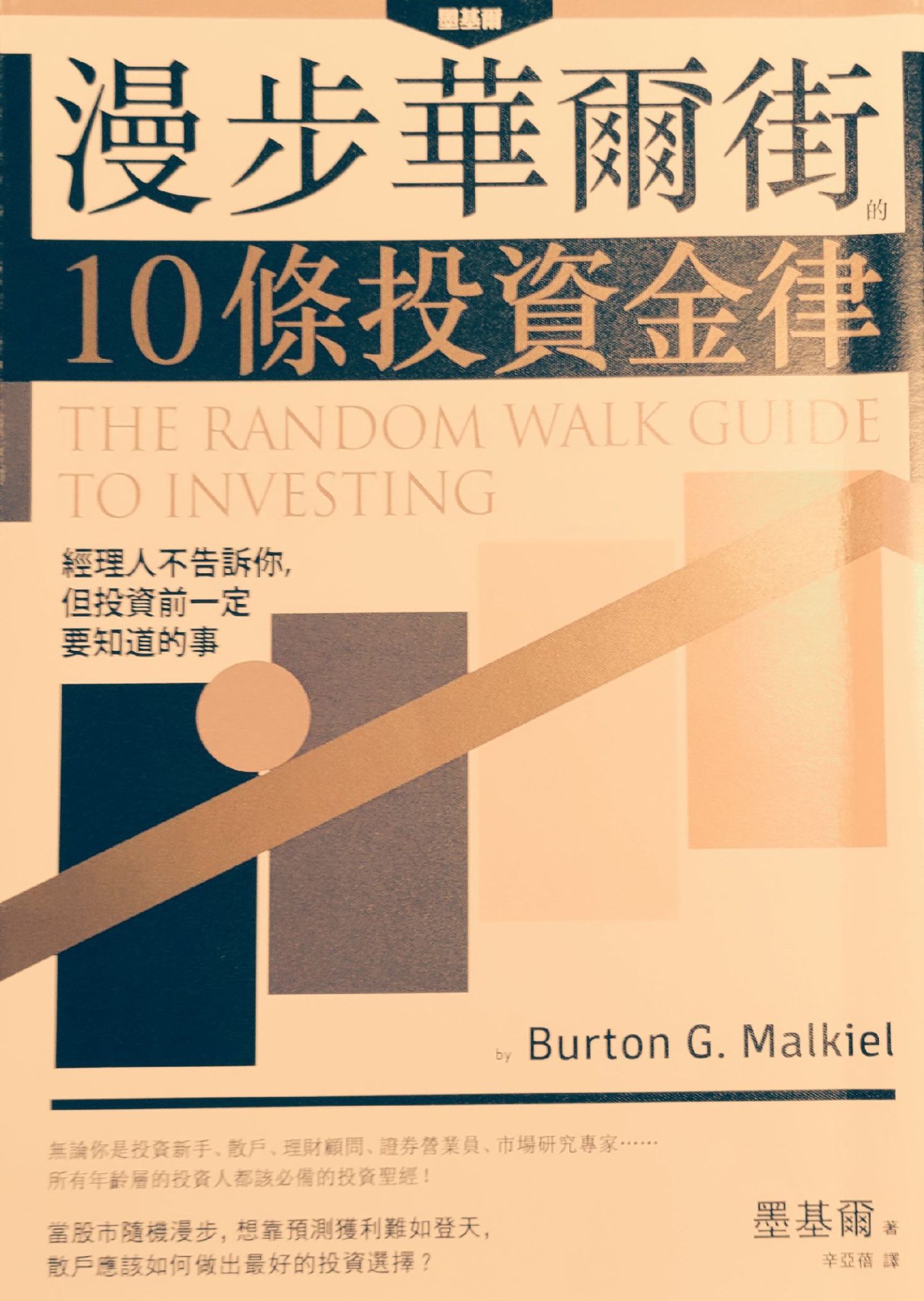
Malkiel's A Random Walk Down Wall Street is a classic, and The 10 Golden Rules of Investing is an introductory version, like a beginner's investment manual.
The 10 golden rules are a survival guide for retail investors through market cycles. The principles seem simple but reflect deep insights into human weaknesses and market laws:
1. Savings are the starting point of investing, the strongest weapon against the power of compound interest
The first two rules target the core of most people's financial troubles—procrastination and disorder. While "monthly spenders" debate "saving when income rises," the exponential effect in the compound interest formula quietly fades. As the book emphasizes: "An automatic monthly savings mechanism is more reliable than willpower."
2. Cash management is the shock absorber of an investment portfolio
The third rule was proven during the 2020 pandemic market crash. Investors with 18-24 months of emergency funds avoided selling at the bottom. This recalls Buffett's saying: "Cash is like oxygen—you don’t notice it until it’s gone."
3. Fees and taxes are hidden investment costs
The fourth rule is often ignored by young investors, but data shows high-income groups save 30%-50% in taxes through tools like 401(k) s and IRAs. Hong Kong users can save 15% or more with tools like Expat accounts and private banking. As Lynch said: "Government tax breaks are the only guaranteed excess returns." As for platform fees, hyperactivity is a tax on your intelligence.
4. The art of asset allocation
Rules five and six reveal the "free lunch" of investing—diversification. Yale Endowment data shows cross-region, cross-asset allocation can reduce volatility by 40%. But in reality, most people mistake diversification for holding 20 stocks in the same sector. Why not choose:
- $VG S&P 500(VOO.US)
- $State Street® Bridgewater®AllWeather®ETF(ALLW.US)
and other passive ETFs? In my view:
Greed leads to poverty, and poverty fuels desperation for change, leading to more greed. Congratulations, you’ll steadily fuel others’ wealth.
5. The cost black hole and the index revolution
Rules seven and nine are cause and effect. Vanguard research shows 1% annual fees can erode 28% of potential returns over 30 years. This explains why Buffett won his million-dollar bet against hedge funds with the S&P 500—costs are among the few controllable variables.
6. Market reverence and self-awareness
The last two rules cut to the heart of behavioral finance. From tulip mania to Bitcoin frenzy, history repeats the "this time is different" illusion. As the book warns: When taxi drivers recommend stocks, remember Keynes—the market can stay irrational longer than you can stay solvent.
These rules are great because they use simple principles to build barriers against market noise. In the AI era, investing grows more complex, but human greed and fear remain unchanged. As the book says: "Investment success isn’t about a 160 IQ but a stable temperament."
If you’re too lazy to read, here’s the summary:
Monthly invest in $VG S&P 500(VOO.US) , $Invesco QQQ Trust(QQQ.US) , $State Street® Bridgewater®AllWeather®ETF(ALLW.US) (one is enough), and check in five years if you’re in the top 10% of community returns. If so...
You know~🌚
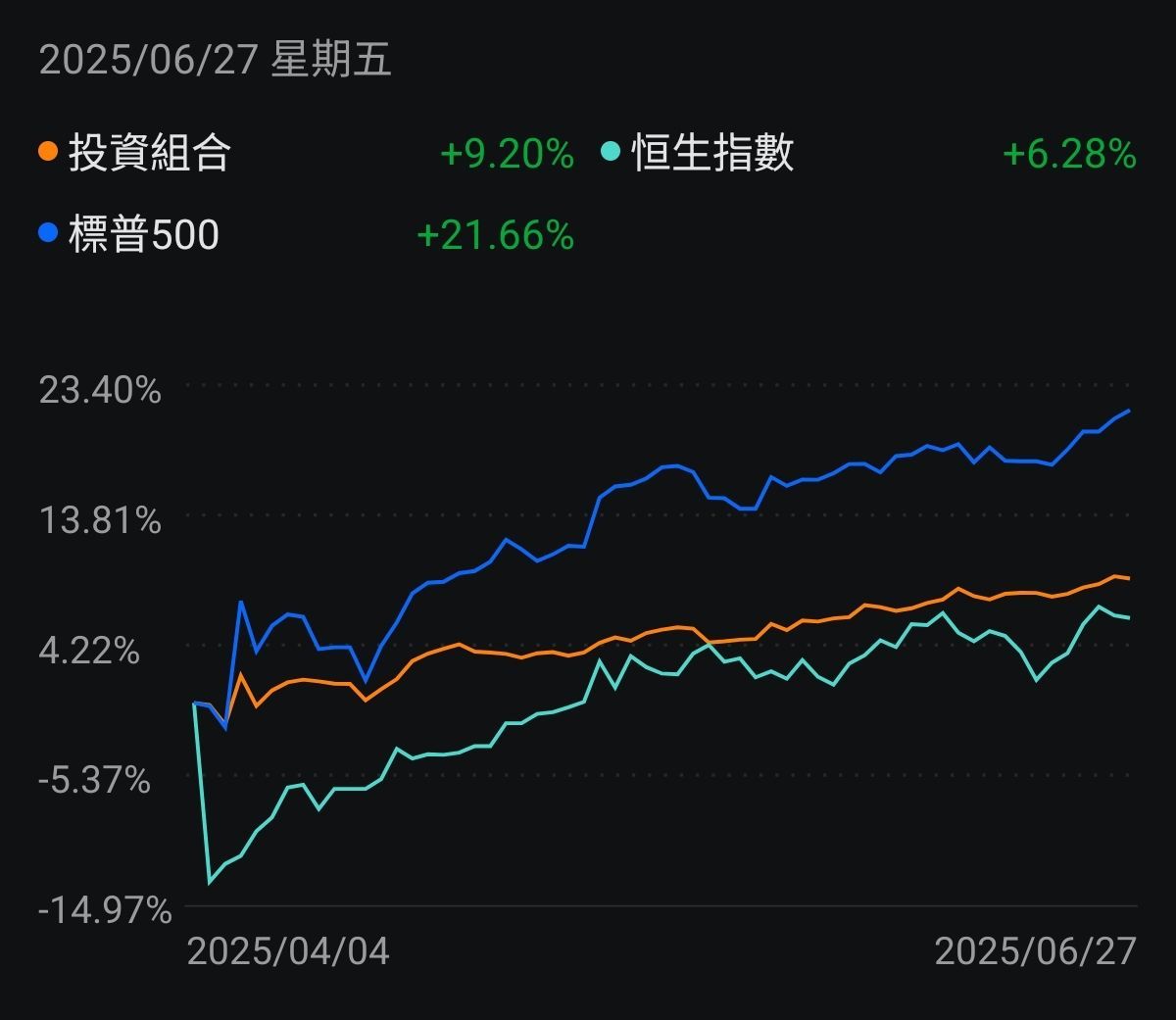
My passive portfolio has yielded 12-15% annually over the years, still not beating the S&P500🙂
The copyright of this article belongs to the original author/organization.
The views expressed herein are solely those of the author and do not reflect the stance of the platform. The content is intended for investment reference purposes only and shall not be considered as investment advice. Please contact us if you have any questions or suggestions regarding the content services provided by the platform.
