

How fatal is insufficient capital for traders? Perhaps you should learn about proprietary trading exams!

Traders in the market often face an important issue, which is insufficient capital. Whether they are novice traders or experienced veterans, capital constraints often limit their trading decisions due to external conditions, thereby affecting their overall profitability and psychological state. So, what are the impacts of insufficient capital on traders? And how can this dilemma be resolved?
The Impact of Insufficient Capital on Traders
Limited Trading Opportunities
Insufficient capital reduces the amount of operable funds for traders, directly preventing them from seizing larger profit opportunities. The shortage of funds limits their trading frequency and position choices, often forcing them to participate only in low-risk, low-return trades.
Risk Management Challenges
Without sufficient capital, traders cannot effectively diversify their investments, leading to risk concentration in single positions. Once the market experiences significant volatility, traders with insufficient capital may be unable to withstand losses and could even be forced to liquidate positions. In such situations, they might make more impulsive decisions, such as adding positions or bottom-fishing, which are irrational behaviors.
Excessive Psychological Pressure
Faced with capital constraints, traders' psychological burdens also increase. In this state, they may engage in overly risky operations, such as increasing leverage, frequent trading, or ignoring risk management rules. While these actions might yield short-term returns, they pose long-term threats to capital security.
Restricted Trading Strategies
Lack of capital means traders cannot fully implement diversified trading strategies, especially medium- to long-term strategies that require substantial funding. This limitation may prevent traders from fully utilizing their trading capabilities.
How to Overcome the Capital Dilemma?
To help traders mitigate the risks brought by insufficient capital, some platforms offer demo account features, particularly large-scale simulated trading environments like the EagleTrader proprietary trading exam, which has become the preferred choice for many traders.
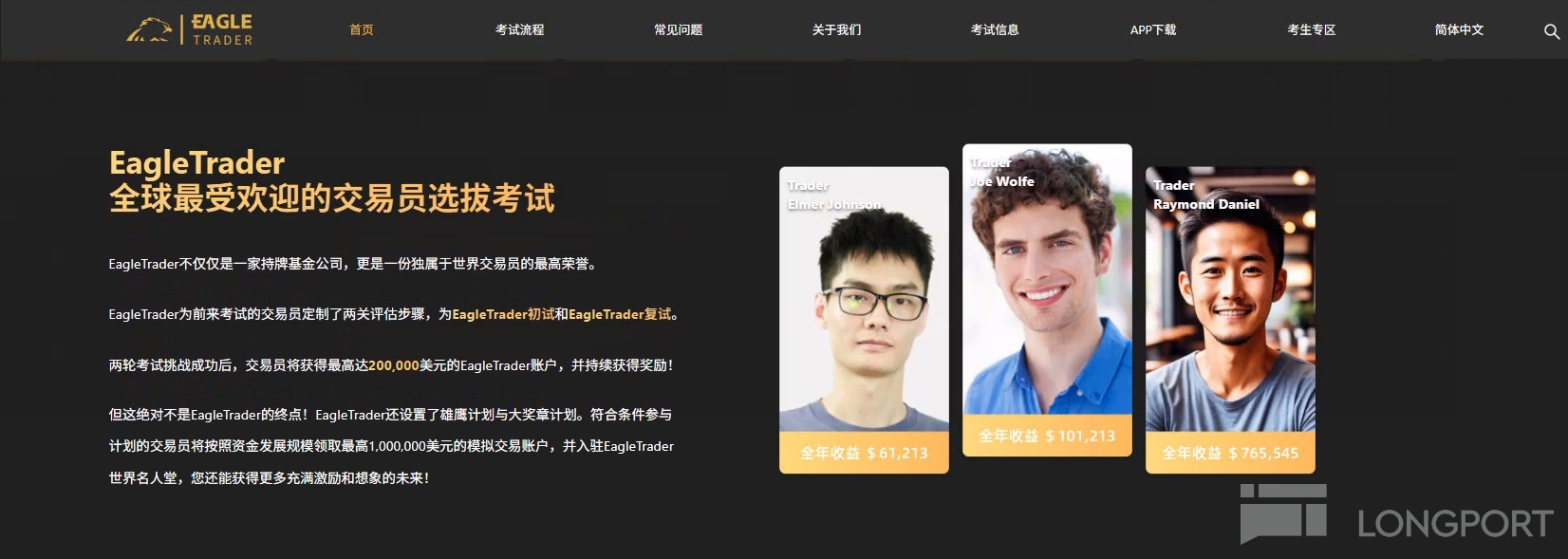
Through demo accounts, traders can use virtual funds provided by the platform to engage in real trading, experiencing market fluctuations and decision-making. Most importantly, traders do not need to use personal funds, thereby avoiding the troubles caused by insufficient capital.
At the same time, the demo account environment closely resembles the real market, helping traders accumulate valuable practical experience. Some platforms even offer profit-sharing incentives, allowing traders to earn real returns even when using demo accounts.
Advantages of the Proprietary Trading Exam
For traders who are financially constrained but eager to prove themselves, proprietary trading exams like those offered by EagleTrader are becoming a practical choice. The exam uses simulated capital accounts provided by the platform, allowing traders to trade in a simulated real-market environment without depositing funds. More importantly, the proprietary trading exam also sets clear risk control standards and trading rules, such as maximum drawdown limits and position discipline, which serve not only as exam criteria but also as constraints on trading behavior.
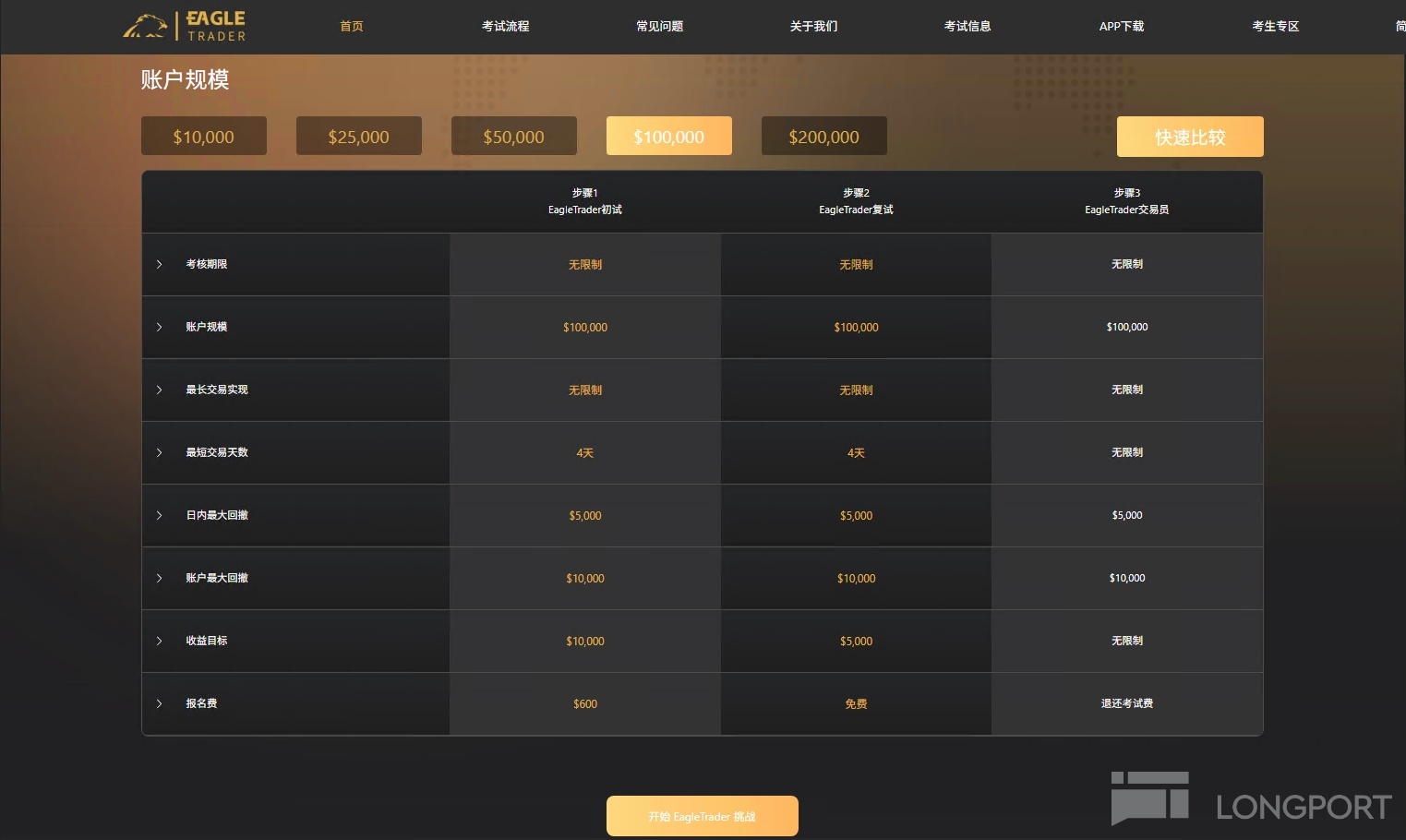
This means traders can test their strategies, train their execution, and even correct past uncontrolled behaviors like frequent position additions or heavy bets on positions—all without the pressure of capital constraints.
When traders demonstrate stable trading capabilities in such an environment, they can enter EagleTrader's profit-sharing phase, receiving financial incentives based on actual profits and further career development opportunities through additional assessments, achieving an orderly transition from demo accounts to professional trading.
Capital shortages are indeed a hurdle on the trading journey, but they should not become a ceiling that hinders growth. What truly determines how far a trader can go is not the balance in their account but the choices they make when facing challenges. If constrained in reality, refine your skills within the rules; accumulate strength in simulations to lay the foundation for profit-sharing and professionalization.
For every trader eager to break through, perhaps what you lack is not ability but a platform that allows you to take the leap. Now, the opportunity is right in front of you—the next step is yours to decide. Start here, build your track record, seize opportunities, and reshape your trading life!
The copyright of this article belongs to the original author/organization.
The views expressed herein are solely those of the author and do not reflect the stance of the platform. The content is intended for investment reference purposes only and shall not be considered as investment advice. Please contact us if you have any questions or suggestions regarding the content services provided by the platform.
