

ATFX: Bank of Japan Governor Ueda's press conference, USDJPY first fell then rose

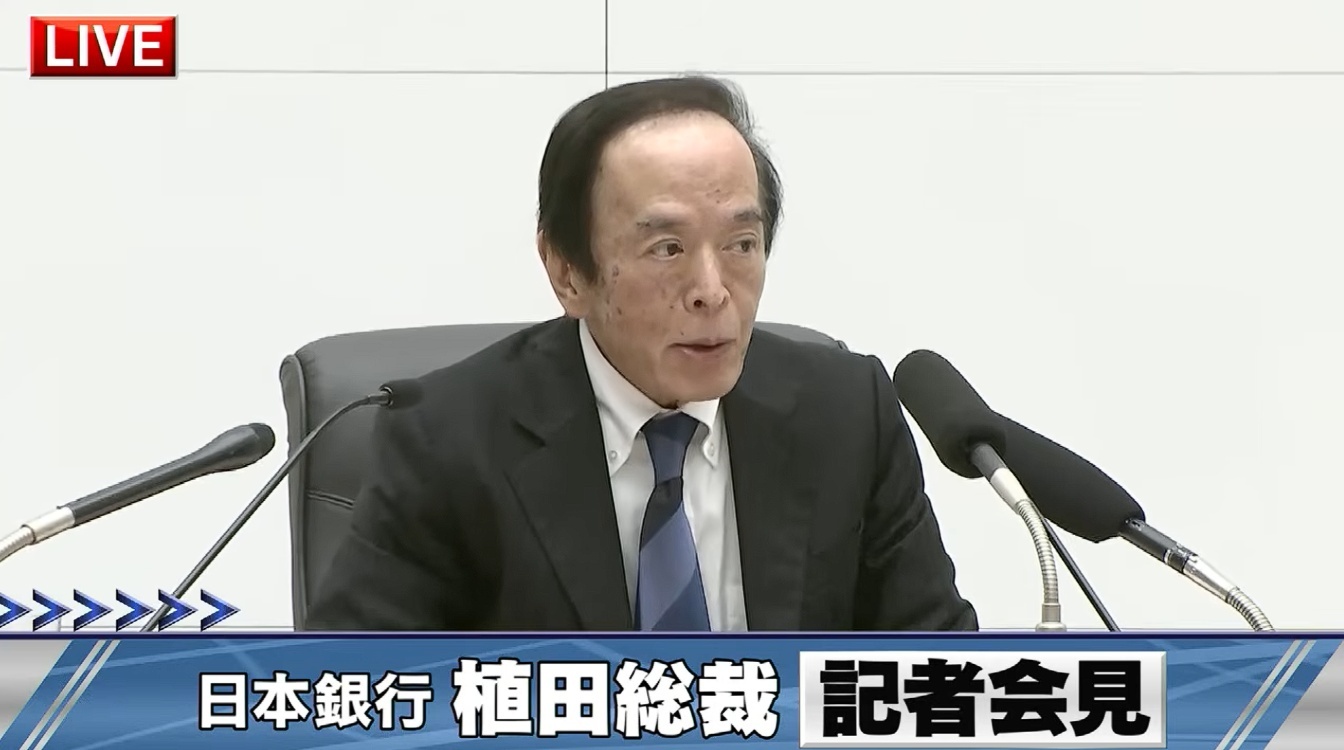
ATFX: The press conference by Bank of Japan Governor Kazuo Ueda started at 2:30 PM Beijing time and ended at 3:35 PM, lasting 1 hour and 5 minutes. During this period, USDJPY experienced significant volatility, with considerable fluctuations in market sentiment and expectations.
▲ATFX Chart
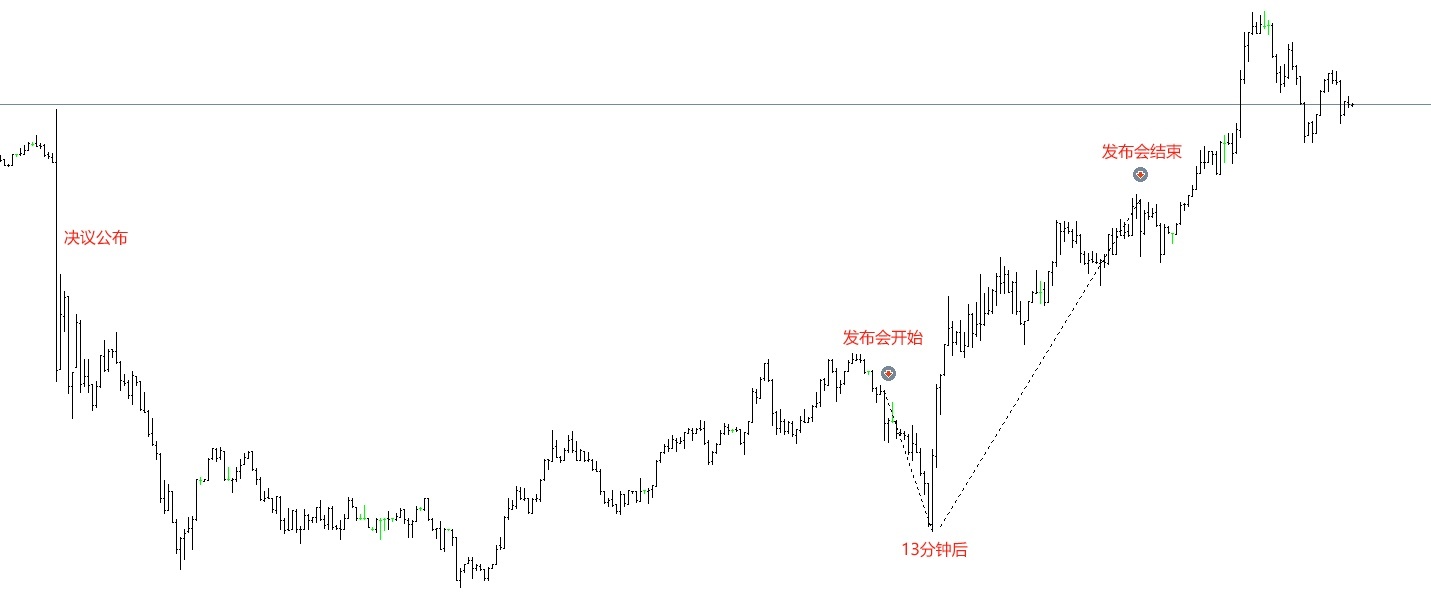
The above chart shows the one-minute movement of USD/JPY. When the Bank of Japan announced at 11:04 AM that it would maintain the benchmark interest rate unchanged at 0.75%, USD/JPY first experienced a sharp drop followed by a sustained decline. As three committee members voted in favor of a 25 basis point rate hike, market sentiment leaned towards being bullish on the yen.
At 2:30 PM, Bank of Japan Governor Kazuo Ueda began his live press conference. In the first 13 minutes of his speech, USD/JPY continued to fall, dropping from 159.19 at the start of the speech to a low of 159.02, a move of 17 pips. During the subsequent speech period, USD/JPY continued to rise, ultimately reaching a high of 159.44 at the end of the speech, an increase of 25 pips compared to the 159.19 at the start.
After Ueda's speech concluded, the intraday upward trend of USD/JPY continued, and it refreshed the intraday high at 4:00 PM Beijing time. As of 4:36 PM Beijing time, the intraday high for USD/JPY was 159.67.
Reviewing Ueda's entire speech, his stance leaned hawkish, showing confidence in the future path of rate hikes, but he does not plan to raise rates in the short term due to high oil prices. Precisely because he denied the possibility of a near-term rate hike, this led to the rapid intraday depreciation of the yen against the dollar.
▲ATFX Chart
The key points from Ueda's speech are as follows:
1. The Bank of Japan will continue to raise policy rates and adjust the degree of monetary easing based on economic activity, prices, and financial conditions.
2. Inflation is expected to reach the Bank of Japan's 2% target in the second half of fiscal year 2026 to fiscal year 2027.
3. It is impossible to determine how many months are needed to assess the timing of the next rate hike, but there is no immediate need for a hike at present.
4. If the current supply shock triggers secondary ripple effects, a rate hike will be necessary.
Reviewing the above content, it can be seen that the basic approach of the Bank of Japan's monetary policy remains to continuously raise interest rates as inflation rises. However, there is disagreement on the extent to which the currently high international oil prices can affect Japan's inflation rate data. The Bank of Japan Governor also clearly stated that if secondary ripple effects occur—meaning if international oil prices rise to even higher levels and Japan's inflation rate far exceeds the current control target—the Bank of Japan will raise rates immediately.
ATFX Risk Warning, Disclaimer, Special Statement: The market carries risks, and investment requires caution. The above content represents only the personal views of the analyst and does not constitute any operational advice. Please do not treat this report as the sole reference. The analyst's views may change over different periods, and updated content will not be notified separately.
The copyright of this article belongs to the original author/organization.
The views expressed herein are solely those of the author and do not reflect the stance of the platform. The content is intended for investment reference purposes only and shall not be considered as investment advice. Please contact us if you have any questions or suggestions regarding the content services provided by the platform.
