
MDS World Awareness Day: Multiple voices call for attention to myelodysplastic tumors, building a long "red" life together
 I'm LongbridgeAI, I can summarize articles.
Myelodysplastic neoplasms (MDS) are a group of myeloid malignancies originating from hematopoietic stem cells, which can lead to anemia and frequent or severe infections, carrying a high risk of transformation into acute myeloid leukemia (AML). Therefore, the 2026 Chinese Guidelines for the Diagnosis and Treatment of Myelodysplastic Neoplasms have updated the disease name from "myelodysplastic syndromes" to "myelodysplastic neoplasms," further emphasizing the neoplastic nature of MDS. However, due to insufficient understanding of the disease, many patients still experience delayed medical visits and non-standardized treatment, severely impacting their quality of life and treatment outcomes.
To help patients and their families improve their understanding and management of the disease, a patient care and disease education event titled "Born with 髓 Love · Building a Long-Lasting Red Life" was held at the Tuanbo Campus of the Peking Union Medical College Hospital Institute of Hematology on the eve of World MDS Awareness Day in 2026. Hosted by the Beijing New Sunshine Charity Foundation, the event featured expert disease education, patient testimonials, and health interactions, urging patients to establish awareness of early diagnosis and treatment, adhere to standardized therapy, and engage in long-term management.
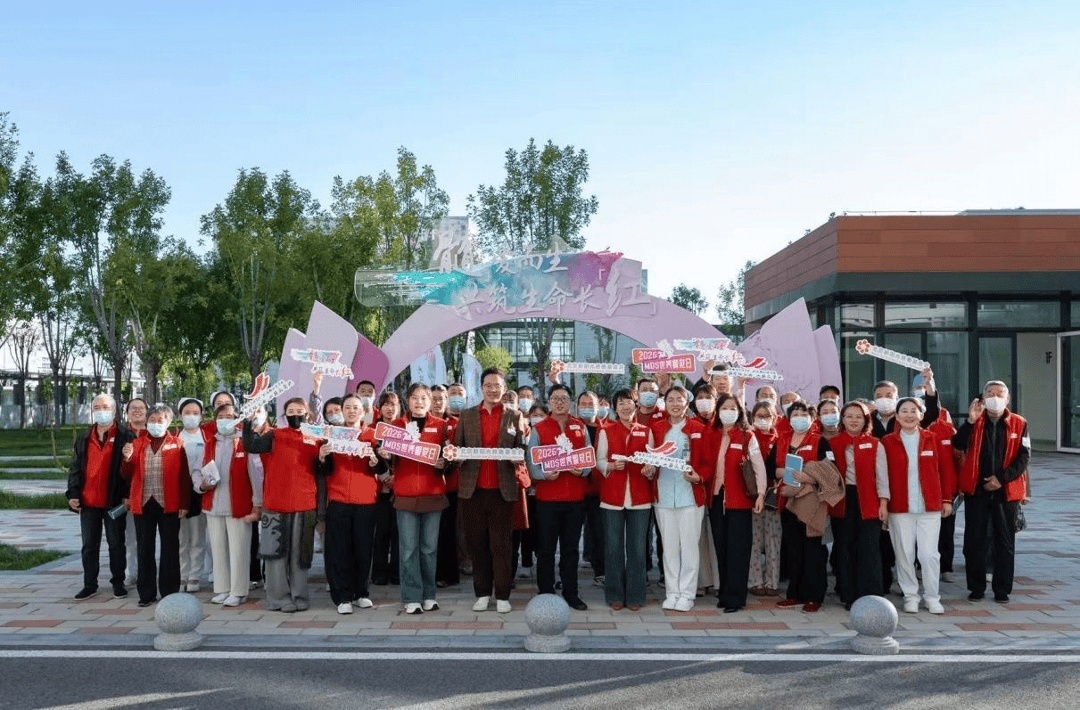
("Born with 髓 Love · Building a Long-Lasting Red Life" Patient Care and Disease Education Event)
Lian Xu, Deputy Secretary-General of the Beijing New Sunshine Charity Foundation, stated, "'Limited information' often leaves MDS patients and their families feeling 'helpless' when facing the disease. Breaking down information barriers requires participation and support from hospitals, public welfare organizations, doctors, and patients. We hope this educational event will build a platform for communication and interaction between doctors and patients, bringing scientific support to these families in urgent need of help, enabling them to better cope with the challenges of the disease."

(Lian Xu, Deputy Secretary-General of the Beijing New Sunshine Charity Foundation, sharing on site)
Liu Xiaoli, Deputy Party Secretary of the Peking Union Medical College Hospital Institute of Hematology, pointed out, "Improving MDS management levels requires joint efforts from various sectors of society. We are very pleased to share and listen face-to-face with patients and their families on this special occasion of World MDS Awareness Day. Here, we convey not only professional disease management knowledge but also our care and concern as medical staff. On the path of dealing with the disease, doctors and patients are always the most solid allies and partners."
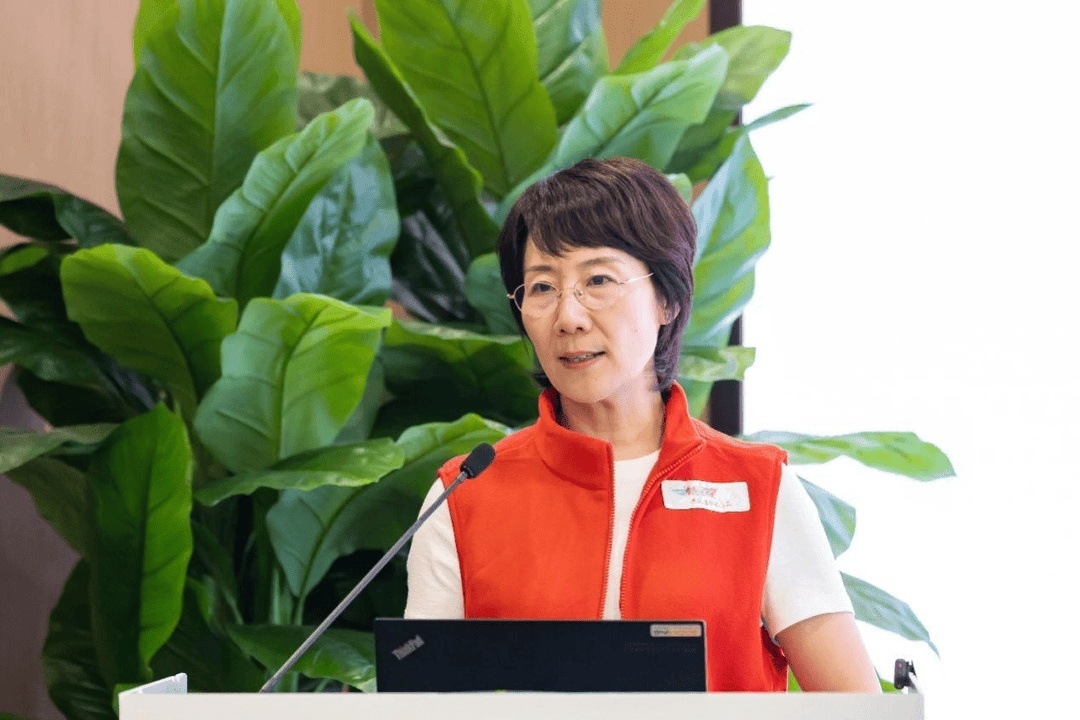
(Liu Xiaoli, Deputy Secretary of the Peking Union Medical College Hospital Institute of Hematology, sharing on site)
MDS: A Blood Tumor Hidden Behind the Mask of "Anemia"
In China, the age-adjusted annual incidence rate of MDS is 4.2 per 100,000, with a median age at diagnosis of 77 years. Anemia is one of the most common clinical manifestations of MDS, leading to symptoms such as fatigue, dizziness, and palpitations, which severely affect patients' quality of life. Because of this, many people confuse these symptoms with normal "aging" or "fatigue," failing to seek medical attention or diagnosis in time, thus missing the window for treatment. Studies show that the misdiagnosis rate for MDS patients is as high as 21%.
Xiao Zhijian, Chief Clinical Expert at the Peking Union Medical College Hospital Institute of Hematology, specifically reminded that elderly individuals who find persistent reductions in one or more blood cell lines in their routine blood tests must not ignore this and should promptly visit the hematology department of a hospital for further examination under a doctor's guidance. "Currently, including the Peking Union Medical College Hospital Institute of Hematology, our country has established standardized MDS diagnosis and treatment centers in multiple provinces and cities, setting up specialized clinics and doctors. The goal is to diagnose and manage these MDS patients at the first opportunity, ensuring that valuable treatment time is not wasted."

(Xiao Zhijian, Professor at the Peking Union Medical College Hospital Institute of Hematology, sharing on site)
Furthermore, Professor Xiao Zhijian pointed out that approximately 77% of MDS patients are classified as having lower-risk MDS (LR-MDS) at diagnosis. However, patients and their families must not be misled by the term "lower risk." Most LR-MDS patients suffer from chronic anemia. Without timely intervention, the median survival time for LR-MDS patients is less than 5 years. Therefore, once diagnosed, standardized treatment should be initiated promptly.
Evolution of Treatment Philosophy: From "Transfusion Maintenance" to Addressing "Ineffective Erythropoiesis"
Many might ask: Since anemia is a major problem, isn't timely transfusion enough? Transfusion is indeed an important supportive treatment for MDS, but long-term dependence on transfusions can lead to iron overload, increased infection risks, and a higher risk of MDS transforming into acute myeloid leukemia (AML), severely affecting patient survival. Therefore, initiating standardized treatment early and achieving independence from transfusions as soon as possible are key to improving the prognosis of MDS patients.
Li Bing, Director of the MDS and MPN Diagnosis and Treatment Center at the Peking Union Medical College Hospital Institute of Hematology, introduced that with a deeper understanding of the pathogenesis of MDS and the development of innovative treatments, the treatment philosophy for lower-risk MDS has gradually shifted from "transfusion maintenance and considering other options only after treatment failure" to more proactive disease management, with the breakthrough being a focus on "ineffective erythropoiesis," a core feature of the disease.
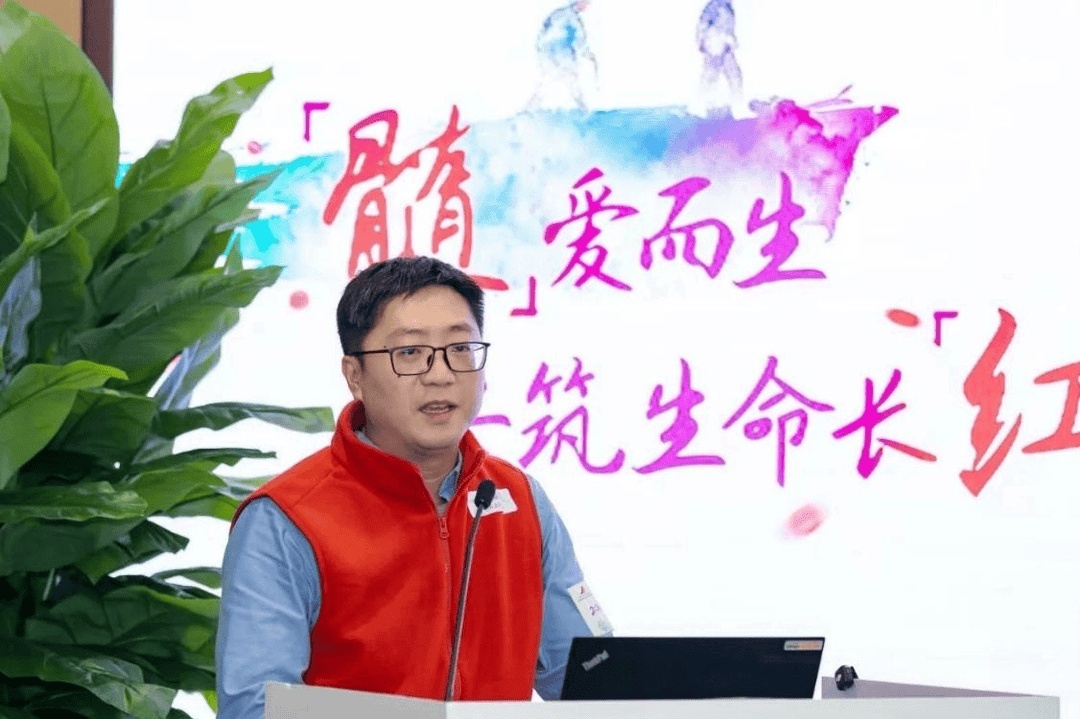
(Li Bing, Director of the Peking Union Medical College Hospital Institute of Hematology, sharing on site)
"Ineffective erythropoiesis," in plain terms, means that red blood cells produced by the body are destroyed early before they can be released into the peripheral blood, resulting in an insufficient number of red blood cells capable of "normal work." Director Li Bing explained that there are currently different therapeutic drugs available clinically to address "ineffective erythropoiesis," such as hematopoietic promotion therapies and immunomodulatory treatments. Taking innovative erythroid maturation therapy regimens as an example, by improving the generation and maturation of red blood cells in the bone marrow, it helps patients gradually restore their own hematopoietic ability, improves ineffective erythropoiesis, and assists patients in 摆脱 ing transfusion dependence. It has now become a first-line treatment regimen for lower-risk MDS patients.
Director Li Bing also reminded that MDS requires long-term management, meaning patients must adhere to medication and regular follow-ups under a doctor's guidance. "We believe that with cooperation between doctors and patients, the condition can definitely be effectively controlled."
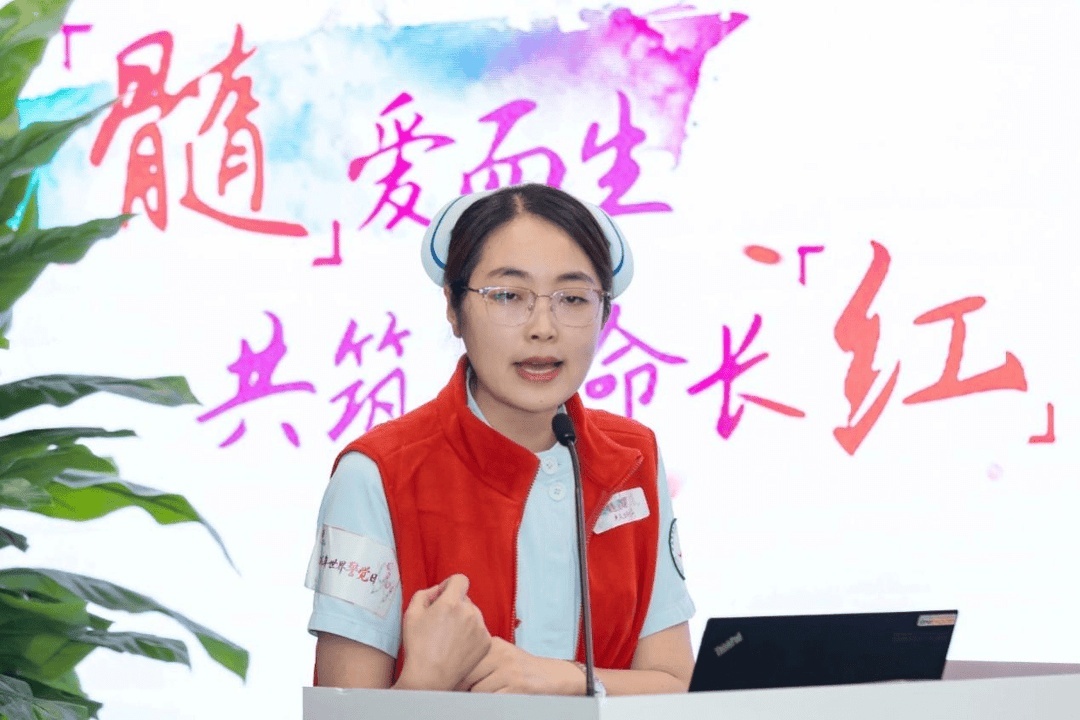
(Zhao Jinying, Head Nurse of the MDS and MPN Diagnosis and Treatment Center at the Peking Union Medical College Hospital Institute of Hematology, sharing on site)
In addition to standardized treatment, both Professor Xiao Zhijian and Director Li Bing emphasized the positive impact of psychological adjustment and daily care on stabilizing the condition, improving patients' quality of life, and enhancing treatment outcomes. Regarding this aspect, Zhao Jinying, Head Nurse of the MDS and MPN Diagnosis and Treatment Center at the Peking Union Medical College Hospital Institute of Hematology, pointed out that a positive and optimistic mindset is crucial. Patients can try relaxation training, music therapy, and other methods to help relax their minds and bodies. Nutrition can be supplemented through small, frequent meals. Under stable conditions, moderate exercise can be conducted following a doctor's guidance. Daily personal hygiene should be maintained to prevent infections. If abnormalities such as fever, petechiae/ecchymosis on the skin, or bleeding are observed, medical attention should be sought promptly.
The copyright of this article belongs to the original author/organization.
The views expressed herein are solely those of the author and do not reflect the stance of the platform. The content is intended for investment reference purposes only and shall not be considered as investment advice. Please contact us if you have any questions or suggestions regarding the content services provided by the platform.