


Howard Hughes - City of the Future
 I'm LongbridgeAI, I can summarize articles.
For me personally, the most fascinating, and arguably utopian romantic core of Howard Hughes' business model is the concept of Decentralized Micro-Cities.
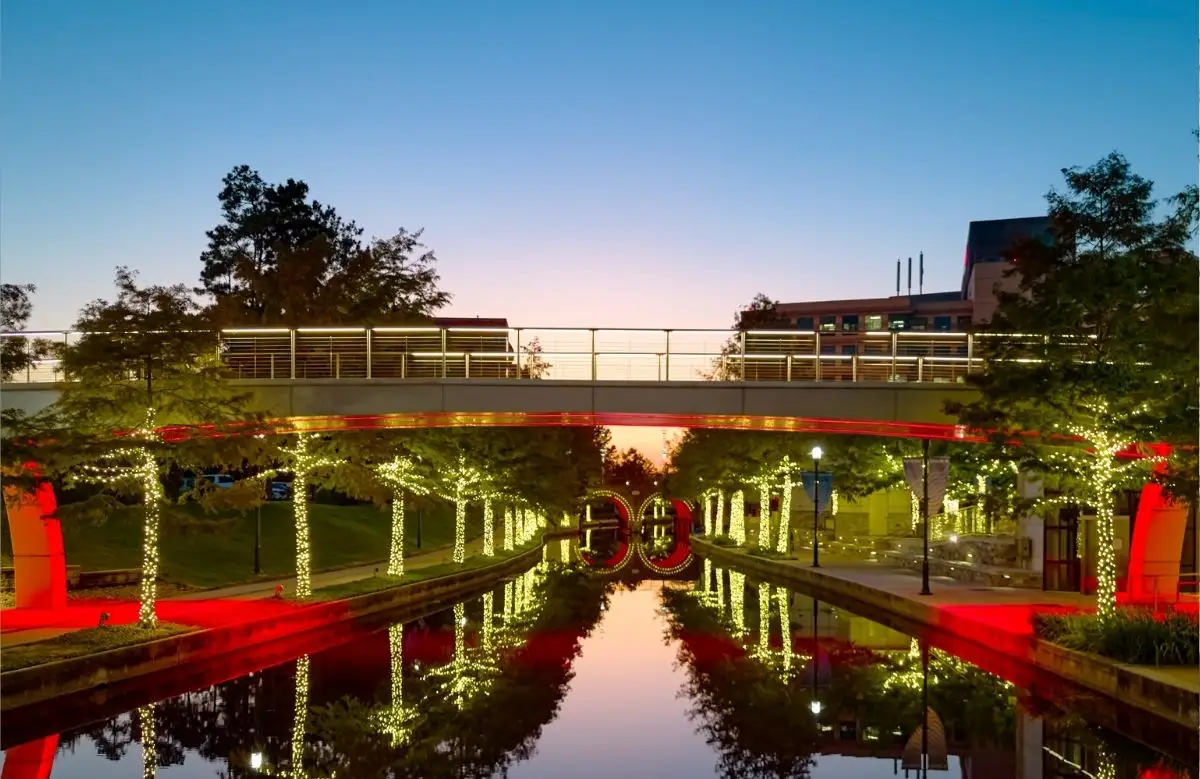
I like it because it lays the foundational infrastructure for future human lifestyles. I believe Howard Hughes' decentralized city-building philosophy is the inevitable direction for urban evolution, moving away from the outdated 'sprawl' disease of traditional cities.
Past megacities like New York, Los Angeles, or Beijing-Shanghai-Guangzhou-Shenzhen were products of the industrial era, driven by a centralized logic: people spent hours commuting to downtown CBD office towers, enduring high housing prices and traffic congestion.
But the world has changed:
- The rise of remote work means workplaces no longer need to be tied to city centers.
- People now prioritize quality of life (Well-being) over mere location prestige.
- HHH's MPC (Master Planned Community) model perfectly aligns with this trend toward decentralized micro-cities.
New-era micro-cities don't rely on established metropolises; instead, they create independent ecosystems for living, working, commerce, education, and leisure from scratch in peripheral or Sun Belt areas. Residents don't need to commute across cities; they can complete their life-work-consumption loop within these smaller cities.
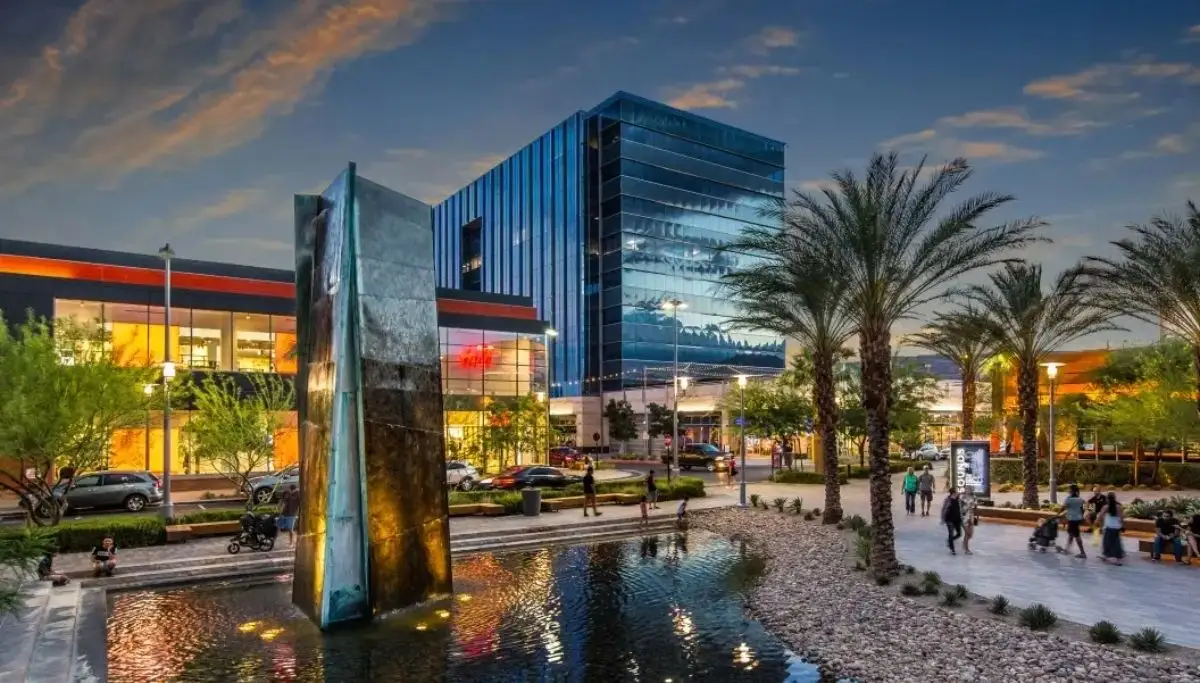
Why are they useful, novel, beautiful, and distinctive?
Because Howard Hughes doesn't just build houses; it first builds roads, utilities, and introduces large enterprises to create jobs. Take The Woodlands in Houston, which built hospitals and schools first. By establishing industry and amenities before residential development, it avoids the tragedy of traditional ghost towns.
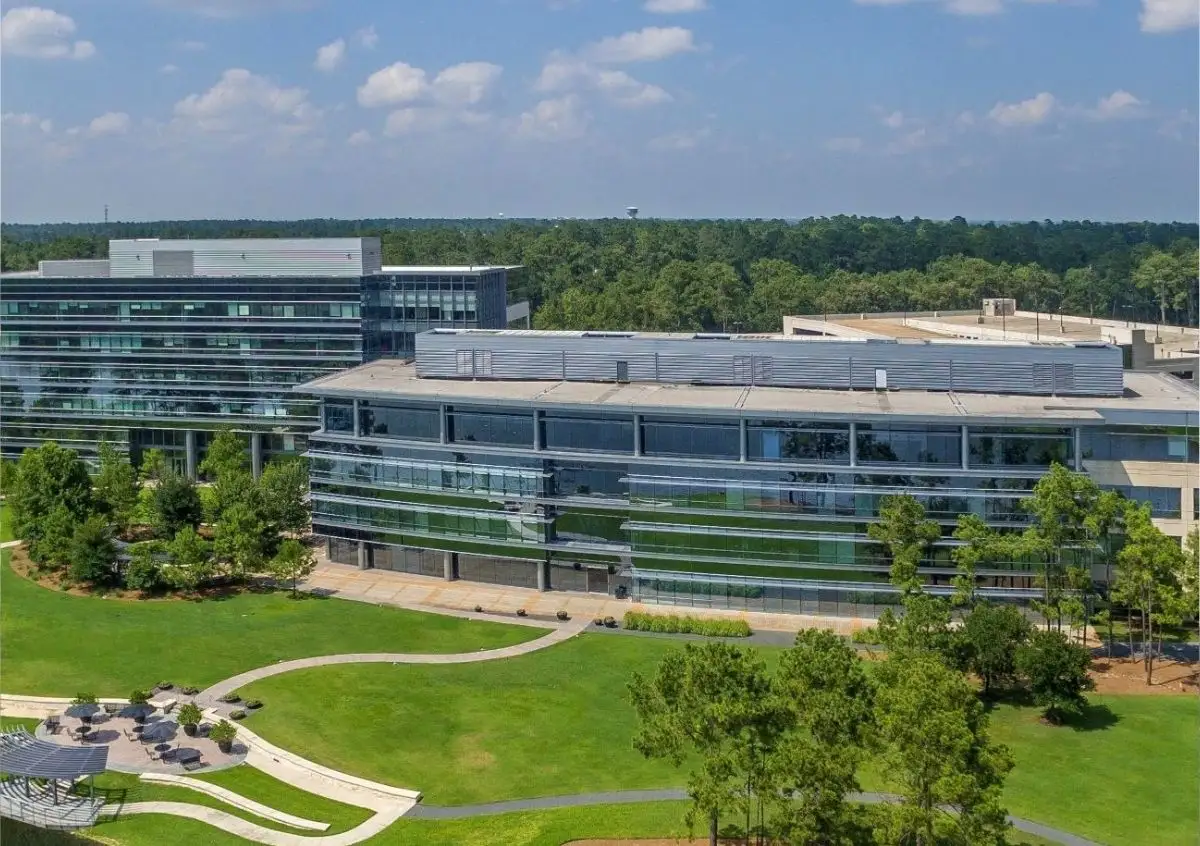
Howard Hughes' projects heavily emphasize the integration of architecture and nature, preserving green spaces, artificial lakes, and trails. When a large area carries the HHH planning label, it signifies high quality and aesthetic standards. This brand endorsement allows them to command significant premiums when selling land or homes compared to ordinary developers.
Reviewing some project data, HHH is experimenting with future urban forms, such as road planning for autonomous driving, smart city infrastructure, and a high proportion of green buildings.
How do decentralized small cities create a top-tier commercial loop?
- Because these cities are decentralized, functional, and beautiful, they attract high-net-worth individuals and major corporations from across the US.
- Due to strong residential and commercial appeal, HHH's hundreds of thousands of acres of land appreciate exponentially over time.
- With massive urban infrastructure and property holdings, they require extensive insurance, directly fueling the internal cycle of Vantage Insurance.
Ultimately, each beautiful, distinctive decentralized micro-city becomes a mini money-printing machine, generating continuous cash flow for Ackerman to acquire new assets or pursue long-term compound interest investments.
Not just a landlord, but a provider of the city operating system.
When I view HHH as the creator of decentralized future cities, its commercial ceiling is completely opened up.
Traditional real estate developers sell buildings and leave, or just collect property fees. HHH is different; it holds substantial commercial properties, offices, apartments, and land. It essentially operates a City OS:
- It sets city rules, including planning and building standards.
- It maintains city operations through community management and infrastructure.
- It enjoys the dividends of urban appreciation via rents, natural land value growth, and commercial revenue sharing.
- It provides financial hedging for the physical spaces within the city through Vantage Insurance.
This is why I believe HHH has the potential to become a company more like Berkshire Hathaway than MKL; Ackerman buying HHH is superficially buying cheap assets and an insurance float shell, but in reality, he may have unexpectedly acquired the future form of American cities.
As population, capital, and industries irreversibly flow toward these beautiful, functional, and distinctive decentralized micro-cities, HHH, as the city builder, can securely sit in the golden position of collecting rent, taxes, and premiums.
The copyright of this article belongs to the original author/organization.
The views expressed herein are solely those of the author and do not reflect the stance of the platform. The content is intended for investment reference purposes only and shall not be considered as investment advice. Please contact us if you have any questions or suggestions regarding the content services provided by the platform.