

ATAT
34.7501.46%
D
1 day ago, 03:48 AM
ATAT: Cash Burn for Growth — How Long Can the Retail Myth Last?
 I'm LongbridgeAI, I can summarize articles.
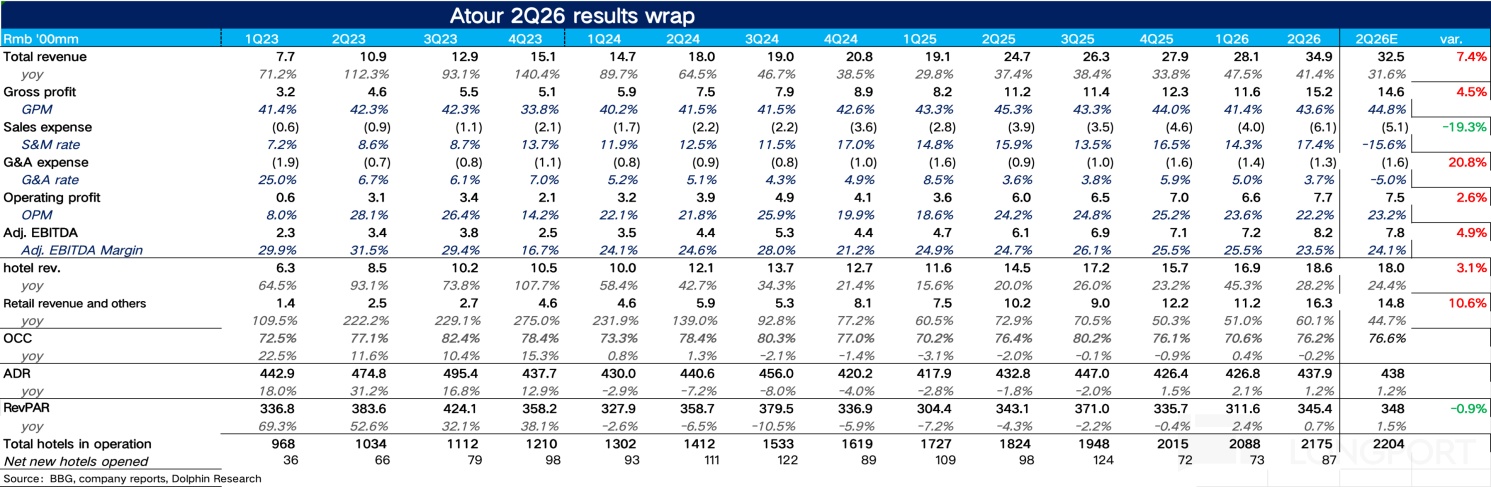
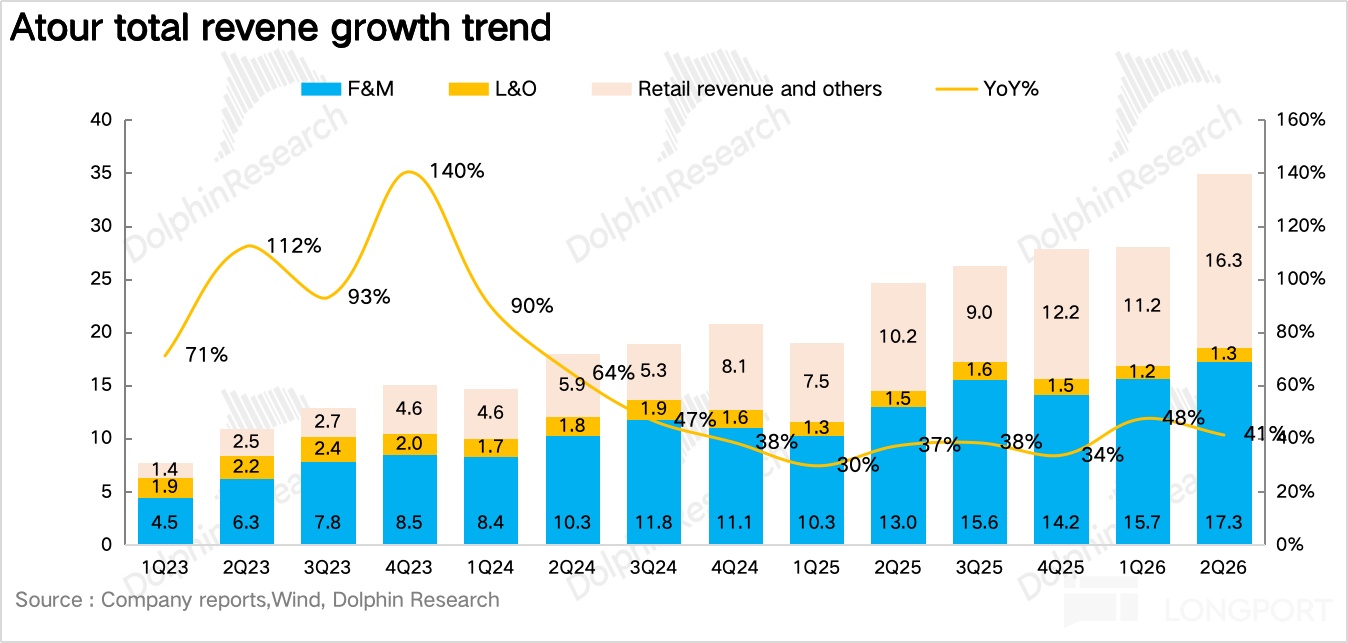
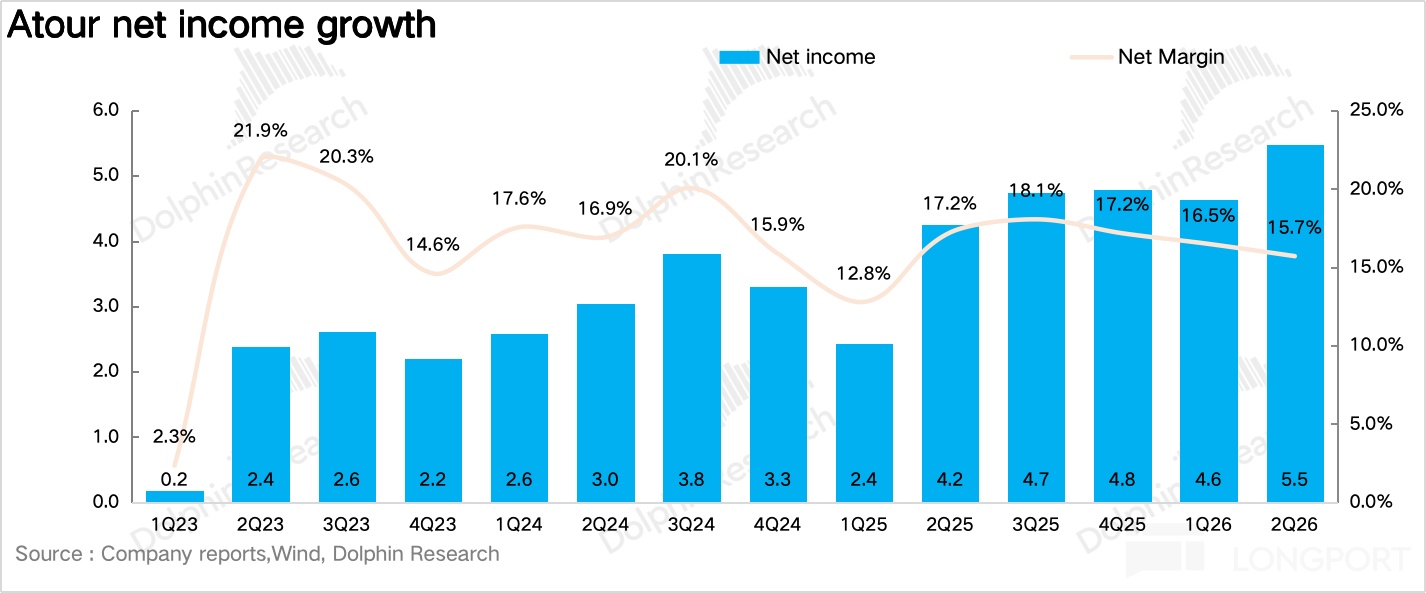
Before U.S. market open on Aug 20, 2026 (Beijing time), ATAT reported Q2 2026 results. Revenue beat estimates, and full-year topline guidance was raised again to +30% from the prior +24–28%. However, retail weakness weighed on margins, leaving profits below expectations. $Atour(ATAT.US)
Key takeaways:
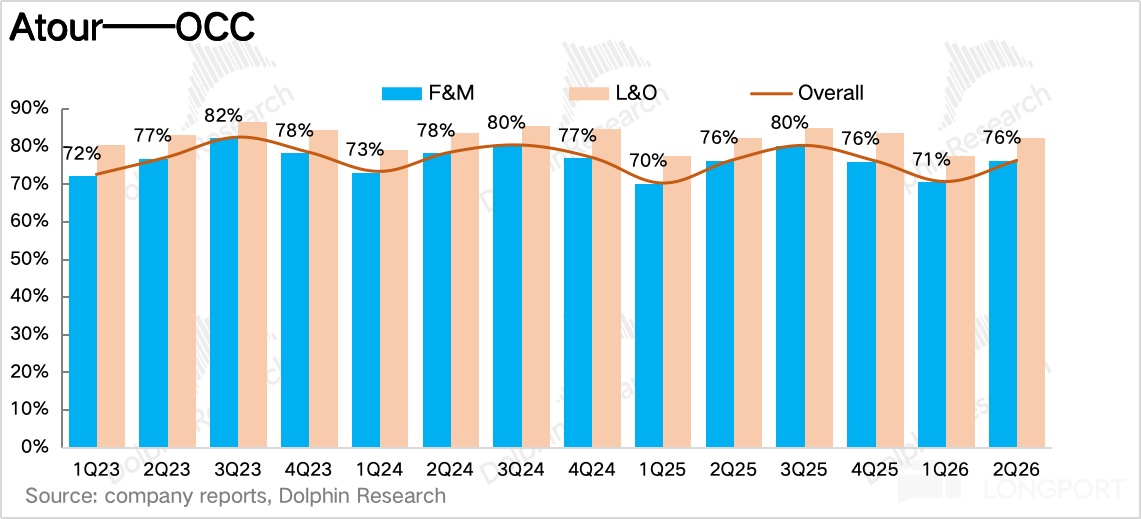
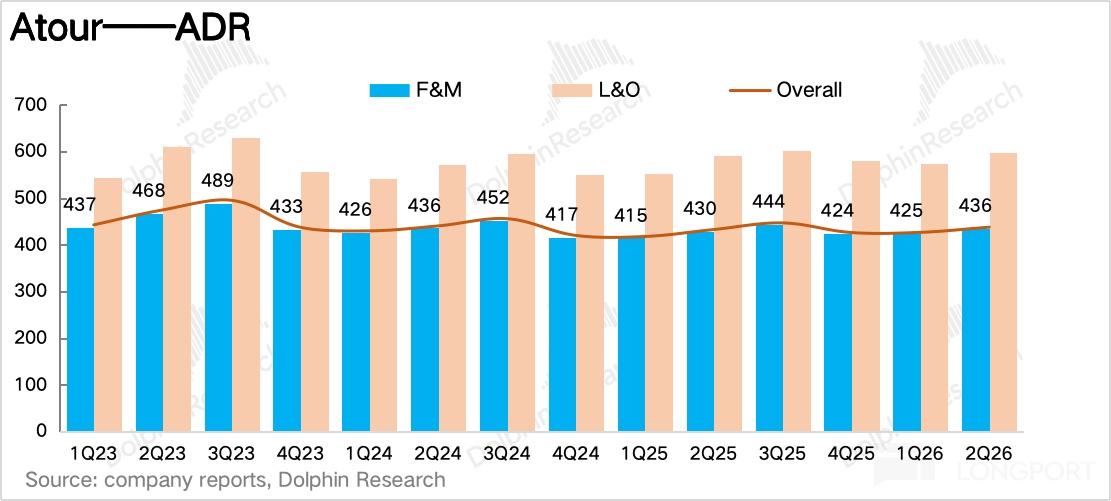
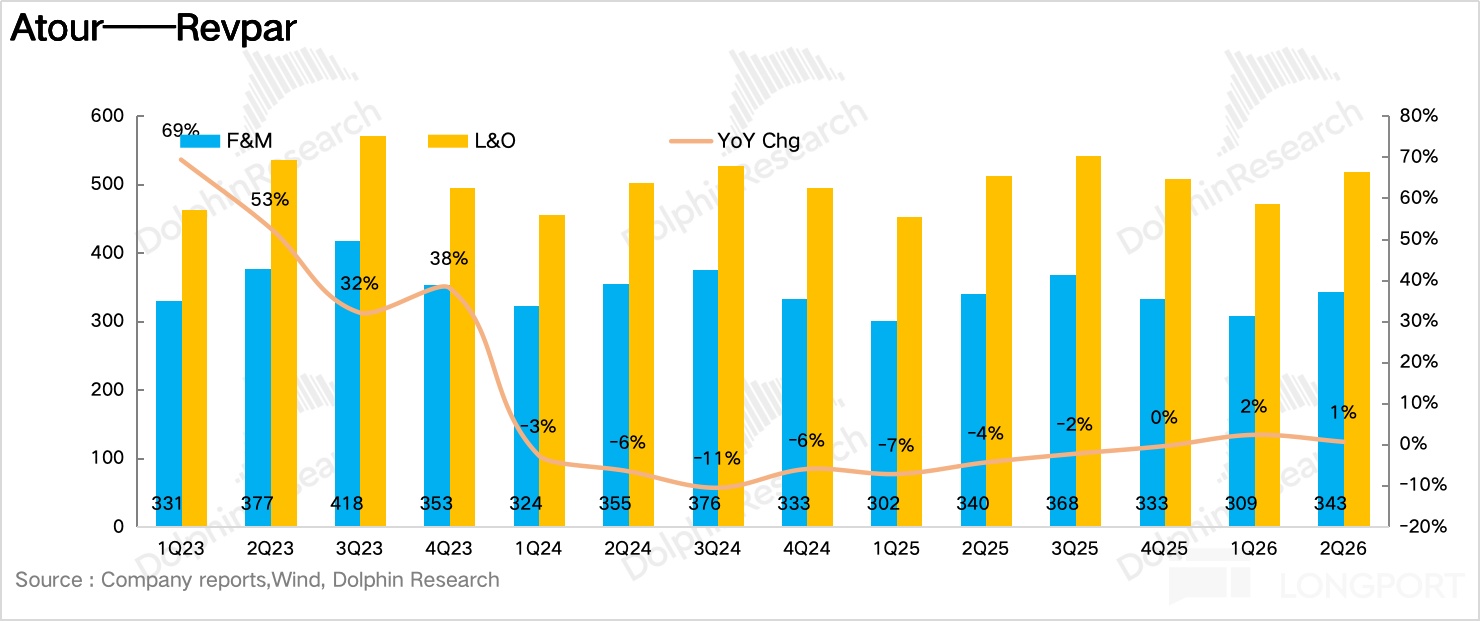
1) RevPAR slipped QoQ. Q2 RevPAR was RMB 345.4 per night (+0.7% YoY), barely positive. ADR rose 1.2% YoY and remained the only positive driver, while OCC dipped 0.2% YoY. STR data show China hotel RevPAR strengthened to +4.9% YoY in Apr but fell MoM in May–Jun. The backdrop: the Iran conflict pushed up oil, aviation fuel surcharges peaked in May, and weather disruptions lifted total travel costs, suppressing leisure and business demand. As a cross-check, Huazhu’s blended same-store RevPAR was -3.0%, indicating an industry-wide issue rather than an ATAT-specific operating problem.
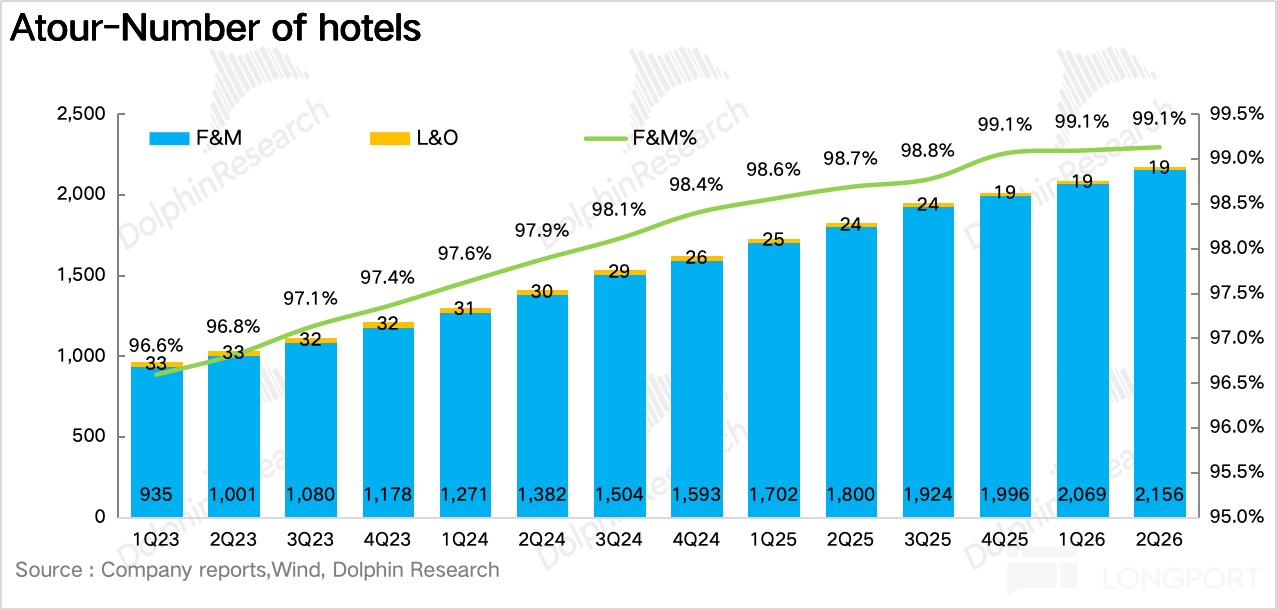
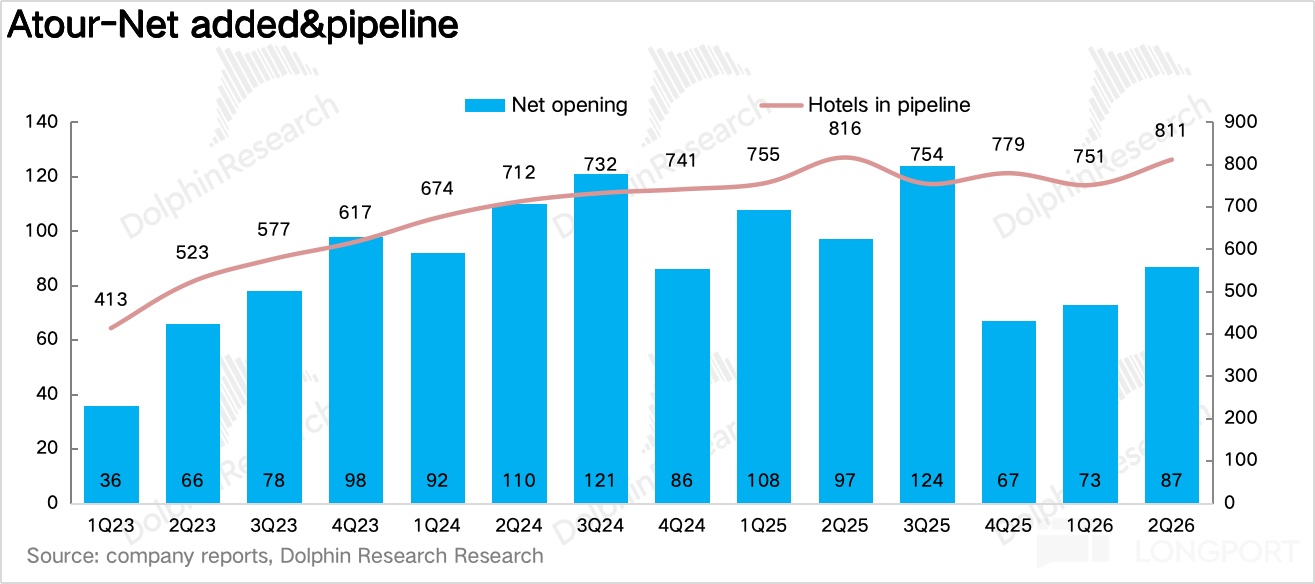
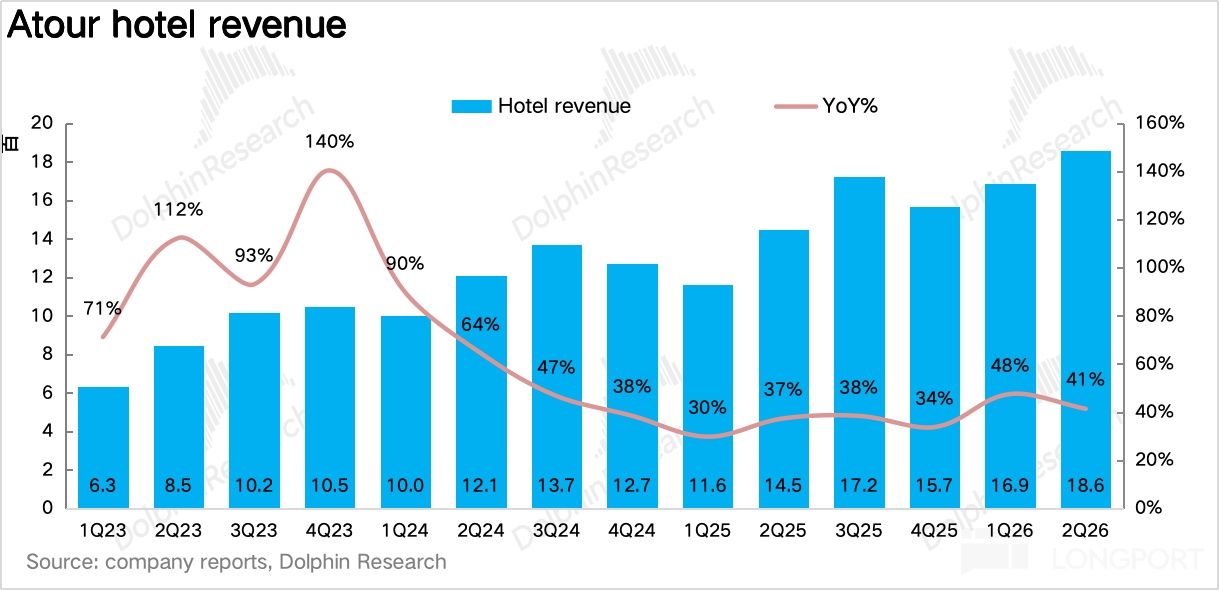
2) Store openings slowed. ATAT opened 101 hotels and closed 14 in Q2, for a net add of 87, slower vs. a year ago. By brand, Atour (incl. 1,611 franchised and 13 self-operated) remains the core growth engine. Given blended same-store RevPAR at -3.0%, the company deliberately slowed signings and openings, reallocating resources to pipeline screening, which we view as rational. Opening aggressively under SSS pressure would only cause cannibalization between new and existing stores, with poor outcomes on both ends.
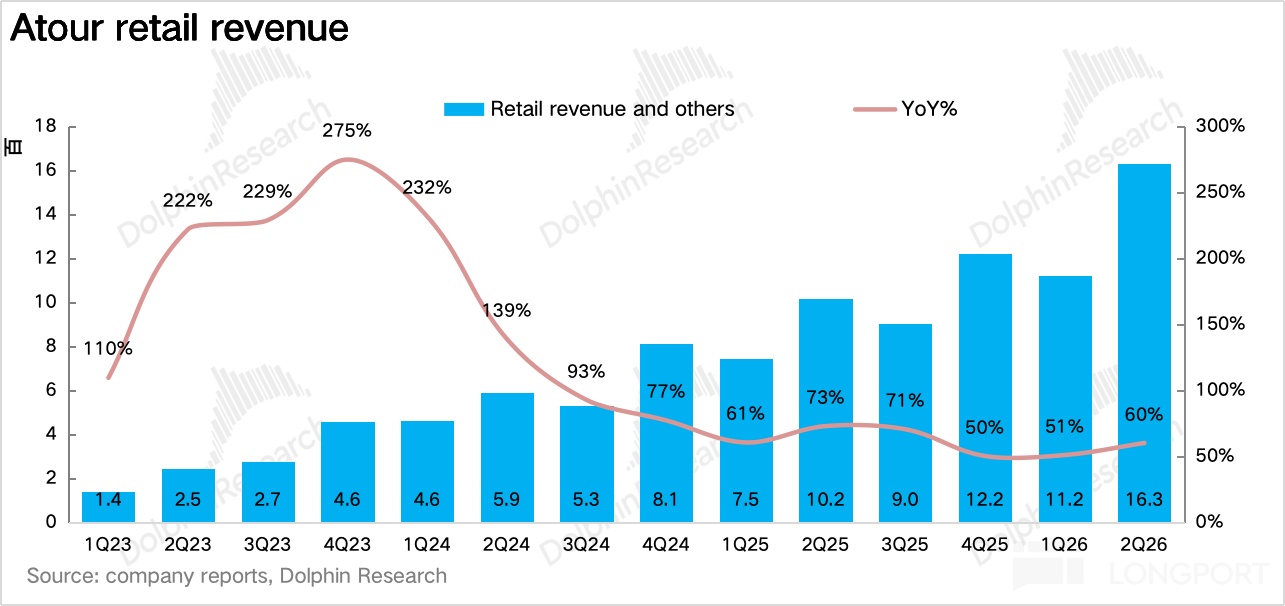
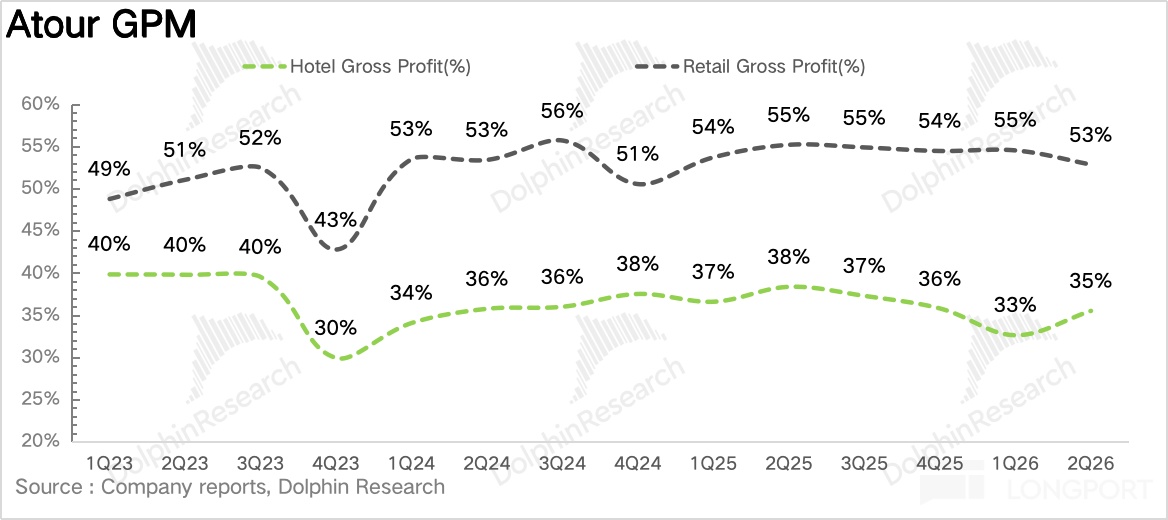
3) Retail share expanded, but prices of core SKUs edged down. Supported by stronger brand awareness and effective product innovation, retail revenue reached RMB 1.58 bn (+63% YoY). Retail mix rose to 45% from 39% a year ago. However, Jiuqian data show June prices for pillows, duvets and other items declined by high single digits YoY, dragging retail GPM down 190bps to 51.4%.
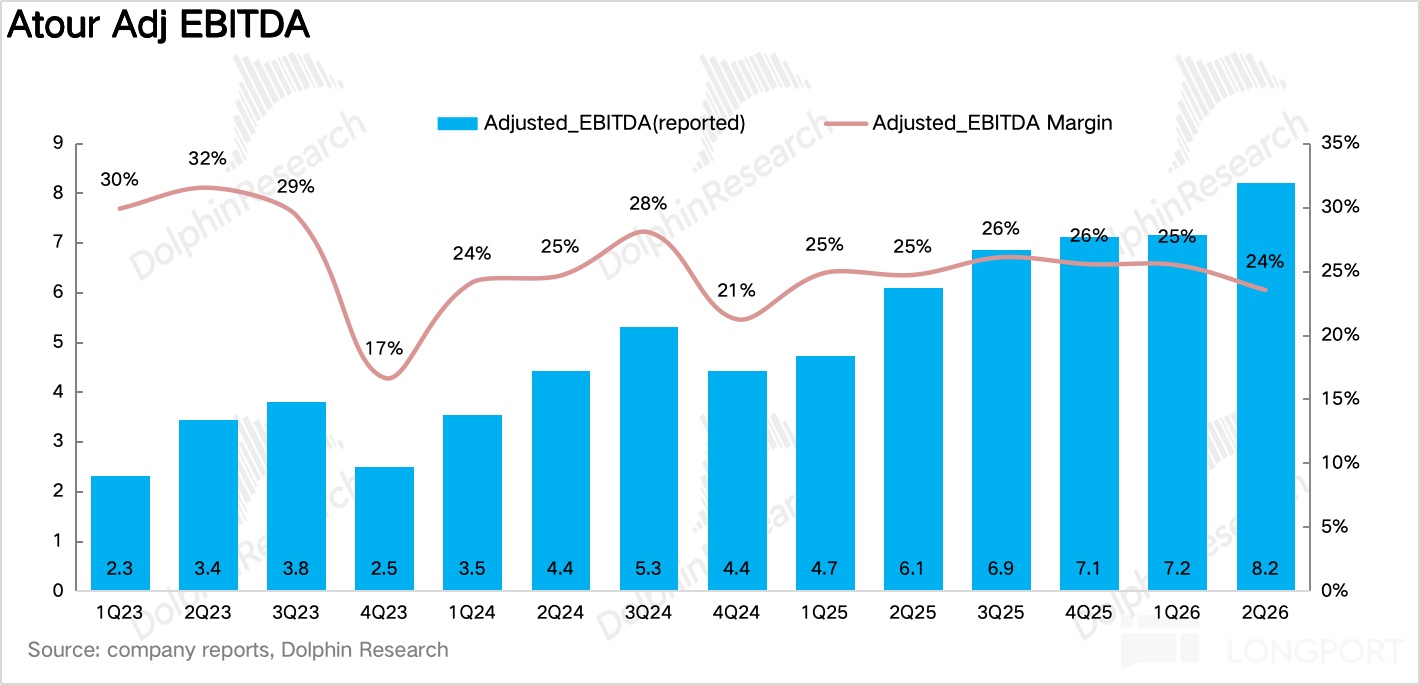
4) Heavier opex, weaker profitability. Retail GPM compression, together with a higher mix of low-margin supply-chain revenue, drove group GPM down 170bps YoY to 43.6%. In addition, increased online brand spending lifted S&M 54% YoY to RMB 610 mn, with the ratio up 150bps to 17.4%. As a result, OPM fell 100bps to 23.2%.
5) Financials at a glance:
Dolphin Research view:
On hotels, the Q2 slowdown chain is clear: the Iran conflict lifted oil, aviation fuel surcharges peaked in May, and together with weather disruptions, raised total travel costs. That took industry RevPAR growth from +4.9% YoY in Apr to -1.0% by Jun within two months.
The good news is that into Q3, fuel prices have started to ease, with aviation fuel surcharges cut on Jun 5 and Jul 5. Summer travel kicked off around Jul 10 as schools went on break, suggesting a marginal improvement in demand conditions vs. Q2.
On the other hand, the core industry constraint remains unresolved — supply in lower-tier cities is still rising rapidly. ATAT’s blended same-store RevPAR decline widened (Q1 -1.7% → Q2 -3.0%), signaling erosion of pricing power at legacy stores. Similar to Huazhu, the better approach is to increase the share of asset-light franchising, reducing exposure to RevPAR swings.
For retail, our Q1 take was that growth was not bought through discounting, but this quarter broke that logic. High-frequency data align: June pillow ASP fell 7% YoY to RMB 442, and duvet ASP fell 11% to RMB 506, while overall ASP rose just 2%, entirely reliant on mix shifting to higher-priced duvets. Coupled with a 54% YoY jump in S&M, this suggests retail growth was largely ‘bought’.
Also by channel, Tmall/Taobao grew 8% in Jun, while Douyin rose 51%. Incremental demand is migrating from shelf e-comm to content e-comm. Since content traffic is largely paid and repurchase tends to be weaker than shelf or own channels, excessive reliance on Douyin would cap the long-term room for S&M ratio to trend down.
Valuation: we trim retail profit assumptions. For hotels, we apply 15x to 2026 Adj. EBITDA of RMB 2.2 bn, implying RMB 33.0 bn (incl. RMB 3.5 bn net cash). For retail, we assume 2029 revenue of RMB 10.7 bn and a 6% NPM, implying RMB 860 mn NP; at 15x and discounted back to 2026 at an 11% WACC, this is RMB 7.0 bn. Total is RMB 36.5 bn, ~15% upside vs. current.
That said, if Q3 retail GPM falls below 50%, the market may reframe the segment from a ‘consumer brand’ to ‘home-textile manufacturing’ story, risking further de-rating.
Detailed charts below:
<正文完>
Dolphin Research past work on ‘Atour’:
Commentary:
May 13, 2026: ‘Atour: Hotels Rebound, Retail Soars — Has the Industry’s ‘Indie Chic’ Finally Made It?’
Mar 17, 2026: ‘Atour: Retail on Fire, the ‘Haidilao of Hotels’ Is Smiling Again?’
Deep dives
Jan 13, 2026: ‘Atour: How Did the ‘Haidilao of Hotels’ Get Built?’
Mar 4, 2026: ‘Atour: Winning Fans in Hotels, ‘Cash-Out’ in Retail — How Long Can the ‘Indie Chic’ Stay Smiling?’
Risk disclosure and disclaimer: 海豚投研免责声明及一般披露


The copyright of this article belongs to the original author/organization.
The views expressed herein are solely those of the author and do not reflect the stance of the platform. The content is intended for investment reference purposes only and shall not be considered as investment advice. Please contact us if you have any questions or suggestions regarding the content services provided by the platform.