D
 +8
+8
Sanhua Intelligent Controls: Core Business Sluggish, Awaiting Robotics Takeoff?
Reaffirmed full-year profit growth guidance of approx. 15% YoY. The outlook remains intact.
+8
SanhuaFinancial Analysis

Reaffirmed full-year profit growth guidance of approx. 15% YoY. The outlook remains intact.
+8Liquid-cooling revenue rose over 50% in H1 to approx. RMB 0.8–1.0bn and has been designated a key strategic focus for the next five years. However, a RMB 179 mn mark-to-market loss on investments, plus an additional RMB 290 mn YoY increase in FX losses, dragged attributable NP down 3.12% YoY. Management reaffirmed the full-year targets set at the start of the year and required NP growth to outpace revenue growth.
Data center-related new products are advancing on track. This year is expected to grow 50%-100% YoY.
Q1 revenue returned to positive growth. Back in positive territory.
On the afternoon of Mar 23 (Beijing time), 2050.HK released its FY25 annual report.
Headline results came in slightly below the midpoint of guidance, near the low end, missing sell-side expectations.Below is Dolphin Research's Trans of Sanhua Intelligent Controls' FY25 annual report earnings call.
---In the previous report, we reviewed Sanhua Intelligent Controls’ growth trajectory and core product lines.
In this piece, we look ahead to assess Sanhua’s runway in data-center thermal management and humanoid robotics.Any deep dive into the humanoid robot supply chain has to cover Sanhua Intelligent Controls.
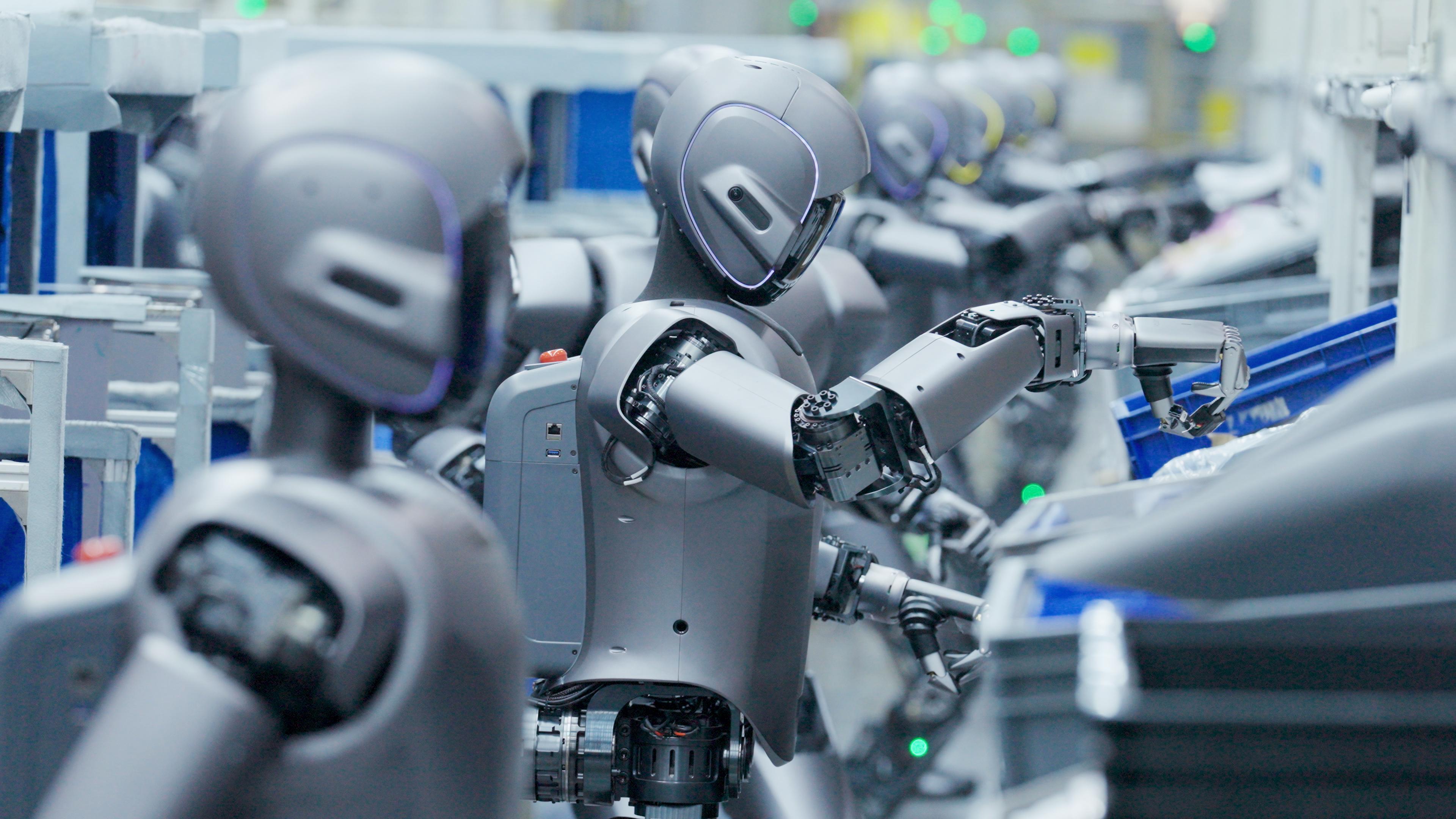
To unpack its core capabilities, we mapped the company in detail; as the first note in the series, we focus on its growth trajectory and exactly what it makes. Think of this as a concise 'running log' to set the groundwork for studying this manufacturing leader.In the humanoid robot supply chain, Sanhua Intelligent Controls is impossible to ignore. With Tesla's Optimus nearing mass production, Sanhua, as a core Tier-1 supplier to Tesla, is becoming increasingly tied to its humanoid robot program.
Tracing its roots to the 1970s, the company has grown from an almost artisanal village workshop into a global leader in refrigeration and automotive precision components, while continuing to push into new fields. It is a textbook case of Mainland China's manufacturing ascent. What capabilities powered this rise, and can they sustain its long-term competitiveness as it opens new markets?

