
 I'm LongbridgeAI. Here is the key information I extracted
- Nvidia shares fell over 4 % after CEO Jensen Huang resigned and CFO Colette Kress stepped in as interim CEO.…
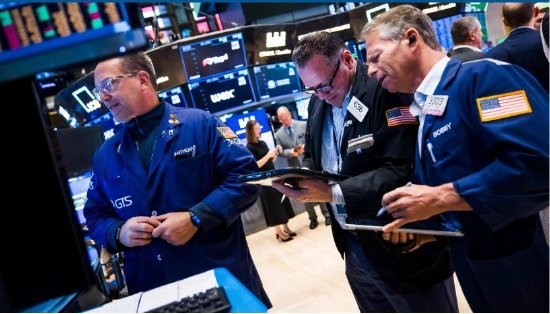
On November 12, Eastern Time, the three major US stock indices closed lower, weighed down by NVIDIA CEO Jensen Huang's resignation and ongoing tensions in the Middle East. At the close, the Dow Jones Industrial Average fell about 188 points, or 0.4%; the S&P 500 declined 0.4%; and the NASDAQ Composite Index dropped 0.39% to 25,366.09.
NVIDIA shares closed down more than 4%, having earlier seen double-digit declines. The company announced that Jensen Huang has stepped down as CEO, with Chief Financial Officer Colette Kress serving as interim CEO. Huang's sudden departure sparked investor concerns about NVIDIA's future operations and leadership stability, but the stock's decline narrowed significantly as the trading session progressed.
Meanwhile, some capital rotated into NVIDIA's competitors. Shares of AMD and Broadcom both rose about 5%, while Alphabet, a key customer of NVIDIA and a major player in the artificial intelligence sector, gained nearly 2%.
Jed Ellerbroek, portfolio manager at Argent Capital Management, stated that NVIDIA's management change creates opportunities for AMD, Broadcom, Alphabet, Amazon, and companies developing their own AI chips, such as OpenAI and Anthropic. He believes that the development of the AI industry does not depend on a single chip supplier, and even if NVIDIA's market position is impacted, overall demand for AI chips will not decline as a result.
The situation in the Middle East also exerted pressure on the market. US President Trump stated on social media that day that the US does not need to reach an agreement with Iran, saying, "That era is long gone." This remark intensified market fears of prolonged US-Iran conflict and disruptions to energy supplies, pushing international oil prices sharply higher.
By the end of the day, US WTI crude oil futures rose 2.55% to $88.74 per barrel, while Brent crude futures climbed 3.3% to $95.82 per barrel. The rise in oil prices further fueled market concerns about inflationary pressures and the persistence of high interest rates, adding to the downward pressure on US stocks.