

Rocket Lab USA, Inc. (RKLB) Learning Sharing

This article is reproduced, copyright: https://x.com/jason1730/status/1873031374233583932
$Rocket Lab(RKLB.US)
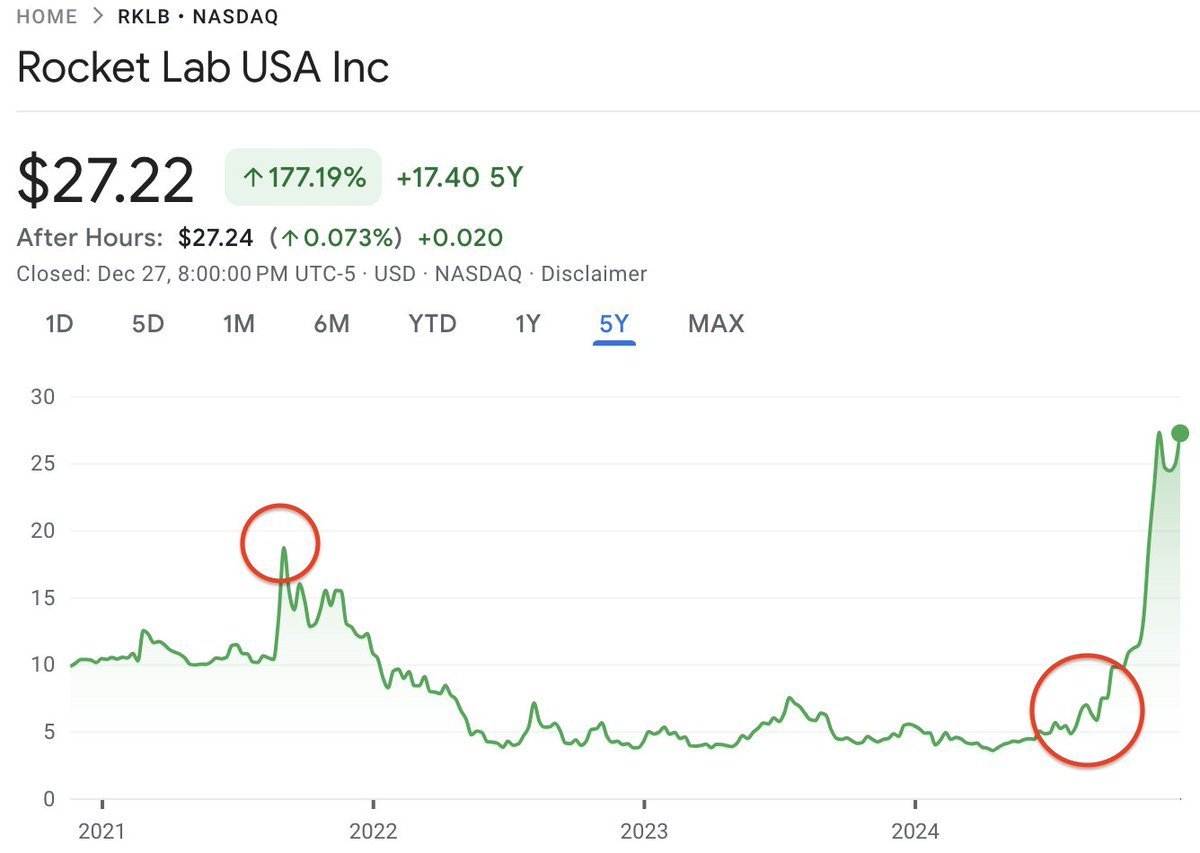
I have been observing this company for a while, and since I couldn't find serious and simple analyses of this company on X, I decided to do my own research and share it with everyone. I won't go into lengthy discussions, but will break it down into several posts. First, the conclusion: you haven't missed anything. $RKLB went public via SPAC in August 2021, peaked at the time of listing, and has been fluctuating down to this April. If you bought in May this year, you are indeed a stock god, with an 8x return. However, I believe the investment value of this company is just beginning.
From the name, you can tell that the company is registered in the United States, but the founder, Peter Beck, is from New Zealand. He has an account on X
He is not very active but communicates quite a bit externally. This company, with a market value of only $1.7 billion at the beginning of 2024, is the third largest orbital launch service company in the world. It is an orbital launch service, not suborbital launches like Blue Origin's New Shepard. If you take a closer look at the chart, you will recognize the first and second places, but currently, you cannot invest directly in them, while $RKLB is available.
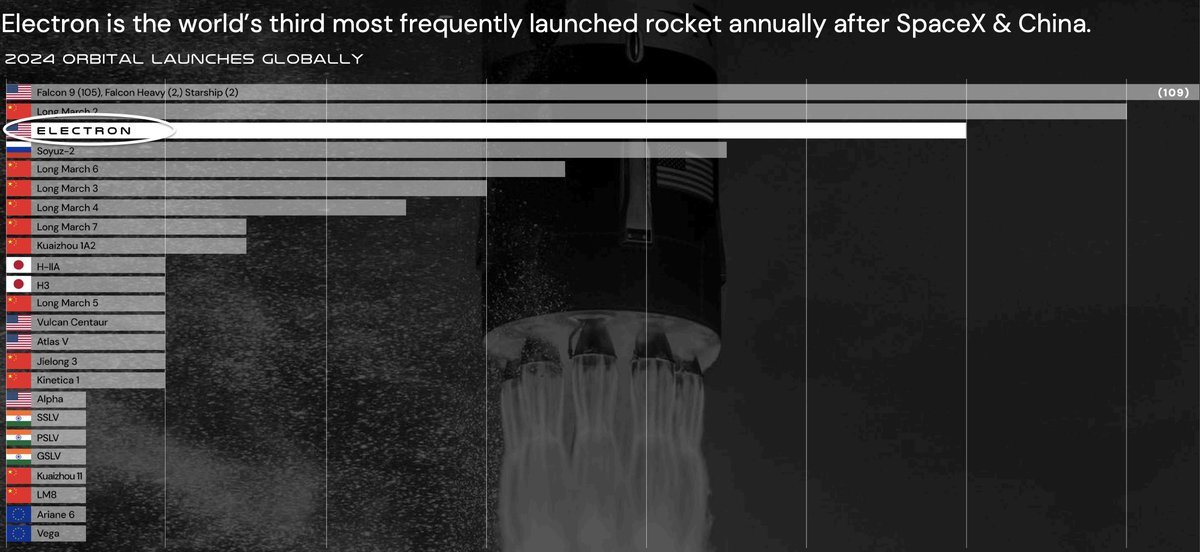
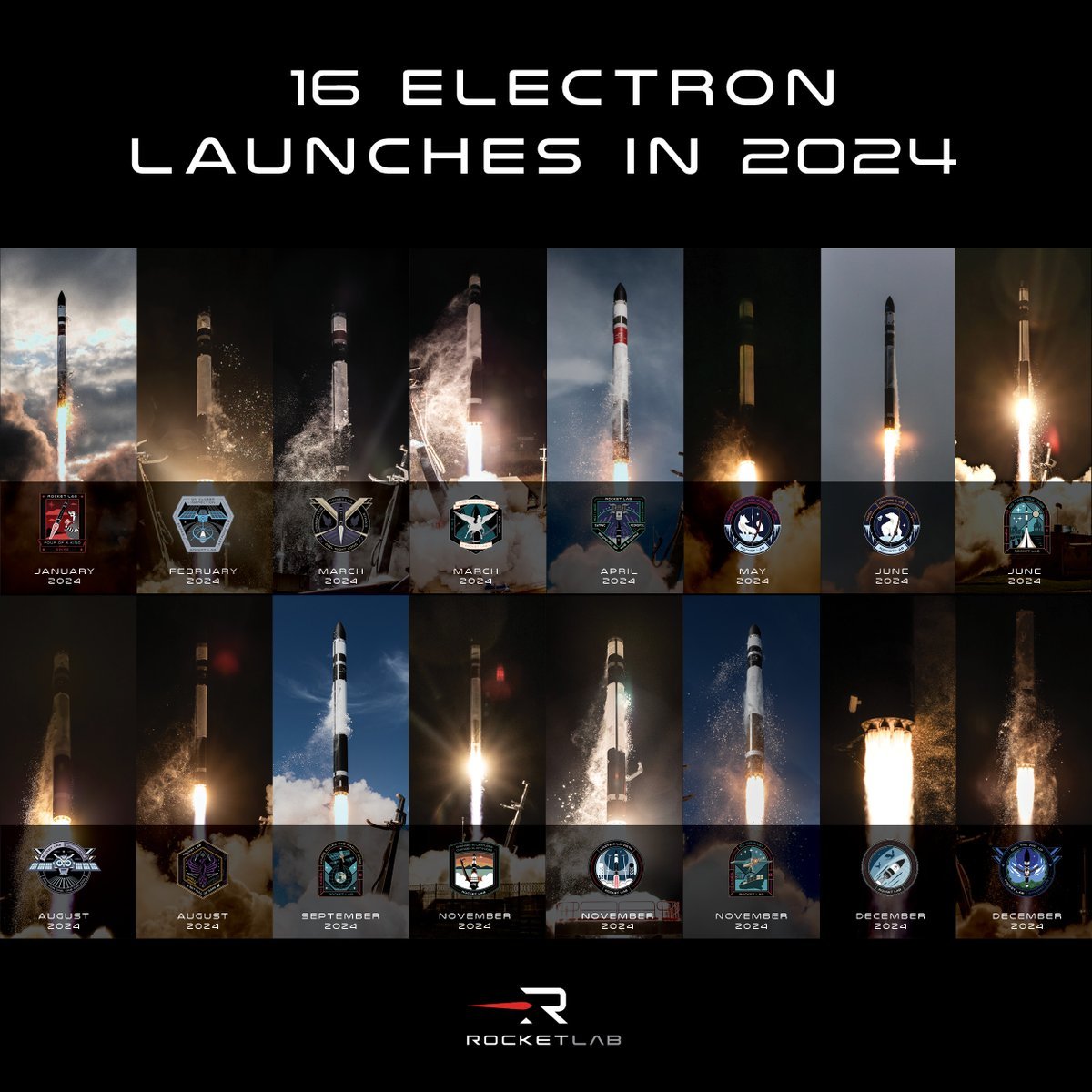
The main rocket model currently undertaking major launch tasks for RKLB is Electron. This is not the most exciting model, which I will discuss later, but it is key to our investment opportunity. Let's start with Electron: after going public in August 2021, the number of launches conducted through Electron each year has been: 9 in 2022; 10 in 2023; and 16 in 2024. The backlog of orders for launch and aerospace business this year is $1.05 billion
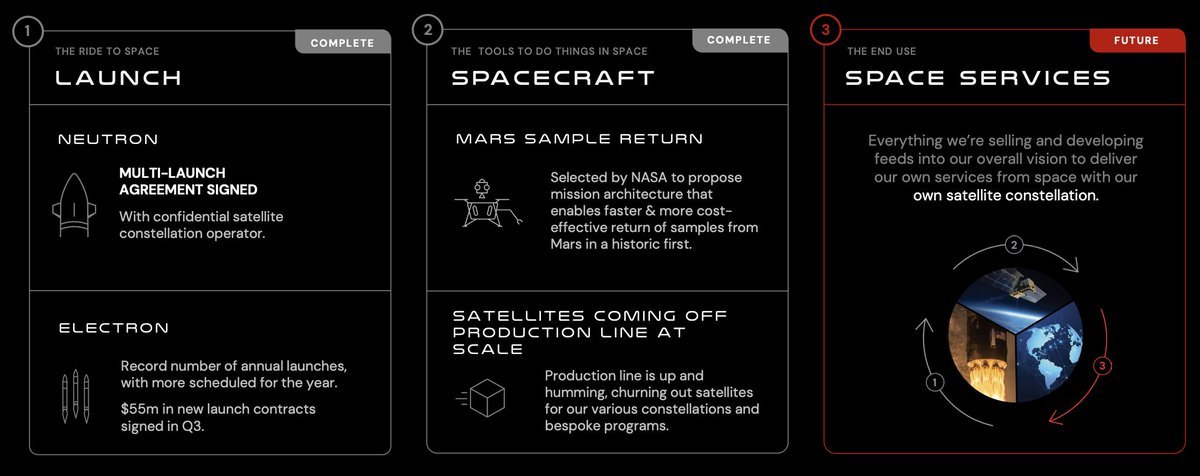
Currently, the busiest rocket for the company is the Electron, but RKLB is not just a launch service company. The founder has positioned the company very uniquely: "designed, built, integrated, tested, and operated by Rocket Lab," making it a true end-to-end space company. In simple terms, the company not only provides customizable, low-cost orbital launch services but also helps clients design, manufacture, and deploy satellites and space equipment. It is currently undertaking NASA's Mars sample return mission. However, I think that's not sexy enough; the sexy part is still the rocket, more on that later.
Currently, the Electron rocket executing commercial missions for RKLB is the only recoverable small rocket in the world. The recovery part, like SpaceX's Falcon 9, is Stage 1, which is recovered through ocean splashdown and helicopter retrieval. Although it is not as efficient as landing back at the original site, it still has the lowest launch cost among lightweight rockets, keeping the company ahead in the fiercely competitive lightweight launch market. But that's still not sexy enough; more on that later.
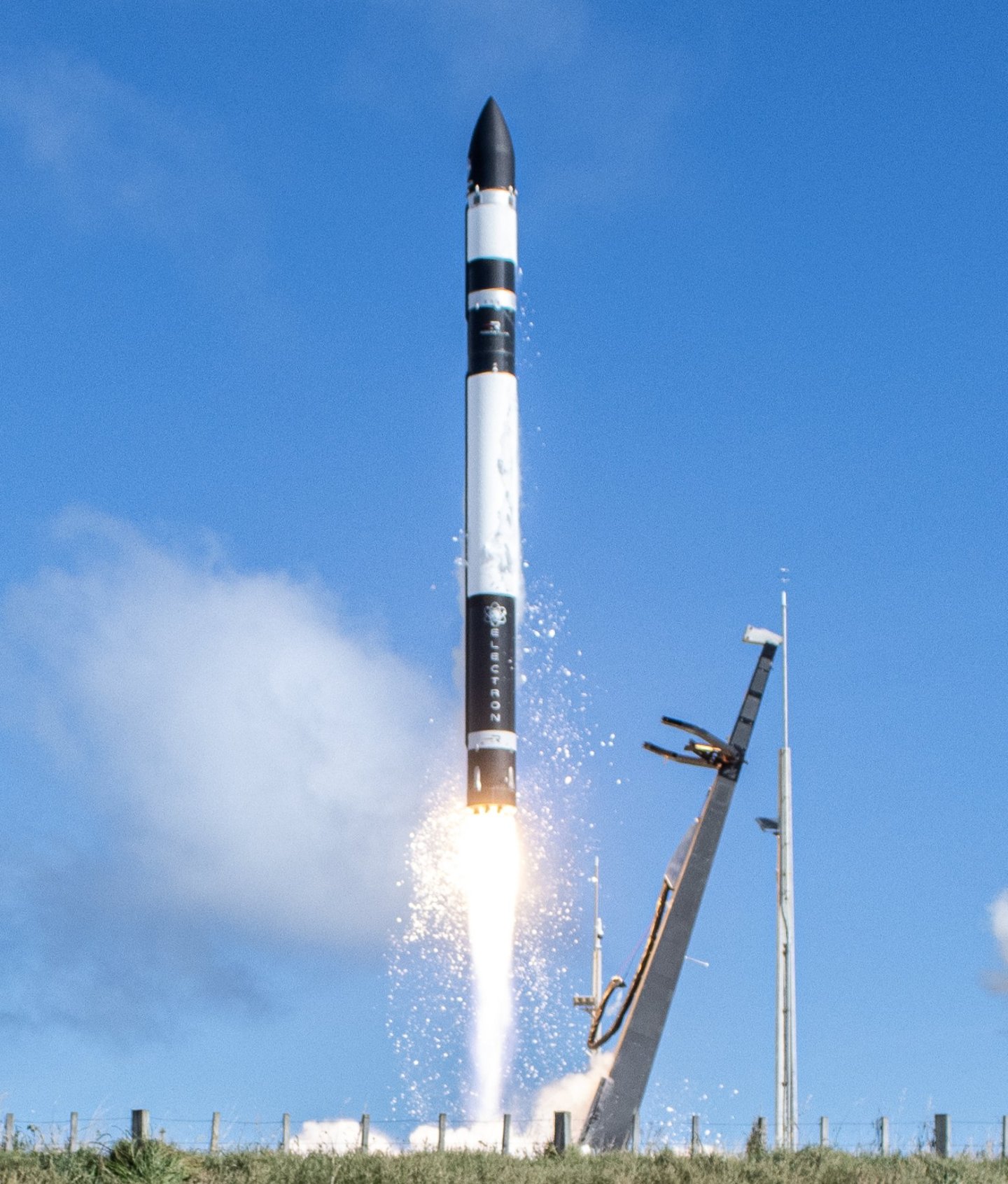
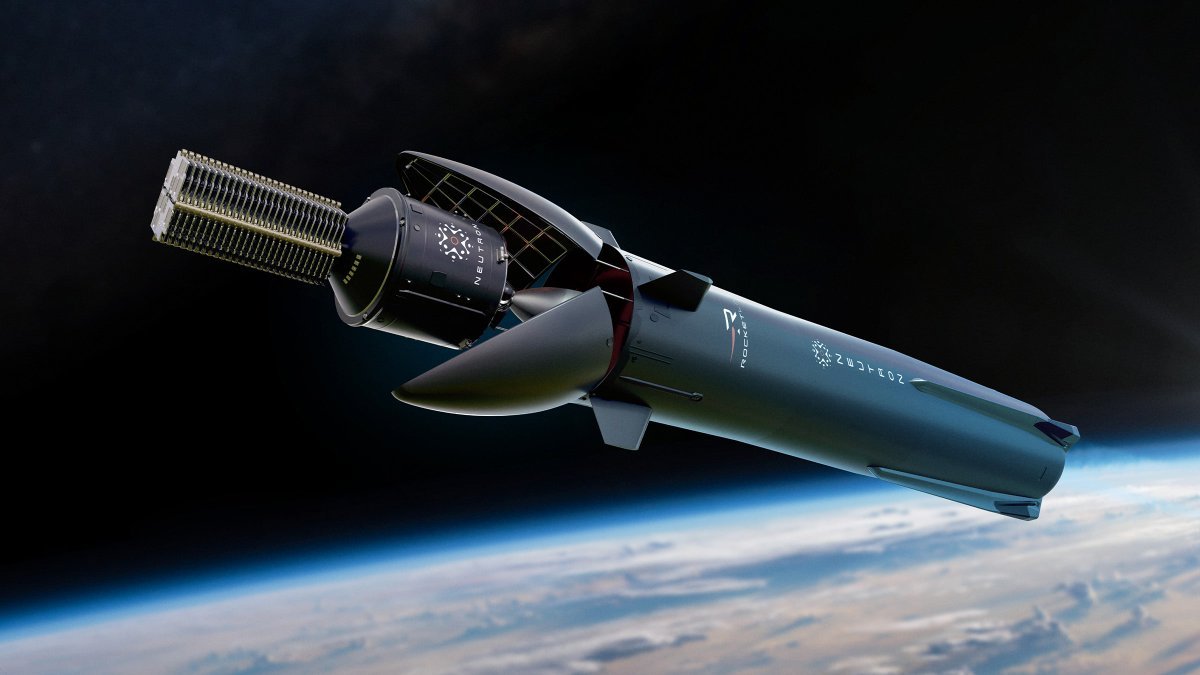
In the rocket launch process, fuel only accounts for 0.5%-1% of the total cost, with most costs coming from Stage 1. The higher and more complete the recovery efficiency of this part, the lower the launch cost, and the faster the continuous launch speed. RKLB has endowed this capability to their next model, the Neutron rocket. The Neutron can be fully recovered on-site, including Stage 2, which is key; more on that later.
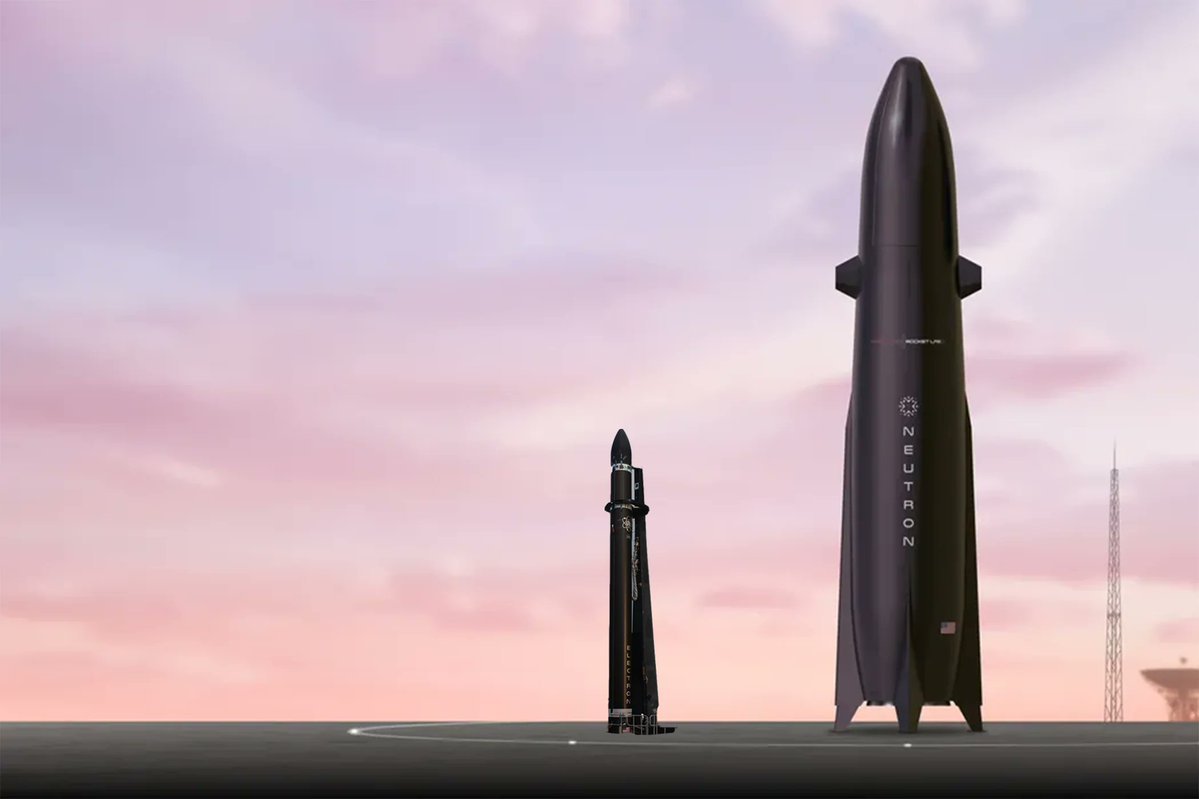
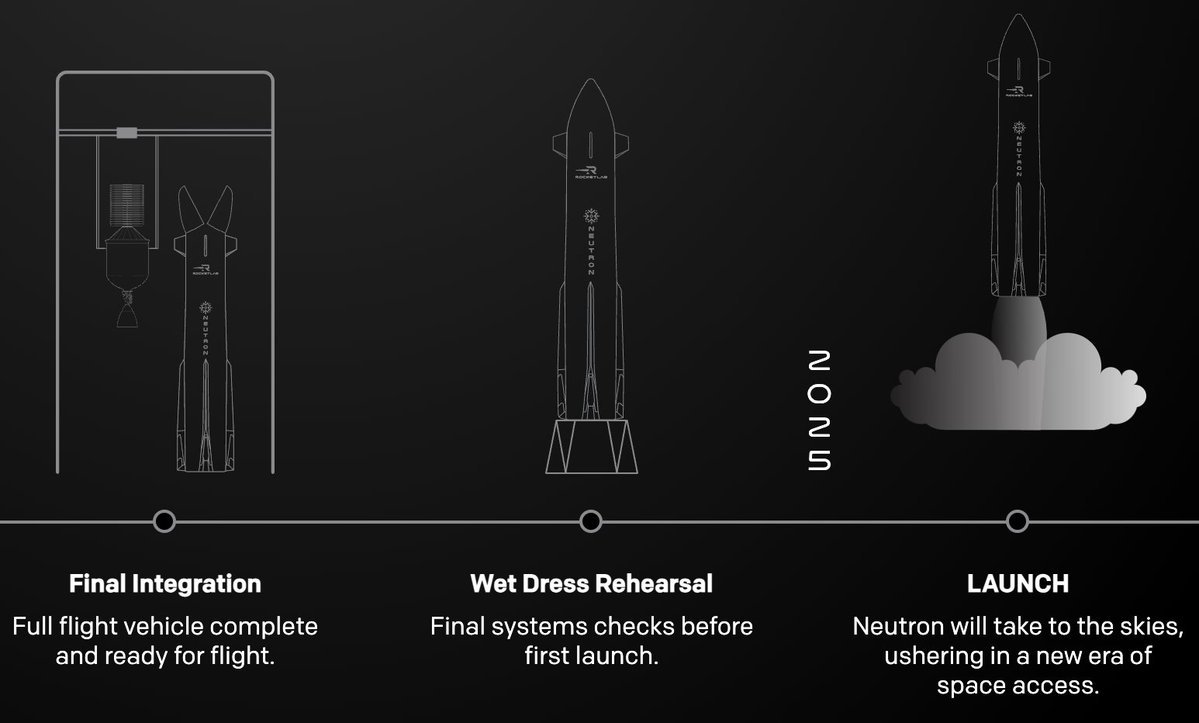
The previously mentioned Electron rocket has an effective payload of 300 kg at 18 meters, while the Neutron has an effective payload of 13,000 kg at 43 meters. There is no competition with SpaceX, and it is also staggered from Blue Origin's New Glenn (which has not yet successfully launched into orbit). The Neutron's Stage 2 and Stage 1 are integrated, and after launch and delivery to orbit, it can return completely, achieving even higher efficiency than the Falcon 9. You might be wondering when the Neutron will launch?
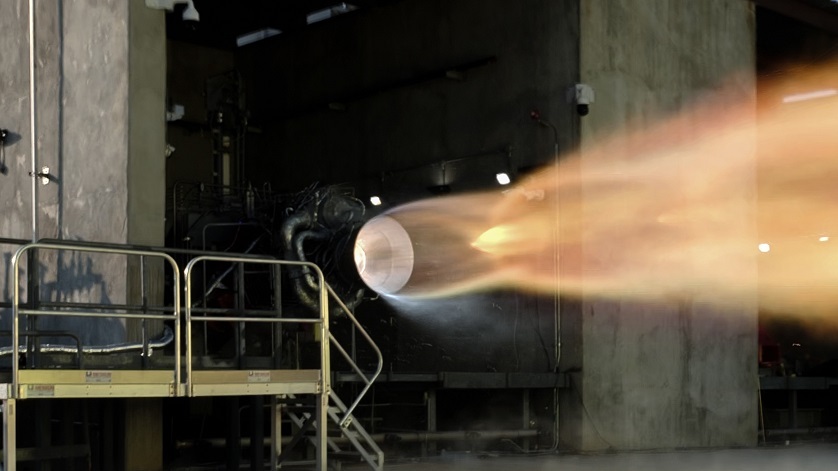
In Q3 2024, single-quarter revenue grew by 55%, reaching $105 million. The price for a single launch of the electronic rocket has increased from $5 million to $8.4 million. Current losses mainly stem from the R&D of Neutron. Last year, $355 million was raised through a secondary offering and convertible bonds. Before the successful launch of Neutron in 2025, any financing and secondary offerings will be my personal entry time and will not affect you. Thank you for reading.
The copyright of this article belongs to the original author/organization.
The views expressed herein are solely those of the author and do not reflect the stance of the platform. The content is intended for investment reference purposes only and shall not be considered as investment advice. Please contact us if you have any questions or suggestions regarding the content services provided by the platform.
