


No need to worry about missing the last boat when going overseas, every wave brings new opportunities!

Source: Dolphin Society Member Services
Author: Dolphin Society
The first session of Dolphin Society's "50 Chinese Entrepreneurs on Globalization" forum, titled "Global Perspectives," aims to break cognitive boundaries, transcend industry limitations, and gain new strategies for traffic, branding, and globalization.
Featured Guest Speaker: Li Chengdong — Founder of Dolphin Society, Angel Investor in New Consumer Brands, and E-commerce Strategy Analyst
Formerly worked at Tencent E-commerce's President's Office and JD.com's Strategy Department. With over a decade of focus on the e-commerce industry, he is a renowned opinion leader in e-commerce and internet sectors, founder of Dongge Investment, and founder of Dolphin Society.
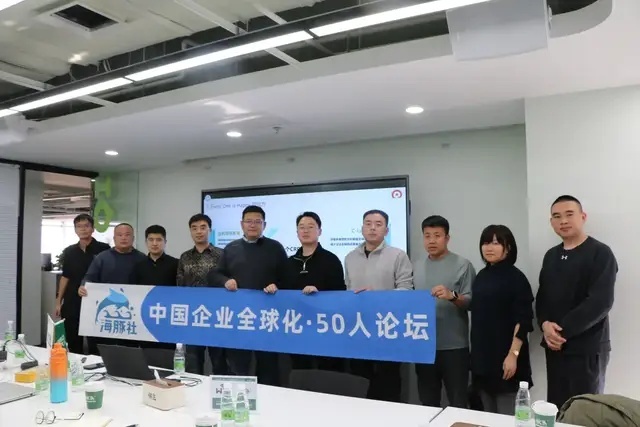
On November 29, the first session of Dolphin Society's "50 Chinese Entrepreneurs on Globalization" forum brought together over a dozen brand founders from across the country to discuss: The Essentials of Corporate Globalization. A deep dive into the Age of Exploration, drawing "inspiration for globalization" from historical lessons.
Below are key takeaways for reference and learning.
01 Why is Dongge Focused on Globalization?
Many friends know that Dongge started in e-commerce at Tencent, later moved to JD.com, and then ventured into investment and consulting, primarily in the consumer sector. These experiences gave me a deep understanding of the pulse of the domestic market.
Around late 2019 and early 2020, I decided to create a brand community. Why? Because by then, it was clear that pure traffic-driven e-commerce had become a thing of the past—it was merely a change in channel form, not a fundamental new opportunity. Many investors around me were eyeing the consumer sector, and the atmosphere was heated, but I felt that window was closing.
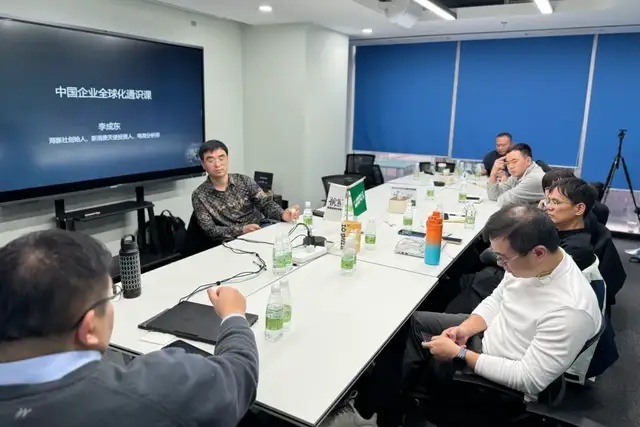
Sure enough, things took a sharp downturn. I used to organize offline brand exchange events, but now I’ve mostly stopped. The reason is simple: a healthy brand community needs two parties—brands (the 乙方) and investors (the 甲方). Now? The investor side is almost "wiped out." No one dares to invest in consumer brands lightly anymore, and the entire channel has become "mono-directional," rendering exchanges meaningless.
Recently, a highly successful company approached me. They specialize in chestnuts, ranking first in their category, with annual profits of 200-300 million RMB and revenue of over 2 billion RMB. They wanted funding, but domestically, I couldn’t introduce them to anyone. No one is investing in consumer brands anymore, and IPOs are off the table. Can you imagine? A profitable, top-tier company is shut out of capital markets simply for being in the consumer sector. This case made me realize: At the domestic table, some games are no longer sustainable.
So, my pivot was forced—but inevitable. Starting about two years ago, I decisively shifted my and my team’s focus overseas. When domestic opportunities peak, going global isn’t a choice—it’s a survival imperative.
02 Lesson One: Learn to "Hitch a Ride"
"Hitching a ride" is the most efficient globalization strategy. This is especially critical for investors or those aiming for large-scale business.
What does this mean? Don’t think about starting from scratch in an unfamiliar market. Learn to identify and integrate into the ecosystems of those who’ve already succeeded abroad. The best opportunities are often seen "top-down." Running a street-side shop, you can grind your way up; but to capture epochal 红利, you need top-down vision and resource-linking capabilities.
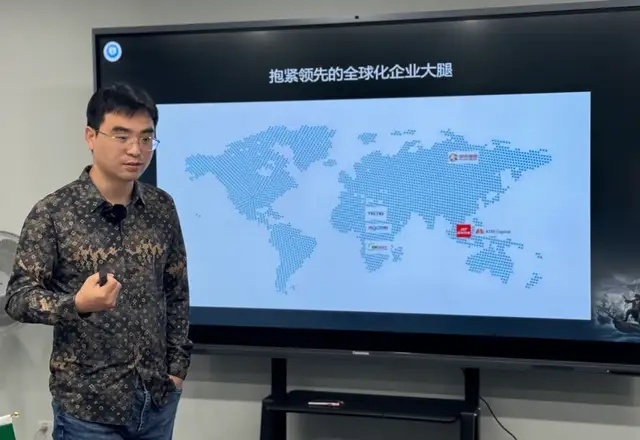
Here are a few real-world examples of "hitches" from #DolphinSociety# members:
Huaxun Group: Achieved 7 billion RMB in Russia, deeply tied to local oligarchs, with access to minerals, energy, and retail channels—providing a ready-made entry point for newcomers. Want to do legitimate business in Russia? Through them, doors open instantly.
Transsion Holdings: The "King of African Phones" is the obvious "hitch." But few know how many ecosystem partners it has incubated and empowered.
Super Grain: This company is legendary. On the surface, it’s unremarkable, but if you dig deep into business operations across Africa, you’ll find its shadow everywhere. It doesn’t do ordinary business—it operates at the grassroots, building localized "relations and security networks."
My advice: Don’t just bury yourself in market reports. First, identify the strongest Chinese "anchor" in your target market and find ways to connect. That’s the shortcut.
03 History Doesn’t Repeat, But It Rhymes
I’ve spent a lot of time studying the Age of Exploration. Not to show off, but because I realized that many fundamental challenges Chinese companies face today in globalization were already played out centuries ago. History doesn’t repeat, but it rhymes.
First, what’s the core driver of globalization? It’s when internal space runs out, forcing outward expansion. 15th-century Portugal and Spain were like this—domestic economies 僵化, riddled with 矛盾, with tales of gold and spices as the only stimulant. This is identical to today’s domestic industries 卷到极致,被迫出海寻找增长。
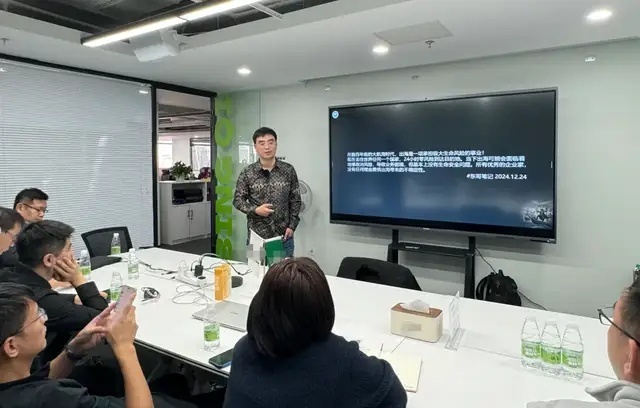
Second, success is often highly accidental. Textbooks say Portugal sought new routes to the East. Nonsense! Initially, they just wanted to control Ceuta in North Africa to monopolize Mediterranean trade. A captured prisoner 偶然 mentioned "gold south of the desert," so their fleet inched down Africa’s west coast. The Cape of Good Hope was discovered after a storm blew them off course. So, don’t treat globalization as a flawless plan—it requires action and embracing uncertainty.
Third, wealth evolves. Early on, it was 赤裸裸抢劫 (Spain looting 美洲金银). Later,抢劫不完, they turned to plantations (sugar, cotton), requiring slave trade and 三角循环. Then, Britain’s "trade protection" spurred the Industrial Revolution (banning Indian cotton to protect domestic wool, then cotton). Today, our 出海 is hybrid:资源获取 (1.0),消费品/工业品输出 (3.0),互联网/服务业探索 (4.0). Each wave brings new opportunities—no need to regret missing the last boat.
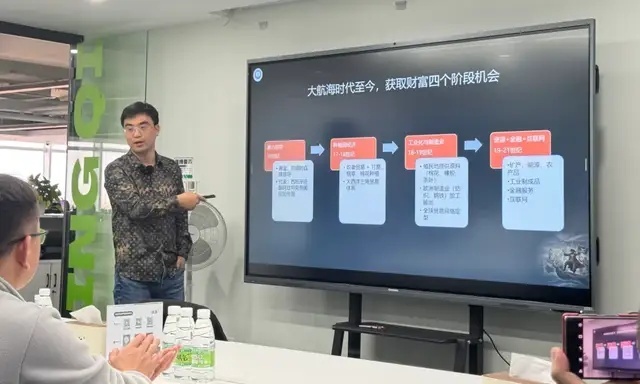
Compared to our predecessors, our 出海 environment is infinitely better. Columbus’s crew was one-third prisoners, with over 50% mortality. Today? Fly anywhere in 24 hours, safety guaranteed, information vastly richer. What’s there to fear?
04 Entering the "System Export" Era
China’s globalization has entered a new phase: the "System Export" era. No longer just selling socks or toys, but exporting 供应链, business models, and talent as integrated systems.
Examples from my investments:
- Consumer Brands:茉莉奶白立足欧美,单店盈利极强; "10 stores earn 100M/year, 100 stores = 1B—beating airlines."蜜雪冰城 expands rapidly in 东南亚 via extreme 性价比。
- Supply Chain/Logistics:极兔 started because OPPO needed reliable logistics for 手机新品营销 in 东南亚. "Goods were lost, hurting branding," so they built their own logistics, now a giant. "Demand forces infrastructure, which enables ecosystems."
- Professional Services: e.g., "Sinbad," helping firms integrate 本地工厂 in 摩洛哥,土耳其,埃及 for 柔性化生产。
- Talent 红利: 10 years ago,出海 firms poached 华为/中兴 veterans. Now,人才库 is rich—小米, OPPO, vivo, etc., have trained global talent. Some even hire ex-500 强 local execs. Our talent base is transformed.
China’s globalization is shifting from "Made in China, Sold Globally" to "Global Talent + Global Supply Chains + Global Markets."
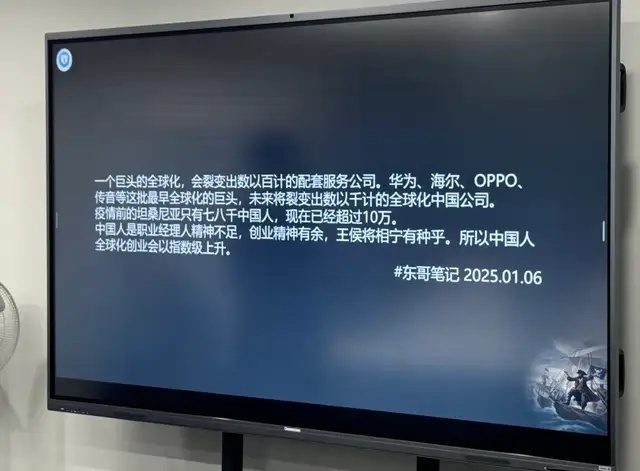
05 Focus on Africa—Our Generation’s "New World"
Of all directions, Africa excites me most and holds my long-term conviction. It’s the highest-certainty growth continent for the next 20-30 years.
1. Rock-Solid Fundamentals: Resources + Demographics. Africa’s mineral resources are the world’s last treasure trove. More crucially, its average age is <20, with explosive growth. I estimate ~3B people in 20 years—a massive, virgin 消费/劳动力 market.
2. China’s Role Has Fundamentally Shifted. Early Chinese in Africa were traders or small restaurateurs. Now, from 赞比亚铜矿,坦桑尼亚铁路,尼日利亚家电组装,肯尼亚移动支付, to 埃塞俄比亚工业园, we’re systematically enabling 非洲工业化. From "scraping-by 个体户" to "capital/tech/organization bringers," we’ve moved from the fringe to center stage—"deities" in local elites’ eyes.
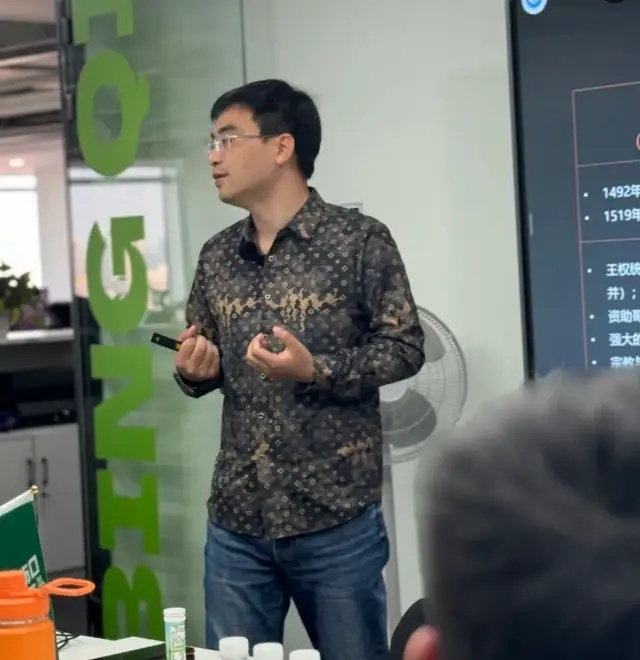
3. Opportunities Are Multi-Layered. A newcomer might start with 手机配件组装 or 服装贸易; scaling up, they’d 本地化生产 or even upstream 原材料加工. As investors, we see 衍生 gaps in 金融,物流,专业服务. e.g.,中国电动车 sales in Africa create 充电网络,维修保养,汽车金融 opportunities. A long, rich-value-chain market.
4. Compliance Is Key. A friend’s 非洲电动车厂 faced daily 税务 "troubles" post-launch—turns out competitors were behind it. Overseas,合规 isn’t a cost—it’s a moat. Ditch the "get rich quietly" mindset; play by local rules in the sunlight.
06 Final Advice—Ecosystem Thinking & Long-Termism
To all globalization aspirants, my heartfelt advice:
- "Niche" Mindset: Don’t obsess over 颠覆 ing others. Ask: What unique value can you add to 华为,传音,极兔,TikTok’s "super networks"? Being a great "ecosystem partner" is the lowest-risk, highest-success starting point.
- Historical Perspective: Think in 5-, 10-, even 50-year terms. The Age of Exploration lasted centuries; we’s just writing a new chapter. The East India Company’s peak wealth pales vs. today’s mid-sized 出海 firms.
- Professional Services Matter: Tax, legal, HR, customs, intel—cutting corners domestically is fatal overseas. Pay for expertise—it’s non-negotiable.
- The Only Shortcut: There’s no true shortcut, but if one exists, it’s "hitch the right ride, join the right circle." Through communities like #DolphinSociety#, learn from those who’ve walked the path—it’ll save you countless pitfalls and tuition fees.
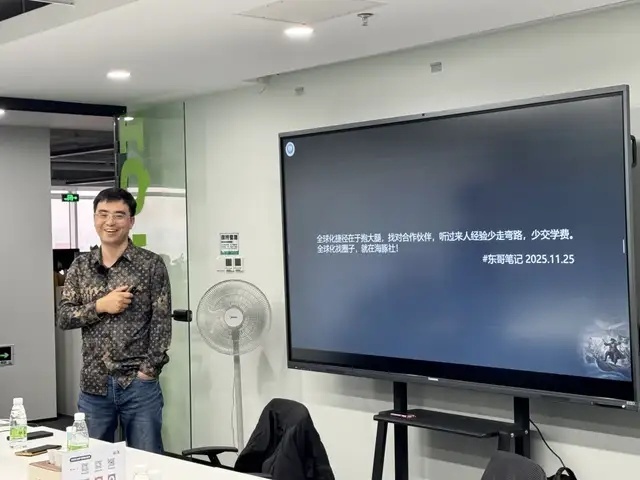
Globalization is a challenging adventure—but also our generation’s greatest 商业 frontier. I’m already on this journey and look forward to meeting fellow travelers on the global stage.
The copyright of this article belongs to the original author/organization.
The views expressed herein are solely those of the author and do not reflect the stance of the platform. The content is intended for investment reference purposes only and shall not be considered as investment advice. Please contact us if you have any questions or suggestions regarding the content services provided by the platform.
