

 Likes Received
Looking at Today's Iran War from the 1970s Oil Crisis

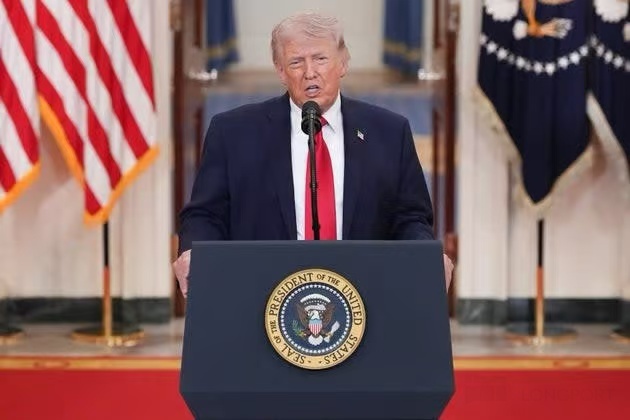
This morning, Donald Trump's tough stance on Iran caused oil prices to surge, and the three major Wall Street stock index futures, as well as global stock markets, fell in response, directly wiping out the gains from the previous trading day. So what exactly is the market worried about? $Invesco QQQ Trust(QQQ.US) $SPDR S&P 500(SPY.US) $Dow Jones Industrial Average(.DJI.US)
Reviewing the 1970s Oil Crisis
If we look back to 1973, when Arab countries represented by Egypt and Syria launched a surprise attack on Israel (the Fourth Middle East War), and Western countries like the United States chose to support Israel. This directly triggered dissatisfaction among oil-producing countries. In retaliation for Western support for Israel, oil-producing nations, with OPEC at their core, made a historically significant decision: to use oil as a weapon. The specific approach had two steps: first, imposing an oil embargo on countries supporting Israel (especially the United States), and second, proactively cutting production. The results were dramatic. In just a few months, global oil prices soared from about $3 per barrel to nearly $12 per barrel, increasing several times over. For the Western economy at the time, this was almost a sudden brake. Because oil was the foundation of almost all industrial activity in that era—power generation, transportation, manufacturing—all depended on it.
What happened next was the truly far-reaching part. The oil price surge quickly spread throughout the entire economic system: corporate costs rose sharply, commodity prices generally increased, and inflation rapidly emerged. But at the same time, high costs suppressed economic growth, corporate investment decreased, and unemployment rose. In other words, the economy was both "getting more expensive" and "getting worse." This gave birth to a term that would be repeatedly mentioned later: stagflation. Before this, many macroeconomic theories assumed "high inflation = hot economy," "low inflation = cold economy," but this crisis shattered that perception: inflation and recession can occur simultaneously. The U.S. economy at the time fell into such a dilemma. On one hand, inflation soared; on the other, growth was weak, leaving policy in a bind: if interest rates were raised, it would further hurt the economy; if they were cut, inflation would spiral out of control.
Similarities Across Eras
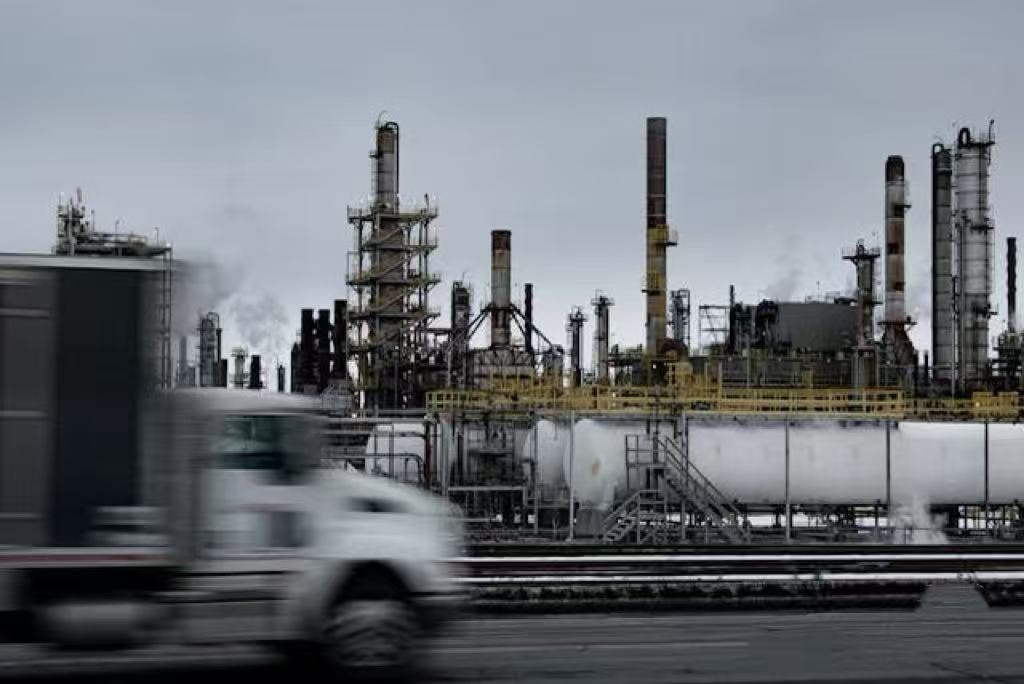
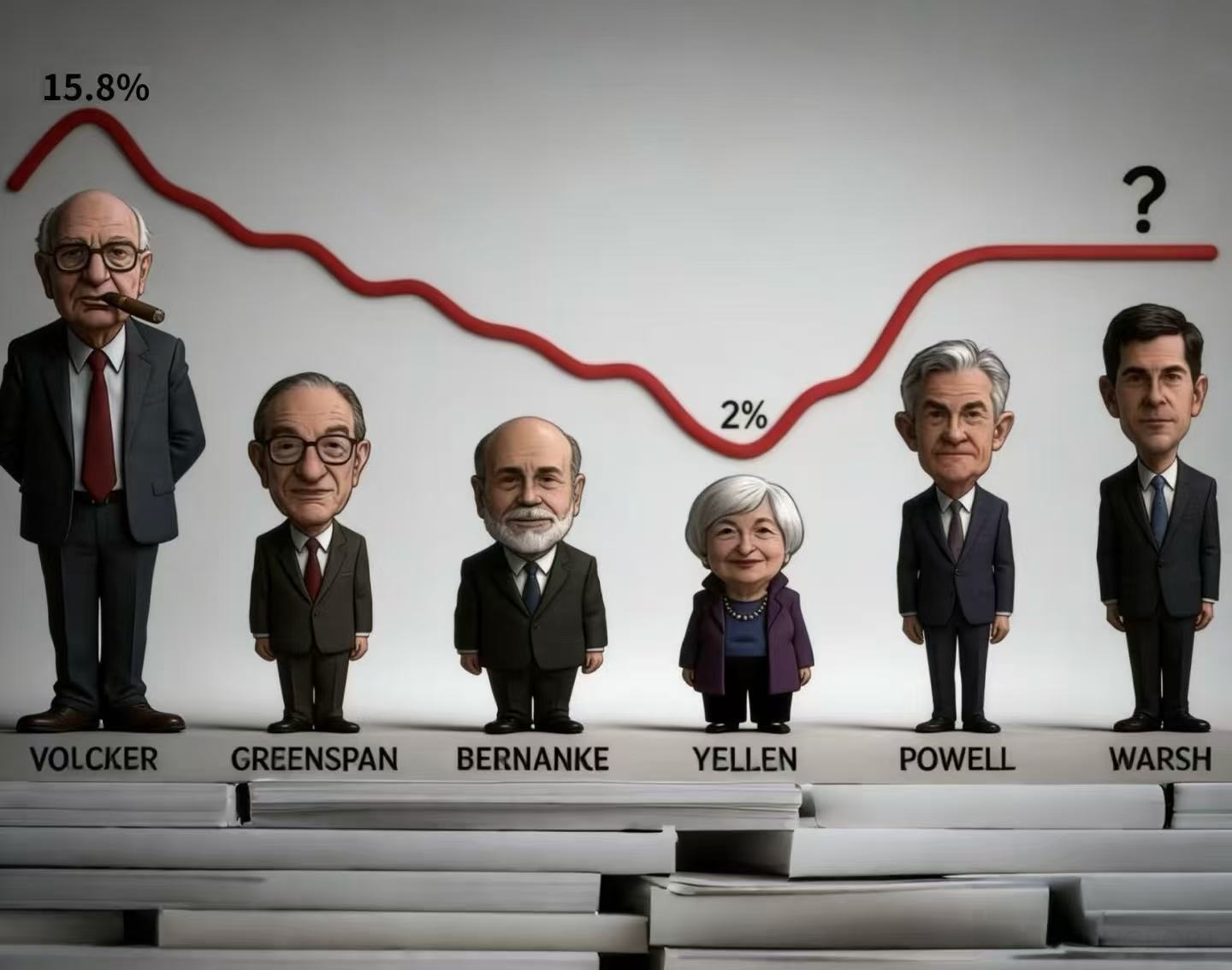
From an economic perspective, the current blockade of the Strait of Hormuz and the 1973 OPEC oil production cuts and embargo can both be attributed to artificially created supply-side shocks. Supply shocks have always been the most severe stress test for central banks. The Federal Reserve Chairman Arthur Burns at that time faced not only the inflation problem itself but also direct intervention from the White House, as President Nixon was in a re-election cycle and was extremely sensitive to economic growth and employment, thus preferring to maintain a loose monetary environment. Under these circumstances, Burns found it very difficult to adopt sufficiently aggressive tightening policies to combat inflation. The result was that inflation was not suppressed early on; instead, under the combined effect of the supply shock and policy delays, it continued to accumulate, eventually evolving into an uncontrollable "wage-price spiral." Does the situation Arthur Burns faced seem familiar? It is almost identical to the pressure Powell now faces from Trump.
It wasn't until later, when Paul Volcker became Chairman of the Federal Reserve and used extremely aggressive high-interest-rate policies, that inflation was finally brought down in the early 1980s, but at the cost of an economic recession. However, the core of Volcker's policy was: "Better a recession than unchecked inflation."
Then vs. Now
However, compared to the 1970s, the energy intensity of developed economies has significantly decreased, and their dependence on oil-producing countries has markedly weakened. Moreover, the shale oil revolution, led by the United States, has significantly increased the elasticity of supply from non-Middle Eastern regions. Additionally, after experiencing the inflation control of the Paul Volcker era, the Federal Reserve has established clear inflation targets and more forward-looking policy tools, making inflation expectations easier to anchor.
However, the lesson from the runaway inflation of 2021-2022 shows that these structural improvements and advantages cannot make people rest easy. Long-term economic stability often breeds arrogance among policymakers. At the same time, the market is also worried that the worst-case scenario is if the United States is dragged into a protracted war of attrition by Iran, and the Strait of Hormuz does not reopen for a long time, the oil supply gap will be even harder to fully fill. In such a situation, the Federal Reserve's policy space would be further compressed, and expectations for interest rate cuts would become even harder to realize. Theoretically, when interest rate expectations rise, stock valuations (especially for growth stocks) are compressed, and rising risk-free yields also cause funds to flow out of the stock market into bonds or cash-like assets.
The copyright of this article belongs to the original author/organization.
The views expressed herein are solely those of the author and do not reflect the stance of the platform. The content is intended for investment reference purposes only and shall not be considered as investment advice. Please contact us if you have any questions or suggestions regarding the content services provided by the platform.
