

 Likes Received
Where did xAI's 220,000 GPUs go? What you need to know about the neocloud concept

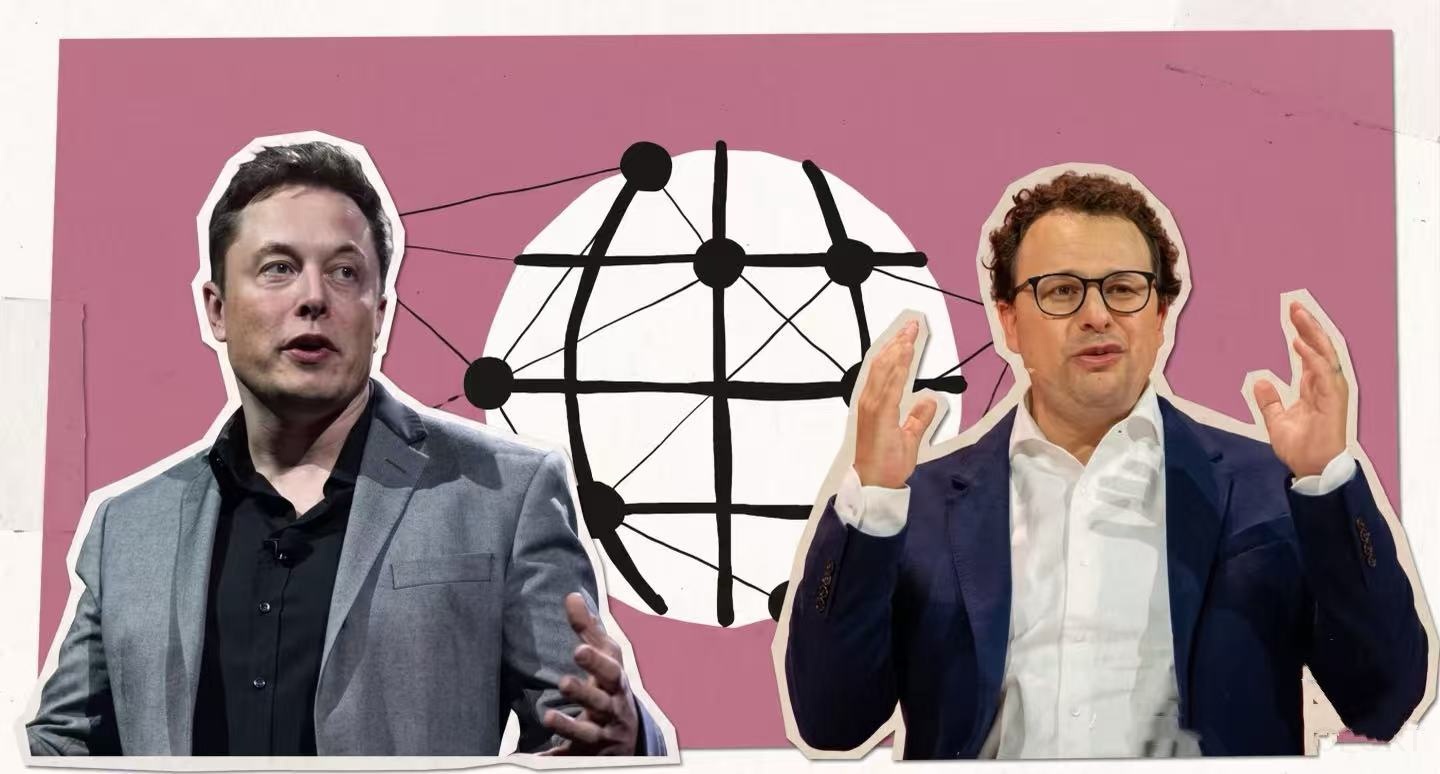
On May 6th, in San Francisco, at the Anthropic Developer Day, Dario Amodei stood on stage and announced—they had just signed a massive 300-megawatt computing power deal with SpaceX, equivalent to 220,000 NVIDIA GPUs.
Around the same time, Musk decided that xAI would no longer exist as an independent brand. Its computing power, its Grok, its engineers—all were absorbed into "SpaceXAI" under SpaceX.
On one side, Anthropic secured computing power; on the other, the company xAI dissolved and disappeared. But they are part of the same story.
Those 220,000 GPUs from xAI didn't vanish; they changed owners and were leased to Anthropic.
90 days ago, Musk was on X criticizing Anthropic for "hating Western civilization." Now, Anthropic is his largest computing-power customer.
Behind this reversal lies a term that ordinary investors might have heard of, but few truly understand—neocloud.
What exactly is neocloud?
There's no unified Chinese translation yet, but the general meaning is "new type of cloud computing power service provider." The difference between it and "traditional clouds" like AWS, Azure, and GCP can be summed up in one sentence: traditional clouds are like supermarkets, neocloud is like a gas station.
AWS sells everything—databases, storage, video streaming, machine learning, document collaboration, email... hundreds of services come from the same server racks. One-stop shopping is its advantage; the downside is that GPUs have to compete for resources with other services.
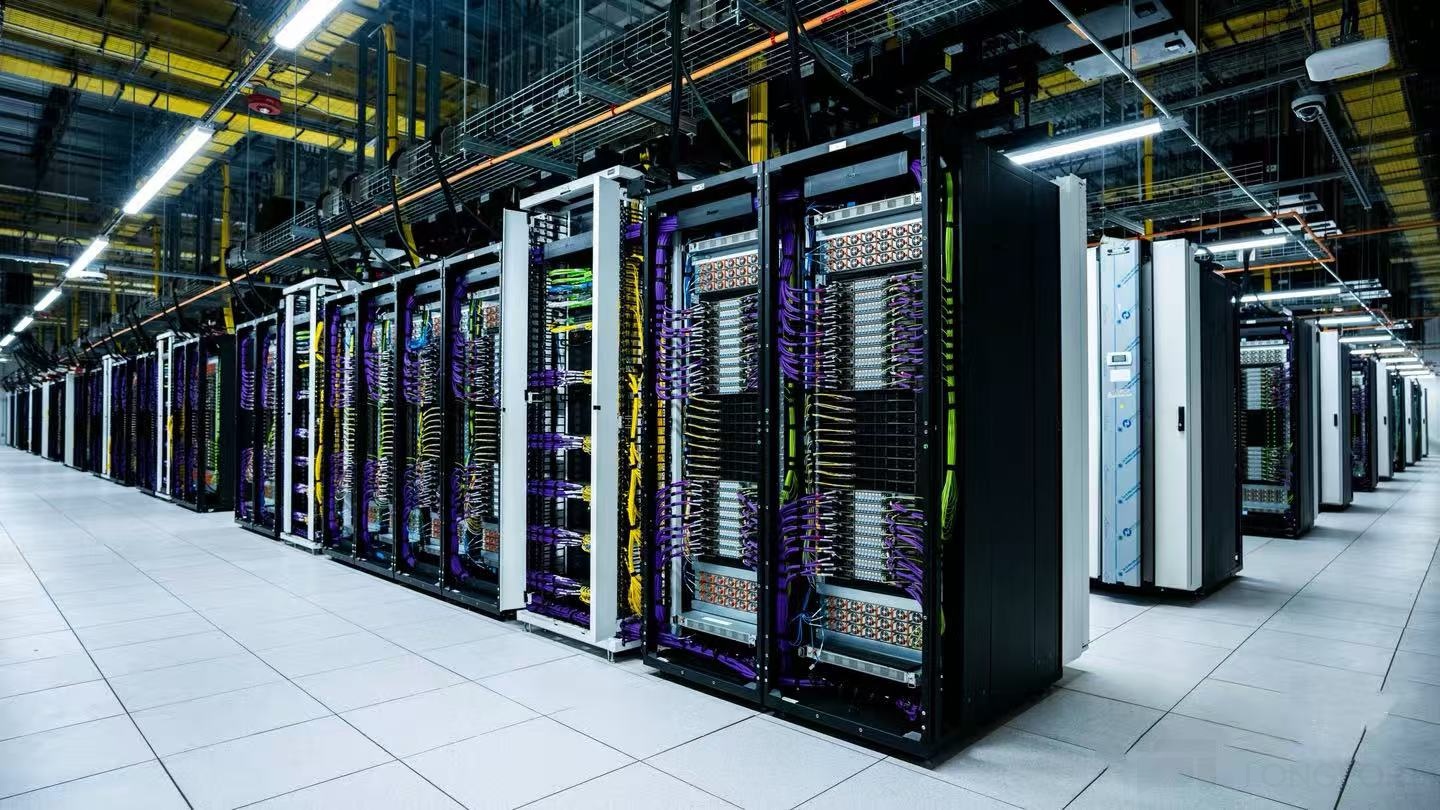
Neocloud does the opposite. From the very first floor tile in the data center, it is designed solely for GPU computing power: electricity allocation prioritizes GPUs, rack space is customized for high-density cooling, network architecture is optimized for thousands-of-chip interconnectivity, and billing is per "chip hour." It sells nothing—except the computing power itself.
Representative players:
$Coreweave(CRWV.US) — the "pure-blooded" neocloud that IPO'd in 2025
$IREN(IREN.US) — a transformed Bitcoin mining company
Lambda, Crusoe, Nscale—unlisted but already suppliers to hyperscalers
And now, the latest behemoth joins the list: SpaceXAI.
According to Mordor Intelligence estimates (as of early 2026), the neocloud market size in 2026 is about $35.2 billion, projected to reach $236.5 billion by 2031, with a five-year compound annual growth rate of 46%—this growth rate is 6-8 times that of the semiconductor industry in the same period.
Why is computing power starting to be priced per "watt"?
The number 220,000 GPUs will be widely circulated, but the figure truly worth remembering is 300 megawatts.
Why not just talk about the number of GPU cards? Because GPUs are easily rendered obsolete by technological upgrades. From H100 to B200 to GB300, performance doubles while the physical slot remains the same. Talking about "220,000 GPUs" today becomes outdated when those GPUs are upgraded in six months. But electricity is a physical limit. How much power a data center is allocated determines how much AI it can run.
So neocloud's pricing model is evolving, from counting "cards" to counting "watts."
What does 300 MW mean? It's equivalent to the total electricity consumption of a small city. The Colossus 1 data center alone consumes a significant portion of the entire grid capacity in the Memphis, Tennessee area.
Even more striking is that Anthropic "expressed interest" in the agreement—to develop orbital computing power with SpaceX, sending data centers into space to directly consume solar energy. This isn't a sci-fi pitch deck; it's a clause written into a commercial agreement.
The bottleneck in the AI computing power market has quietly shifted from "are there enough chips?" to "is there enough electricity, and can the grid handle it?" According to industry research estimates, by 2030, U.S. data center electricity consumption will account for 12-15% of the national total, a proportion that was only 2-3% in 2020.
The dissolution of xAI is the biggest endorsement of the neocloud model
Returning to the question of why xAI disappeared? To understand this, we need to separate the dual-track model of "AI company + independent computing power."
The standard playbook of the past few years was: an AI company had to both build models (hire 1,000 researchers) and build computing power (buy 220,000 GPUs itself, secure 300 MW of power itself, and optimize hardware and software itself). Both tasks are extremely capital-intensive and require completely different organizational capabilities.
Musk did the math. xAI couldn't sustain this dual-track model—the cost of an independent AI company with independent computing power is much higher than handing it over to a "company specializing in infrastructure." So xAI no longer exists independently, but it didn't die; its computing power assets remain, while its application side moves under SpaceXAI. This means: xAI's 220,000 GPUs no longer serve a single AI company; they re-enter the circulation market, available to whoever pays. And the first to pay just happened to be Anthropic.
The math is clear—a rough estimate at current market prices suggests that a multi-year lease for 220,000 H100/B200 GPUs, plus 300 MW of power allocation, data center facilities, and an operations team, would approach a scale of tens of billions of dollars.
Neocloud is not a guaranteed win
This story flows smoothly, but it's not without problems.
First, customer concentration is extreme. CoreWeave gets 60% of its revenue from Microsoft; SpaceXAI currently allocates 60% of its computing power to Anthropic. If a key customer cancels orders, the business would immediately face a cliff-like decline.
Second, the power grid is the real bottleneck. Building a 300 MW data center is difficult—securing that level of grid connection requires multi-layered approval from federal, state, and local authorities, and competing for grid capacity with residents, mining operations, and industrial parks. This is neocloud's true moat, and also its ceiling.
Third, valuations are highly dependent on AI capex never stopping. The market will also vote with its feet; once the hyperscaler capex cycle turns, this sector will shake first.
But the most subtle aspect of neocloud is—its prosperity is built on "AI companies no longer building their own computing power." This logic also works in reverse: the day AI companies find building their own capacity cheaper (e.g., if GPU prices drop significantly), the role of neocloud will need to be redefined.
The copyright of this article belongs to the original author/organization.
The views expressed herein are solely those of the author and do not reflect the stance of the platform. The content is intended for investment reference purposes only and shall not be considered as investment advice. Please contact us if you have any questions or suggestions regarding the content services provided by the platform.
