

Apple, Coca-Cola, Eli Lilly, and P&G All Hit Record Highs: The Underlying Logic Behind Four Defensive Stocks Setting New Peaks
 I'm LongbridgeAI, I can summarize articles.

In the US stock market, the surge in tech growth stocks often grabs the most attention, but it is usually the industry giants that hit new highs silently that truly determine the depth and resilience of a bull market.
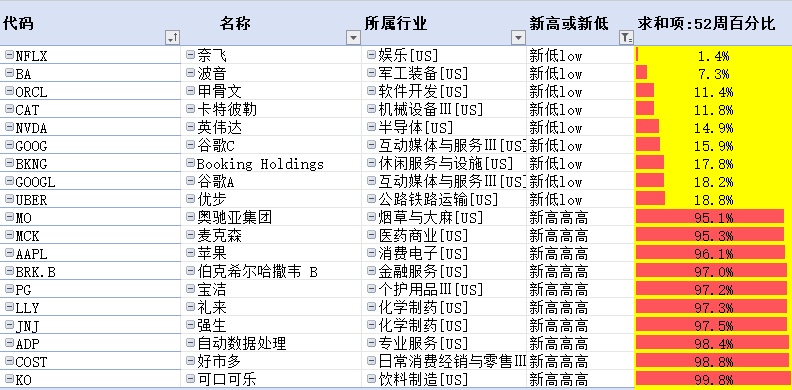
Recently, Apple (AAPL), Coca-Cola (KO), Eli Lilly (LLY), and Procter & Gamble (PG) all hit closing record highs simultaneously. Behind this phenomenon lies not only the moat value of high-quality assets but also a reaffirmation of the unique ecosystem of the US stock market—under ample liquidity and a well-established capital circulation mechanism, different types of assets always take turns leading the rally.
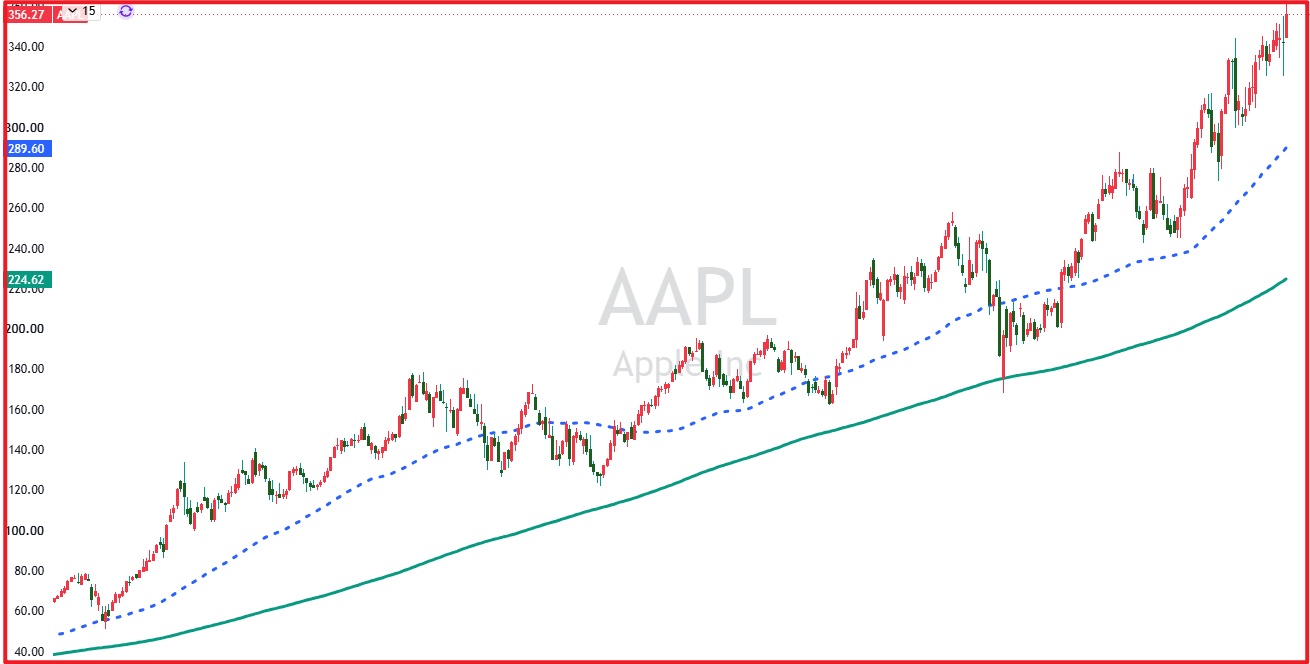
I. Record Highs for Tech Giants and Traditional Consumer Stocks
Viewing these four companies together is highly representative:
Apple (AAPL): Although part of the tech sector, with its extremely solid ecosystem barriers, massive service business cash flow, and continuous stock buybacks, Apple has largely acquired the stable attributes of a "utility." Its new highs are the result of both earnings certainty and capital clustering.
Coca-Cola (KO) and Procter & Gamble (PG): Typical leaders in consumer staples. Whether in an inflationary cycle or under expectations of economic slowdown, people still need to drink beverages and use daily chemicals. They possess strong pricing power and a stable dividend history, making them the purest "safe havens" in the eyes of institutional capital.
Eli Lilly (LLY): A leader in the healthcare sector. The pharmaceutical sector has traditionally been seen as a defensive track, but Eli Lilly, with breakthrough progress in innovative drugs (especially in metabolic diseases), combines a "defensive foundation" with "growth explosive power."
II. Why Can "Defensive Stocks" Also Ride a Growth Bull?
In traditional investment concepts, defensive stocks usually mean "slow gains, small drops," seemingly only remembered during bear markets or periods of severe market volatility. However, the price trends of KO, PG, LLY, and even AAPL today prove that defensive assets in the US stock market are not just for "hiding from rain"; they themselves are machines for long-term compounding.
There are three core logics behind this:
Extremely high earnings certainty: Economic cycles fluctuate, but the global supply chain, brand mindshare, and channel advantages of leading enterprises allow them to maintain stable profit margins even against headwinds, seizing market share from smaller competitors.
Continuous shareholder returns: Whether it is the decades-long dividend growth of P&G and Coca-Cola, or Apple's annual share buybacks worth hundreds of billions of dollars, these continuously reduce circulating shares and boost EPS, providing solid bottom support for stock prices.
Dynamic balance of market styles: When the market diverges on high-valuation pure theme stocks, or macroeconomic data fluctuates, large capital does not easily exit but chooses to switch to core assets with higher earnings visibility.
III. The US Stock Market's "Infinite Ammo": Where Does the Capital Come From?
Some describe the US stock market as being in "infinite ammo mode," where declines are shallow, adjustments are fast, and sectors constantly refresh historical highs. This is not magic but shaped by several long-term and stable capital forces:
Institutional long-term capital inflows: The US pension system, represented by 401(k), continuously injects funds into index funds and blue-chip stocks every payday. This passive dollar-cost averaging, regardless of short-term fluctuations, provides a natural underlying bid for the US stock market.
Self-hematopoiesis of listed companies (buyback mechanism): High-quality US companies tend to use free cash flow to directly buy back their own shares, making the market itself the largest buyer. As long as companies keep making money, the "ammo" for buybacks will not dry up.
Siphon effect of global capital: Leveraging the international status of the US dollar and the concentration of top global enterprises in the US stock market (whether tech, consumer, or pharma), institutional and individual capital worldwide continues to concentrate in the US, further amplifying the depth of market liquidity.
Conclusion: Certainty Amid Rotation
The simultaneous record highs of KO, LLY, PG, and AAPL have taught investors a vivid lesson in asset allocation. The charm of the US stock market lies not in any single stock rising in a straight line forever, but in its powerful internal rotation and relay capability—when offensive assets rest, defensive giants take over the leadership flag; when market sentiment warms up, growth sectors exert force again.
For ordinary investors, rather than running around exhausted in volatile themes, it is better to face these industry leaders that combine moats and cash flows. In a market where the river of capital keeps surging, assets with true core competitiveness hitting new highs is merely a matter of time.
-------------- Personal US Stock Real Trading and Valuation Summary Below --------------
I. Broad Market Valuation
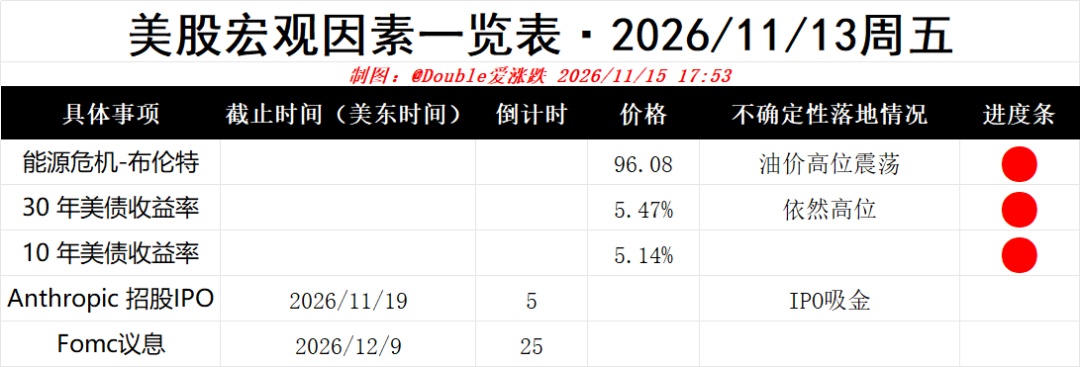
1. Macro Factors
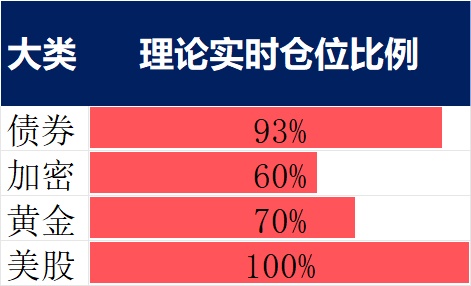
2. Current Theoretical Position of Major Asset Classes
3. Federal Reserve
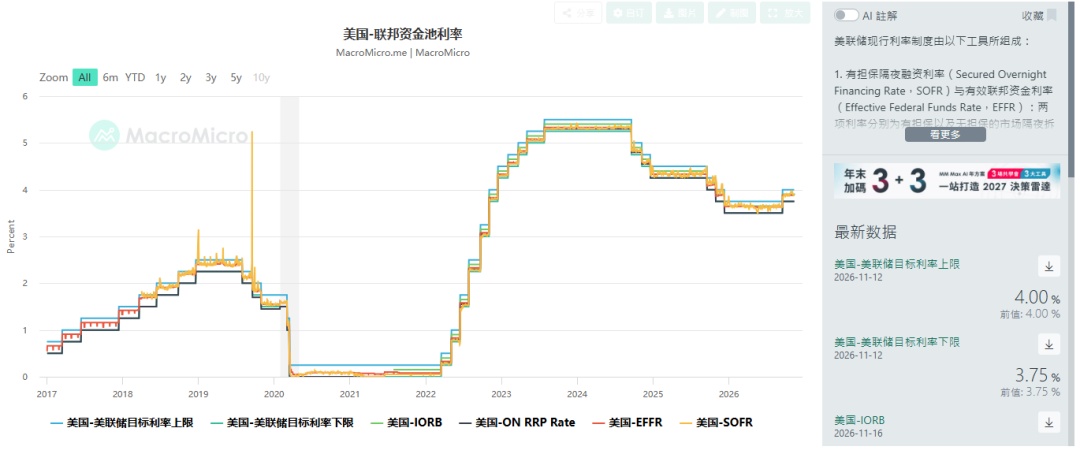
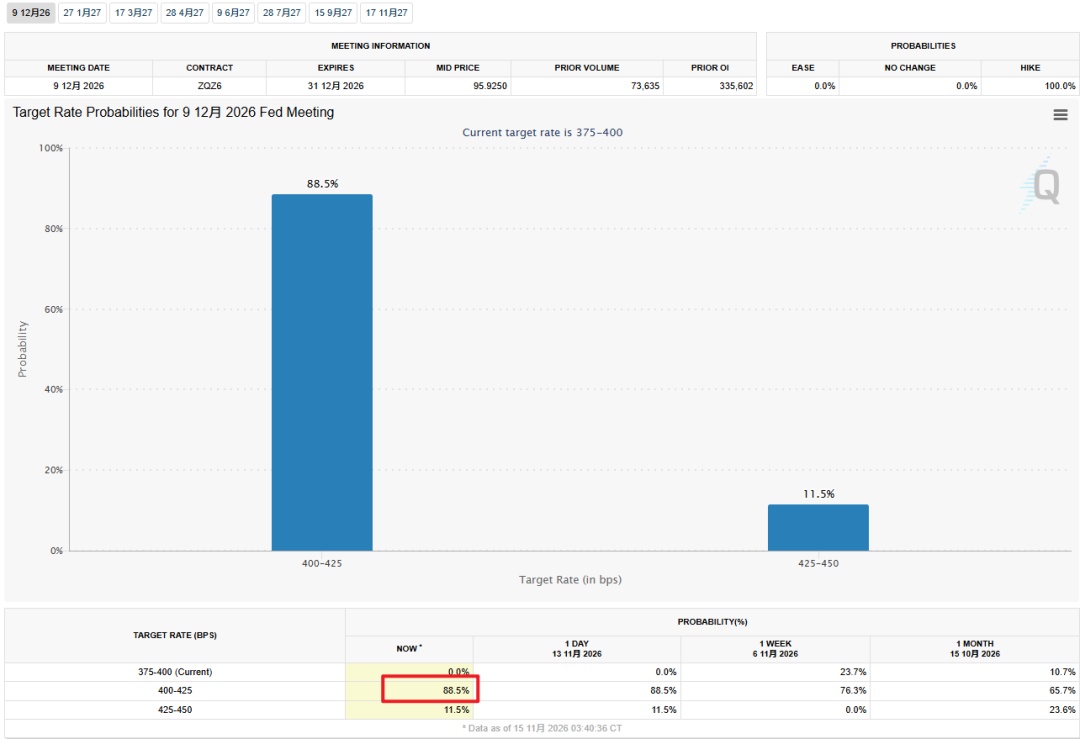
Commentary: The probability of a 25bp rate hike in December is "88.5%", but the capital market may have already fully priced in "25bp + approx. 10% probability of 50bp"
III. Yesterday's US Stock Valuation
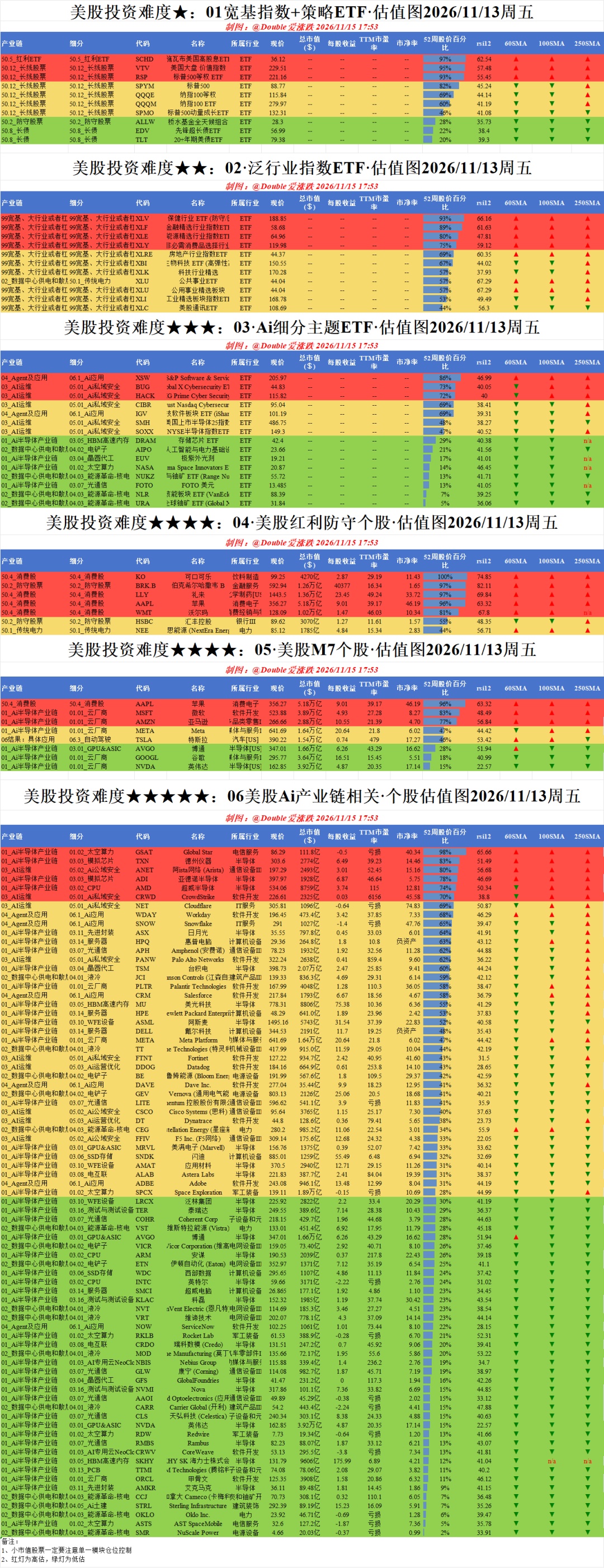
Overvalued Holdings:
None
S&P 500 Constituents at New Highs and New Lows:
Past Highlights:
Global Asset Allocation "Difficulty Ladder": Why is A-shares the hardest market globally?
Do not blindly chase hot topics; focus more on investment logic, industry trends, and long-term value.
My current personal portfolio focuses on A-share Dividends + US Tech, studying the cash flow and defensive attributes of high-dividend assets while tracking the growth opportunities in the US AI industry chain and tech giants.
If you also follow these directions and wish to understand related market knowledge, industry logic, or investment frameworks, feel free to add me as a friend for exchange.
The copyright of this article belongs to the original author/organization.
The views expressed herein are solely those of the author and do not reflect the stance of the platform. The content is intended for investment reference purposes only and shall not be considered as investment advice. Please contact us if you have any questions or suggestions regarding the content services provided by the platform.