

How to Start Investing with a Small Budget
Are you dreaming of growing your wealth but feel like your budget is too tight to make it happen? If the world of investing seems out of reach because you think you need thousands to get started, you're not alone. The good news is that you don’t need a fortune to begin investing—small steps today can lead to substantial gains in the future. But how do you take the plunge with a modest budget and make it work? Let’s explore some practical strategies for first-time investors to get started with confidence, even if you’re working with limited funds.
Why Small Investments Matter
You might be wondering, can small investments really make a difference? Absolutely. The power of investing lies in time, not necessarily in large sums of money. When you invest, your money has the potential to grow over time through the magic of compound interest. Think of it like planting a tree—small seeds today can turn into a mighty oak down the line.
For example, let’s say you invest just $50 a month. With an average return of 7%, after 10 years, that small contribution could grow to around $8,300. Over 20 years, it could become $25,000. So, don’t underestimate the impact of starting small; it’s consistency that counts.
Start With Your Goals in Mind
Before you even think about where to put your money, take a step back and consider your goals. Are you looking to save for a down payment on a house? Planning for retirement? Or maybe you just want a safety net for future financial security. Having clear goals can help guide your investment decisions and keep you motivated when you’re working with a smaller budget.
For example, if your goal is retirement, investing in a tax-advantaged account like the Central Provident Fund or Supplementary Retirement Schemes might be the best route in Singapore. CPF ensures mandatory contributions with employer matching, while SRS offers tax benefits for voluntary retirement savings. However, if you're saving for a more short-term goal, like buying a car, you might prefer more liquid options, such as short-term savings accounts or low-risk investment funds available through various financial institutions in Singapore.
Explore Low-Cost Investment Options
Investing doesn’t have to be expensive. Many platforms allow you to start with minimal capital, giving you access to a wide range of opportunities. Here are some affordable options that can work for first-time investors:
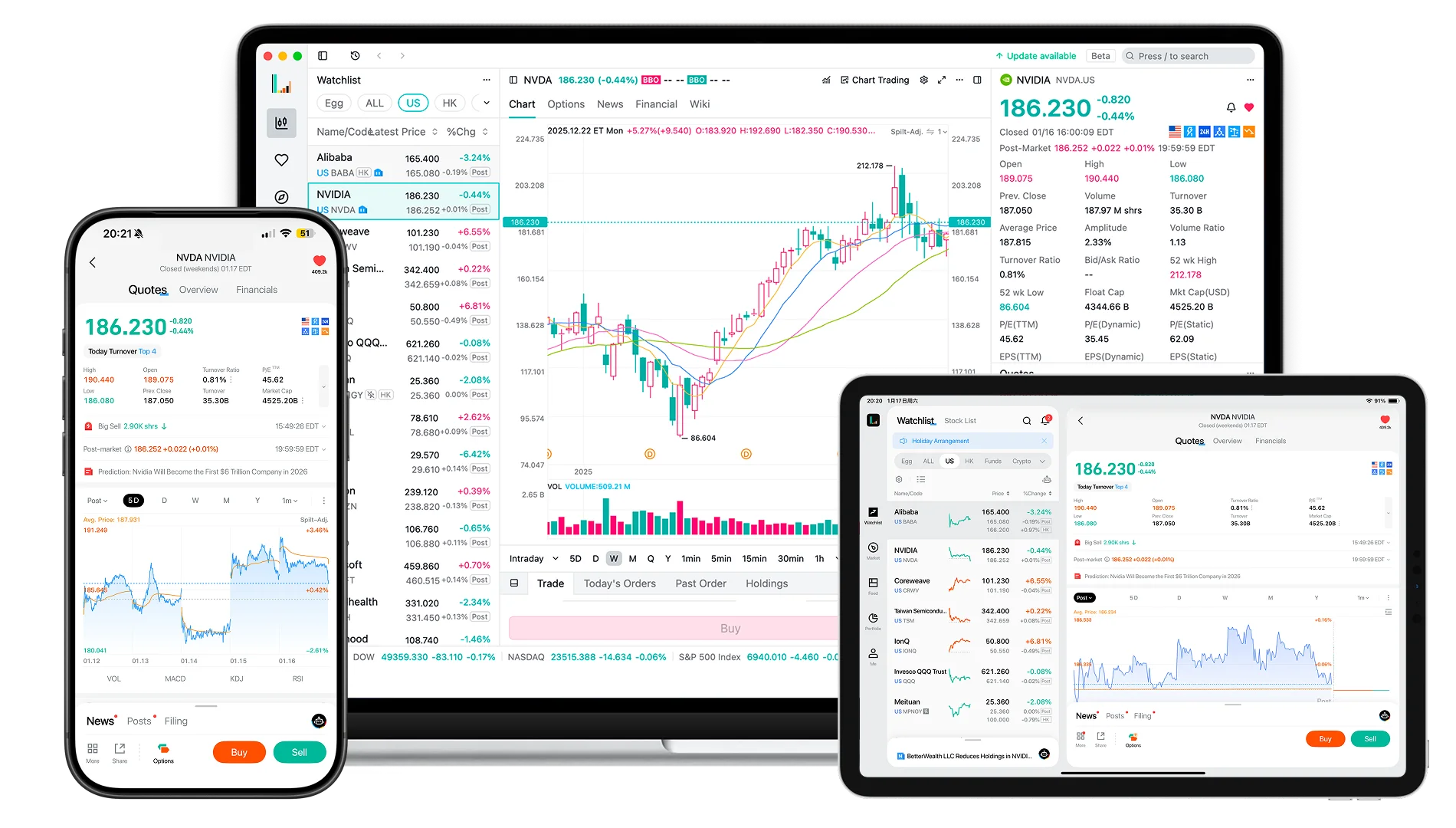
Commission-Free Trading: Longbridge allows you to trade U.S. and Hong Kong stocks without paying commission fees, reducing the cost barrier to entry. You can start small while enjoying access to real-time market data without additional costs.
Fractional Shares: Longbridge provides access to over 32,000 stocks, and you can invest in fractional shares, allowing you to buy a portion of expensive stocks like Tesla or Apple, instead of needing to purchase an entire share.
ETFs and REITs: For those looking for diversification, Longbridge supports trading in ETFs (Exchange-Traded Funds) and REITs (Real Estate Investment Trusts), offering a way to spread your investment across a variety of assets.
Commit to monthly investing
To make sure you consistently invest, it's a good idea to set aside a small portion of your income every month. Rather than manually transferring the funds each time, you can arrange for a recurring deposit into your investment account, ensuring your contributions stay on track even when life gets busy.
For example, you could start by transferring $25 or $50 from each paycheck. By doing this regularly, you build a habit of investing and prioritize your future before other expenses take over. It also helps remove the temptation to put off investing, which can easily happen if you wait until the end of the month to see what's left over.
Take Advantage of Employer-Sponsored Plans
If you’re looking to start investing with a small budget in Singapore, employer-sponsored retirement schemes offer a great starting point. The Central Provident Fund (CPF) allows both you and your employer to contribute to your retirement savings, and these contributions are tax-exempt. Some employers do offer Supplementary Retirement Schemes (SRS) as part of their employee benefits, allowing employees to make contributions through salary deductions. Additionally, private retirement plans, such as insurance-linked or investment-based options, can enhance your financial security. Taking advantage of these schemes helps you grow your savings with minimal upfront investment.
Keep an Eye on Fees
When you’re working with a small budget, fees can eat into your returns faster than you might think. Even seemingly small fees, like 1% annually, can have a big impact on your overall growth over time. Make sure to choose investment platforms and products that have low or no fees, especially if you’re just starting out.
For instance, many robo-advisors charge lower fees than traditional financial advisors, and some even offer free services for accounts under a certain threshold. The same goes for ETFs, which often have lower expense ratios compared to mutual funds.
Don’t Let Risk Scare You
It’s natural to feel nervous about losing money, especially when you’re investing with limited funds. But remember, all investments come with some level of risk. The key is to find a balance between risk and reward that fits your personal comfort level and financial goals.
For first-time investors with small budgets, it’s a good idea to focus on diversified investments like ETFs or mutual funds, which spread risk across multiple assets. This reduces the chance that a downturn in one stock or bond will significantly impact your entire portfolio.
Also, keep in mind that investing is a long-term game. If the market dips, avoid panicking and pulling your money out—it could recover and even grow stronger over time.
Keep Learning and Stay Informed
Investing is not something you “set and forget.” While automating your investments helps, it’s important to stay informed about market trends and changes. This doesn’t mean you need to spend hours every day tracking the stock market, but dedicating some time to learning the basics of investing will help you make smarter decisions in the long run.
Consider subscribing to financial blogs or podcasts, or even reading books geared toward first-time investors. Websites like Investopedia and NerdWallet provide tons of free resources to help you get started. Staying educated ensures that you can adapt your strategy to your budget—and your financial goals—grow over time.
Conclusion: Start Small, Think Big
Starting your investment journey with a small budget may feel intimidating, but remember that the key is consistency, not the amount. With the variety of low-cost tools and resources available today, there’s no reason to wait until you have a large sum to start investing. Set clear goals, automate your investments, and keep learning as you go—you’ll be surprised how far those small contributions can take you.
Ready to start growing your wealth, even with a modest budget? Reach out to our team today, and we can guide you toward the best investment options tailored to your unique goals. Your financial future starts now—don’t wait to take the first step.