

 Likes Received
 Posts
PostsSome thoughts before YU7's listing

During the 10-day business trip in the Greater Bay Area in early June, I drove the SU7 Ultra for the first 5 days and the 'Big Mouse' Model Y for the last 5 days. On the eve of the launch of the Xiaomi YU7, I have some personal observations to share regarding Tesla, the only automaker with a trillion-dollar market cap and the globally best-selling car model without any qualifiers.
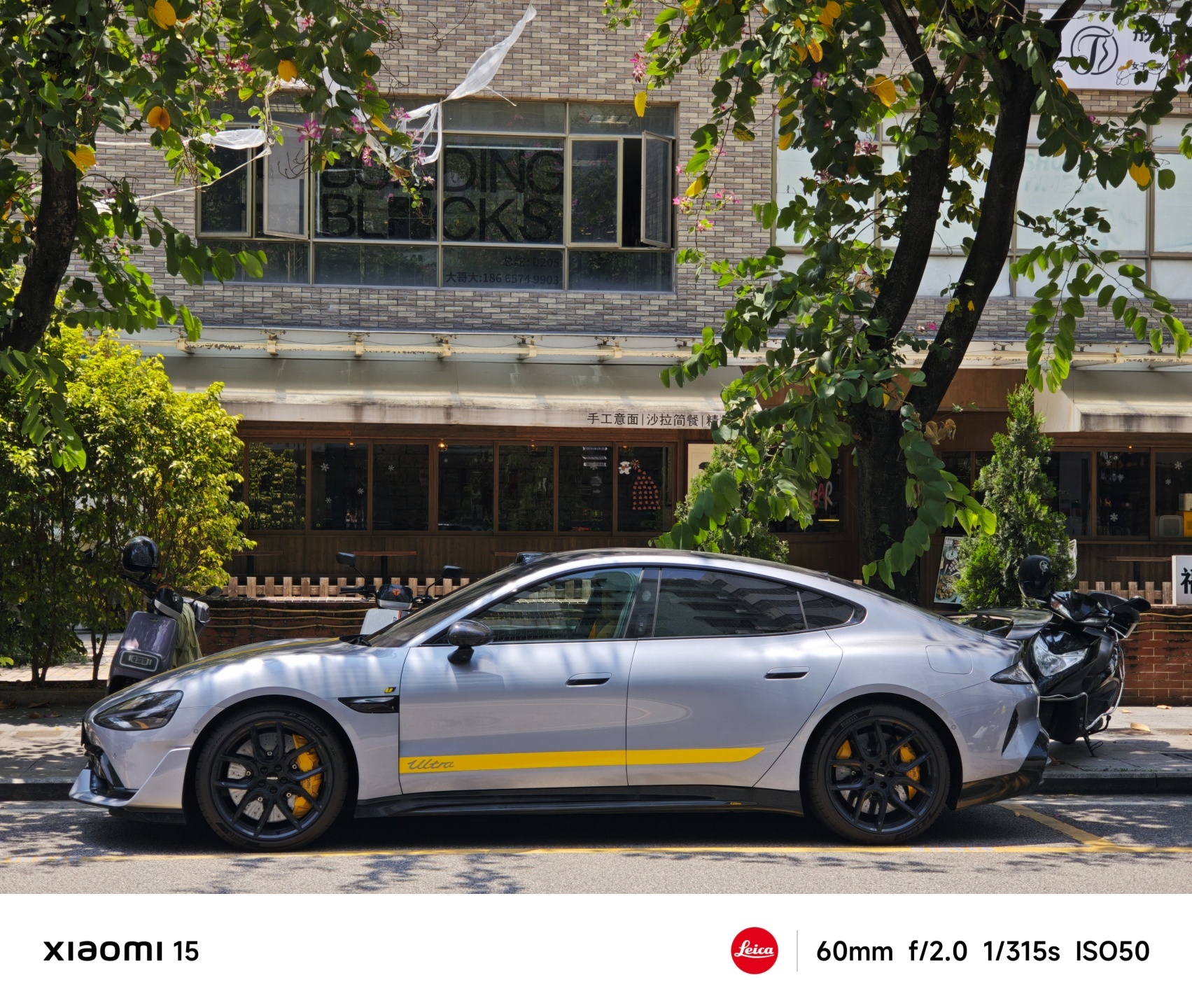
Model Y is not invincible
Lei Jun mentioned on Weibo: 'YU7 will continue to challenge Model Y.' From a product perspective, Lei Jun expressed great confidence, but the final sales figures remain unpredictable, and we can only wait for market feedback.
Breaking down the reasons users choose and buy cars, the main considerations include: appearance, brand, handling, safety, comfort, and intelligence. Let’s discuss them one by one.
Appearance
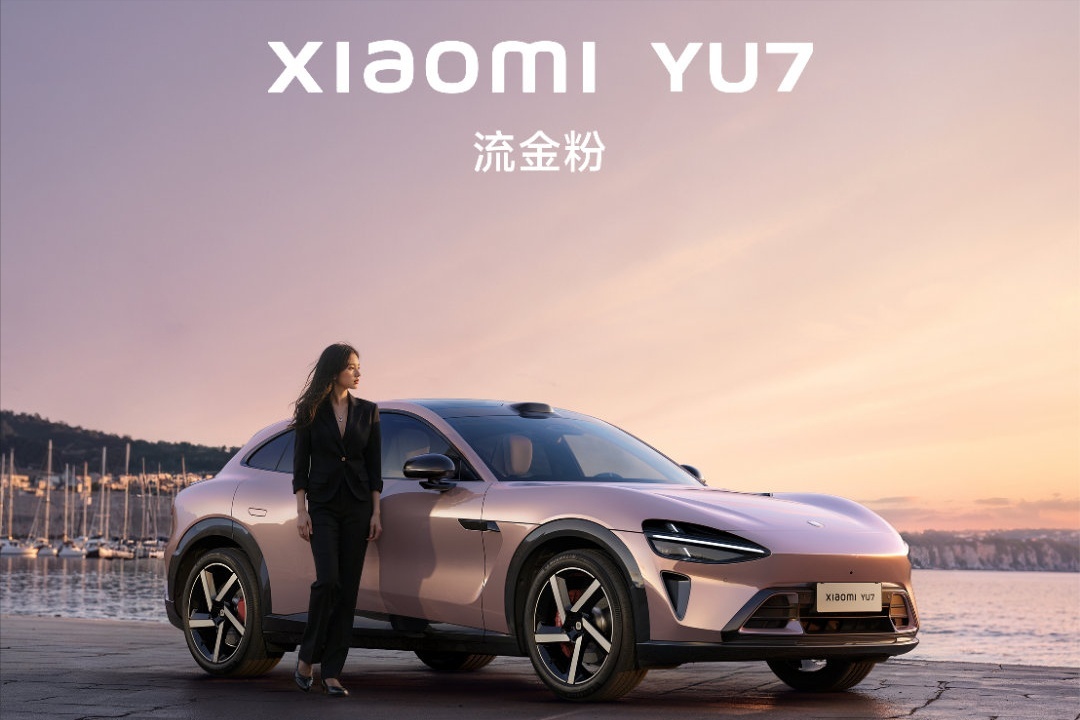
The design of YU7 and Model Y is subjective, each with its own merits. YU7's split headlights, combined with the 'Cross Light Sword' design language, are very innovative.
Brand Power
Xiaomi is a 'latecomer' in the auto industry, while Tesla is a 'pioneer' in vehicle electrification. Tesla's global influence and appeal are undeniable. Xiaomi's decision to benchmark against Tesla from the start is for 'high-goal traction'—aim high to achieve medium.
Interestingly, both brands' founders are highly charismatic and widely discussed. Elon Musk has succeeded Steve Jobs and Bill Gates as the new leader of Silicon Valley entrepreneurship, while Lei Jun started with Kingsoft and founded Xiaomi at 40. Both embody a romantic entrepreneurial spirit, adding significant 'emotional value' to their brands.
Lei Jun's goals are not unrealistic. In the original Weibo post, Xiaomi YU7 aims to challenge Model Y's domestic sales, not global sales.
In 2024, Tesla Model Y sold 480,000 units in China, averaging 40,000 per month. However, from January to May 2025, Model Y sales dropped to 126,600 units, averaging less than 30,000 per month, showing a clear decline.
Model Y's success was partly due to its era. During the early 'gas-to-electric' transition, it was nearly unbeatable. But as the supply chain matured, users demanded more from EVs, leaving many needs to be explored and met.
Handling
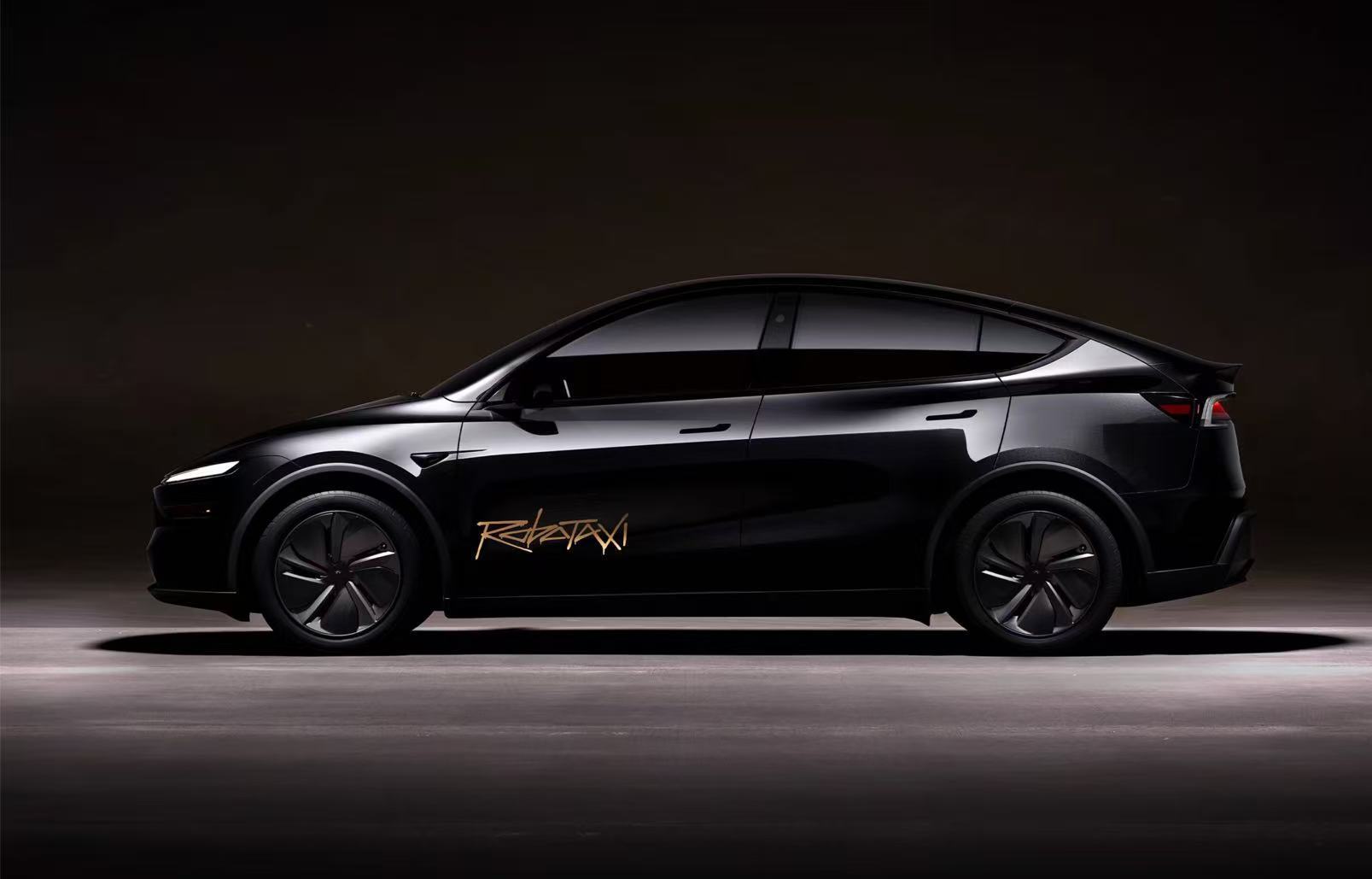
Overall, Model Y's handling remains top-tier among EVs in its class. Early Model Ys had stiff suspensions, but the 2023 refresh improved this significantly.
Though opinions on Model Y's handling vary—such as the 'nodding' effect when lifting off the accelerator in single-pedal mode—I subjectively believe Tesla's acceleration and steering are still the industry benchmark.
The simplest way to judge a car's handling is to see if it makes you want to drive it and if it provides enough support and confidence in corners. At least in the SU7 Ultra, I felt absolute confidence with every press of the accelerator and every overtake. I hope the YU7 delivers the same experience.
Safety
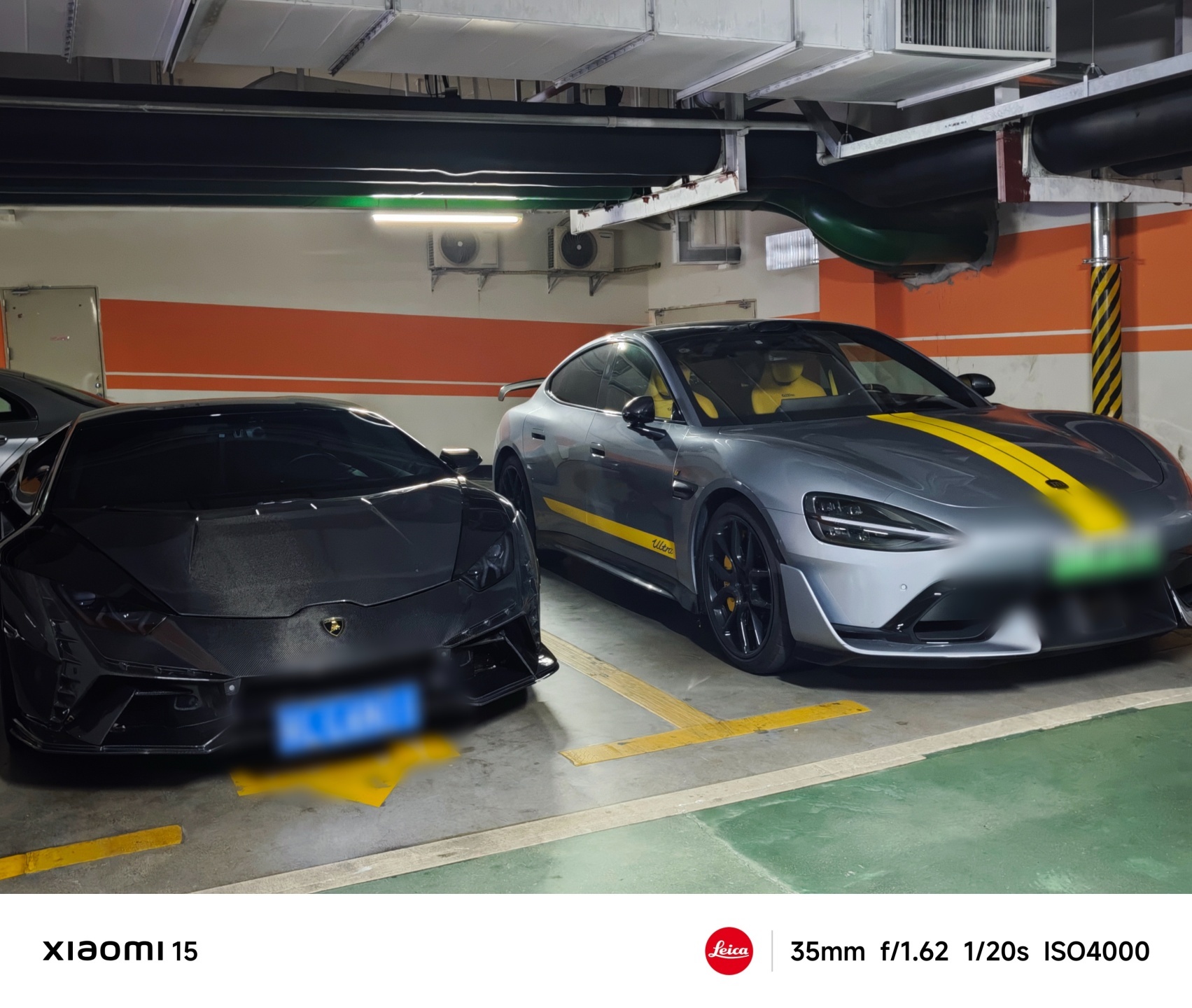
Regarding safety, I’d like to discuss it alongside pricing.
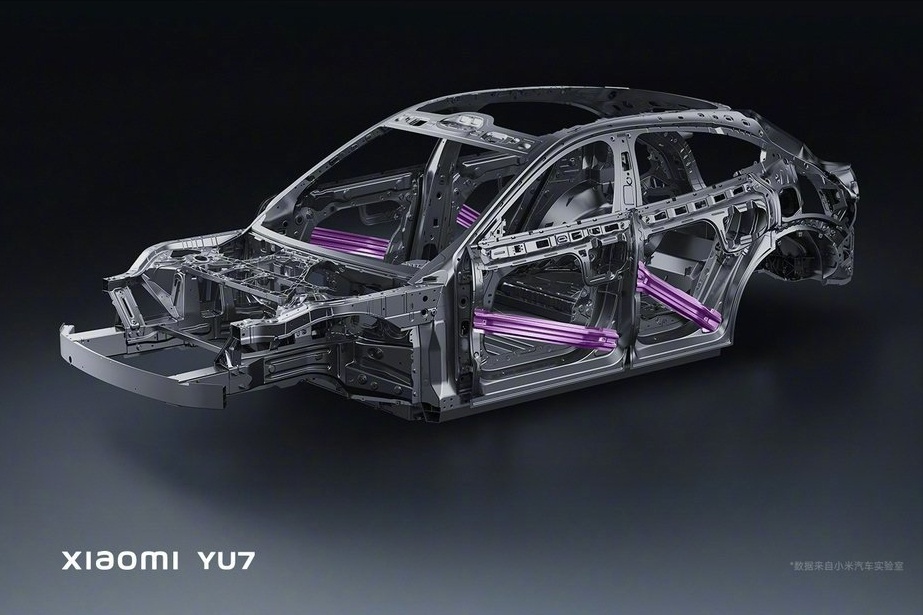
Tesla pioneered all-aluminum bodies and mega-casting in the 200-300k RMB price range, significantly enhancing body rigidity and torsional resistance. This came with higher hard costs, but consumers consistently demand better safety and are willing to pay for it.
Car safety includes active and passive safety. Active safety refers to avoiding unforeseen events during driving, while passive safety ensures the driver and passengers can escape danger in extreme situations.
For YU7, I urge Xiaomi's GTM team to raise the safety standards of the entry-level model, aligning battery safety and overall strength with the top-tier model while differentiating features like assisted driving.
Even if it means sacrificing some sales
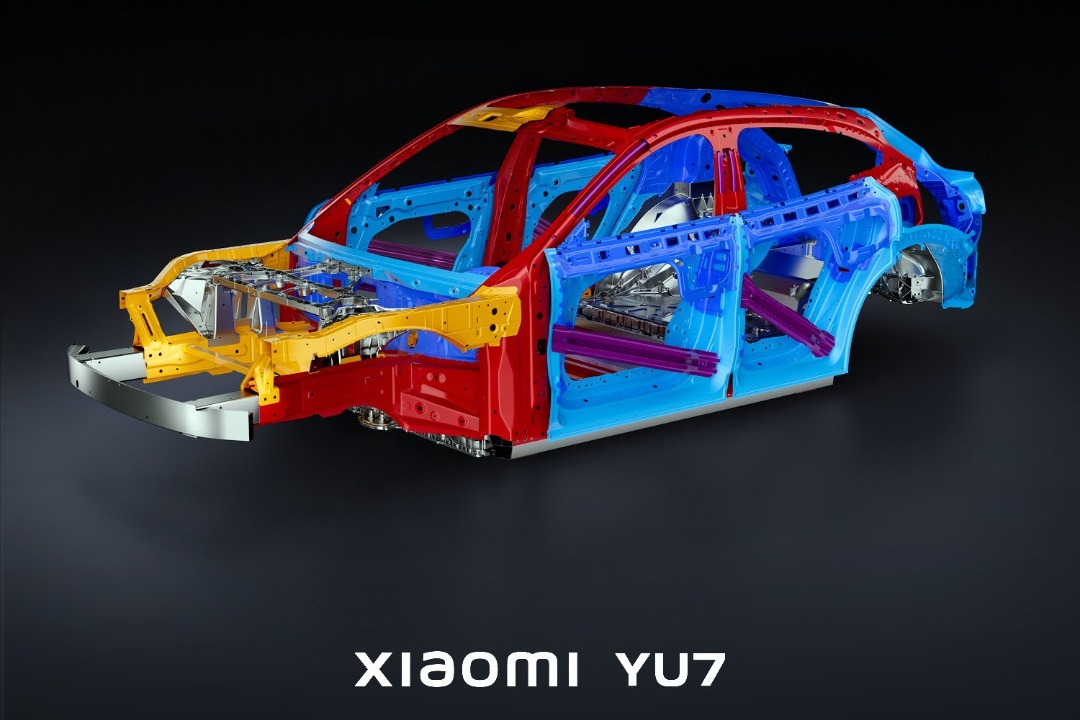
To ensure safety, YU7's pricing should not overly consider competition but aim to match the world's safest models. Xiaomi is no longer a 'newcomer' in car manufacturing, and the public has higher expectations.
Active safety relies more on technology and innovation. Some traditional automakers overlook this when launching EVs. In reality, overly aggressive or conservative active safety can confuse drivers.
Overly aggressive systems may mistakenly brake for obstacles at low speeds or while reversing, while overly conservative ones may ignore obstacles or only slightly slow down, failing to intervene effectively.
Investment in safety R&D yields the most direct results. I hope YU7 becomes one of the 'world's safest' models, not just a 'value-for-money' option.
Comfort
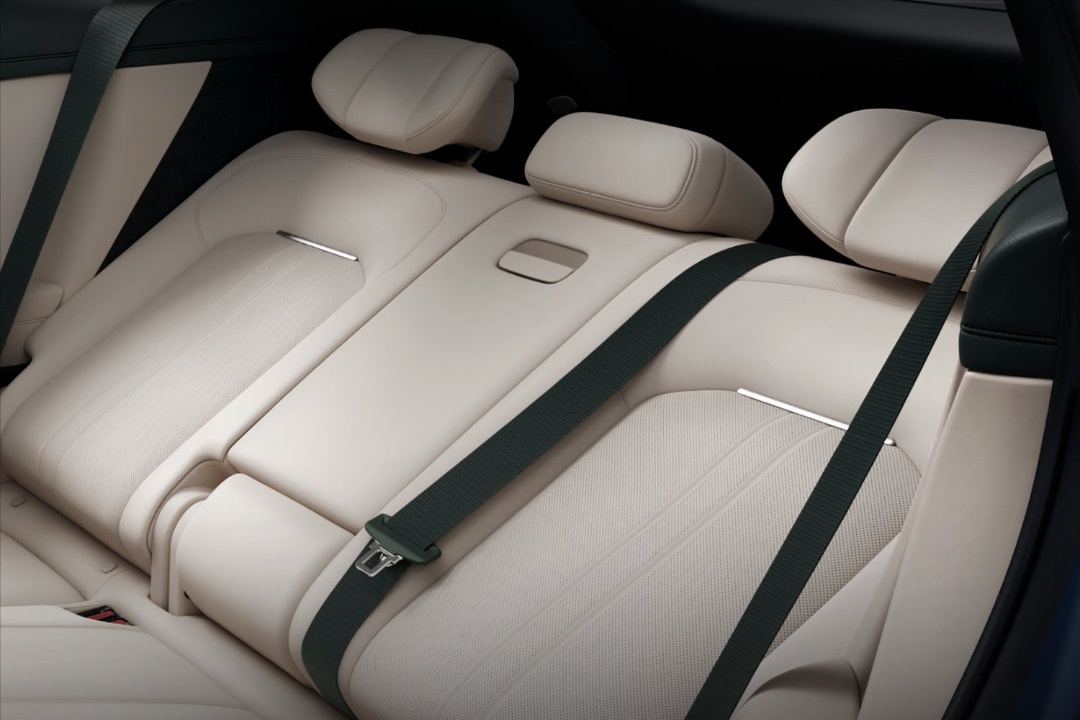
At the May tech conference, Lei Jun first mentioned YU7's comfort. Compared to the low-slung seating of SU7 and SU7 Ultra, YU7 leans more toward cabin comfort, with zero-gravity seats for the front row—something to look forward to, especially for professionals who nap in their cars. Here, Xiaomi could learn from Li Auto and Nio.
Model Y's cabin features are simple but comfortable, with rear seats extending into the trunk for camping. Both should offer good comfort.
Intelligence—This is one of YU7's core advantages, in my opinion
Switching from SU7 Ultra to Model Y, my biggest takeaway was that many voice controls don’t work in Tesla's ecosystem.
For example, continuous commands like 'Adjust AC, close windows, turn on seat heating' are easy on Xiaomi but require manual settings or separate inputs on Model Y.
Localization is a challenge for foreign automakers, especially in maps and navigation due to data security restrictions. Domestic automakers have an advantage here.
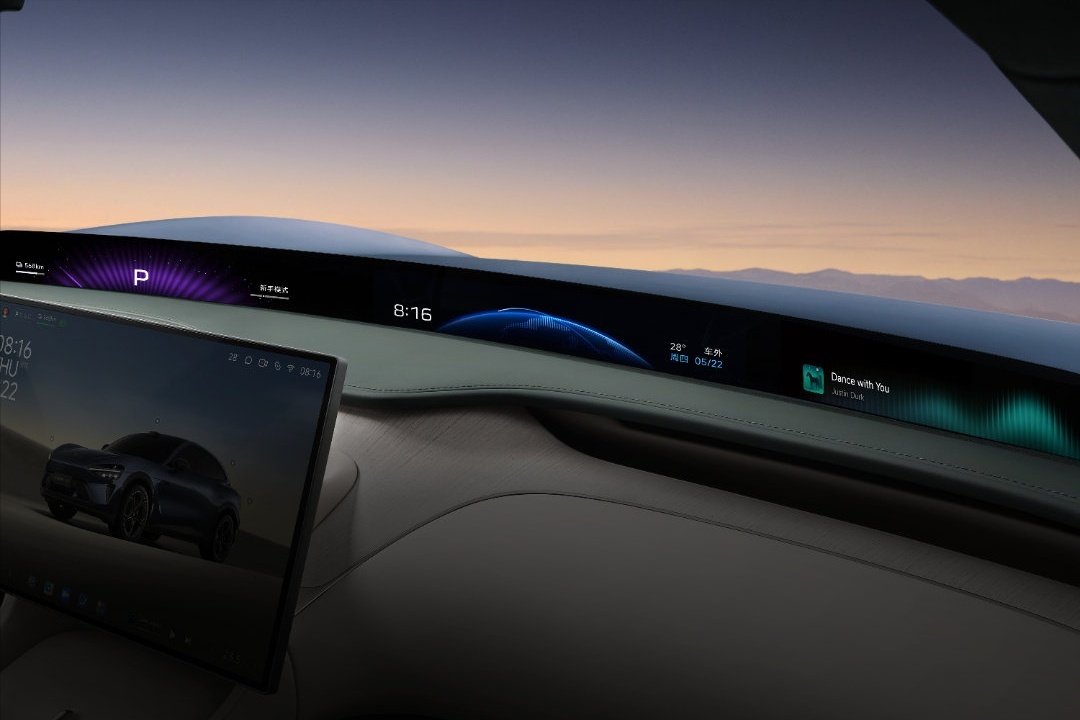
Notably, the HyperVision sky screen will offer fun interactions, leveraging Xiaomi's smartphone expertise to elevate smart cabins and deliver fresh experiences.
Final Thoughts
Model Y is a respectable rival but not unbeatable. For safety, the public expects more from Xiaomi, and safety costs are unavoidable. Raising entry-level prices to ensure safety across all models won’t hurt sales fundamentals.
Xiaomi's auto team must move beyond 'extreme value' thinking and iterate toward 'extreme safety' and 'extreme experience.'
In smart cabins and assisted driving, focus on strengths, learn from industry best practices, ignore noise, and commit to long-term, correct actions.
That’s all before the YU7 launch. See you this Thursday.
June 24, Mars at Qinghe.
$XIAOMI-W(01810.HK)
The copyright of this article belongs to the original author/organization.
The views expressed herein are solely those of the author and do not reflect the stance of the platform. The content is intended for investment reference purposes only and shall not be considered as investment advice. Please contact us if you have any questions or suggestions regarding the content services provided by the platform.
